Blog

  • More Details Are Hidden in the Nail Cutter

    More Details Are Hidden in the Nail Cutter

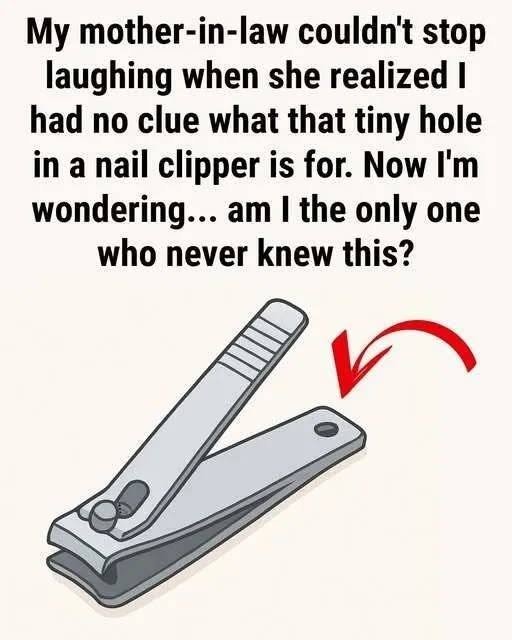
    At first glance, it looks like an ordinary nail cutter, but there may be a small detail hidden in its design that most people never notice. Everyday objects often contain features that were added for a practical purpose, yet because we use them so routinely, we rarely stop to examine what each part actually does. A nail cutter, for example, can have several small components besides the obvious cutting blades, including a lever, pivot, file, or specially shaped section designed for a particular function.

    The interesting part is that the smallest detail may have the biggest purpose. Some nail clippers include a built-in nail file or a pointed cleaning tool, while certain designs use the lever mechanism to create enough force to cut the nail efficiently. Older or specialized models can also have features that are unfamiliar to people who have only used modern clippers. That’s why photographs of ordinary household objects can sometimes generate surprising discussions online—people recognize the object but not necessarily every part of it.

    So before throwing away an old nail cutter or assuming that an unusual part is decorative, take a closer look. Check the underside, lever, hinge, file, and any small opening or protrusion. You may discover that the feature was designed for a very specific purpose. If you have a particular nail cutter whose unusual detail you’re asking about, upload a clear photograph of it and I can help identify exactly what that part is. Disclaimer: The purpose of a specific feature can vary between nail-cutter designs and manufacturers, so an exact identification requires seeing the object clearly and should be verified against reliable product information.

  • Sleep: Check Your Position

    Sleep: Check Your Position

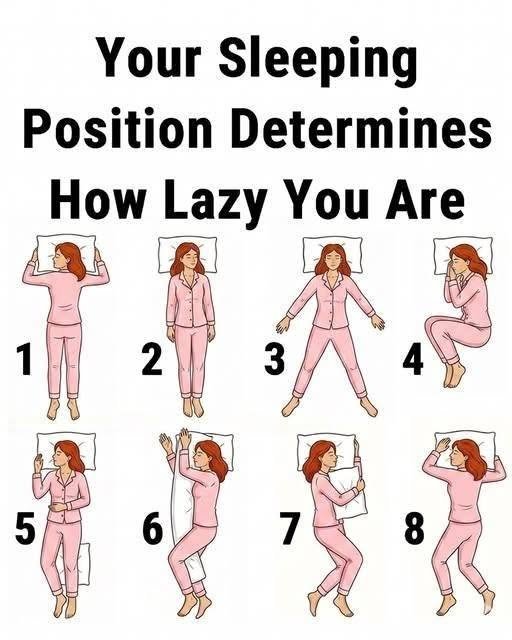
    Your sleeping position can influence comfort, breathing, spinal alignment, and pressure on different parts of your body. For many adults, there is no single sleeping position that is universally “best.” Side sleeping can be comfortable and may help reduce snoring for some people, while back sleeping can support a neutral spinal position when the pillow and mattress provide appropriate support. Stomach sleeping is often less comfortable for the neck and lower back because the head must remain turned to one side for prolonged periods. (sleepfoundation.org) If you regularly wake with neck stiffness, shoulder discomfort, numbness, or back pain, your sleep position or pillow height may be contributing.

    Side sleeping may be particularly useful for people who snore or have certain breathing problems because it can help keep the upper airway more open than sleeping on the back. For people with obstructive sleep apnea, positional therapy may sometimes be part of treatment, although it should not replace professional evaluation or prescribed therapy. (mayoclinic.org) Pregnant people are also often advised to sleep on their side later in pregnancy, with appropriate guidance from their healthcare professional. (acog.org) A pillow between the knees can sometimes improve comfort by reducing twisting through the hips and lower back.

    The best position is ultimately the one that allows you to sleep comfortably and breathe normally without causing pain. Try keeping your head and neck aligned with your spine, using a pillow that supports your preferred position, and avoiding positions that repeatedly cause numbness or discomfort. If you wake frequently gasping or choking, have very loud snoring, experience persistent daytime sleepiness, or have ongoing pain despite changing your position, talk with a healthcare professional. (nhlbi.nih.gov) Disclaimer: This article is for general educational and informational purposes only and does not constitute medical advice, diagnosis, or treatment. Individual sleep needs vary, and a particular position is not a guaranteed treatment for any health condition. Always consult a qualified healthcare professional about persistent sleep, breathing, or pain-related problems.

  • Can Anyone Identify This Cut of Meat? Here Are Some Delicious Ways to Cook It

    Can Anyone Identify This Cut of Meat? Here Are Some Delicious Ways to Cook It

    Identifying a cut of meat from a photograph can sometimes be surprisingly difficult because butchers use different names for the same cuts in different regions. If this is beef, the shape, amount of marbling, presence of bone, and direction of the muscle fibers can provide important clues. Common major cuts include chuck, brisket, rib, loin, flank, round, and shank, with each having different characteristics. (fsis.usda.gov) Tender cuts from areas such as the loin and rib are generally better suited to quick cooking methods like grilling, pan-frying, or broiling, while tougher cuts containing more connective tissue—such as chuck, brisket, and shank—usually become much more tender when cooked slowly with moisture. (nationalbeefassociation.com) Without actually seeing the meat, however, it would be impossible to identify the exact cut confidently.

    If it’s a tougher, well-marbled piece, one of the best options is a slow braise. Season the meat generously, brown it in a hot pan, then cook it covered with onions, garlic, herbs, stock, and perhaps tomatoes until fork-tender. Chuck, brisket, and other less-tender cuts are particularly well suited to this approach because slow, moist cooking helps break down connective tissue. (fsis.usda.gov) You could also turn it into a hearty beef stew, pressure-cook it with potatoes and carrots, or make a rich curry. If the piece is actually a tender steak or loin cut, however, slow cooking may be unnecessary; a hot skillet or grill with simple seasoning can give you a much better result. Tender cuts are generally intended for faster dry-heat cooking. (nationalbeefassociation.com)

    For a simple crowd-pleaser, try garlic-and-herb braised beef: season with salt, black pepper, garlic, paprika, and dried herbs; sear all sides; add sliced onions and enough stock to partially surround the meat; cover and cook gently until tender. Serve it with mashed potatoes, rice, or crusty bread and vegetables. If you share a clear photo of the meat—including the bone, fat layer, thickness, and a view of the cut surface—plus its approximate weight and whether it’s beef, lamb, goat, or another meat, I can help narrow down the cut and suggest the best specific recipe. Disclaimer: This article provides general cooking guidance. Exact cooking times and methods depend on the animal, cut, thickness, equipment, and starting temperature. Always use a food thermometer and follow reliable food-safety guidance for the particular meat.

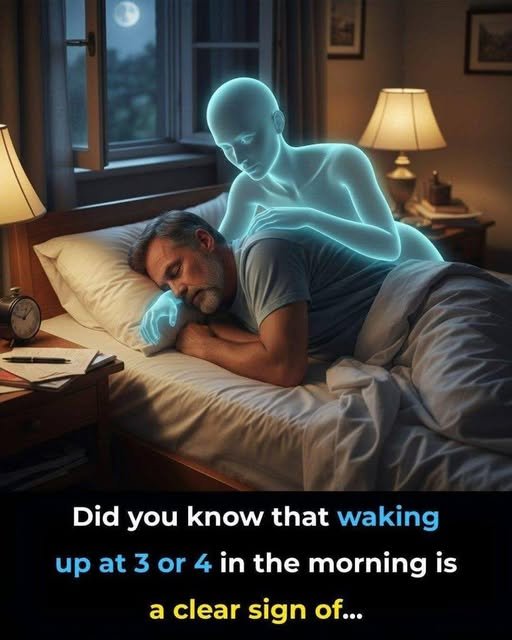
  • Did You Know That Waking Up at 3 or 4 a.m. Could Be a Sign of…

    Did You Know That Waking Up at 3 or 4 a.m. Could Be a Sign of…

    Waking up at 3 or 4 a.m. is not, by itself, a clear sign of one specific illness. Nighttime awakenings are common, and occasional early waking can happen because of stress, an uncomfortable room, changes in sleep schedule, caffeine, alcohol, noise, or simply normal changes in sleep patterns. Insomnia can include repeatedly waking during the night or waking too early and being unable to fall back asleep. Your body’s internal circadian clock also influences when you naturally become sleepy and awake, so waking at a similar time every night does not automatically mean something is wrong.

    However, persistent nighttime waking can sometimes be associated with an underlying sleep or health problem. For example, sleep apnea may repeatedly interrupt sleep and can cause symptoms such as loud snoring, gasping, dry mouth, morning headaches, and difficulty staying asleep. Stress and anxiety are also common contributors to insomnia, while caffeine, nicotine, alcohol, certain medications, pain, reflux, thyroid problems, and the need to urinate during the night can interfere with sleep. This is why waking at exactly 3 a.m. should not automatically be interpreted as a warning sign of a particular organ problem or disease. The pattern and accompanying symptoms matter much more than the clock time itself.

    If you regularly wake at 3 or 4 a.m. and cannot get back to sleep, feel exhausted during the day, snore loudly, wake gasping, or experience the problem several nights a week, consider discussing it with a healthcare professional. Keeping a sleep diary can help identify patterns involving bedtime, awakenings, caffeine, alcohol, medications, and daytime symptoms. Maintaining a consistent sleep schedule, limiting caffeine later in the day, avoiding alcohol close to bedtime, and keeping the bedroom dark and comfortable may also help. Disclaimer: This article is for general educational and informational purposes only and does not constitute medical advice, diagnosis, or treatment. Waking at 3 or 4 a.m. does not by itself diagnose any disease. Always verify health claims through reliable medical sources and consult a qualified healthcare professional if sleep disruption is persistent, severe, or accompanied by concerning symptoms.

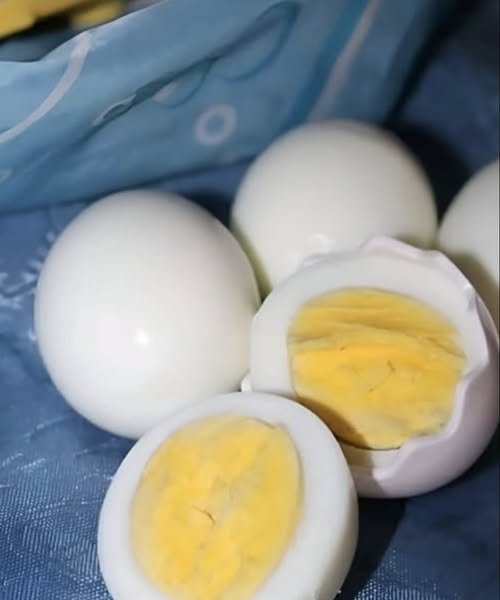
  • Doctors Reveal What Eating Boiled Eggs May Do to Your Body

    Doctors Reveal What Eating Boiled Eggs May Do to Your Body

    Boiled eggs are often described as a simple but nutrient-dense breakfast, and for most healthy people, they can be part of a balanced diet. One large egg provides roughly 6 grams of protein along with nutrients such as choline, vitamin B12, selenium, and vitamin D. Protein can also help you feel fuller for longer, making eggs a convenient option for people trying to build a satisfying breakfast. Unlike fried eggs prepared with large amounts of butter or oil, boiled eggs do not require added cooking fat, which can make them a relatively simple choice. The idea that boiled eggs automatically “cause” a particular disease is therefore misleading; their effects depend on the overall diet, quantity consumed, and individual health circumstances.

    The main issue people often associate with eggs is dietary cholesterol. Egg yolks contain cholesterol, but current evidence suggests that dietary cholesterol generally has a smaller effect on blood cholesterol than saturated fat. The American Heart Association says healthy people can include up to one whole egg per day as part of a healthy dietary pattern, while older adults with healthy cholesterol levels may be able to consume more. However, people with high LDL cholesterol, diabetes, cardiovascular disease, or certain inherited cholesterol disorders may need individualized dietary advice. It is also important to consider what accompanies the eggs. A boiled egg served with vegetables and whole grains is very different from a breakfast built around eggs, processed meat, butter, and other foods high in saturated fat and sodium.

    So, what can eating boiled eggs actually cause? For most people, it can simply provide protein and important nutrients while contributing to fullness. Some individuals may have an egg allergy or digestive intolerance, and people with specific medical conditions may need to moderate their intake. Proper food safety also matters: eggs should be stored and cooked appropriately to reduce the risk of foodborne illness. Rather than fearing boiled eggs, think about them as one component of your overall eating pattern. Pairing them with vegetables, fruit, legumes, or whole grains can create a more balanced meal. Disclaimer: This article is for general educational and nutritional information only and does not constitute medical advice, diagnosis, or treatment. Individual dietary needs vary, particularly for people with cholesterol problems or other medical conditions. Always verify health claims through reliable medical sources and consult a qualified healthcare professional for personalized guidance.

  • Did You Know That Drinking Water on an Empty Stomach Could Be Beneficial?

    Did You Know That Drinking Water on an Empty Stomach Could Be Beneficial?

    Drinking water after waking up is often promoted as a special health ritual, but the evidence is more straightforward: your body needs adequate hydration throughout the entire day, regardless of whether your stomach is empty. After several hours of sleep without drinking, having a glass of water in the morning can help replace fluids lost overnight and contribute to your daily hydration needs. Water is essential for regulating body temperature, supporting digestion, maintaining normal blood volume, and helping the kidneys remove waste. (cdc.gov) For some people, drinking water before breakfast may also help them feel temporarily fuller, potentially reducing how much they eat at that particular meal. However, there is no strong evidence that drinking water specifically on an empty stomach “detoxes” the body or provides dramatically greater benefits than drinking water at other times.

    There are a few practical reasons morning hydration can be useful. Water can help soften stool and support regular bowel movements, particularly when inadequate fluid intake is contributing to constipation. Adequate hydration is also important for preventing dehydration, which can cause symptoms such as thirst, dry mouth, fatigue, headache, dizziness, and dark-colored urine. (niddk.nih.gov) Some viral claims suggest that drinking large amounts of water immediately after waking can dramatically improve metabolism, cleanse the kidneys, or eliminate toxins. These claims are generally overstated. Your liver and kidneys already perform the body’s natural waste-processing functions, and there is no special morning quantity of water proven to “flush out” toxins. Drinking excessive amounts in a short period can even be dangerous because it can cause dangerously low blood sodium levels.

    A simple approach is to drink according to thirst and your individual needs, while increasing fluids when you’re exercising, sweating heavily, or spending time in hot environments. Water is usually an excellent choice, and foods such as fruits, vegetables, soups, and other beverages also contribute to overall fluid intake. (cdc.gov) If you have kidney, heart, or liver disease and have been advised to restrict fluids, follow your healthcare professional’s instructions rather than adopting a high-water morning routine. Disclaimer: This article is for general educational and informational purposes only and does not constitute medical advice, diagnosis, or treatment. Hydration requirements vary between individuals, and drinking water on an empty stomach is not a proven cure, detox treatment, or substitute for medical care. Always verify health claims through reliable medical sources and consult a qualified healthcare professional for individualized guidance.

  • The Whole Internet Collaborated—And Still Couldn’t Identify This Strange Object

    The Whole Internet Collaborated—And Still Couldn’t Identify This Strange Object

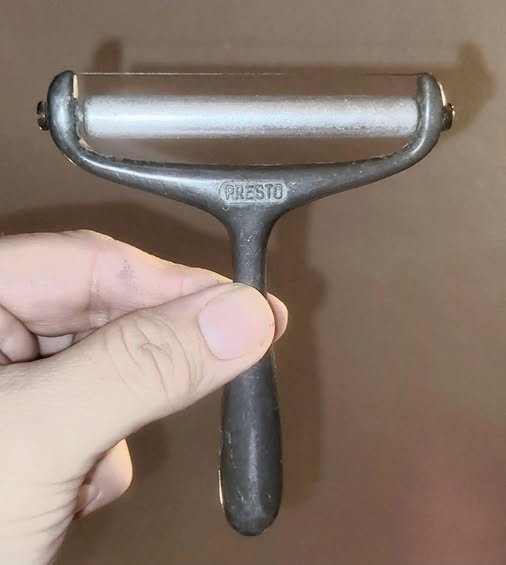
    Every now and then, someone discovers an object so unusual that even a quick internet search doesn’t provide an obvious answer. That is exactly what happened with this mysterious item, which has left people debating what it could possibly be. Viral “what is this?” posts often attract hundreds of guesses, ranging from forgotten household tools to obsolete kitchen gadgets and unusual pieces of equipment. In fact, a very similar viral mystery was eventually identified as a vintage aluminum cheese slicer, showing how unfamiliar older household objects can appear to modern eyes. Another widely shared mystery object was eventually recognized as an old-fashioned can opener, demonstrating how dramatically everyday tools have changed over generations.

    The difficulty is that appearance alone can be misleading. An old tool may have been designed for a very specific task that is no longer common today, while parts that once seemed obvious—such as a cutting wire, hook, clamp, or blade—may look completely mysterious when separated from their original context. Age, missing components, unusual materials, and unfamiliar manufacturing styles can make identification even harder. That’s why online communities often ask for additional clues such as where the object was found, its dimensions, markings, manufacturer names, moving parts, and photographs from several angles. A seemingly useless piece of metal may turn out to be a specialized kitchen utensil, gardening tool, sewing accessory, mechanical component, or household device from another era.

    So, before assuming that an unidentified object is something dangerous or bizarre, look for clues rather than relying on guesses. Check for engraved numbers, logos, patent markings, screws, hinges, blades, wires, or places where another component may have originally attached. A photograph next to a ruler or familiar object can also make identification much easier. And sometimes the funniest part of these mysteries is discovering that the strange object was actually something incredibly ordinary—just designed for a world where people used different tools every day. Disclaimer: Without seeing the actual object or having details about its size, material, markings, and location, its identity cannot be confirmed. The examples above demonstrate how similar viral mystery-object posts have been identified, but they do not establish what the specific object in your post is. Always verify an identification through reliable sources before using an unfamiliar object.

  • My Girlfriend Was Washing Her Hair When This Suddenly Fell Out — What Could It Be?

    My Girlfriend Was Washing Her Hair When This Suddenly Fell Out — What Could It Be?

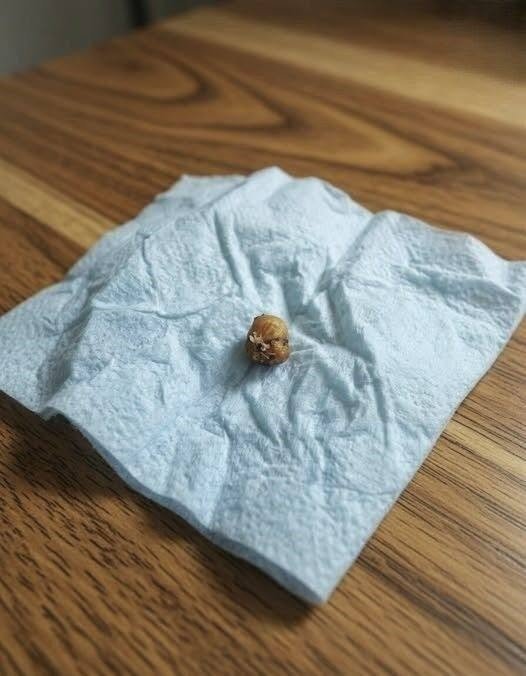
    Finding a strange object in someone’s hair can definitely be unsettling, especially when it appears unexpectedly during washing. If the object was about 1 cm long, several possibilities should be considered, and its exact appearance matters. Head lice themselves are usually much smaller—adult lice are approximately 2–3 mm long, around the size of a sesame seed—so a 1-cm object would be unusually large for a louse. (cdc.gov) It could instead be a piece of hair or keratin material, dried product residue, a strand wrapped in debris, or another harmless substance that became detached during washing. One possibility that is often mistaken for lice eggs is a hair cast, a small cylindrical keratin structure that surrounds the hair shaft and can sometimes detach easily. Hair casts are generally only a few millimeters long, however, so a genuinely 1-cm specimen would need closer examination. (pubmed.ncbi.nlm.nih.gov)

    Another possibility worth checking is head lice or their eggs, particularly if your girlfriend has scalp itching, a crawling sensation, or small objects firmly attached to individual hairs close to the scalp. Lice eggs (nits) are usually yellow, brown, or tan and are cemented tightly to the hair shaft; they do not simply fall away like dandruff. (aad.org) Importantly, finding one mysterious object does not prove that she has lice. The CDC says the best way to confirm an infestation is to find a live crawling louse, preferably by carefully examining wet hair with a fine-toothed lice comb. (cdc.gov) Avoid immediately applying strong insecticides or home remedies based solely on a mystery object.

    The easiest way to narrow it down is to take a clear close-up photograph of the object next to a ruler or coin for scale. Note whether it is moving, whether it has visible legs, whether it is hard or soft, and whether anything appears attached to it. If there are multiple similar objects in the hair, persistent scalp itching, sores, or visible crawling insects, a pharmacist, dermatologist, or other healthcare professional can examine the scalp and confirm whether treatment is necessary. Disclaimer: This article is for general educational and informational purposes only and does not provide a definitive identification or medical diagnosis. A written description alone is not enough to determine what the 1-cm object was. Always verify suspected lice or other scalp conditions through a qualified healthcare professional before beginning treatment.

  • We Went on Vacation for a Week and Came Back to This in the Bathroom

    We Went on Vacation for a Week and Came Back to This in the Bathroom

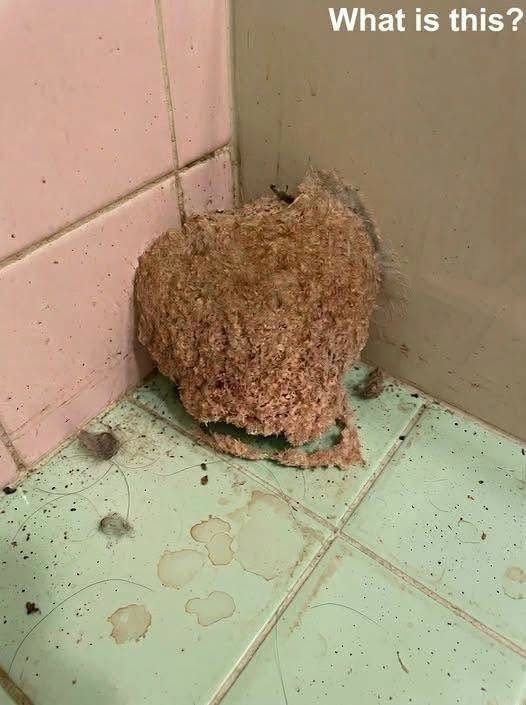
    Coming home after a week away and discovering something strange in the bathroom can be genuinely unsettling. If what you found looked like tiny worms, larvae, or small moving creatures, one of the most likely explanations is drain-fly (moth-fly) larvae. These insects commonly develop in the slimy organic material that builds up inside sink, shower, bathtub, and floor drains. Their larvae are small, legless, and worm-like, while the adult insects look like tiny fuzzy moths. Interestingly, returning from vacation can make this discovery more likely because drains, toilets, and other water-containing areas may remain unused for several days. University of Kentucky entomologists specifically note that drain flies are often noticed after people return from extended travel because stagnant water provides suitable conditions for development.

    If you noticed several of these creatures around a sink, shower, bathtub, or toilet, check the nearby drains first. Drain-fly larvae feed on decaying organic material and bacteria within the wet film that coats plumbing. Other possible breeding locations include sink overflow channels, drain traps, leaking pipes, and areas where water remains trapped. The good news is that drain flies are generally considered nuisance insects rather than dangerous household pests, and they do not bite or sting. Still, finding them repeatedly can indicate that moisture and organic buildup somewhere in the plumbing needs attention.

    The best solution is not simply killing the insects you can see—it is removing their breeding site. Thoroughly clean and scrub the inside of affected drains and remove accumulated slime or organic debris. Keeping drains clean and allowing areas to dry can help prevent them from returning. If the creatures continue appearing despite cleaning, inspect for hidden leaks or standing water, and consider having a plumber or pest-control professional investigate. If you have a photograph of what you found, especially a close-up showing its size, shape, and movement, identification can be much more accurate. Disclaimer: This article is for general educational and household information only. Without a photograph, the creature cannot be identified with certainty, and other larvae or insects can sometimes look similar. Always verify an identification through a reliable entomology or pest-control source before using chemical treatments.

  • What Does the M Mean on an RSVP Card?

    What Does the M Mean on an RSVP Card?

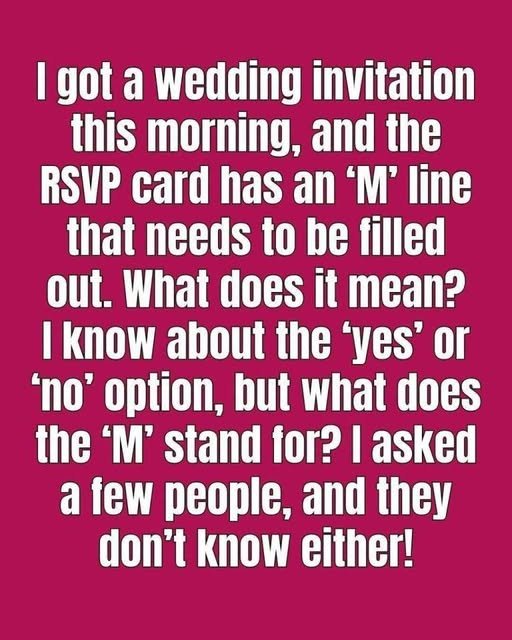
    If you’ve ever received a formal wedding invitation or event invitation, you may have noticed a small “M” printed before a blank line on the RSVP card. It can look confusing at first, especially if you’ve never filled out a traditional response card before. The “M” generally stands for the beginning of a person’s title, such as Mr., Mrs., Ms., or Miss. The guest is expected to complete the line with the appropriate title and name—for example, “Mr. John Smith” or “Ms. Sarah Smith.” This traditional format became common because formal invitations were historically designed around etiquette conventions and often expected guests to provide their names in a particular style.

    The reason the “M” appears instead of simply saying “Name” is largely historical and practical. The letter serves as a prompt for the guest’s honorific, while the rest of the line provides space to write the name. Depending on the invitation, the response might read something like “M________________,” with the guest filling in the appropriate title. Modern invitations sometimes adapt this convention by using “Name(s)” instead, which is more inclusive and easier to understand. Some hosts also customize the wording according to the formality and style of the event, so not every RSVP card will use the traditional “M” format.

    So, if you’re staring at an RSVP card wondering what that mysterious letter means, it’s usually not a secret code or a special requirement. It’s simply a traditional prompt asking for your title and name. If you’re completing one today, follow the wording on the card and provide the name or names of the guests attending. For a more modern invitation, you may see a straightforward “Name” field instead. Disclaimer: RSVP conventions can vary by country, culture, and event style, so the “M” format should be understood as a traditional invitation convention rather than a universal rule. When in doubt, follow the specific instructions provided by the event host.