Blog

  • Don’t Dismiss These Common Nighttime Symptoms—They May Deserve Attention

    Don’t Dismiss These Common Nighttime Symptoms—They May Deserve Attention

    Nighttime symptoms can sometimes seem minor, especially when they happen only occasionally, but recurring problems may deserve closer attention. Waking repeatedly to urinate, for example, becomes more common with age and can be influenced by fluid intake, hormonal changes, bladder conditions, or prostate problems. Other nighttime concerns can include persistent coughing, unusual sweating, heart palpitations, leg discomfort, headaches, or difficulty staying asleep. These symptoms do not automatically mean something serious is wrong, but their frequency, severity, and accompanying signs can provide useful information for a healthcare professional. Keeping a simple record of when symptoms occur, how long they last, and whether they are becoming more frequent can make medical discussions more productive. Rather than ignoring a recurring nighttime problem or assuming it is simply part of getting older, paying attention to changes can support earlier evaluation when appropriate.

    Some nighttime symptoms are particularly worth discussing with a doctor. Loud snoring accompanied by pauses in breathing or gasping during sleep can be associated with sleep apnea, while persistent daytime fatigue may also be a clue that nighttime sleep is being disrupted. Breathlessness that becomes worse when lying down, especially when accompanied by swollen ankles, should also receive medical attention because shortness of breath has many possible causes, including heart and lung conditions. Similarly, repeated nighttime urination that significantly disrupts sleep may sometimes indicate a treatable bladder or prostate problem. The key is not to self-diagnose from a symptom alone. A qualified healthcare professional can consider medical history, medications, lifestyle factors, and other symptoms before determining whether testing or treatment is appropriate.

    Certain nighttime symptoms require urgent medical attention rather than waiting until morning. Severe difficulty breathing, heavy or tight chest pain, pain spreading toward the arm, back, neck, or jaw, sudden confusion, or other signs of a potentially life-threatening emergency should be treated as an emergency. For less urgent but persistent symptoms, arranging a medical evaluation can help identify potentially treatable causes and improve sleep quality and overall wellness. Good sleep is an important part of healthy living, so repeatedly disrupted nights should not always be dismissed as normal aging. Disclaimer: This article is intended for general educational and informational purposes only and does not provide medical diagnosis, treatment, or individualized health advice. Nighttime symptoms can have many different causes, and the information presented here may be general or unauthenticated. Always verify important health information through reliable medical sources and consult a qualified healthcare professional about persistent, worsening, or concerning symptoms.


  • A Couple Both Suffered Strokes: Can Keeping These Foods Too Long Really Increase Blood-Clot Risk?

    A Couple Both Suffered Strokes: Can Keeping These Foods Too Long Really Increase Blood-Clot Risk?

    Claims that three specific foods sitting in the refrigerator for too long can directly increase the risk of blood clots or strokes should be treated cautiously. There is no reliable evidence that simply keeping ordinary foods refrigerated for an extended period automatically makes them clot-forming foods. What can happen, however, is that improperly stored food can become contaminated with harmful bacteria and cause foodborne illness. The U.S. Food and Drug Administration (FDA) recommends keeping refrigerators at 40°F (4°C) or below and refrigerating perishable foods, prepared meals, and leftovers within two hours. This is particularly important for older adults, who can face a higher risk of serious complications from foodborne illness. Therefore, rather than focusing on a sensational list of “three foods that cause blood clots,” the safer approach is to pay attention to proper refrigeration, freshness, preparation, and portion control.

    Three categories deserve extra attention when they have been stored for too long: cooked leftovers, refrigerated meat or poultry, and prepared dairy- or egg-based foods. These foods can support bacterial growth when they are improperly handled or kept beyond recommended storage periods. FDA guidance states that leftovers should generally be used within three to four days, while perishable foods should be refrigerated promptly. Foods that have an unusual appearance, damaged packaging, questionable storage history, or prolonged exposure to unsafe temperatures are better discarded. Importantly, throwing out old food is a food-safety precaution, not proof that the food itself would otherwise create a blood clot. Blood clots and strokes involve complex medical risk factors, and food-storage claims should not replace established medical guidance. If someone has already experienced a stroke or has been advised to manage cardiovascular risk, their diet should be discussed with a qualified healthcare professional rather than changed according to viral health headlines.

    The practical lesson is simple: when in doubt, throw it out. Keep your refrigerator properly chilled, store foods in covered containers, separate raw meat from ready-to-eat foods, and avoid eating leftovers that have been sitting in the refrigerator beyond recommended periods. These habits can reduce the risk of foodborne illness and support a safer household food environment. For people concerned about stroke prevention, more important long-term factors include following medical advice, managing blood pressure and other established cardiovascular risks, maintaining a balanced diet, and taking prescribed medications correctly. Disclaimer: This article is for general educational and informational purposes only and does not provide medical diagnosis, treatment, or individualized dietary advice. The headline’s claim about specific refrigerated foods increasing blood-clot risk is not established by the sources reviewed here and should not be treated as a medical fact. Some online health information may be general, exaggerated, or unauthenticated; always verify important claims through reliable medical sources and consult a qualified healthcare professional for personal advice.

  • Those Lines on Your Nails May Not Be Random—Especially If You’re Over 40

    Those Lines on Your Nails May Not Be Random—Especially If You’re Over 40

    Nail lines and ridges can become more noticeable with age, and for many people over 40, they may simply reflect normal changes in the nail. As nails grow, the production of new nail cells can gradually slow, sometimes creating vertical ridges that run from the cuticle toward the tip. These ridges are often harmless, particularly when they appear gradually and affect several nails in a similar way. Nails can also become drier or more brittle over time, making their texture easier to notice. Everyday factors such as repeated hand washing, exposure to cleaning products, minor trauma, or changes in nail care can also influence the appearance of the nail surface. Because nails are visible and easy to monitor, changes can understandably attract attention, but a line or ridge alone does not automatically indicate a serious health problem.

    However, not every nail change should be ignored. Horizontal grooves, sometimes called Beau’s lines, can occur when nail growth is temporarily interrupted. They may develop after certain illnesses, significant physical stress, injury, or other underlying conditions. A dark or unusual streak under a single nail can have many possible causes, including trauma or pigmentation, but some changes require professional assessment to rule out more serious conditions. Similarly, nails that suddenly change color, become unusually thick or distorted, separate from the nail bed, or develop persistent pain or swelling deserve attention. The important point is that nail appearance cannot reliably diagnose a medical condition by itself. If a new or unusual line appears suddenly, continues to change, affects only one nail, or is accompanied by other symptoms, consulting a qualified healthcare professional or dermatologist is a sensible step.

    For adults over 40, the best approach is to monitor nail health without unnecessary alarm. Keeping nails clean and moisturized, protecting hands from harsh chemicals, avoiding aggressive manicures, and maintaining a balanced diet can support normal nail growth. It is also useful to compare new changes with older photographs if you regularly take pictures of your hands, as gradual differences can otherwise be difficult to remember. If you notice a persistent dark streak, significant change in nail structure, unexplained pain, or a rapidly developing abnormality, professional evaluation is more appropriate than relying on online explanations or self-diagnosis. Disclaimer: This article is intended for general educational and informational purposes only. Nail changes can have many different causes, and the information provided here should not be considered a diagnosis or medical advice. Some information may be general or unauthenticated and should be verified through reliable medical sources. If you are concerned about a new, persistent, or changing nail abnormality, consult a qualified healthcare professional for an appropriate evaluation.

  • Those Lines on Your Nails May Not Be Random—Especially If You’re Over 40

    Nail lines and ridges can become more noticeable with age, and for many people over 40, they may simply reflect normal changes in the nail. As nails grow, the production of new nail cells can gradually slow, sometimes creating vertical ridges that run from the cuticle toward the tip. These ridges are often harmless, particularly when they appear gradually and affect several nails in a similar way. Nails can also become drier or more brittle over time, making their texture easier to notice. Everyday factors such as repeated hand washing, exposure to cleaning products, minor trauma, or changes in nail care can also influence the appearance of the nail surface. Because nails are visible and easy to monitor, changes can understandably attract attention, but a line or ridge alone does not automatically indicate a serious health problem.

    However, not every nail change should be ignored. Horizontal grooves, sometimes called Beau’s lines, can occur when nail growth is temporarily interrupted. They may develop after certain illnesses, significant physical stress, injury, or other underlying conditions. A dark or unusual streak under a single nail can have many possible causes, including trauma or pigmentation, but some changes require professional assessment to rule out more serious conditions. Similarly, nails that suddenly change color, become unusually thick or distorted, separate from the nail bed, or develop persistent pain or swelling deserve attention. The important point is that nail appearance cannot reliably diagnose a medical condition by itself. If a new or unusual line appears suddenly, continues to change, affects only one nail, or is accompanied by other symptoms, consulting a qualified healthcare professional or dermatologist is a sensible step.

    For adults over 40, the best approach is to monitor nail health without unnecessary alarm. Keeping nails clean and moisturized, protecting hands from harsh chemicals, avoiding aggressive manicures, and maintaining a balanced diet can support normal nail growth. It is also useful to compare new changes with older photographs if you regularly take pictures of your hands, as gradual differences can otherwise be difficult to remember. If you notice a persistent dark streak, significant change in nail structure, unexplained pain, or a rapidly developing abnormality, professional evaluation is more appropriate than relying on online explanations or self-diagnosis. Disclaimer: This article is intended for general educational and informational purposes only. Nail changes can have many different causes, and the information provided here should not be considered a diagnosis or medical advice. Some information may be general or unauthenticated and should be verified through reliable medical sources. If you are concerned about a new, persistent, or changing nail abnormality, consult a qualified healthcare professional for an appropriate evaluation.

  • Over 60 and Eating Bananas Daily? Here’s What Experts Say Could Happen

    Over 60 and Eating Bananas Daily? Here’s What Experts Say Could Happen

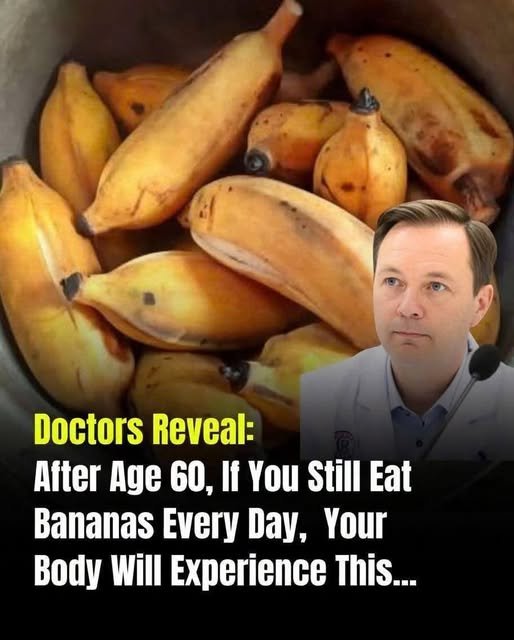
    For adults over 60, eating a banana every day can be a convenient way to add important nutrients to a balanced diet. Bananas provide potassium, fiber, vitamin B6, and natural carbohydrates, making them a practical snack for supporting everyday energy and healthy nutrition. The National Institutes of Health notes that a medium banana contains roughly 420 mg of potassium, although one banana alone does not provide all the potassium an adult needs. For older adults, the bigger picture matters: maintaining a varied, nutrient-dense diet is generally more valuable than relying heavily on one food. A banana can fit comfortably into many healthy eating patterns and may be especially convenient for people looking for an affordable, naturally sweet alternative to highly processed snacks. However, individual nutritional requirements can vary significantly with age, medications, activity level, and existing health conditions.

    One important consideration is kidney health. Healthy kidneys help maintain appropriate potassium levels in the blood, but reduced kidney function can make it harder for the body to remove excess potassium. The National Institute of Diabetes and Digestive and Kidney Diseases advises people with kidney failure or those undergoing hemodialysis to pay particular attention to potassium-rich foods, including bananas. Therefore, someone over 60 with chronic kidney disease should not automatically assume that eating bananas daily is appropriate; their healthcare professional may recommend a specific potassium intake based on kidney function and blood-test results. For otherwise healthy adults, however, a daily banana is not inherently dangerous simply because someone is over 60. Portion size and the overall diet remain important factors.

    Ultimately, bananas can be part of a healthy aging and wellness strategy, but they should be viewed as one component of a balanced diet rather than a miracle food. Pairing fruit with other nutrient-rich foods can help create greater dietary variety, while excessive reliance on any single food may leave nutritional gaps. Older adults who take medications or have kidney, heart, blood-sugar, or other chronic health concerns should discuss dietary changes with a qualified doctor or registered dietitian, particularly if they have been advised to monitor potassium. The goal is not to fear bananas, but to choose portions and foods that fit an individual’s nutritional needs. Disclaimer: This article is for general informational and educational purposes only. It does not constitute medical advice, diagnosis, or treatment, and individual results may vary. Health and nutrition information can change, and some claims may be general or unauthenticated; therefore, readers should verify important information with reliable medical sources and consult a qualified healthcare professional before making significant dietary changes.

  • Global Warming

    Global Warming

    Global warming is one of the most serious environmental challenges facing the world today. It refers to the long-term increase in Earth’s average temperature, mainly caused by human activities. The burning of fossil fuels such as coal, oil, and natural gas releases greenhouse gases, especially carbon dioxide, into the atmosphere. These gases trap heat and create the greenhouse effect, causing the planet to become warmer. Other activities, including deforestation, industrial production, and certain farming practices, also contribute to the problem. Although Earth’s climate has changed naturally throughout history, the rapid warming observed in recent decades is strongly linked to human activities. Global warming is not only an environmental issue but also a social and economic challenge that affects people and communities around the world.

    The effects of global warming can already be seen in many parts of the world. Rising temperatures contribute to melting glaciers and ice sheets, which cause sea levels to rise and threaten coastal communities. Warmer conditions can also increase the frequency or intensity of certain extreme weather events, including heatwaves, droughts, heavy rainfall, and storms. Changes in temperature and rainfall can damage crops, reduce water availability, and affect food security. Wildlife is also at risk because many species struggle to adapt to rapidly changing habitats and ecosystems. Coral reefs, forests, oceans, and other natural environments can suffer from increasing temperatures and changing conditions. Human health may also be affected through heat-related illnesses, air pollution, the spread of some diseases, and problems caused by extreme weather. These impacts demonstrate why addressing global warming is important for both present and future generations.

    Reducing global warming requires cooperation between individuals, communities, businesses, and governments. Countries can reduce greenhouse-gas emissions by investing in renewable energy sources such as solar and wind power, improving energy efficiency, protecting forests, and developing cleaner transportation systems. Individuals can also contribute by saving electricity, reducing unnecessary consumption, using public transportation when possible, recycling, and supporting environmentally responsible choices. Education and international cooperation are essential because climate change crosses national borders and cannot be solved by one country alone. Governments can establish policies that encourage clean energy and sustainable development while helping vulnerable communities adapt to climate-related changes. Although global warming is a major challenge, practical action can reduce its risks. By making responsible choices today and working together, society can help protect the environment, support future generations, and create a cleaner and more sustainable world.

    Disclaimer: This article is intended for general educational purposes only. It provides a brief overview of global warming and should not be considered a comprehensive scientific or policy analysis. For detailed and up-to-date information, readers should consult reliable scientific institutions, climate researchers, and official environmental organizations.

  • oudwhhoqdwhhd

    doihjaoidjoidoidoihhdpiwidiwdihhdwoihiewqhdiewqd cbqobcou

  • Hello world!

    Welcome to WordPress. This is your first post. Edit or delete it, then start writing!