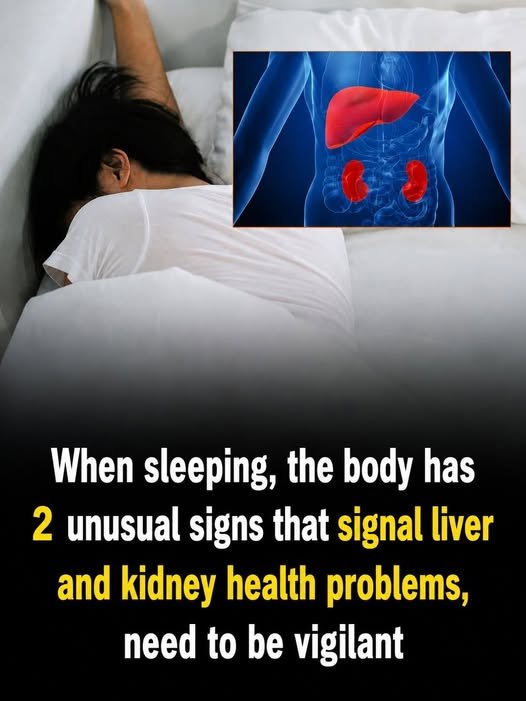
Nighttime symptoms can sometimes seem minor, especially when they happen only occasionally, but recurring problems may deserve closer attention. Waking repeatedly to urinate, for example, becomes more common with age and can be influenced by fluid intake, hormonal changes, bladder conditions, or prostate problems. Other nighttime concerns can include persistent coughing, unusual sweating, heart palpitations, leg discomfort, headaches, or difficulty staying asleep. These symptoms do not automatically mean something serious is wrong, but their frequency, severity, and accompanying signs can provide useful information for a healthcare professional. Keeping a simple record of when symptoms occur, how long they last, and whether they are becoming more frequent can make medical discussions more productive. Rather than ignoring a recurring nighttime problem or assuming it is simply part of getting older, paying attention to changes can support earlier evaluation when appropriate.
Some nighttime symptoms are particularly worth discussing with a doctor. Loud snoring accompanied by pauses in breathing or gasping during sleep can be associated with sleep apnea, while persistent daytime fatigue may also be a clue that nighttime sleep is being disrupted. Breathlessness that becomes worse when lying down, especially when accompanied by swollen ankles, should also receive medical attention because shortness of breath has many possible causes, including heart and lung conditions. Similarly, repeated nighttime urination that significantly disrupts sleep may sometimes indicate a treatable bladder or prostate problem. The key is not to self-diagnose from a symptom alone. A qualified healthcare professional can consider medical history, medications, lifestyle factors, and other symptoms before determining whether testing or treatment is appropriate.
Certain nighttime symptoms require urgent medical attention rather than waiting until morning. Severe difficulty breathing, heavy or tight chest pain, pain spreading toward the arm, back, neck, or jaw, sudden confusion, or other signs of a potentially life-threatening emergency should be treated as an emergency. For less urgent but persistent symptoms, arranging a medical evaluation can help identify potentially treatable causes and improve sleep quality and overall wellness. Good sleep is an important part of healthy living, so repeatedly disrupted nights should not always be dismissed as normal aging. Disclaimer: This article is intended for general educational and informational purposes only and does not provide medical diagnosis, treatment, or individualized health advice. Nighttime symptoms can have many different causes, and the information presented here may be general or unauthenticated. Always verify important health information through reliable medical sources and consult a qualified healthcare professional about persistent, worsening, or concerning symptoms.
Leave a Reply