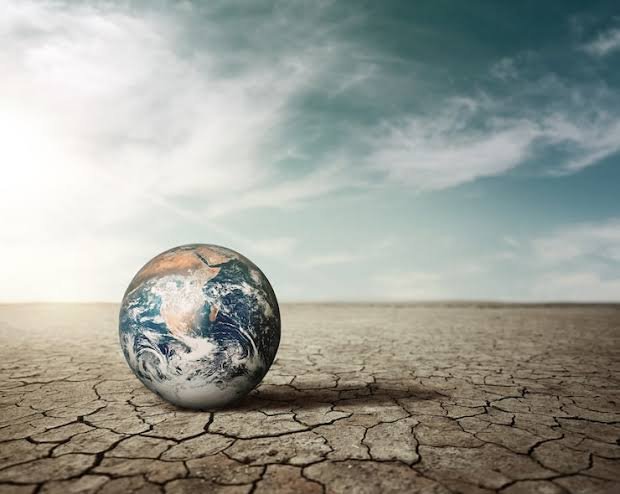
Global warming is one of the most serious environmental challenges facing the world today. It refers to the long-term increase in Earth’s average temperature, mainly caused by human activities. The burning of fossil fuels such as coal, oil, and natural gas releases greenhouse gases, especially carbon dioxide, into the atmosphere. These gases trap heat and create the greenhouse effect, causing the planet to become warmer. Other activities, including deforestation, industrial production, and certain farming practices, also contribute to the problem. Although Earth’s climate has changed naturally throughout history, the rapid warming observed in recent decades is strongly linked to human activities. Global warming is not only an environmental issue but also a social and economic challenge that affects people and communities around the world.
The effects of global warming can already be seen in many parts of the world. Rising temperatures contribute to melting glaciers and ice sheets, which cause sea levels to rise and threaten coastal communities. Warmer conditions can also increase the frequency or intensity of certain extreme weather events, including heatwaves, droughts, heavy rainfall, and storms. Changes in temperature and rainfall can damage crops, reduce water availability, and affect food security. Wildlife is also at risk because many species struggle to adapt to rapidly changing habitats and ecosystems. Coral reefs, forests, oceans, and other natural environments can suffer from increasing temperatures and changing conditions. Human health may also be affected through heat-related illnesses, air pollution, the spread of some diseases, and problems caused by extreme weather. These impacts demonstrate why addressing global warming is important for both present and future generations.
Reducing global warming requires cooperation between individuals, communities, businesses, and governments. Countries can reduce greenhouse-gas emissions by investing in renewable energy sources such as solar and wind power, improving energy efficiency, protecting forests, and developing cleaner transportation systems. Individuals can also contribute by saving electricity, reducing unnecessary consumption, using public transportation when possible, recycling, and supporting environmentally responsible choices. Education and international cooperation are essential because climate change crosses national borders and cannot be solved by one country alone. Governments can establish policies that encourage clean energy and sustainable development while helping vulnerable communities adapt to climate-related changes. Although global warming is a major challenge, practical action can reduce its risks. By making responsible choices today and working together, society can help protect the environment, support future generations, and create a cleaner and more sustainable world.
Disclaimer: This article is intended for general educational purposes only. It provides a brief overview of global warming and should not be considered a comprehensive scientific or policy analysis. For detailed and up-to-date information, readers should consult reliable scientific institutions, climate researchers, and official environmental organizations.
Leave a Reply