Blog

  • Found in My Grandfather’s Dusty Drawer: What Is This Small Brass Object?

    Found in My Grandfather’s Dusty Drawer: What Is This Small Brass Object?

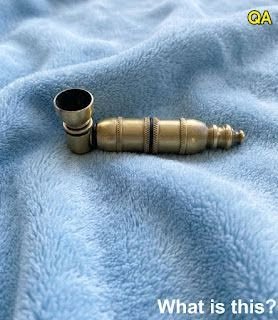
    Finding a small brass object hidden in a grandfather’s old drawer can feel like discovering a tiny piece of history. Brass was widely used for practical household items, tools, hardware, instruments, decorative fittings, and personal accessories, so its appearance alone isn’t enough to identify the object. The size, shape, moving parts, markings, and signs of wear are much more important clues. Antique-identification specialists recommend examining construction details, casting seams, patina, fasteners, and maker’s marks rather than relying only on the object’s color or apparent age.

    The most interesting clue may be hidden on the underside or back. Older brass objects can carry maker’s names, initials, registration numbers, patent information, or other markings in places that aren’t immediately visible. A magnet can also provide a preliminary clue: solid brass is normally non-magnetic, although an antique object can contain steel screws, pins, or other components. Natural wear can be informative too—areas frequently handled may become brighter while recessed sections retain darker patina. These details can help distinguish an old functional object from a later reproduction.

    Without seeing the actual object, however, it’s impossible to identify it confidently. It could be an old piece of furniture hardware, a small tool, part of a household instrument, or a collectible object whose purpose is no longer obvious. A clear photograph showing the front, back, sides, and any markings—preferably with a ruler or coin beside it—would make identification much easier. Don’t polish it aggressively before taking photographs, because original patina and faint markings can provide valuable evidence about its history. Disclaimer: This article is based on the description provided and does not establish the object’s exact identity, age, origin, or value. Any appraisal or historical identification should be verified by comparing the object with documented examples or consulting a qualified antiques specialist.
  • If You Notice These Signs on Your Body, Don’t Wait to See a Doctor

    If You Notice These Signs on Your Body, Don’t Wait to See a Doctor

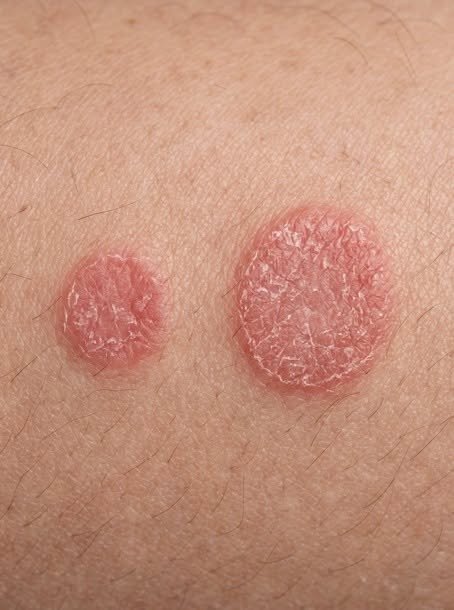
    Our bodies constantly give us signals, and many changes are harmless, temporary, or related to everyday factors such as stress, aging, diet, or minor infections. However, some unusual or persistent symptoms deserve professional attention. Warning signs can include a new or unexplained lump, unusual bleeding, a sore that does not heal, unexplained weight loss, persistent fever, significant changes in bowel or bladder habits, or a sudden change in an existing mole or skin lesion. These symptoms do not automatically mean that something serious is wrong, but they are worth discussing with a qualified healthcare professional, particularly when they persist, worsen, or occur alongside other concerning changes.

    Certain symptoms require more urgent attention. Sudden weakness or numbness on one side of the body, difficulty speaking, severe chest pain, serious breathing difficulty, fainting, or sudden confusion can indicate a medical emergency and should not be ignored. Likewise, unexplained swelling, severe pain, or a rapidly worsening condition should be assessed promptly. The key is to consider the whole pattern rather than one isolated symptom. A symptom can have dozens of possible causes, and only an appropriate medical evaluation can determine what is actually happening. Searching for a diagnosis online may provide possibilities, but it cannot replace examination, testing, or professional medical judgment.

    Paying attention to changes in your body doesn’t mean becoming frightened by every unusual sensation. Instead, it means knowing when something is different from your normal condition and taking persistent or concerning changes seriously. Keeping track of when a symptom started, how often it occurs, and whether it is getting better or worse can also help a doctor understand the situation. Disclaimer: This article provides general educational information and is not a diagnosis or substitute for medical advice. The signs mentioned can have many different causes, including harmless conditions, and their significance depends on the individual. If you experience a severe, sudden, or persistent symptom, seek appropriate medical care and verify health information through qualified healthcare professionals and reliable medical sources.

  • To Be Very Careful: If You Get This, You May Be Infected With…

    To Be Very Careful: If You Get This, You May Be Infected With…

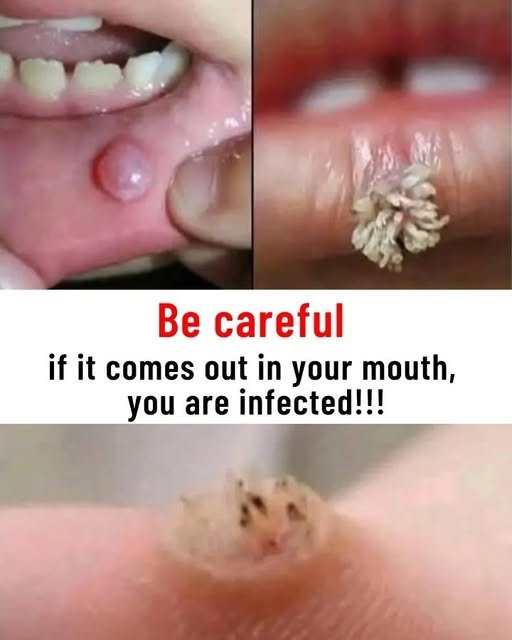
    A headline warning that “if you get this, you are infected with…” can sound frightening, but one symptom or physical sign rarely proves that someone has a particular infection. Many symptoms—such as fever, fatigue, headache, rash, coughing, stomach discomfort, or swollen glands—can occur with numerous illnesses as well as noninfectious conditions. Even symptoms commonly associated with a particular virus or bacteria may have other explanations. That’s why doctors generally consider the full symptom pattern, medical history, exposure risk, physical examination, and, when appropriate, laboratory testing before making a diagnosis.

    Some infections can cause symptoms that deserve prompt medical attention. Seek professional care if you develop a persistent high fever, difficulty breathing, severe dehydration, confusion, rapidly spreading rash, unusual bleeding, severe pain, or symptoms that are rapidly worsening. However, viral social-media posts often remove the context and make a common symptom sound like a guaranteed diagnosis. The safest approach is not to self-diagnose from a photograph, headline, or isolated symptom. If you believe you have been exposed to an infectious illness, tell a healthcare professional when the exposure occurred and describe exactly what symptoms you’ve developed.

    The missing words in the headline are especially important because they could refer to anything from a minor skin change to a serious medical symptom. Without knowing what “this” refers to, no specific infection can responsibly be identified. A clear photograph or the complete original headline would make it possible to explain what the claim is actually referring to and whether it has medical evidence behind it. Disclaimer: This article is for general educational purposes and is not a diagnosis or medical advice. An isolated symptom or physical sign cannot reliably establish that someone is infected. Any suspected infection should be evaluated and confirmed through a qualified healthcare professional and appropriate medical testing.

  • If You Have Visible Veins, It Means You Are…

    If You Have Visible Veins, It Means You Are…

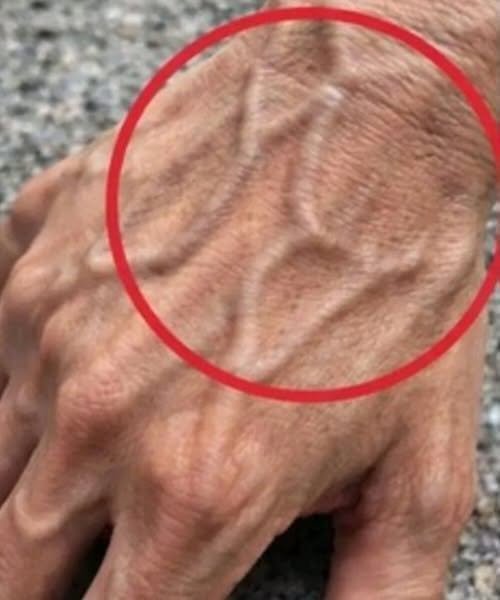
    If the veins on your hands, arms, legs, or feet are clearly visible, it doesn’t automatically mean something is wrong. For many people, prominent veins are simply a normal feature of their anatomy. Veins can become more noticeable when a person has naturally thin skin, lower body fat, develops more muscle, becomes dehydrated, exercises, or is exposed to heat. Aging can also make veins easier to see because skin gradually becomes thinner and loses some of its elasticity. Genetics plays a major role as well, so two healthy people can have very different-looking veins.

    Visible veins can sometimes become more prominent temporarily after exercise or physical activity because blood flow increases and muscles expand. They may also stand out more in warm weather as blood vessels widen. On the legs, however, enlarged, twisted, or bulging veins can sometimes be associated with varicose veins, particularly when accompanied by aching, heaviness, itching, or swelling. A sudden change—especially a vein that becomes painful, red, warm, hard, or associated with significant swelling—should not simply be dismissed as a cosmetic issue and deserves medical attention.

    Most importantly, visible veins alone are not a reliable sign of cancer, heart disease, or another serious illness. Viral headlines sometimes connect ordinary physical features with frightening diagnoses because dramatic claims attract attention, but one visible characteristic cannot establish a medical condition. If your veins have always been noticeable and you feel well, they may simply be part of your normal appearance. If they have suddenly changed or are accompanied by persistent swelling, pain, skin discoloration, shortness of breath, or other concerning symptoms, consult a qualified healthcare professional. Disclaimer: This article provides general educational information and is not a diagnosis or medical advice. Visible veins can have many harmless and medical causes, so unusual or persistent changes should be evaluated by a healthcare professional and verified through reliable medical sources.

  • If You Notice Your Legs Are Swollen, Is That a Sign of Cancer?

    If You Notice Your Legs Are Swollen, Is That a Sign of Cancer?

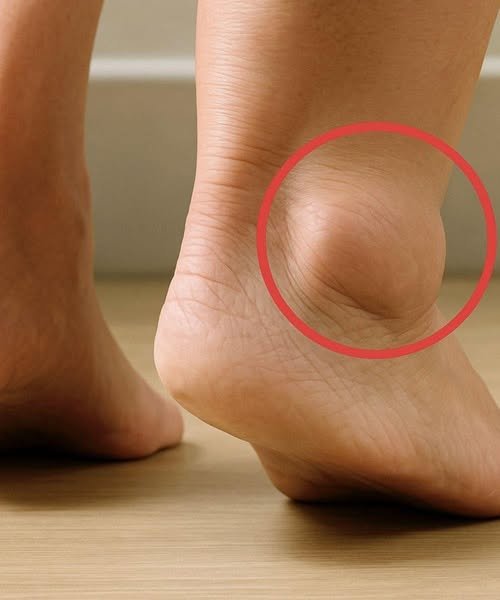
    Swollen legs can understandably cause concern, especially when a viral headline suggests that swelling is automatically a sign of cancer. In reality, leg swelling has many possible causes, and cancer is only one of them. Swelling, medically known as edema, can occur when excess fluid collects in the tissues. Common causes include standing or sitting for long periods, certain medications, vein problems, injury, and conditions affecting the heart, kidneys, or liver. Sometimes swelling affects both legs, while other causes may produce swelling mainly on one side. Therefore, noticing swollen legs by itself does not provide enough information to conclude that someone has cancer.

    There are circumstances in which unexplained or persistent swelling deserves medical attention. Some cancers can cause swelling indirectly, for example when a tumor or enlarged lymph node interferes with normal lymphatic drainage or blood flow. Cancer treatments can also contribute to edema. However, swelling is not a specific cancer symptom, and many non-cancerous conditions are considerably more common explanations. Sudden swelling in one leg, particularly when accompanied by pain, warmth, redness, or tenderness, can sometimes indicate a blood clot and should be assessed promptly. Likewise, swelling accompanied by difficulty breathing or chest pain requires urgent medical evaluation rather than waiting to see whether it disappears.

    The most important thing is to look at the whole pattern of symptoms and how quickly the swelling developed. If your legs have recently become persistently swollen without an obvious explanation, arranging an evaluation with a healthcare professional is a sensible step. A doctor can review your medical history, medications, symptoms, and circulation and determine whether testing is necessary. Avoid assuming that an alarming social-media headline provides a diagnosis. Disclaimer: This article is for general educational purposes and is not medical advice. Swollen legs can have numerous causes and do not, by themselves, establish the presence of cancer. Sudden, severe, painful, or unexplained swelling should be evaluated by a qualified healthcare professional, and any cancer-related claims should be verified through reliable medical sources.

  • The Hardest Time of Life Is Between 70 and 75 — Here Are 5 Reasons Why

    The Hardest Time of Life Is Between 70 and 75 — Here Are 5 Reasons Why

    The years between 70 and 75 can represent a significant period of transition, but it is not accurate to say that this is universally the hardest time of life. Everyone ages differently, and many people experience their seventies as a rewarding stage filled with family, travel, hobbies, volunteering, and new experiences. Nevertheless, several challenges can become more noticeable during this period. One is the gradual change in physical strength and mobility, which may make activities that were once effortless require more planning. Regular movement, balanced nutrition, adequate sleep, and routine medical care can help older adults maintain independence and quality of life.

    A second challenge is the changing nature of work and retirement. Leaving a career can provide more freedom, but it can also remove routines, social connections, and a sense of purpose that someone had for decades. Third, friendships and family relationships may change as people move, retire, become caregivers, or experience the loss of loved ones. Fourth, financial concerns can become more important because retirement savings and fixed income may need to support many years of living expenses. Finally, health-management can become more complicated as people may need more regular checkups, medications, screenings, or assistance with daily activities. None of these experiences is inevitable, but they are common reasons why some people find the early seventies challenging.

    The good news is that turning 70 does not mean life becomes smaller or less meaningful. Maintaining close relationships, staying physically and mentally active, learning new skills, protecting financial security, and seeking help when necessary can make a major difference. People who enter their seventies with supportive social networks and meaningful routines may find this stage deeply fulfilling. Rather than viewing 70–75 as a predetermined “hardest” period, it is more useful to recognize it as a stage that can bring both challenges and opportunities. Disclaimer: This article provides general information about aging and does not establish that ages 70–75 are objectively the hardest years of life. Individual experiences vary greatly, and health, financial, emotional, and lifestyle concerns should be discussed with appropriate qualified professionals and verified through reliable sources.

  • My Grandpa Saw This Sticker and Took a Picture — What Is It?

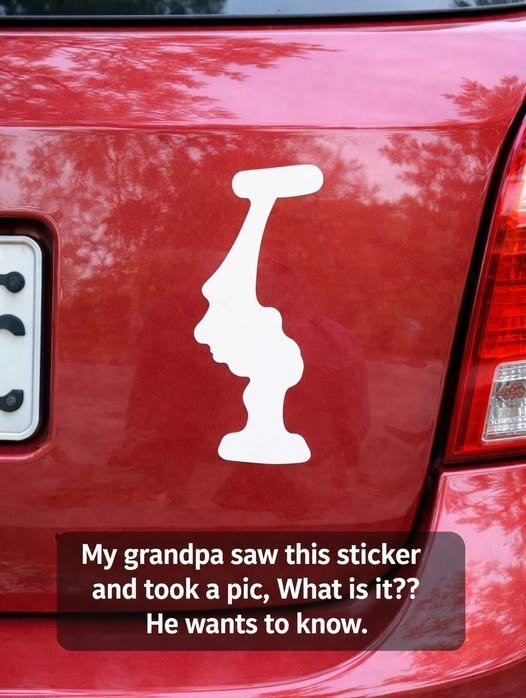
    My Grandpa Saw This Sticker and Took a Picture — What Is It?

    A strange sticker can be surprisingly difficult to identify because the same basic symbol can have completely different meanings depending on where it appears. Stickers may be used for branding, identification, political or cultural expression, decoration, safety information, or simply personal interests. A small logo on a vehicle, window, package, wall, or piece of equipment could therefore represent anything from a company or organization to a hobby, event, location, or older product. That’s why the photograph itself is the most important clue when someone asks, “What is this?”

    If your grandpa photographed an unfamiliar sticker, look closely for letters, numbers, unusual shapes, colors, animals, flags, symbols, or small writing around the main design. The location is also extremely useful: a sticker on a car may identify a club, place, organization, or personal interest, while one on a household object could be a manufacturer’s label or instruction. Some vintage stickers are especially difficult to recognize because their designs and companies may no longer exist. There are even specialist collectors who document obscure stickers from past decades, including designs produced during the 1980s.

    The best way to solve the mystery is simple: upload the photograph your grandpa took. A clear, close-up image of the sticker—preferably with the surrounding object visible—could provide enough information to identify the logo, symbol, brand, or historical meaning. If there is tiny text, take a second close-up because even a few letters can completely change the search. And don’t assume that a mysterious symbol is automatically a secret warning or criminal marking; such claims are frequently exaggerated online, and the meaning of an unfamiliar mark needs to be established from evidence and context. Disclaimer: The sticker itself was not included with your message, so its identity cannot be reliably determined from the description alone. Upload the photo and I can help narrow down exactly what it is and what it means.

  • I Came Home and Found This Near My Bed — Does Anyone Know What It Is?

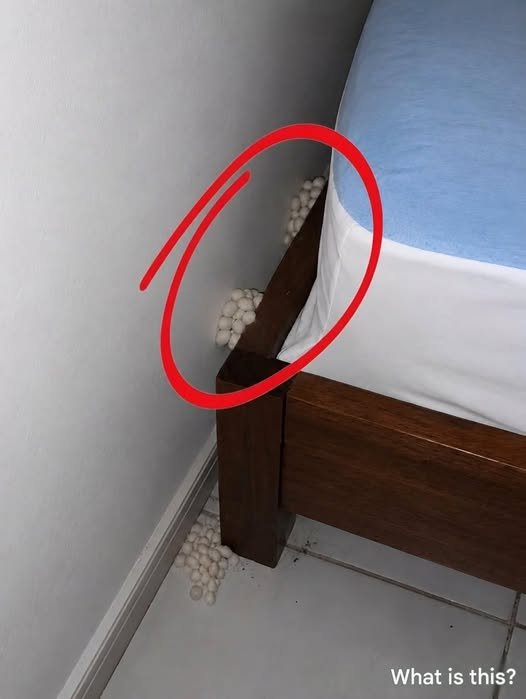
    I Came Home and Found This Near My Bed — Does Anyone Know What It Is?

    Coming home after a long day and discovering a strange object near your bed would be enough to make almost anyone stop and stare. When something looks unfamiliar—especially in a dark bedroom—the brain can quickly turn an ordinary object into something much more frightening. If the mysterious item is actually an insect, shed skin, cocoon, or other biological material, its appearance may be completely different from what you’d expect. Bedrooms can occasionally attract a variety of small household pests, including carpet beetles, fleas, spiders, and bed bugs, so identifying the object correctly is important before assuming the worst. Experts recommend using physical characteristics and the location where something was discovered rather than relying on a quick visual impression.

    If the discovery looks insect-related, don’t immediately spray chemicals or throw away your bedding. First, take a clear photograph and look carefully at its shape, size, color, number of legs, wings, and whether it appears alive or is simply an empty shell. If you suspect bed bugs, inspect mattress seams, the bed frame, headboard, and nearby cracks for live insects, tiny pale eggs or shed skins, and dark spotting. The U.S. Environmental Protection Agency notes that bites alone are not a reliable way to confirm bed bugs because they can resemble other bites and some people don’t react to them at all. A single unexplained object therefore isn’t enough to establish an infestation.

    The mystery may ultimately have a surprisingly harmless explanation—perhaps a shed insect casing, dried cocoon, piece of plant material, or an ordinary household object that simply looks strange in the wrong setting. That’s why a photograph is the most useful next step. Place a ruler or coin beside it for scale and photograph it in good lighting from several angles. If you share the image, the shape and details can be examined much more accurately and the possibilities narrowed down. Disclaimer: The object itself was not included with the description, so its identity cannot be reliably determined from the text alone. The possibilities mentioned above are general examples, not a diagnosis or confirmed identification. If you suspect a pest infestation, verify the identification through a qualified pest professional or reliable extension service before using treatments.

  • If You Always Sleep on Your Right Side, You Should Know This

    If You Always Sleep on Your Right Side, You Should Know This

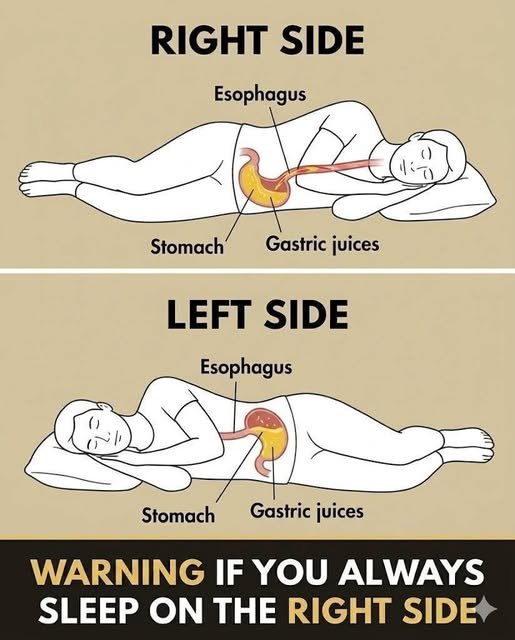
    If you naturally sleep on your right side every night, you may have wondered whether this habit has any effect on your health. Side sleeping is generally a normal and healthy sleeping position, and there isn’t a universal rule saying that everyone should sleep on one particular side. Your preferred position can be influenced by comfort, body shape, mattress support, and personal habit. For many people, sleeping on the side can help maintain a comfortable airway and may reduce snoring compared with sleeping flat on the back. The important question is usually not whether you sleep on your right side, but whether you wake feeling rested and free from persistent discomfort.

    There are, however, situations where sleeping position can matter. Some people with acid reflux or heartburn may find that sleeping on the left side is more comfortable because research has found that right-side sleeping can worsen nighttime reflux in certain individuals. Pregnant people are also often given specific positional advice by their healthcare providers, particularly later in pregnancy. Meanwhile, anyone experiencing shoulder, hip, neck, or back pain may benefit from adjusting their pillow or mattress support rather than simply forcing themselves to sleep on the opposite side. A pillow between the knees and a supportive pillow under the head can sometimes help keep the spine in a more comfortable position.

    So if you’ve always slept on your right side, there is no reason to panic simply because of that habit. If you sleep comfortably, wake refreshed, and don’t experience persistent symptoms, your preferred position may simply be what works best for you. If you regularly wake with severe pain, frequent heartburn, breathing problems, choking sensations, or significant daytime sleepiness, it’s worth discussing those symptoms with a qualified healthcare professional rather than relying on viral sleep-health claims. Disclaimer: This article provides general educational information and does not diagnose or treat any medical condition. Sleep-position recommendations can vary depending on an individual’s health and circumstances, so persistent or concerning symptoms should be evaluated by a qualified healthcare professional and verified through reliable medical sources.

  • What Does This Sign That Everyone Makes Mean? It May Have a Deeper Meaning

    What Does This Sign That Everyone Makes Mean? It May Have a Deeper Meaning

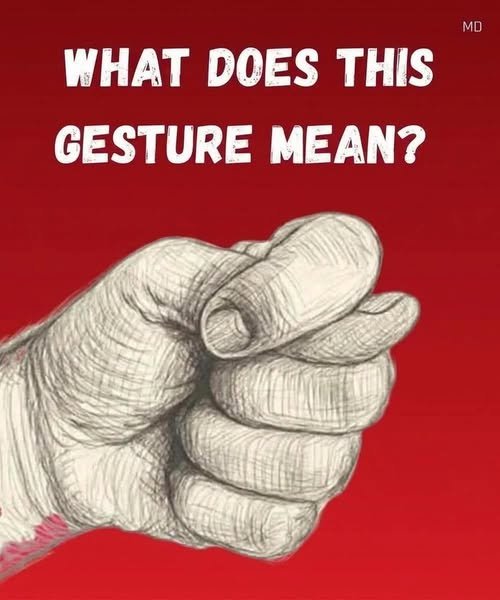
    Hand gestures are among the most fascinating forms of nonverbal communication because a simple movement can mean completely different things depending on the culture, situation, and people involved. A sign made with the fingers might represent approval, agreement, friendship, celebration, a religious or cultural tradition, or simply become a popular pose for photographs. Social media has also turned many gestures into recognizable symbols that people copy without necessarily knowing where they originated. That’s why a gesture that looks ordinary can sometimes have a surprisingly long history or carry a meaning that goes far beyond what appears on the surface.

    The important thing is that there is no universal meaning for every hand sign. Context matters. The same gesture can be friendly in one country and offensive or inappropriate in another. Even among friends, a particular sign may have an inside meaning that outsiders don’t understand. Some gestures have historical, political, religious, or cultural associations, while others simply became popular through music, sports, celebrities, or internet trends. Before assuming that a particular sign represents something secret or profound, it’s worth identifying exactly how the fingers are positioned and where the gesture is commonly used. A photograph can often provide important clues that the headline alone cannot.

    This is why viral posts about “the hidden meaning” behind everyday gestures should be approached with a little caution. Some gestures genuinely have interesting histories, while others are given exaggerated meanings online simply to attract attention. If you share the exact photograph or describe which fingers are raised, crossed, or touching, the gesture can be identified more accurately and its cultural history explained. Disclaimer: The specific sign is not shown or described in the provided headline, so its meaning cannot be reliably determined from the text alone. Any claimed historical, religious, or cultural meaning should be verified through reputable cultural or historical sources rather than assumed from a viral social-media post.