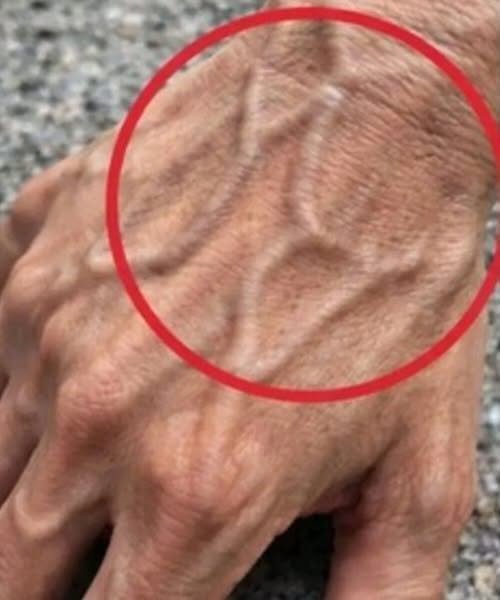
If the veins on your hands, arms, legs, or feet are clearly visible, it doesn’t automatically mean something is wrong. For many people, prominent veins are simply a normal feature of their anatomy. Veins can become more noticeable when a person has naturally thin skin, lower body fat, develops more muscle, becomes dehydrated, exercises, or is exposed to heat. Aging can also make veins easier to see because skin gradually becomes thinner and loses some of its elasticity. Genetics plays a major role as well, so two healthy people can have very different-looking veins.
Visible veins can sometimes become more prominent temporarily after exercise or physical activity because blood flow increases and muscles expand. They may also stand out more in warm weather as blood vessels widen. On the legs, however, enlarged, twisted, or bulging veins can sometimes be associated with varicose veins, particularly when accompanied by aching, heaviness, itching, or swelling. A sudden change—especially a vein that becomes painful, red, warm, hard, or associated with significant swelling—should not simply be dismissed as a cosmetic issue and deserves medical attention.
Most importantly, visible veins alone are not a reliable sign of cancer, heart disease, or another serious illness. Viral headlines sometimes connect ordinary physical features with frightening diagnoses because dramatic claims attract attention, but one visible characteristic cannot establish a medical condition. If your veins have always been noticeable and you feel well, they may simply be part of your normal appearance. If they have suddenly changed or are accompanied by persistent swelling, pain, skin discoloration, shortness of breath, or other concerning symptoms, consult a qualified healthcare professional. Disclaimer: This article provides general educational information and is not a diagnosis or medical advice. Visible veins can have many harmless and medical causes, so unusual or persistent changes should be evaluated by a healthcare professional and verified through reliable medical sources.
Leave a Reply