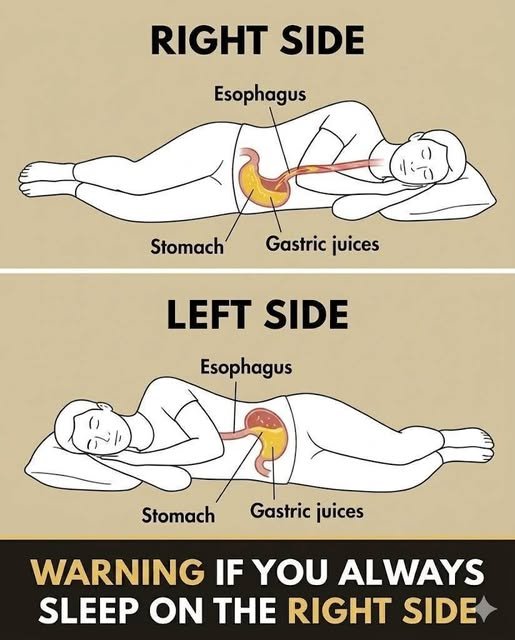
If you naturally sleep on your right side every night, you may have wondered whether this habit has any effect on your health. Side sleeping is generally a normal and healthy sleeping position, and there isn’t a universal rule saying that everyone should sleep on one particular side. Your preferred position can be influenced by comfort, body shape, mattress support, and personal habit. For many people, sleeping on the side can help maintain a comfortable airway and may reduce snoring compared with sleeping flat on the back. The important question is usually not whether you sleep on your right side, but whether you wake feeling rested and free from persistent discomfort.
There are, however, situations where sleeping position can matter. Some people with acid reflux or heartburn may find that sleeping on the left side is more comfortable because research has found that right-side sleeping can worsen nighttime reflux in certain individuals. Pregnant people are also often given specific positional advice by their healthcare providers, particularly later in pregnancy. Meanwhile, anyone experiencing shoulder, hip, neck, or back pain may benefit from adjusting their pillow or mattress support rather than simply forcing themselves to sleep on the opposite side. A pillow between the knees and a supportive pillow under the head can sometimes help keep the spine in a more comfortable position.
So if you’ve always slept on your right side, there is no reason to panic simply because of that habit. If you sleep comfortably, wake refreshed, and don’t experience persistent symptoms, your preferred position may simply be what works best for you. If you regularly wake with severe pain, frequent heartburn, breathing problems, choking sensations, or significant daytime sleepiness, it’s worth discussing those symptoms with a qualified healthcare professional rather than relying on viral sleep-health claims. Disclaimer: This article provides general educational information and does not diagnose or treat any medical condition. Sleep-position recommendations can vary depending on an individual’s health and circumstances, so persistent or concerning symptoms should be evaluated by a qualified healthcare professional and verified through reliable medical sources.
Leave a Reply