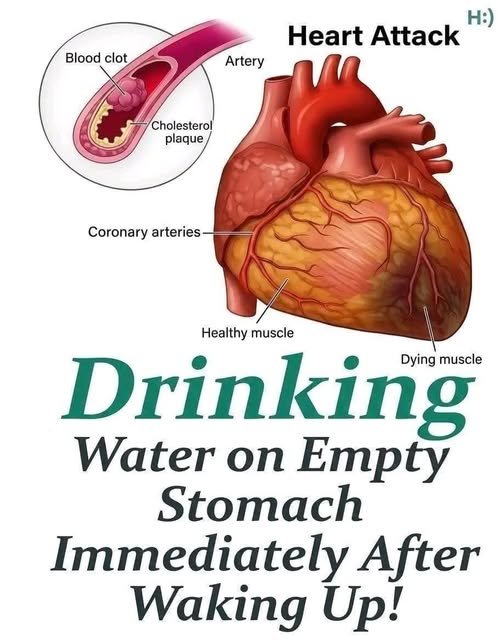
Drinking water after waking up is often promoted as a special health ritual, but the evidence is more straightforward: your body needs adequate hydration throughout the entire day, regardless of whether your stomach is empty. After several hours of sleep without drinking, having a glass of water in the morning can help replace fluids lost overnight and contribute to your daily hydration needs. Water is essential for regulating body temperature, supporting digestion, maintaining normal blood volume, and helping the kidneys remove waste. (cdc.gov) For some people, drinking water before breakfast may also help them feel temporarily fuller, potentially reducing how much they eat at that particular meal. However, there is no strong evidence that drinking water specifically on an empty stomach “detoxes” the body or provides dramatically greater benefits than drinking water at other times.
There are a few practical reasons morning hydration can be useful. Water can help soften stool and support regular bowel movements, particularly when inadequate fluid intake is contributing to constipation. Adequate hydration is also important for preventing dehydration, which can cause symptoms such as thirst, dry mouth, fatigue, headache, dizziness, and dark-colored urine. (niddk.nih.gov) Some viral claims suggest that drinking large amounts of water immediately after waking can dramatically improve metabolism, cleanse the kidneys, or eliminate toxins. These claims are generally overstated. Your liver and kidneys already perform the body’s natural waste-processing functions, and there is no special morning quantity of water proven to “flush out” toxins. Drinking excessive amounts in a short period can even be dangerous because it can cause dangerously low blood sodium levels.
A simple approach is to drink according to thirst and your individual needs, while increasing fluids when you’re exercising, sweating heavily, or spending time in hot environments. Water is usually an excellent choice, and foods such as fruits, vegetables, soups, and other beverages also contribute to overall fluid intake. (cdc.gov) If you have kidney, heart, or liver disease and have been advised to restrict fluids, follow your healthcare professional’s instructions rather than adopting a high-water morning routine. Disclaimer: This article is for general educational and informational purposes only and does not constitute medical advice, diagnosis, or treatment. Hydration requirements vary between individuals, and drinking water on an empty stomach is not a proven cure, detox treatment, or substitute for medical care. Always verify health claims through reliable medical sources and consult a qualified healthcare professional for individualized guidance.
Leave a Reply