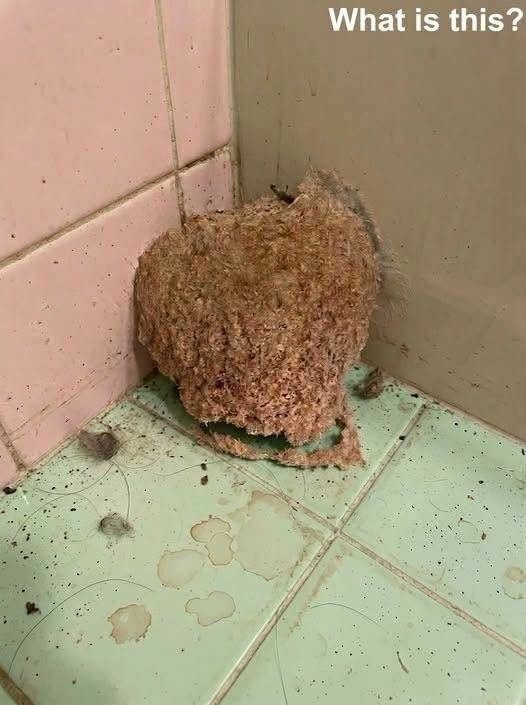
Coming home after a week away and discovering something strange in the bathroom can be genuinely unsettling. If what you found looked like tiny worms, larvae, or small moving creatures, one of the most likely explanations is drain-fly (moth-fly) larvae. These insects commonly develop in the slimy organic material that builds up inside sink, shower, bathtub, and floor drains. Their larvae are small, legless, and worm-like, while the adult insects look like tiny fuzzy moths. Interestingly, returning from vacation can make this discovery more likely because drains, toilets, and other water-containing areas may remain unused for several days. University of Kentucky entomologists specifically note that drain flies are often noticed after people return from extended travel because stagnant water provides suitable conditions for development.
If you noticed several of these creatures around a sink, shower, bathtub, or toilet, check the nearby drains first. Drain-fly larvae feed on decaying organic material and bacteria within the wet film that coats plumbing. Other possible breeding locations include sink overflow channels, drain traps, leaking pipes, and areas where water remains trapped. The good news is that drain flies are generally considered nuisance insects rather than dangerous household pests, and they do not bite or sting. Still, finding them repeatedly can indicate that moisture and organic buildup somewhere in the plumbing needs attention.
The best solution is not simply killing the insects you can see—it is removing their breeding site. Thoroughly clean and scrub the inside of affected drains and remove accumulated slime or organic debris. Keeping drains clean and allowing areas to dry can help prevent them from returning. If the creatures continue appearing despite cleaning, inspect for hidden leaks or standing water, and consider having a plumber or pest-control professional investigate. If you have a photograph of what you found, especially a close-up showing its size, shape, and movement, identification can be much more accurate. Disclaimer: This article is for general educational and household information only. Without a photograph, the creature cannot be identified with certainty, and other larvae or insects can sometimes look similar. Always verify an identification through a reliable entomology or pest-control source before using chemical treatments.
Leave a Reply