Blog

  • Which Way Is the Correct Way to Hang Toilet Paper? (The Answer Might Surprise You)

    Which Way Is the Correct Way to Hang Toilet Paper? (The Answer Might Surprise You)

    The classic toilet-paper debate has a surprisingly practical answer. Hanging the roll “over,” with the loose sheet coming down from the front, is generally the more convenient choice. It makes the end easier to see, grab, and tear, while also keeping your hand farther from the wall or surrounding bathroom surfaces. The original 1891 patent illustration for perforated toilet paper also showed the roll in the “over” position.

    From a hygiene and convenience perspective, the over position has a few practical advantages. When the loose paper hangs toward you, you can usually pull it without reaching behind the roll or brushing your knuckles against the wall. That matters because frequently touched bathroom surfaces can collect microorganisms, and reducing unnecessary surface contact is a sensible hygiene practice. Experts have therefore suggested that the over orientation may offer a slight practical hygiene advantage. However, it would be misleading to claim that hanging toilet paper under is automatically dangerous or that the over position guarantees protection from germs. Current discussions emphasize that bathroom cleaning and proper handwashing are far more important than the direction of the roll itself. There is also a perfectly reasonable argument for the under position: it can make the roll harder for young children or pets to pull apart, reducing accidental unrolling.

    So, if you want the most practical default, place the toilet paper over the top, with the loose end facing outward. It is easier to locate, generally easier to tear, and can reduce unnecessary contact with nearby surfaces. But if your household prefers the under position—or you have a curious toddler or pet—there is no need to panic or treat it as an unhealthy habit. The bigger priorities are keeping the toilet and surrounding surfaces clean, washing your hands thoroughly after bathroom use, and storing toilet paper where it remains dry and clean. In other words, the “over” position may win the convenience debate, but good bathroom hygiene and sanitation matter much more than winning the toilet-paper argument.

    Disclaimer: This article is intended for general educational and informational purposes only. Toilet-paper orientation is largely a matter of convenience and personal preference, and hygiene claims should not be interpreted as guaranteed medical facts. Information may be general or unauthenticated and should be verified through reliable sources and qualified professionals where appropriate.


  • THESE SEEDS DESTROY EVEN THE DEADLIEST DISEASE

    THESE SEEDS DESTROY EVEN THE DEADLIEST DISEASE

    Seeds are often described online as powerful “natural cures,” but the reality is more balanced. Chia, flax, pumpkin, sesame, sunflower, and other edible seeds can provide valuable fiber, healthy fats, protein, vitamins, minerals, and plant compounds. However, no seed has been proven to destroy even the deadliest disease or replace established medical treatment. The National Cancer Institute specifically states that no food, vitamin, supplement, herb, or dietary trend has been proven to cure cancer.

    What makes seeds worth including in a healthy diet is their impressive nutritional profile. Chia and flaxseeds, for example, provide fiber and plant-based omega-3 fatty acids, while pumpkin and sesame seeds contribute minerals, protein, and beneficial fats. The American Heart Association recommends including nuts and seeds as part of an overall heart-healthy eating pattern, alongside vegetables, fruits, whole grains, legumes, and other nutrient-rich foods. Some research has also explored potential associations between seed consumption and cardiovascular or other health outcomes, but an association does not prove that seeds can prevent or cure a specific disease. This distinction is extremely important because impressive laboratory findings or early research can easily become exaggerated on social media. A food may support general nutrition without functioning as a pharmaceutical treatment.

    Rather than searching for a miracle seed, consider using seeds as one component of a balanced, sustainable nutrition strategy. Sprinkle chia or ground flaxseed into oatmeal or yogurt, add pumpkin or sunflower seeds to salads, or use sesame seeds in appropriate meals while keeping portions reasonable. If you have cancer, diabetes, heart disease, or another serious condition, do not stop prescribed medication or delay medical care because of claims about seeds or natural remedies. Some supplements can also interact with medications, so discuss concentrated seed extracts or supplements with a qualified healthcare professional before using them. Good nutrition can support overall wellbeing, but effective disease management requires evidence-based care tailored to the individual.

    Disclaimer: This article is for general educational purposes only and does not diagnose, treat, cure, or prevent any disease. Claims that particular seeds can “destroy” serious or deadly diseases are not established medical facts. Information may be general or unauthenticated and should be verified through reliable medical sources and a qualified healthcare professional. Never replace prescribed treatment with food, seeds, supplements, or home remedies without appropriate medical guidance.

  • Can Any Fruit Really Lower Blood Sugar Faster Than Insulin and Boost Hair Growth?

    Can Any Fruit Really Lower Blood Sugar Faster Than Insulin and Boost Hair Growth?

    Claims that one fruit can lower blood sugar faster than insulin or dramatically accelerate hair growth are attention-grabbing, but they are not supported by reliable evidence. Insulin is a hormone and, when medically prescribed, is a critical treatment for people who need it. Research does suggest that eating whole fruit in appropriate portions can support better blood-glucose management, partly because fruit provides fiber and nutrients. A meta-analysis of randomized trials found that fruit consumption reduced fasting blood glucose, although it did not significantly improve HbA1c.

    The important distinction is between supporting healthy blood sugar and acting like medication. Whole fruits such as berries, apples, oranges, pears, and other fiber-rich choices can fit into a diabetes-friendly eating pattern, but fruit still contains carbohydrates and can affect blood glucose. The American Diabetes Association recommends fresh, frozen, or canned fruit without added sugars and emphasizes appropriate portions. Drinking fruit juice is not necessarily a shortcut either: clinical research has generally found no significant overall effect of 100% fruit juice on fasting glucose, insulin, insulin resistance, or HbA1c. As for hair growth, fruits can contribute valuable vitamin and antioxidant intake, but there is no credible basis for saying that a particular fruit will suddenly make hair “grow a lot.” Hair growth depends on genetics, hormones, nutritional status, scalp health, age, medications, and underlying conditions. A balanced diet containing adequate protein, iron, zinc, vitamin D, and other nutrients is more meaningful than relying on a single food.

    Instead of looking for a miracle fruit, focus on a sustainable nutrition strategy: choose whole fruit over sugary snacks, keep portions reasonable, combine carbohydrate-rich foods with protein or healthy fats when appropriate, and monitor blood glucose if you have diabetes. If your glucose is unusually high or low, do not replace prescribed medication with fruit or another home remedy. Likewise, sudden hair loss, bald patches, scalp changes, or rapidly thinning hair deserves professional evaluation because the underlying cause may require targeted treatment. Healthy foods can be part of a valuable wellness routine, but they should complement—not replace—evidence-based medical care.

    Disclaimer: This article is for general educational purposes only. Claims that a specific fruit lowers blood sugar faster than insulin or dramatically increases hair growth should not be treated as established medical facts. Information may be general or unauthenticated and should be verified through reliable medical sources and a qualified healthcare professional. Never change, stop, or replace prescribed diabetes medication without medical guidance.

  • These Are the First Symptoms That It’s Growing…

    These Are the First Symptoms That It’s Growing…

    When abnormal cells begin growing, the body may sometimes show subtle changes—but there is no single symptom that can confirm cancer or another serious growth. Many warning signs are caused by much more common, non-cancerous conditions. However, a new or persistent lump, unexplained weight loss, unusual bleeding, lasting fatigue, or changes in normal body functions should not simply be ignored. Medical organizations emphasize that symptoms that persist, worsen, or remain unexplained deserve professional evaluation.

    One possible early warning sign is a new lump, swelling, or thickened area anywhere on the body. Depending on where it develops, a growth may sometimes cause pressure, discomfort, or changes in the way a nearby organ functions. Other symptoms can include unexplained weight loss or appetite changes, persistent tiredness, recurring fever or night sweats, unusual bleeding or bruising, changes in bowel or bladder habits, a cough or hoarseness that does not improve, difficulty swallowing, or a skin lesion or mole that changes in appearance. It is important to remember that these symptoms do not automatically mean a tumor is growing. For example, swollen lymph nodes are commonly caused by infections or inflammation, while fatigue and weight changes can have numerous causes. Some cancers also produce few or no noticeable symptoms in their early stages, which is why recommended screening can be important for eligible people.

    Pay particular attention to changes that are new, persistent, unexplained, or progressively worsening. Keeping track of when a symptom began, whether it is changing, and any additional symptoms can help a healthcare professional assess the situation more effectively. Depending on the findings, a doctor may recommend an examination, laboratory testing, imaging, or other diagnostic procedures. Early medical evaluation does not mean that cancer is present—it simply helps identify the real cause and, when necessary, allows appropriate treatment to begin sooner.

    Disclaimer: This article is for general educational purposes only and does not provide a diagnosis or replace professional medical advice. The symptoms described can result from many different conditions, including harmless ones. Information may be general or unauthenticated and should be verified through reliable medical sources and a qualified healthcare professional. If you notice a persistent, unexplained, or worsening change in your health, seek appropriate medical evaluation.

  • 5 Simple Dietary Changes to Help Prevent Stroke

    5 Simple Dietary Changes to Help Prevent Stroke

    A stroke can have serious consequences, but many risk factors are influenced by everyday lifestyle choices. Diet is particularly important because high blood pressure and unhealthy cholesterol levels can increase stroke risk. The American Stroke Association and CDC recommend eating patterns rich in fruits, vegetables, whole grains, fiber, and minimally processed foods while limiting excess sodium, saturated fat, and added sugars.

    1. Add more fruits and vegetables: Make colorful produce a regular part of your meals. Leafy greens, broccoli, carrots, berries, citrus fruits, and other vegetables and fruits provide fiber and essential nutrients. 2. Reduce salt: Excess sodium can contribute to higher blood pressure, one of the major modifiable stroke risk factors. Flavor meals with herbs, spices, lemon, garlic, or other salt-free seasonings instead of relying heavily on salty processed foods. 3. Choose whole grains: Replace refined grains with options such as whole-wheat bread, brown rice, oats, and other whole-grain foods. These choices can increase dietary fiber and support overall cardiovascular health. 4. Select healthier protein sources: Beans, lentils, chickpeas, nuts, seeds, fish, and skinless poultry can be useful alternatives to processed meats and foods high in saturated fat. The American Heart Association also recommends including non-fried fish regularly as part of a heart-healthy eating pattern. 5. Cut back on processed and sugary foods: Limit sugary beverages, sweets, highly processed foods, fried foods, processed meats, and foods high in saturated or trans fats. A Mediterranean-style eating pattern, emphasizing vegetables, fruits, legumes, whole grains, fish, nuts, and healthier oils, is recommended for reducing cardiovascular and stroke risk in appropriate adults.

    The most effective approach is consistency rather than searching for one “miracle” food. Small upgrades—adding vegetables to lunch, choosing fruit instead of a sugary snack, checking food labels for sodium, replacing refined grains with whole grains, and selecting healthier protein—can gradually create a more protective eating pattern. Diet is only one part of stroke prevention, however. Maintaining a healthy weight, staying physically active, managing blood pressure, cholesterol and blood glucose, avoiding tobacco, and following prescribed medical treatment can also be important. People with existing medical conditions, kidney problems, or a history of stroke should discuss major dietary changes with a qualified healthcare professional because individual nutritional needs can vary.

    Disclaimer: This article provides general educational information and is not a substitute for professional medical advice, diagnosis, or treatment. Dietary recommendations may vary according to individual health conditions, medications, age, and nutritional needs. Information should be verified with reliable medical sources and a qualified healthcare professional before making significant changes to your diet or treatment plan.

  • We Found This Strange Thing in Our Bathroom — What Could It Be?

    We Found This Strange Thing in Our Bathroom — What Could It Be?

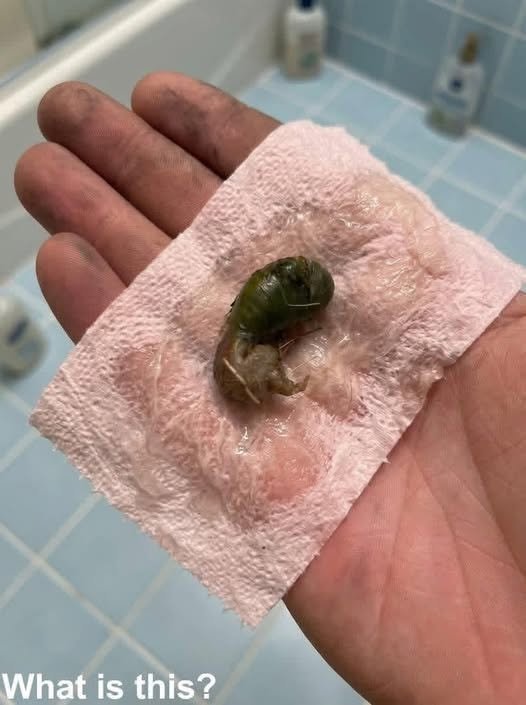
    Finding a strange worm-like creature in the bathroom can be startling, but if it was small, soft-bodied, and appeared near a sink, shower, bathtub, or toilet, one of the most likely explanations is a drain-fly larva. These larvae are often mistaken for tiny worms because they are legless and elongated. They develop in the moist organic film that builds up inside drains and plumbing, feeding on bacteria, fungi, algae, and decaying material. The CDC has documented cases where people found these larvae in toilets and understandably suspected a human parasite, but laboratory identification showed that the organisms were free-living fly larvae—not parasites.

    Drain-fly larvae are generally only a few millimeters long and can appear gray, translucent, or darker depending on the species and lighting. Adult drain flies are the tiny, fuzzy, moth-like insects that sometimes sit motionless on bathroom walls or around drains. If you’ve noticed those little flies around the bathroom as well, that makes a drain-related source more likely. Importantly, finding one of these larvae does not mean that it came from someone’s body or that the household has a worm infection. They are associated with damp plumbing and organic buildup rather than living inside humans.

    If you continue finding them, the best approach is to investigate the drains rather than simply removing the visible creatures. Pay particular attention to the sink overflow, shower drain, bathtub drain, and any slow or rarely used drain. Physically cleaning the inside of the drain and removing the organic buildup can help eliminate the breeding site. If the object was much larger than a typical drain-fly larva, had obvious legs, or looked substantially different, it could be something else, so a clear close-up photograph with a ruler or coin for scale would be useful for identification. Disclaimer: This article provides general household and insect-identification information only. Without seeing the specimen, its identity cannot be confirmed. If you repeatedly find unusual organisms in the bathroom or have concerns about a possible human parasite, seek identification from a qualified healthcare or pest-control professional rather than relying on appearance alone.

  • The Whole Internet Collaborated and Couldn’t Find What This Is

    The Whole Internet Collaborated and Couldn’t Find What This Is

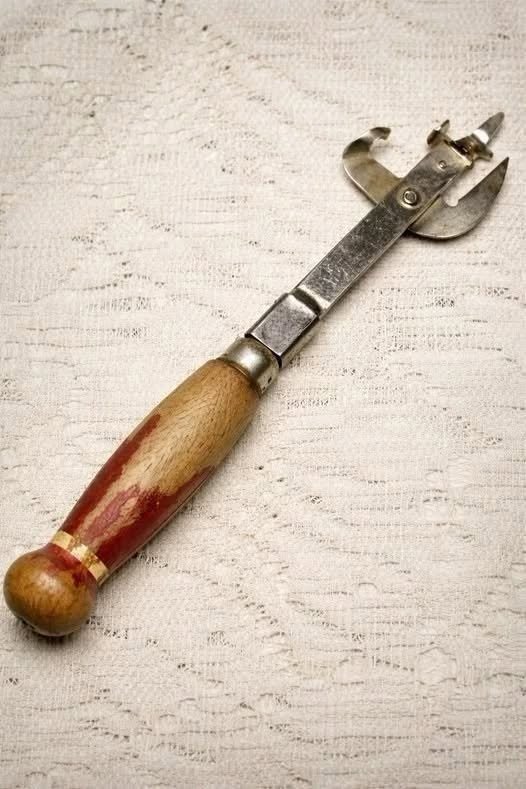
    Every once in a while, an ordinary-looking object appears online and leaves thousands of people completely confused. It might resemble a kitchen utensil, an old mechanical part, a gardening tool, or even something from a completely different era. The problem is that many objects were designed for very specific tasks that are no longer common today. As technology and everyday habits change, tools that were once familiar can become almost impossible for younger generations to recognize. That’s why a seemingly simple object can trigger dozens of completely different guesses when someone posts it online and asks, “What is this?”

    The best way to solve a mystery object is to focus on the details rather than the guesses. Look closely for logos, engraved numbers, patent marks, hinges, screws, blades, hooks, handles, threads, or moving parts. Its size and material can also provide valuable clues. If it was found in an old kitchen, workshop, garage, farm, or attic, that location can dramatically narrow down the possibilities. Taking photographs from several angles and placing the object beside a ruler or coin can also make identification much easier. Sometimes an object that looks completely mysterious turns out to be an everyday tool that simply has an outdated design.

    That’s what makes these internet mysteries so entertaining. Someone may spend hours searching before another person recognizes the object from their childhood or remembers seeing one in a grandparent’s house. The strangest-looking object isn’t necessarily unusual—it may simply be unfamiliar. If you have the mystery item, photograph both sides, include any markings, and provide its approximate dimensions and where you found it. Those small clues can be enough to turn a seemingly impossible mystery into an easy identification. Disclaimer: Without seeing the actual object, its identity cannot be confirmed. Online guesses should not be treated as fact, and any identification should be verified using reliable historical, manufacturing, or specialist sources before being accepted as accurate.

  • Why Some Trees Are Painted White and What It Means

    Why Some Trees Are Painted White and What It Means

    If you’ve ever traveled through rural areas and noticed tree trunks painted white, you may have wondered why someone would paint a perfectly healthy tree. In many places, the practice is used as a traditional form of tree protection. Whitewashing the lower trunk with a suitable lime-based coating can help reflect sunlight and reduce rapid temperature changes in the bark. This can be particularly useful for young or thin-barked trees that may be vulnerable to sunscald and temperature-related cracking. The bright surface reflects sunlight rather than absorbing as much heat, potentially reducing damage during periods of strong sun or sudden temperature fluctuations.

    Tree painting can also have agricultural and pest-management purposes, depending on the region and the material being used. Historically, lime washes were sometimes applied to trunks as part of orchard management and sanitation practices. In some areas, whitewashing may also be used to make tree trunks more visible along roadsides or pathways, particularly at night. However, not every white-painted tree has the same explanation. Local customs, forestry practices, road-safety measures, and agricultural traditions can all influence why trees are painted. It’s therefore important not to assume that every white trunk is being treated for disease or insects.

    The practice can look unusual, but when carried out appropriately, it can have a practical purpose rather than simply being decorative. The exact product matters, though: household wall paint or unsuitable chemicals should not automatically be applied to trees because some coatings can interfere with the bark or harm the tree. If you’re considering whitewashing a tree, first determine whether there is an actual horticultural reason to do so and use guidance appropriate for the species and local climate. Disclaimer: This article is for general educational and horticultural information only. Tree-whitewashing practices vary by region and purpose, and not every tree benefits from being painted. Always verify the appropriate treatment with a qualified arborist, forestry professional, or local agricultural extension service before applying anything to a tree.

  • White Stringy Things in Cooked Beef: Is the Meat Infested?

    White Stringy Things in Cooked Beef: Is the Meat Infested?

    Finding strange white, string-like material sticking out of a beef roast can be alarming, especially when it resembles tiny worms. However, the appearance alone does not mean the meat is infested with parasites. A very common explanation is connective tissue, particularly collagen-rich fibers, sinew, or pieces of tendon that become more noticeable during slow cooking. Beef contains different types of connective tissue, and prolonged cooking causes collagen to break down into gelatin, which is one reason tougher cuts become tender in a slow cooker. Small strands of connective tissue can remain visible even after hours of cooking and may look surprisingly worm-like.

    Another possibility is fat or connective tissue surrounding individual muscle fibers. When a roast is heated slowly, fat can render away while tougher structural tissues remain as pale strands. Their shape can change as the meat contracts, making them appear longer or more pronounced than they looked before cooking. Actual beef parasites are considerably less likely to present as several obvious white strings protruding from a properly cooked roast. Certain parasitic infections, such as Taenia saginata (beef tapeworm), involve microscopic or tissue-associated stages rather than typically appearing as long worms emerging from a cooked piece of beef. If something truly appears to be a separate organism, don’t assume what it is from appearance alone.

    If you’re concerned, stop eating the meat until you’ve identified the material. Take a clear photograph showing the strands next to a ruler or coin, and if possible, keep the suspected material in a clean sealed container rather than throwing it away immediately. Check the original cut of beef, packaging, supplier information, and cooking temperature. Properly cooking beef to a safe internal temperature is important for reducing foodborne risks, but cooking should not be used as a substitute for identifying visibly abnormal material. If the meat has an unusual odor, color, texture, damaged packaging, or other signs of spoilage, discard it. For a genuine suspected parasite or foreign material, contacting the retailer, food-safety authority, or a qualified food professional is the safest approach. Disclaimer: This article provides general food-safety information and cannot identify the white material without seeing it. If the strands are actually moving or clearly appear to be independent organisms, do not consume the meat and seek professional identification. Always follow reliable food-safety guidance for beef preparation and storage.

  • Almost No One Recognizes This Antique Tool! Are You One of the Few Who Know What It Is?

    Almost No One Recognizes This Antique Tool! Are You One of the Few Who Know What It Is?

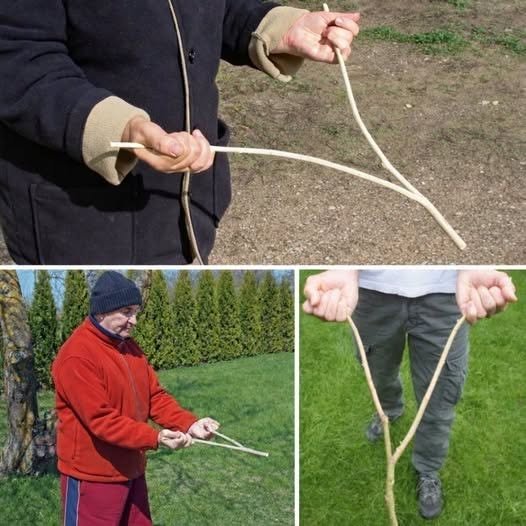
    At first glance, this unusual antique tool looks like nothing more than a simple V-shaped tree branch. Yet it was once associated with a practice that people used for centuries: water dowsing. A person would hold the two ends of the forked branch in their hands while walking across an area of land, believing that movement of the branch could indicate underground water. Historical accounts describe dowsers using forked branches and later metal rods for this purpose. The viral mystery-object story featuring this exact type of tool identifies it as a traditional water-divining or dowsing rod.

    The practice has been known by several names, including water divining, water finding, well witching, and doodlebugging. The basic idea was remarkably simple: the dowser would hold the forked portion of the branch with the stem pointing downward and walk around the land. When the rod supposedly moved or dipped, the dowser interpreted that movement as a sign of water below the surface. In some historical accounts, similar rods were also associated with searching for minerals. However, there is an important distinction between the historical use of the tool and scientific evidence: dowsing has not been established as a reliable scientific method for locating underground water.

    That’s what makes this old object so fascinating. Something that looks like an ordinary branch could actually represent a centuries-old tradition that was once taken seriously by people searching for an essential resource. Today, groundwater professionals use geological information, hydrological surveys, test drilling, and other scientific methods rather than relying on a divining rod. So if you find one of these strange forked objects in an old property, barn, or workshop, don’t dismiss it immediately—it may be a fascinating piece of history. Disclaimer: This article is for general historical and educational purposes. The identification refers to the forked tool associated with traditional water dowsing, but individual antique objects can have different purposes. Dowsing should not be considered a scientifically proven method for locating groundwater, and important water-supply decisions should be based on qualified geological or hydrological assessment.