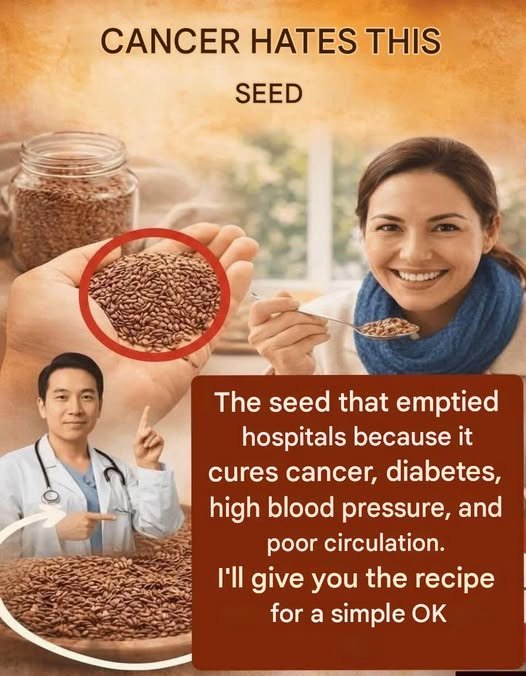
Seeds are often described online as powerful “natural cures,” but the reality is more balanced. Chia, flax, pumpkin, sesame, sunflower, and other edible seeds can provide valuable fiber, healthy fats, protein, vitamins, minerals, and plant compounds. However, no seed has been proven to destroy even the deadliest disease or replace established medical treatment. The National Cancer Institute specifically states that no food, vitamin, supplement, herb, or dietary trend has been proven to cure cancer.
What makes seeds worth including in a healthy diet is their impressive nutritional profile. Chia and flaxseeds, for example, provide fiber and plant-based omega-3 fatty acids, while pumpkin and sesame seeds contribute minerals, protein, and beneficial fats. The American Heart Association recommends including nuts and seeds as part of an overall heart-healthy eating pattern, alongside vegetables, fruits, whole grains, legumes, and other nutrient-rich foods. Some research has also explored potential associations between seed consumption and cardiovascular or other health outcomes, but an association does not prove that seeds can prevent or cure a specific disease. This distinction is extremely important because impressive laboratory findings or early research can easily become exaggerated on social media. A food may support general nutrition without functioning as a pharmaceutical treatment.
Rather than searching for a miracle seed, consider using seeds as one component of a balanced, sustainable nutrition strategy. Sprinkle chia or ground flaxseed into oatmeal or yogurt, add pumpkin or sunflower seeds to salads, or use sesame seeds in appropriate meals while keeping portions reasonable. If you have cancer, diabetes, heart disease, or another serious condition, do not stop prescribed medication or delay medical care because of claims about seeds or natural remedies. Some supplements can also interact with medications, so discuss concentrated seed extracts or supplements with a qualified healthcare professional before using them. Good nutrition can support overall wellbeing, but effective disease management requires evidence-based care tailored to the individual.
Disclaimer: This article is for general educational purposes only and does not diagnose, treat, cure, or prevent any disease. Claims that particular seeds can “destroy” serious or deadly diseases are not established medical facts. Information may be general or unauthenticated and should be verified through reliable medical sources and a qualified healthcare professional. Never replace prescribed treatment with food, seeds, supplements, or home remedies without appropriate medical guidance.
Leave a Reply