Blog

  • Stroke Risk Increases With Age — 10 Warning Signs Adults Should Never Ignore

    Stroke Risk Increases With Age — 10 Warning Signs Adults Should Never Ignore

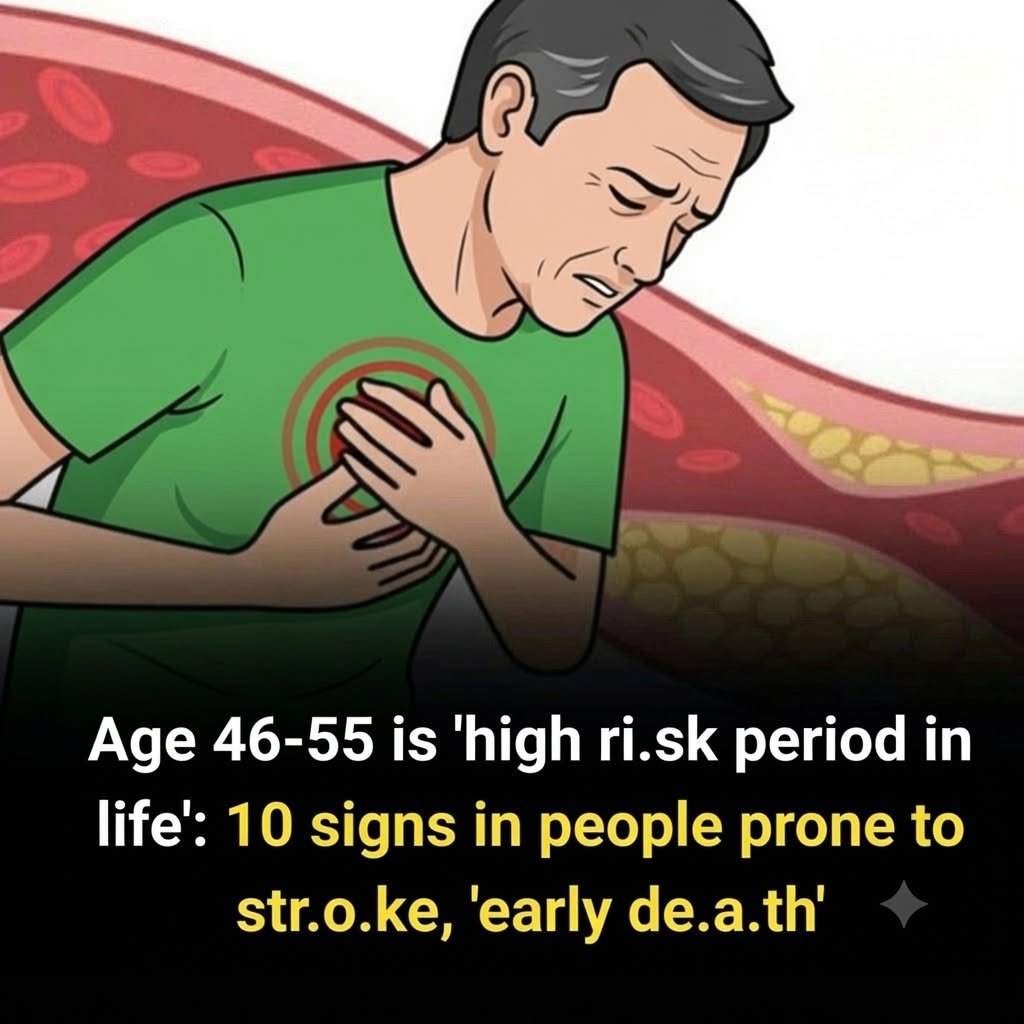
    Stroke risk generally increases with age, but a stroke can happen to adults of any age. The most important warning signs usually appear suddenly, and recognizing them quickly can make a critical difference. The first five signs are sudden numbness or weakness of the face, arm, or leg—especially on one side; confusion or difficulty speaking; trouble understanding speech; sudden vision problems in one or both eyes; and sudden difficulty walking, dizziness, or loss of balance or coordination. A sixth warning sign is a sudden, severe headache with no known cause. These are the classic symptoms emphasized by the CDC, and they should never be dismissed simply because they disappear after a few minutes. A temporary episode can represent a transient ischemic attack (TIA), sometimes called a “mini-stroke,” which also requires urgent medical evaluation.

    Four additional symptoms that can accompany a stroke include sudden facial drooping, sudden trouble swallowing, sudden loss of coordination, and sudden severe weakness that makes ordinary movement difficult. Some people may experience only one or two symptoms, while others develop several at the same time. The key word is sudden. Stroke affects the brain’s blood supply, and rapid treatment can reduce the risk of permanent brain injury and disability. If you suspect a stroke, do not wait to see whether symptoms improve, do not drive the person yourself if emergency medical services are available, and note the time when symptoms first appeared. The CDC’s stroke-awareness guidance emphasizes acting immediately when symptoms occur rather than delaying treatment.

    Knowing the warning signs is only part of prevention. Important stroke risk factors include high blood pressure, diabetes, high cholesterol, smoking, heart disease, obesity, and older age. Many of these risks can be reduced through appropriate medical care, physical activity, a nutritious diet, avoiding tobacco, controlling blood pressure and cholesterol, and taking prescribed medicines as directed. If you or someone nearby develops sudden facial weakness, arm weakness, speech difficulty, vision changes, severe unexplained headache, or trouble walking, treat it as a medical emergency and seek emergency medical help immediately. Every minute matters. Disclaimer: This article is for general educational and informational purposes only and does not constitute medical advice, diagnosis, or treatment. Stroke symptoms can vary, and similar symptoms may have other causes. Always verify health information through reliable medical sources and seek emergency professional care immediately when a stroke is suspected.


  • High-Dose Nattokinase Reduced Carotid Plaque in a 12-Month Study — But There’s More to the Story

    High-Dose Nattokinase Reduced Carotid Plaque in a 12-Month Study — But There’s More to the Story

    Nattokinase is an enzyme produced during the fermentation of soybeans to make natto, a traditional Japanese food. It has attracted attention because laboratory research suggests it may have fibrinolytic and antithrombotic properties, meaning it can influence processes involved in blood clotting. A 2022 clinical study involving 1,062 participants examined daily nattokinase at 10,800 fibrinolytic units (FU) for 12 months. Among the 683 participants who had carotid ultrasound measurements available, researchers reported that average common carotid artery intima-media thickness decreased from 1.33 mm to 1.04 mm, while measured carotid plaque size decreased from 24.9 mm² to 15.94 mm². (pubmed.ncbi.nlm.nih.gov) These findings are certainly interesting, particularly because carotid plaque and arterial-wall thickness are markers associated with atherosclerosis. However, the study was retrospective rather than a large randomized placebo-controlled trial, so the results cannot establish that high-dose nattokinase itself caused the improvements.

    The broader evidence is considerably more mixed. An earlier clinical study involving only 82 participants compared nattokinase at 6,000 FU daily with simvastatin for 26 weeks and reported reductions in carotid plaque size and arterial-wall thickness in both groups. (pubmed.ncbi.nlm.nih.gov) However, a much more rigorous randomized, double-blind, placebo-controlled trial involving 265 adults found that 2,000 FU of nattokinase taken for a median of three years did not significantly slow subclinical atherosclerosis progression compared with placebo. Researchers found no significant difference in carotid intima-media thickness or carotid arterial stiffness. (pubmed.ncbi.nlm.nih.gov) This contrast is important: promising results from observational or smaller studies do not automatically translate into proven cardiovascular protection. The dose may matter, the characteristics of participants may matter, and differences in study design can substantially affect results.

    For that reason, people should not start taking high-dose nattokinase to dissolve arterial plaque without medical guidance. Nattokinase may affect blood clotting, creating potential concerns for people taking anticoagulant or antiplatelet medications, those with bleeding disorders, or people preparing for surgery. Most importantly, supplements should not replace established treatments for high cholesterol, hypertension, diabetes, or atherosclerotic cardiovascular disease. Statins, blood-pressure management, smoking cessation, physical activity, and a heart-healthy dietary pattern have much stronger evidence for reducing cardiovascular risk. The 12-month study provides an interesting research signal, but it does not prove that nattokinase can safely reverse blocked arteries or prevent heart attacks and strokes. Disclaimer: This article is for general educational and informational purposes only and does not constitute medical advice, diagnosis, or treatment. The reported plaque reductions come from a study with important methodological limitations, while randomized evidence has produced different results. Always verify supplement claims through reliable scientific and medical sources and consult a qualified healthcare professional before using high-dose nattokinase, particularly if you take medications that affect blood clotting.

  • The Root Vegetable Everyone in This Village Eats—and Why Researchers Are Interested

    The Root Vegetable Everyone in This Village Eats—and Why Researchers Are Interested

    A humble root vegetable has attracted attention because of stories about a village where it is eaten regularly as part of the traditional diet. One version of the viral story identifies taro root as the vegetable that researchers found particularly interesting. Taro has been cultivated and eaten for centuries across parts of Asia, Africa, and the Pacific, and it provides carbohydrates, fiber, potassium, and other nutrients. What makes the story intriguing is not necessarily that taro is a miracle food, but that traditional diets often contain combinations of minimally processed foods that can contribute to overall nutritional quality. Researchers studying nutrition generally look beyond one ingredient because health outcomes are influenced by physical activity, body weight, genetics, sleep, environment, and the overall dietary pattern. Therefore, claims that one root vegetable is responsible for exceptional longevity or unusually low disease rates should be treated carefully.

    Taro is particularly interesting from a nutrition perspective because it contains dietary fiber and resistant starch, compounds that can support digestive health and influence how carbohydrates are digested. Resistant starch can reach the large intestine and be fermented by gut bacteria, producing compounds that researchers continue to investigate for their potential metabolic effects. However, the benefits depend greatly on preparation and portion size. Taro should be cooked thoroughly before eating, because raw taro contains calcium oxalate crystals that can cause significant irritation and burning of the mouth and throat. Cooking appropriately reduces this problem and makes the vegetable suitable for use in soups, stews, mashed dishes, or other traditional meals. While laboratory and nutritional research can identify interesting properties, that does not mean eating taro prevents cancer, diabetes, or other diseases.

    The bigger lesson from traditional village diets may actually be the overall lifestyle rather than one “superfood.” Diets centered on vegetables, legumes, whole foods, and home-cooked meals can provide a broad range of nutrients while reducing reliance on highly processed foods. Regular physical activity and consistent eating patterns may also contribute to long-term health. The available viral story does not provide sufficient evidence to conclude that a particular village’s health outcomes are caused by taro alone. If you enjoy taro, it can certainly be included as part of a varied and balanced diet, alongside other vegetables, fruits, whole grains, legumes, and appropriate protein sources. Disclaimer: This article is for general educational and nutritional information only and does not constitute medical advice, diagnosis, or treatment. Claims connecting a single food with exceptional longevity or cancer prevention should not be considered proven without strong human evidence. Always verify health and nutrition claims through reliable scientific and medical sources and consult a qualified healthcare professional for personalized dietary guidance.

  • Your Nails Could Be Sending Warning Signs — Especially After 40

    Your Nails Could Be Sending Warning Signs — Especially After 40

    Your fingernails can sometimes provide clues about your overall health, although nail changes rarely point to one specific disease. As people get older, ordinary changes such as brittle nails, slower growth, and vertical ridges can become more common and are often harmless. However, several unusual changes deserve attention. A new dark brown or black streak beneath a nail, especially on a single finger or toe, should be examined by a dermatologist because, although rare, it can be a sign of melanoma. (aad.org) Another potential warning sign is nail clubbing, in which the fingertips become enlarged and the nails curve downward. Clubbing can be associated with certain lung, heart, liver, and gastrointestinal conditions. (medlineplus.gov) These changes do not mean that a serious disease is definitely present, but they are worth professional evaluation.

    A third change to watch for is deep horizontal grooves or depressions, known as Beau’s lines. They can appear when nail growth is temporarily interrupted by illness, injury, severe stress, nutritional problems, or certain medical treatments. (aad.org) Fourth, nails that become unusually pale, blue, yellow, thickened, or separated from the nail bed may have several possible causes, including anemia, infections, circulation or oxygen problems, liver or kidney disease, medication effects, or skin conditions. (medlineplus.gov) Fifth, spoon-shaped nails, where the center curves inward and the edges rise, can sometimes be associated with iron-deficiency anemia. (medlineplus.gov) The important point is that nail appearance alone cannot diagnose these conditions; similar changes can occur from injuries, manicures, fungal infections, normal aging, or nutritional factors.

    After 40, it is reasonable to pay attention to changes in your nails, but there is no need to become alarmed by every ridge or color variation. The American Academy of Dermatology recommends having new or changing nail abnormalities assessed, particularly dark streaks, nail lifting, unusual curvature, persistent discoloration, or changes around the nail. (aad.org) Take a clear photograph when you first notice a change so you can monitor whether it is growing out or becoming more pronounced, and mention persistent abnormalities during a medical appointment. Disclaimer: This article is for general educational and informational purposes only and does not constitute medical advice, diagnosis, or treatment. Nail changes have many possible causes and do not automatically indicate serious disease or cancer. Always verify health information through reliable medical sources and consult a qualified healthcare professional or dermatologist about new, persistent, or worsening nail abnormalities.

  • What Are the 5 Warning Signs of Colon Cancer? Here’s What to Know

    What Are the 5 Warning Signs of Colon Cancer? Here’s What to Know

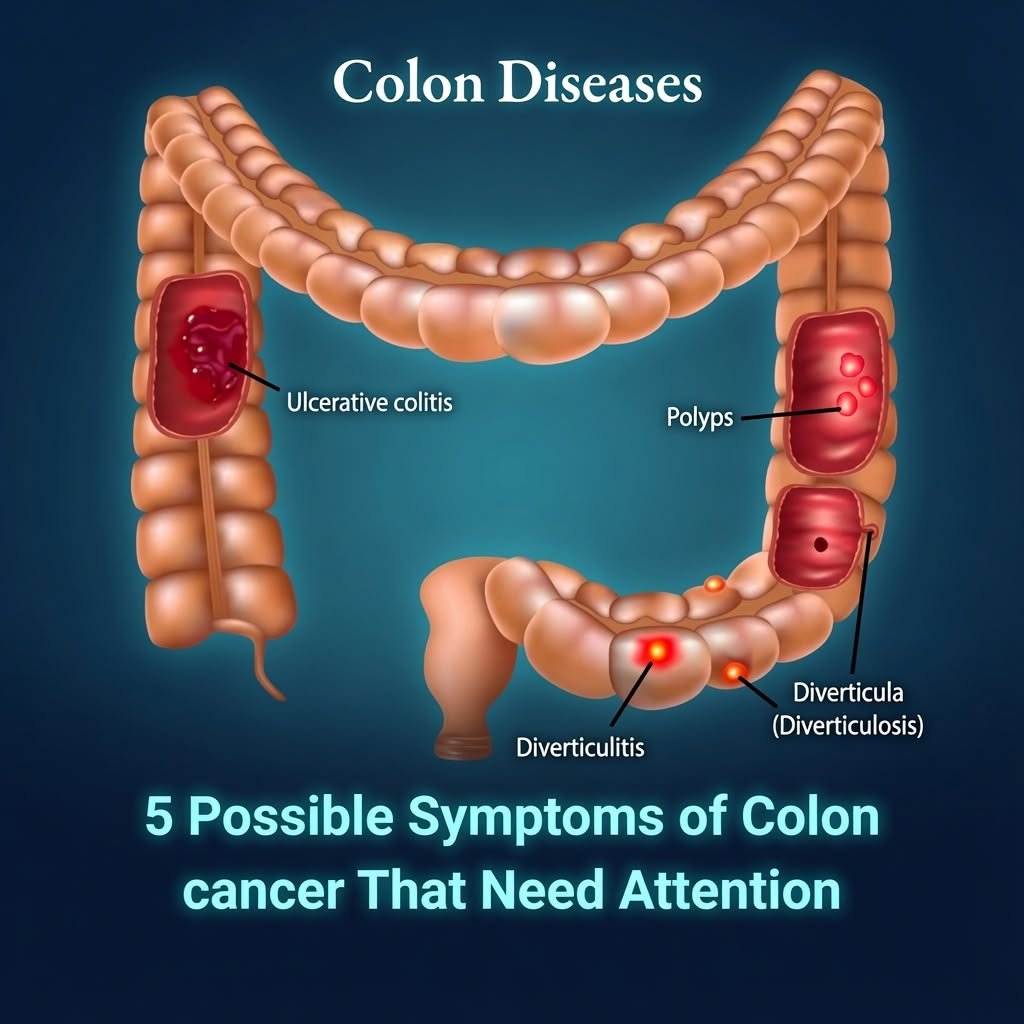
    Colon cancer does not always cause obvious symptoms in its early stages, which makes awareness and appropriate screening especially important. Five warning signs worth knowing are blood in or on the stool, persistent changes in bowel habits, ongoing abdominal discomfort, unexplained weight loss, and unusual fatigue or weakness. Changes in bowel habits can include persistent diarrhea or constipation, stools becoming narrower or different in appearance, or a feeling that the bowel has not completely emptied. (cancer.gov) Blood in the stool may appear bright red or very dark, and although hemorrhoids and other non-cancerous conditions can also cause bleeding, unexplained or recurring blood should be medically evaluated. (cdc.gov) These symptoms do not automatically mean someone has cancer, but persistent or unusual changes should not simply be dismissed.

    Abdominal symptoms can include cramping, bloating, gas pains, fullness, or discomfort that does not go away. Unexplained weight loss is another important warning sign, particularly when it occurs without changes to diet or exercise. Fatigue can sometimes develop because colorectal cancer causes slow blood loss, potentially contributing to iron-deficiency anemia. Research examining younger adults with colorectal cancer has also identified abdominal pain, rectal bleeding, diarrhea, and iron-deficiency anemia as symptoms that can appear before diagnosis. (cancer.gov) However, these symptoms are not unique to colon cancer and may occur with infections, inflammatory bowel disease, hemorrhoids, dietary problems, or other gastrointestinal conditions. The key is to seek professional evaluation when symptoms persist, worsen, or represent a significant change from your normal pattern.

    Perhaps the most important point is not to wait for symptoms before discussing screening. Colorectal cancer can develop without symptoms, while screening can detect precancerous polyps that can sometimes be removed before they become cancer. The CDC recommends that adults at average risk begin colorectal cancer screening at age 45, while people with a family history, inflammatory bowel disease, certain inherited conditions, or other increased risks may need earlier or more frequent screening. (cdc.gov) If you notice persistent rectal bleeding, major bowel changes, unexplained weight loss, ongoing abdominal pain, or unexplained fatigue, arrange a medical evaluation rather than trying to diagnose the cause yourself. Disclaimer: This article is for general educational and informational purposes only and does not constitute medical advice, diagnosis, or treatment. These warning signs can have many causes and do not prove the presence of colon cancer. Always verify cancer-related information through reliable medical sources and consult a qualified healthcare professional about persistent or concerning symptoms.

  • If You Notice These 6 Warning Signs When Using the Bathroom, Don’t Ignore Them

    If You Notice These 6 Warning Signs When Using the Bathroom, Don’t Ignore Them

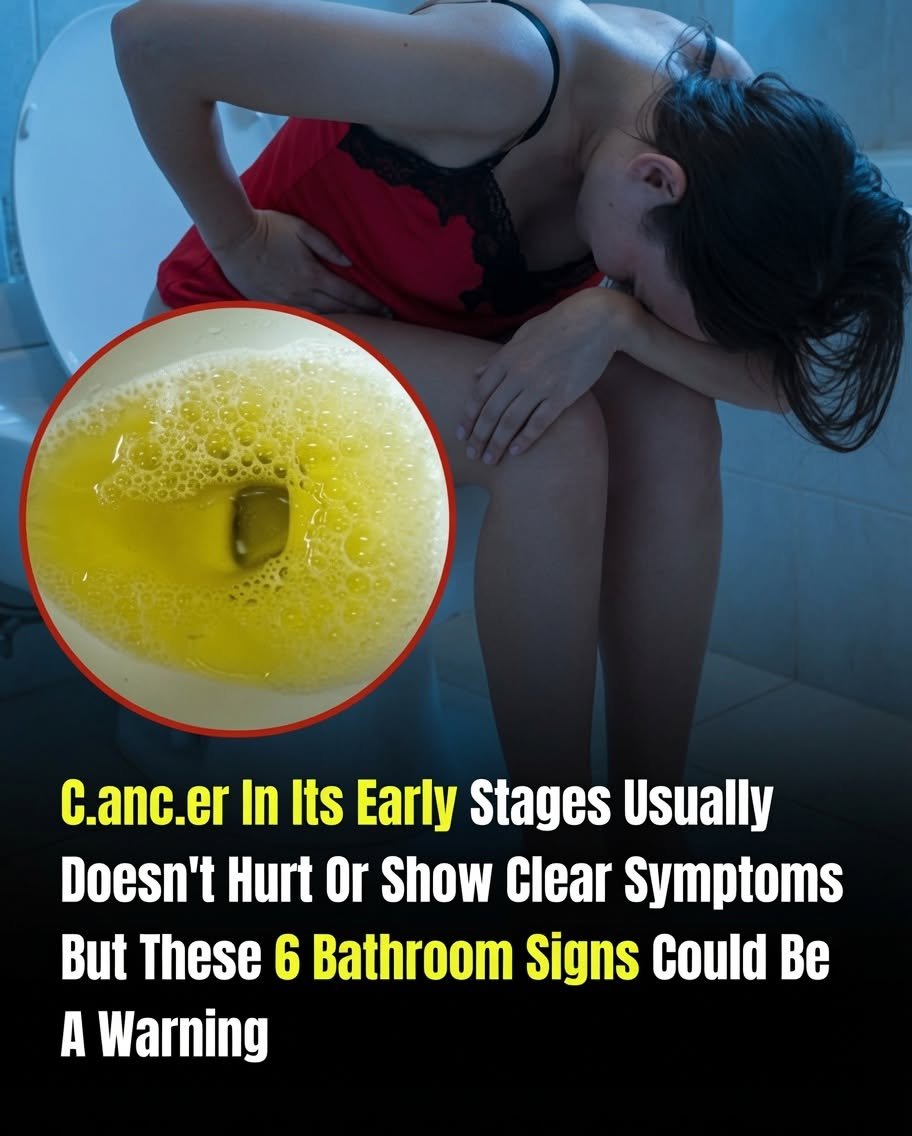
    Your bathroom habits can sometimes provide useful clues about your health, although a single change does not necessarily mean something is seriously wrong. Blood in your stool is one warning sign that deserves attention. Bright-red blood can occur with hemorrhoids or an anal fissure, but blood can also have more serious causes. Black, tarry stool can indicate bleeding higher in the digestive tract and requires medical evaluation. A second warning sign is persistent constipation or diarrhea, particularly when it lasts for more than two weeks or represents a major change from your normal bowel pattern. Third is significant abdominal or rectal pain, especially when it is persistent, severe, or accompanied by vomiting, fever, bleeding, or other unusual symptoms. These signs should not automatically be interpreted as cancer or another serious disease, but they should not simply be ignored either.

    A fourth warning sign is a major or persistent change in stool appearance or bowel habits. Unusually narrow stools, repeated mucus, persistent urgency, or losing control of bowel movements can have several possible causes and may warrant professional evaluation. Fifth is blood or unusual changes when urinating. Pink, red, or cola-colored urine may indicate blood, which can occur with urinary infections, kidney or bladder stones, prostate problems, or other conditions. Medical sources recommend having visible blood in the urine evaluated rather than assuming it will disappear on its own. Sixth is difficulty passing urine or stool, particularly when accompanied by severe abdominal pain, vomiting, inability to pass gas, significant weakness, or worsening symptoms. An inability to urinate can require urgent assessment, while symptoms suggesting an intestinal obstruction can represent a medical emergency.

    The most important message is to pay attention to persistent changes rather than panic over occasional variations. Seek medical advice if you repeatedly notice blood, unexplained weight loss, ongoing changes in bowel habits, persistent abdominal discomfort, or unexplained urinary changes. Heavy or continuous rectal bleeding, black or tarry stools accompanied by weakness or dizziness, vomiting blood, fainting, severe abdominal pain, or signs of shock require urgent medical attention. Keeping track of when symptoms started, how often they occur, and whether they are associated with particular foods, medications, constipation, or diarrhea can also help a healthcare professional determine what may be happening. Disclaimer: This article is for general educational and informational purposes only and does not constitute medical advice, diagnosis, or treatment. Bathroom symptoms can have many causes, ranging from minor conditions to serious illnesses. Always verify health information through reliable medical sources and consult a qualified healthcare professional about persistent, severe, unusual, or worsening symptoms.

  • Why Does Your Cat Insist on Sleeping Next to You? The Answer Is Heartwarming

    Why Does Your Cat Insist on Sleeping Next to You? The Answer Is Heartwarming

    If your cat repeatedly chooses to sleep beside you, it may be one of the clearest signs that your presence makes them feel safe and comfortable. Cats are naturally cautious animals, and sleeping leaves them vulnerable, so choosing a familiar person as a resting companion can reflect trust. Your body also provides warmth, which can be especially appealing because cats generally seek comfortable, warm resting places. Your scent, breathing, and familiar movements may further contribute to the sense of security your cat associates with sleeping near you. Research into cat-human relationships suggests that cats can form meaningful social bonds with their owners, and many cats use their humans as a source of comfort and security. (icatcare.org)

    Your cat may also sleep near you because your routine has become part of their daily rhythm. Cats are creatures of habit, and if bedtime consistently means quiet, warmth, and uninterrupted rest, they may naturally return to the same spot each night. Some cats prefer sleeping directly beside their person’s body, while others choose the feet, pillow, or a nearby corner of the bed. This doesn’t necessarily mean your cat is dependent on you; individual personalities differ greatly. Some cats are highly social and seek physical contact, while others show affection by simply remaining nearby. A cat that chooses to sit or sleep in the same room—even without touching you—may still be demonstrating a preference for your company. (aspca.org)

    Perhaps the most heartwarming explanation is that your cat has learned that you are a safe part of its world. Sleeping beside you can combine warmth, familiarity, routine, and social bonding into one comforting experience. Still, pay attention if your cat suddenly becomes unusually clingy or changes its sleeping habits dramatically. Sudden behavioral changes can sometimes accompany stress, discomfort, or illness and may warrant a veterinary check if they persist or occur alongside changes in appetite, grooming, litter-box habits, movement, or energy. (cornell.edu) So when your cat curls up beside you tonight, you can take it as a lovely compliment: in a world where cats have plenty of places to sleep, they have chosen one close to you. Disclaimer: This article is for general informational purposes only and does not constitute veterinary advice. Cat behavior varies between individuals, and sleeping near a person can have several explanations. Always consult a qualified veterinarian if your cat develops sudden or persistent behavioral or health changes.

  • Stop Feeding Your Children These 5 Foods Immediately? Here’s What Parents Should Really Know

    Stop Feeding Your Children These 5 Foods Immediately? Here’s What Parents Should Really Know

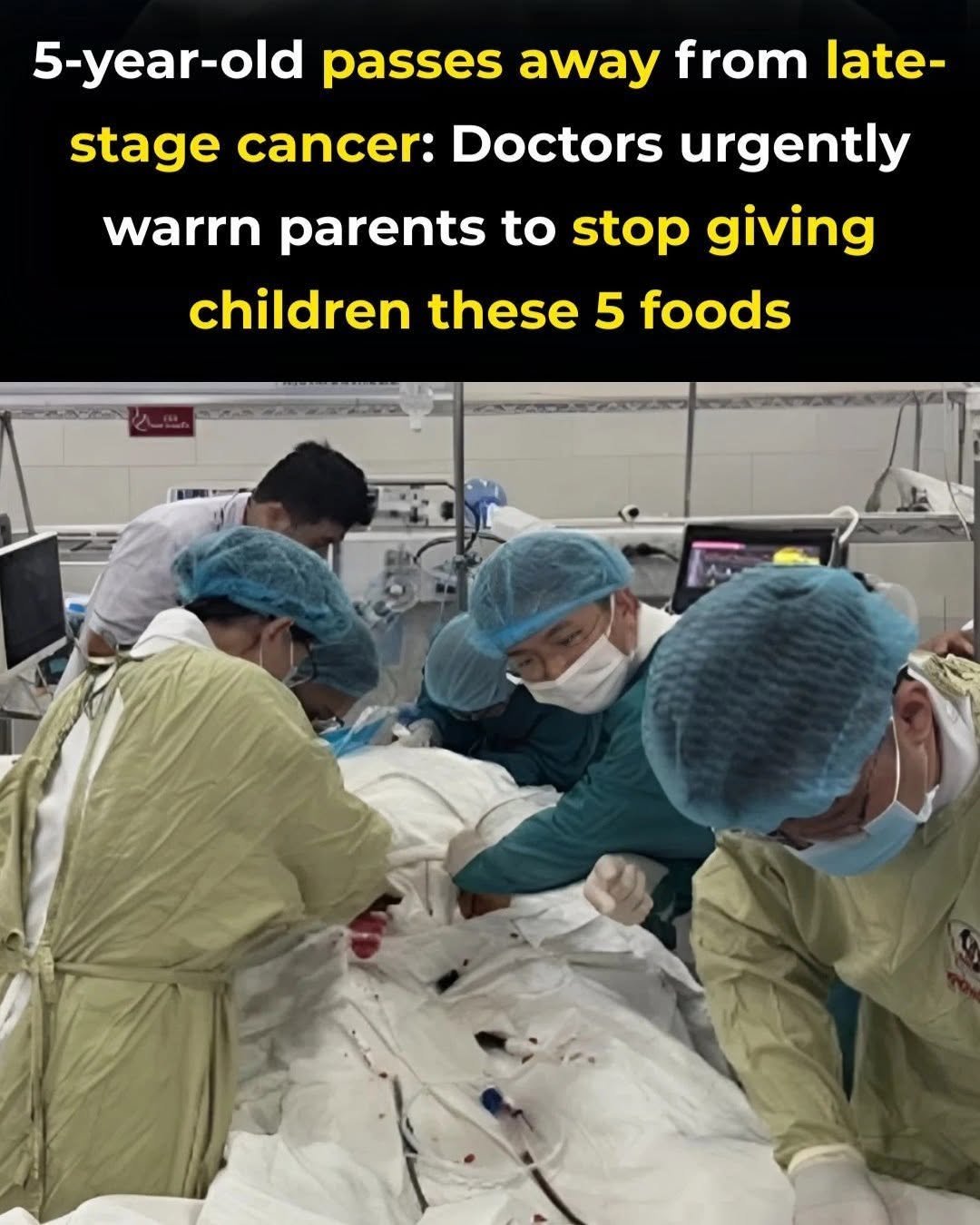
    Not every food on a viral “never feed your children” list is actually dangerous, but some foods deserve serious attention because of their sugar, sodium, mercury, food-safety, or choking risks. First are sugary drinks and heavily sweetened foods, including sodas, sweetened juices, flavored drinks, candies, and many packaged desserts. Excess added sugar provides calories without much nutritional value and can contribute to tooth decay and unhealthy weight gain. The World Health Organization recommends limiting foods and drinks high in free sugars, salt, and unhealthy fats, particularly in young children. (who.int) Second are processed meats, such as hot dogs, sausages, ham, and some luncheon meats. These products can be high in sodium and saturated fat, and health authorities recommend limiting them in children’s diets. (cdc.gov)

    Third are high-mercury fish, including shark, swordfish, king mackerel, marlin, orange roughy, bigeye tuna, and tilefish from the Gulf of Mexico. Mercury exposure can harm the developing brain and nervous system, so young children should avoid these varieties while still eating appropriate lower-mercury fish for their nutritional benefits. (cdc.gov) Fourth are unpasteurized milk, cheese, yogurt, and juices. These products can contain harmful bacteria and pose a greater food-poisoning risk to young children, whose immune systems are still developing. (cdc.gov) Fifth are foods that present a choking hazard, particularly for babies and toddlers. Whole grapes, whole nuts, popcorn, hard raw vegetables, chunks of meat, hot dogs, hard candy, and spoonfuls of thick nut butter can be dangerous depending on a child’s age and developmental stage. Food should be prepared in an appropriate size, shape, and texture, and young children should always be supervised while eating. (cdc.gov)

    There are also a few age-specific rules parents should remember. Honey should not be given to children younger than 12 months because of the risk of infant botulism. (cdc.gov) Children under two should also avoid caffeinated drinks because there is no established safe caffeine limit for this age group. (cdc.gov) Rather than banning every packaged food, focus on a diverse diet built around vegetables, fruits, whole grains, pulses, eggs, appropriately prepared fish or meat, and other nutrient-dense foods. The goal is not fear—it is creating safe and nutritious eating habits early in life. Disclaimer: This article is for general educational and nutritional information only and does not constitute medical advice. Food recommendations vary according to a child’s age, development, allergies, medical conditions, and dietary needs. Always verify food-safety guidance through reliable health authorities and consult a pediatrician or qualified healthcare professional for individualized advice.

  • Cervical Cancer Often Develops Silently — 5 Warning Signs You Should Know

    Cervical Cancer Often Develops Silently — 5 Warning Signs You Should Know

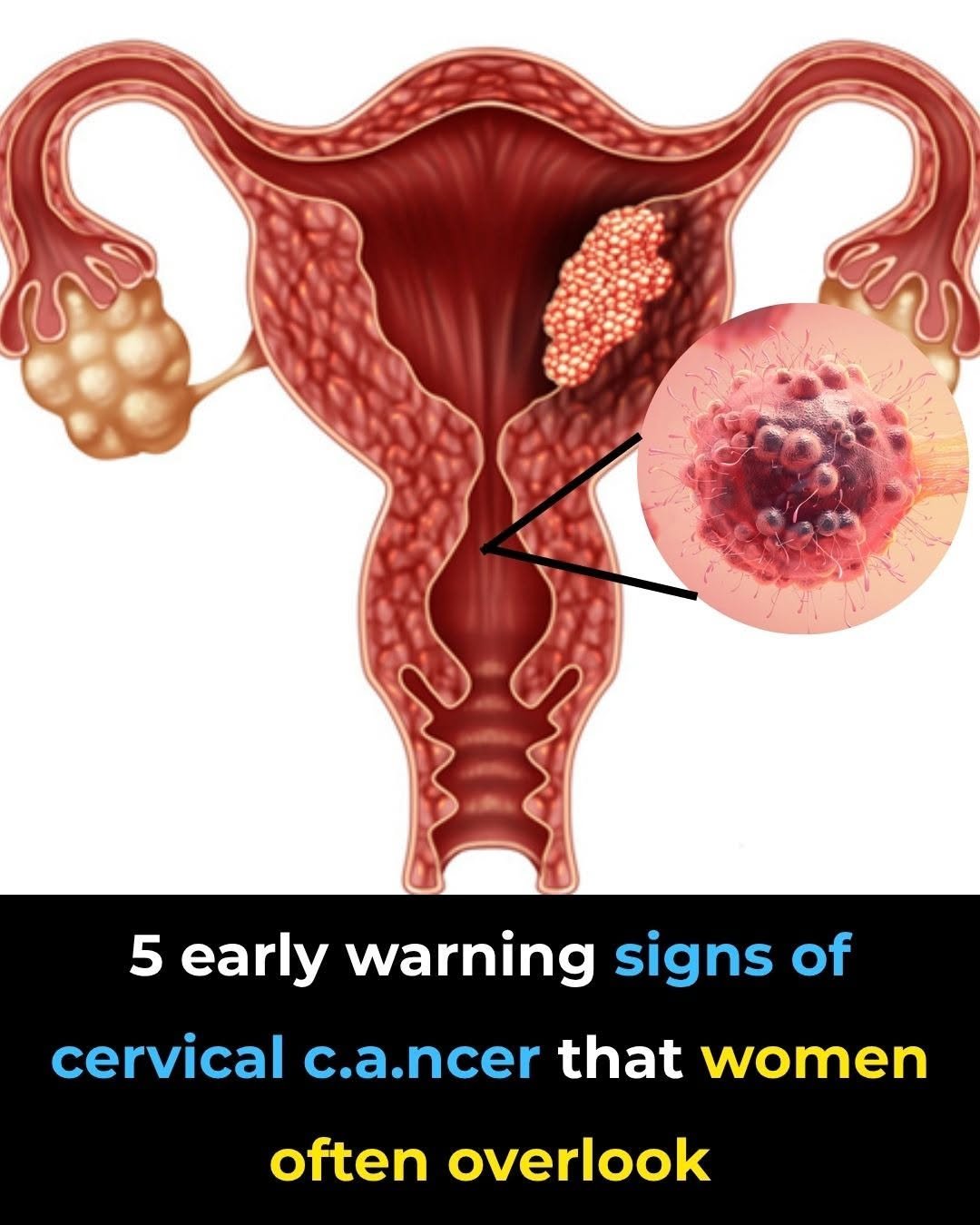
    Cervical cancer can develop without noticeable symptoms in its early stages, which is one reason regular cervical screening is so important. When symptoms do appear, one of the most important warning signs is unusual vaginal bleeding. This can include bleeding after sexual intercourse, bleeding between menstrual periods, periods that become heavier or last longer than usual, or any vaginal bleeding after menopause. A second warning sign is an unusual vaginal discharge, particularly discharge that is watery, has a strong odor, or contains blood. These symptoms do not automatically mean cancer—many infections and other gynecological conditions can cause similar changes—but they should not simply be ignored. The CDC recommends speaking with a doctor about unusual vaginal bleeding, while the National Cancer Institute notes that early cervical cancer may have no symptoms at all.

    A third possible warning sign is pelvic pain or pressure, particularly when it is persistent or occurs during sexual intercourse. A fourth is pain or difficulty during urination or bowel movements, although these symptoms are more commonly associated with cervical cancer that has progressed beyond the cervix. A fifth concerning pattern is persistent lower-back, abdominal, or pelvic discomfort accompanied by other unexplained changes. NCI lists difficult or painful urination, blood in the urine, painful bowel movements, backache, abdominal pain, and leg swelling among symptoms that can occur when cervical cancer has advanced. Importantly, these symptoms are not specific to cervical cancer and may result from infections, hormonal changes, fibroids, endometriosis, urinary problems, or other conditions. The key message is not to assume the worst, but to seek professional evaluation when symptoms are unusual, persistent, or different from your normal pattern.

    Perhaps the most important protection is not waiting for symptoms to appear. Cervical screening can identify precancerous cell changes before they develop into cancer, and HPV testing can identify high-risk HPV infections associated with cervical cancer. Persistent infection with certain high-risk HPV types causes almost all cervical cancers, but most HPV infections clear naturally and do not become cancer. If you notice unusual bleeding, abnormal discharge, persistent pelvic pain, or other unexplained symptoms, arrange an evaluation with a qualified healthcare professional rather than relying on online symptom lists. Disclaimer: This article is for general educational and informational purposes only and does not constitute medical advice, diagnosis, or treatment. The symptoms described can have many causes and do not prove the presence of cancer. Always verify cancer-related information through reliable medical sources and follow recommended cervical screening and HPV-prevention guidance from a qualified healthcare professional.

  • Smart Tips to Get Rid of Cockroaches and Maintain a Clean, Fresh Home

    Smart Tips to Get Rid of Cockroaches and Maintain a Clean, Fresh Home

    Getting rid of cockroaches usually requires more than simply spraying the insects you can see. Cockroaches are attracted to food, moisture, warmth, and accessible hiding places, so the most effective approach is to make your home less attractive to them while targeting existing infestations. Start by keeping kitchen counters, floors, and dining areas free from food crumbs and spills. Store food in tightly sealed containers, clean dishes promptly, empty garbage regularly, and avoid leaving pet food out overnight. The U.S. Environmental Protection Agency recommends eliminating food, water, and shelter sources as an important part of integrated pest management. (epa.gov) Repairing leaking faucets or pipes and drying damp areas can also reduce the moisture cockroaches need to survive.

    The second step is to block their entry and hiding areas. Inspect cracks around cabinets, pipes, doors, windows, baseboards, and other openings, then seal appropriate gaps with caulk or another suitable material. Reduce clutter, particularly cardboard boxes and paper piles, because these can provide hiding places. Sticky traps can help you determine where cockroach activity is concentrated, while properly placed cockroach baits can be more useful for controlling an infestation than repeatedly spraying visible insects. The EPA recommends using pesticides carefully and following the product label exactly, while avoiding excessive application. (epa.gov) If using bait stations or other pest-control products, keep them inaccessible to children and pets and never use a pesticide in a way that contradicts its label instructions.

    Finally, consistency is what keeps a home clean, fresh, and less attractive to cockroaches. Vacuuming regularly can remove crumbs, food particles, and some insects or egg cases, while routine cleaning of kitchens and bathrooms helps eliminate the conditions cockroaches prefer. If you continue seeing cockroaches during the day, find numerous insects, or notice activity despite cleaning and baiting, you may have a significant infestation that requires professional pest-control assistance. Avoid relying on viral “instant-kill” mixtures or unsafe household chemical combinations; mixing cleaning products or pesticides can create dangerous fumes or unexpected chemical reactions. A combination of sanitation, moisture control, sealing entry points, monitoring, and appropriate pest management is generally more reliable than a single homemade remedy. Disclaimer: This article is for general educational and household-maintenance information only and does not constitute professional pest-control or chemical-safety advice. Always read and follow the label of any pesticide or cleaning product, keep chemicals away from children and pets, and consult a licensed pest-control professional when an infestation is persistent or extensive.