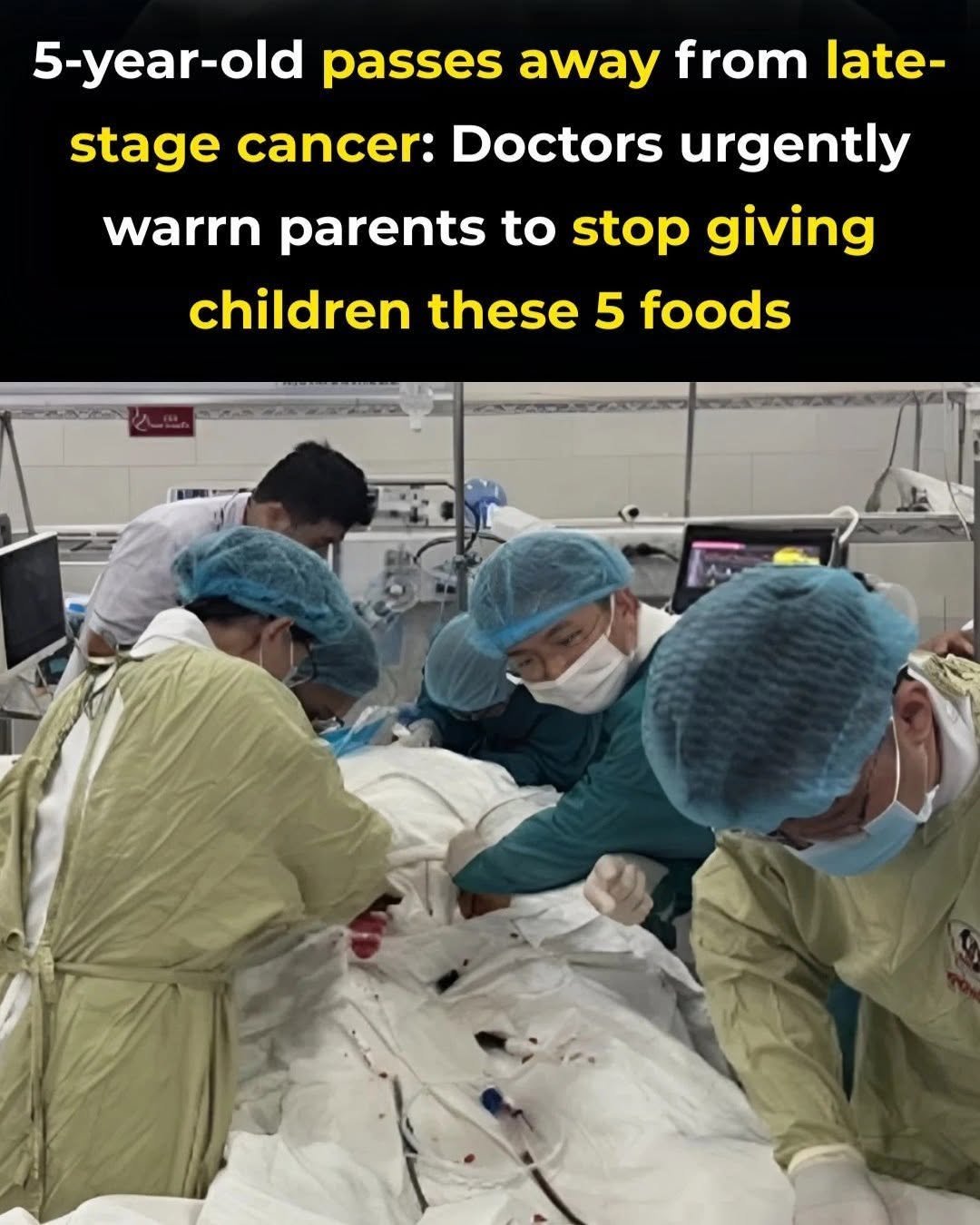
Not every food on a viral “never feed your children” list is actually dangerous, but some foods deserve serious attention because of their sugar, sodium, mercury, food-safety, or choking risks. First are sugary drinks and heavily sweetened foods, including sodas, sweetened juices, flavored drinks, candies, and many packaged desserts. Excess added sugar provides calories without much nutritional value and can contribute to tooth decay and unhealthy weight gain. The World Health Organization recommends limiting foods and drinks high in free sugars, salt, and unhealthy fats, particularly in young children. (who.int) Second are processed meats, such as hot dogs, sausages, ham, and some luncheon meats. These products can be high in sodium and saturated fat, and health authorities recommend limiting them in children’s diets. (cdc.gov)
Third are high-mercury fish, including shark, swordfish, king mackerel, marlin, orange roughy, bigeye tuna, and tilefish from the Gulf of Mexico. Mercury exposure can harm the developing brain and nervous system, so young children should avoid these varieties while still eating appropriate lower-mercury fish for their nutritional benefits. (cdc.gov) Fourth are unpasteurized milk, cheese, yogurt, and juices. These products can contain harmful bacteria and pose a greater food-poisoning risk to young children, whose immune systems are still developing. (cdc.gov) Fifth are foods that present a choking hazard, particularly for babies and toddlers. Whole grapes, whole nuts, popcorn, hard raw vegetables, chunks of meat, hot dogs, hard candy, and spoonfuls of thick nut butter can be dangerous depending on a child’s age and developmental stage. Food should be prepared in an appropriate size, shape, and texture, and young children should always be supervised while eating. (cdc.gov)
There are also a few age-specific rules parents should remember. Honey should not be given to children younger than 12 months because of the risk of infant botulism. (cdc.gov) Children under two should also avoid caffeinated drinks because there is no established safe caffeine limit for this age group. (cdc.gov) Rather than banning every packaged food, focus on a diverse diet built around vegetables, fruits, whole grains, pulses, eggs, appropriately prepared fish or meat, and other nutrient-dense foods. The goal is not fear—it is creating safe and nutritious eating habits early in life. Disclaimer: This article is for general educational and nutritional information only and does not constitute medical advice. Food recommendations vary according to a child’s age, development, allergies, medical conditions, and dietary needs. Always verify food-safety guidance through reliable health authorities and consult a pediatrician or qualified healthcare professional for individualized advice.
Leave a Reply