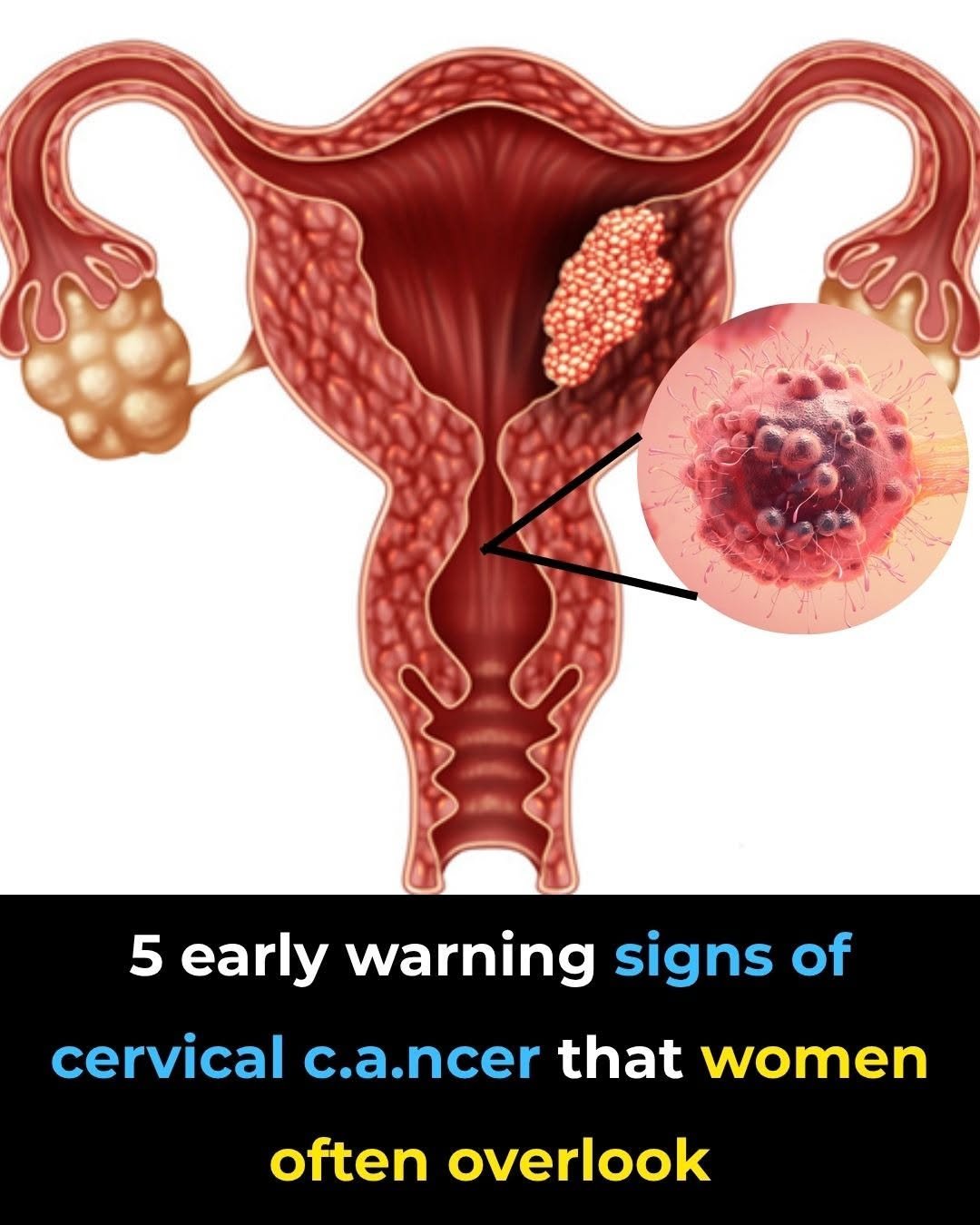
Cervical cancer can develop without noticeable symptoms in its early stages, which is one reason regular cervical screening is so important. When symptoms do appear, one of the most important warning signs is unusual vaginal bleeding. This can include bleeding after sexual intercourse, bleeding between menstrual periods, periods that become heavier or last longer than usual, or any vaginal bleeding after menopause. A second warning sign is an unusual vaginal discharge, particularly discharge that is watery, has a strong odor, or contains blood. These symptoms do not automatically mean cancer—many infections and other gynecological conditions can cause similar changes—but they should not simply be ignored. The CDC recommends speaking with a doctor about unusual vaginal bleeding, while the National Cancer Institute notes that early cervical cancer may have no symptoms at all.
A third possible warning sign is pelvic pain or pressure, particularly when it is persistent or occurs during sexual intercourse. A fourth is pain or difficulty during urination or bowel movements, although these symptoms are more commonly associated with cervical cancer that has progressed beyond the cervix. A fifth concerning pattern is persistent lower-back, abdominal, or pelvic discomfort accompanied by other unexplained changes. NCI lists difficult or painful urination, blood in the urine, painful bowel movements, backache, abdominal pain, and leg swelling among symptoms that can occur when cervical cancer has advanced. Importantly, these symptoms are not specific to cervical cancer and may result from infections, hormonal changes, fibroids, endometriosis, urinary problems, or other conditions. The key message is not to assume the worst, but to seek professional evaluation when symptoms are unusual, persistent, or different from your normal pattern.
Perhaps the most important protection is not waiting for symptoms to appear. Cervical screening can identify precancerous cell changes before they develop into cancer, and HPV testing can identify high-risk HPV infections associated with cervical cancer. Persistent infection with certain high-risk HPV types causes almost all cervical cancers, but most HPV infections clear naturally and do not become cancer. If you notice unusual bleeding, abnormal discharge, persistent pelvic pain, or other unexplained symptoms, arrange an evaluation with a qualified healthcare professional rather than relying on online symptom lists. Disclaimer: This article is for general educational and informational purposes only and does not constitute medical advice, diagnosis, or treatment. The symptoms described can have many causes and do not prove the presence of cancer. Always verify cancer-related information through reliable medical sources and follow recommended cervical screening and HPV-prevention guidance from a qualified healthcare professional.
Leave a Reply