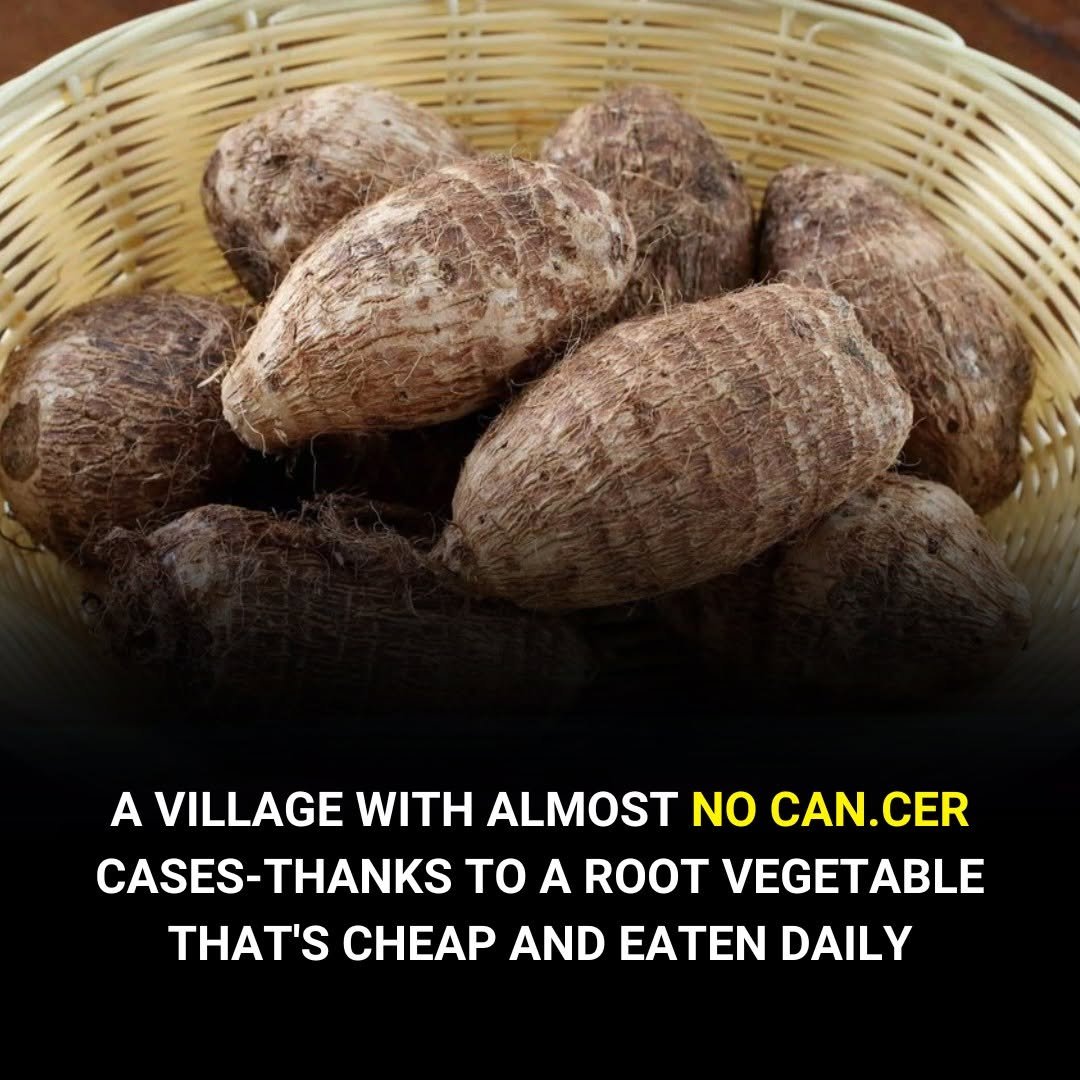
A humble root vegetable has attracted attention because of stories about a village where it is eaten regularly as part of the traditional diet. One version of the viral story identifies taro root as the vegetable that researchers found particularly interesting. Taro has been cultivated and eaten for centuries across parts of Asia, Africa, and the Pacific, and it provides carbohydrates, fiber, potassium, and other nutrients. What makes the story intriguing is not necessarily that taro is a miracle food, but that traditional diets often contain combinations of minimally processed foods that can contribute to overall nutritional quality. Researchers studying nutrition generally look beyond one ingredient because health outcomes are influenced by physical activity, body weight, genetics, sleep, environment, and the overall dietary pattern. Therefore, claims that one root vegetable is responsible for exceptional longevity or unusually low disease rates should be treated carefully.
Taro is particularly interesting from a nutrition perspective because it contains dietary fiber and resistant starch, compounds that can support digestive health and influence how carbohydrates are digested. Resistant starch can reach the large intestine and be fermented by gut bacteria, producing compounds that researchers continue to investigate for their potential metabolic effects. However, the benefits depend greatly on preparation and portion size. Taro should be cooked thoroughly before eating, because raw taro contains calcium oxalate crystals that can cause significant irritation and burning of the mouth and throat. Cooking appropriately reduces this problem and makes the vegetable suitable for use in soups, stews, mashed dishes, or other traditional meals. While laboratory and nutritional research can identify interesting properties, that does not mean eating taro prevents cancer, diabetes, or other diseases.
The bigger lesson from traditional village diets may actually be the overall lifestyle rather than one “superfood.” Diets centered on vegetables, legumes, whole foods, and home-cooked meals can provide a broad range of nutrients while reducing reliance on highly processed foods. Regular physical activity and consistent eating patterns may also contribute to long-term health. The available viral story does not provide sufficient evidence to conclude that a particular village’s health outcomes are caused by taro alone. If you enjoy taro, it can certainly be included as part of a varied and balanced diet, alongside other vegetables, fruits, whole grains, legumes, and appropriate protein sources. Disclaimer: This article is for general educational and nutritional information only and does not constitute medical advice, diagnosis, or treatment. Claims connecting a single food with exceptional longevity or cancer prevention should not be considered proven without strong human evidence. Always verify health and nutrition claims through reliable scientific and medical sources and consult a qualified healthcare professional for personalized dietary guidance.
Leave a Reply