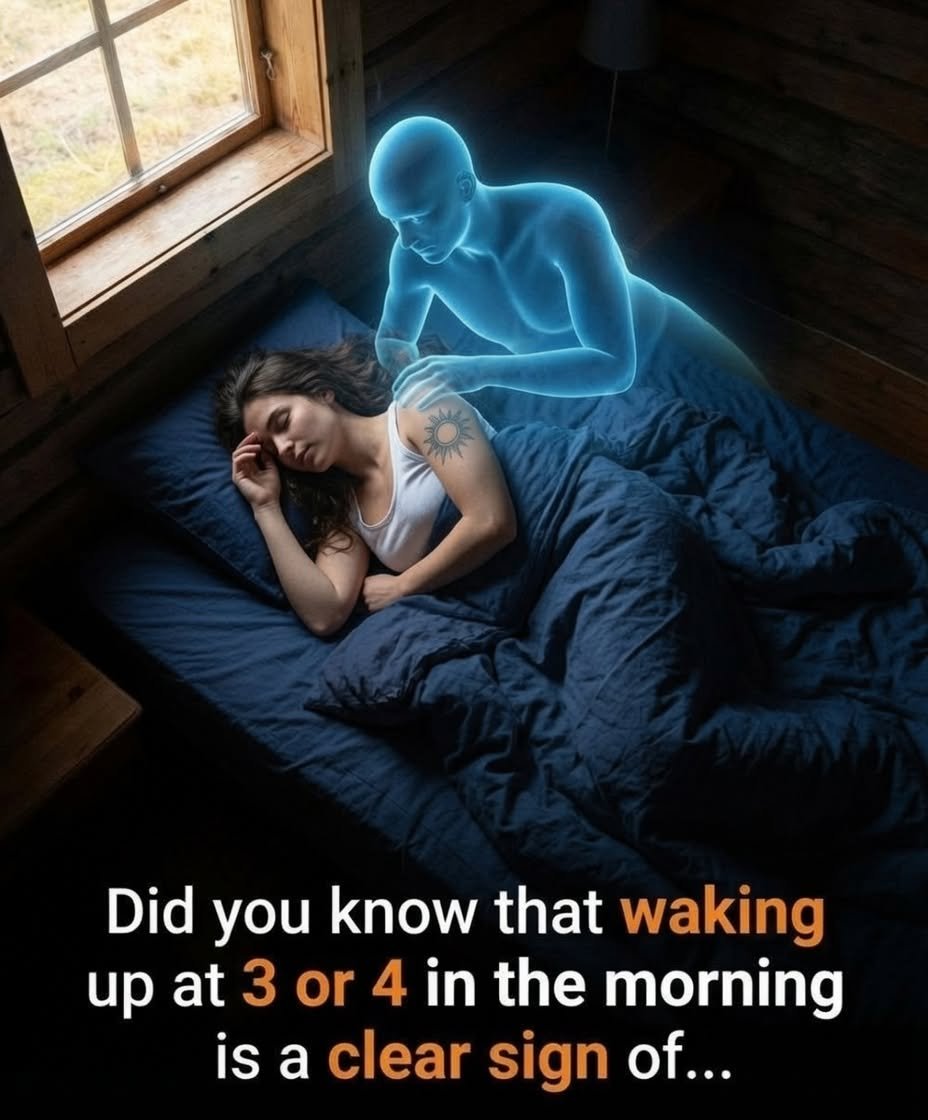
Waking up at 3 or 4 a.m. is not automatically a “clear sign” of one particular disease. Nighttime awakenings are common, and occasional interruptions can happen because of stress, noise, temperature changes, an uncomfortable sleeping environment, caffeine, alcohol, or simply normal variations in sleep. Mayo Clinic notes that waking during the night and waking too early are common symptoms of insomnia, while stress, medications, medical conditions, and sleep-related disorders can all contribute. (mayoclinic.org) As people get older, changes in sleep patterns can also make early-morning awakenings more common. Therefore, the clock time alone is not enough to identify the cause.
What matters more is what happens when you wake up and whether the pattern keeps occurring. If you wake because you need to urinate several times a night, this may be nocturia, which can have causes ranging from drinking fluids close to bedtime to bladder or prostate problems and other medical conditions. (mayoclinic.org) If you wake up gasping, choking, with a dry mouth, morning headaches, loud snoring, or significant daytime sleepiness, sleep apnea is another possibility worth discussing with a healthcare professional. (mayoclinic.org) Anxiety, persistent pain, acid reflux, certain medications, and other health conditions can also interrupt sleep. The important clue is the combination of symptoms, not simply waking at a particular hour.
If this happens occasionally and you quickly return to sleep, there may be no reason for concern. But if you regularly wake at 3 or 4 a.m. and cannot fall back asleep, feel exhausted during the day, or notice loud snoring, breathing pauses, frequent urination, pain, or other persistent symptoms, consider speaking with a healthcare professional. Helpful habits include keeping a consistent sleep schedule, limiting caffeine later in the day, avoiding excessive alcohol, creating a comfortable dark bedroom, and avoiding prolonged screen use immediately before bed. (mayoclinic.org) Disclaimer: This article is for general educational and health information only and does not constitute medical diagnosis, treatment, or personalized advice. Waking at 3 or 4 a.m. is not, by itself, proof of a specific illness. Persistent sleep disruption or concerning accompanying symptoms should be evaluated by a qualified healthcare professional, and important health claims should always be verified through reliable medical sources.