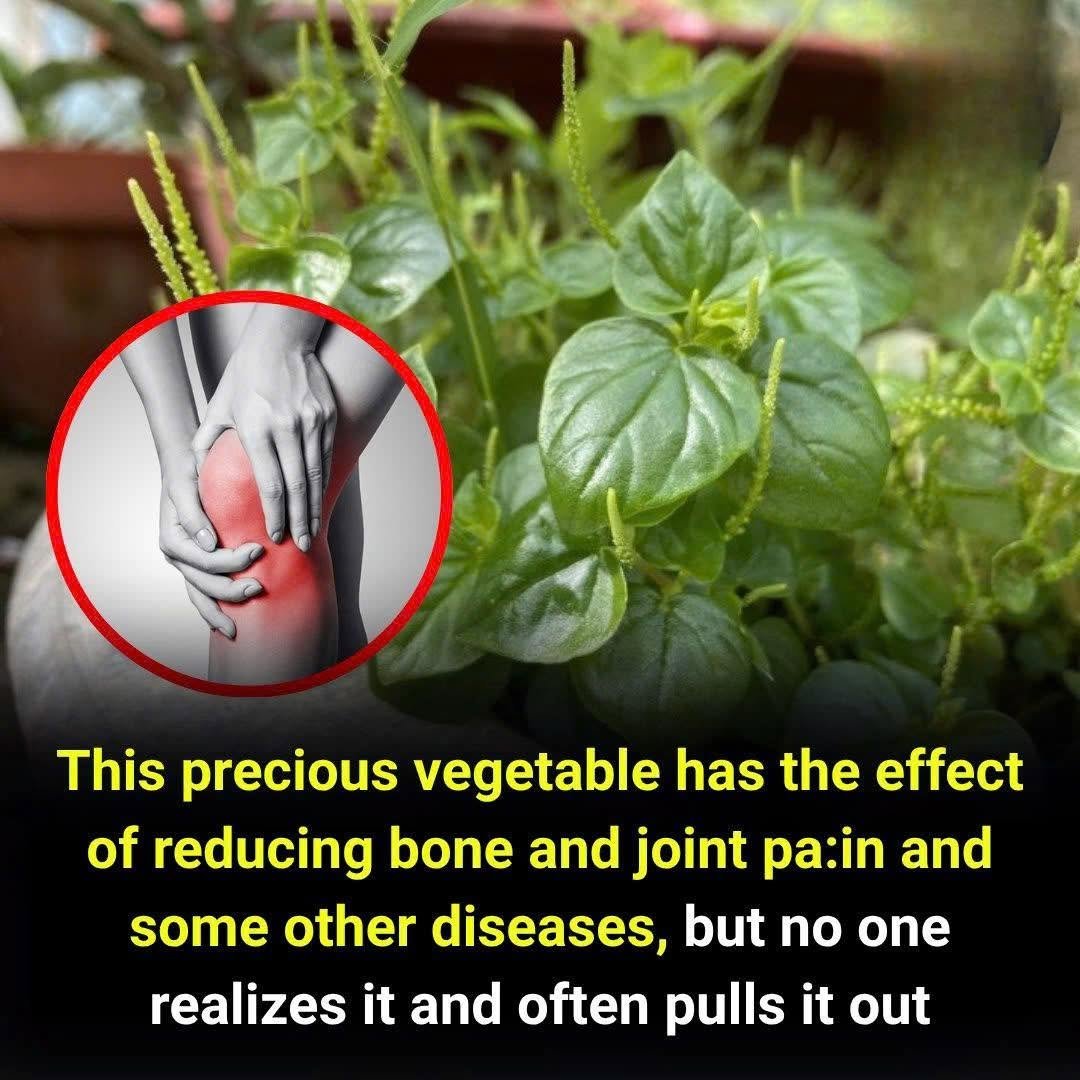
The “weed” many gardeners pull from their yards may actually be purslane (Portulaca oleracea), a leafy succulent that has been eaten in many parts of the world for generations. Purslane is surprisingly nutrient-dense and provides omega-3 fatty acids, calcium, magnesium, potassium, vitamin C, vitamin E, and various antioxidant plant compounds. Research has identified alpha-linolenic acid (ALA), a plant-based omega-3 fatty acid, as one of its notable nutritional components. Calcium and magnesium are particularly relevant to maintaining normal bone structure and function, while omega-3 fatty acids have been studied for their potential role in inflammatory conditions affecting the joints. However, it would be misleading to call purslane a proven cure for arthritis or bone pain.
There is some interesting human research behind the plant’s reputation. A 12-week randomized controlled trial involving 86 people with rheumatoid arthritis found that participants receiving purslane supplements experienced improvements in several measures, including joint tenderness, swelling, morning stiffness, disease activity, and inflammatory markers, compared with placebo. A systematic review and meta-analysis of randomized trials also found a modest reduction in C-reactive protein following purslane supplementation, although the researchers noted substantial variation between studies and emphasized that more research is needed. These findings are encouraging, but they do not prove that eating ordinary amounts of fresh purslane will relieve everyone’s joint pain. Much of the clinical research has involved supplements or specific preparations rather than simply adding the plant to everyday meals.
If you can positively identify edible purslane, its tender leaves and stems can be added to salads, soups, cooked vegetable dishes, or other meals. But identification matters because not every wild plant is safe to eat, and plants growing beside roads or in areas exposed to pesticides, animal waste, or contaminated soil should be avoided. Purslane also contains relatively high levels of oxalates, so people with certain kidney conditions or a history of calcium-oxalate kidney stones may need individualized dietary advice. The best approach is to view purslane as a nutritious vegetable—not a replacement for medical treatment for arthritis, osteoporosis, or persistent pain. Disclaimer: This article is for general educational and nutritional information only and does not constitute medical diagnosis, treatment, or personalized dietary advice. Research on purslane is promising but still limited, and its ability to directly relieve joint or bone pain has not been definitively established. Always verify wild-plant identification and health claims through reliable sources and consult a qualified healthcare professional for persistent pain or medical conditions.
Leave a Reply