
Blog

  • Proven Health Benefits of Celery & Nutrition Facts (Evidence Based)

    Proven Health Benefits of Celery & Nutrition Facts (Evidence Based)

    Celery is a low-calorie, nutrient-containing vegetable that can fit easily into a balanced diet. A medium stalk weighing about 40 grams contains approximately 6 calories, 1 gram of carbohydrate, 1 gram of dietary fiber, and about 32 mg of sodium, according to USDA nutrition information. Celery also provides small amounts of vitamin A, vitamin C, calcium, and other micronutrients. Because it contains a high proportion of water while contributing relatively few calories, celery can be useful for people trying to increase vegetable intake without adding many calories. Its fiber also contributes to normal digestive function, while its plant compounds—including flavonoids and other phytochemicals—are being investigated for potential antioxidant and cardiovascular effects. However, celery should be viewed as one nutritious vegetable among many rather than a “detox” food or miracle ingredient.

    One of the most researched potential benefits of celery is its relationship with blood pressure and cardiometabolic health. A 2025 systematic review and meta-analysis examined 10 randomized controlled studies involving 511 adults and reported improvements in systolic and diastolic blood pressure, fasting blood glucose, and triglycerides among participants receiving celery preparations. However, the researchers also highlighted substantial variation between studies, relatively small sample sizes, and the need for larger, higher-quality trials. Importantly, several of the studies used celery seeds or concentrated preparations, not simply ordinary servings of celery stalks eaten with meals. Therefore, these findings should not be interpreted as proof that eating a few celery sticks will treat hypertension, diabetes, or high cholesterol. Celery may contribute to a heart-conscious dietary pattern, but it should never replace prescribed medication or professional medical care.

    For everyday nutrition, the simplest approach is to enjoy celery as part of a varied diet rich in vegetables, fruits, whole grains, legumes, nuts, seeds, and healthy protein sources. Celery can be added to salads, soups, sandwiches, stir-fries, or eaten with a nutritious dip. While its impressive reputation sometimes leads to claims about rapid weight loss, detoxification, or disease prevention, evidence does not support treating celery juice or celery supplements as a cure-all. Concentrated celery products may also differ substantially from ordinary food portions. If you take medication for blood pressure, blood sugar, or another condition, speak with a healthcare professional before using concentrated celery or celery-seed supplements regularly. Disclaimer: This article is for general educational and nutritional information only and does not constitute medical diagnosis, treatment, or personalized dietary advice. Research suggests potential benefits from celery, particularly regarding some cardiometabolic markers, but evidence remains limited for several claimed effects. Always verify health claims through reliable scientific sources and consult a qualified healthcare professional for individualized guidance.

  • Think You’re Drinking Enough Water? Here’s How to Easily Reach 8 Glasses Daily

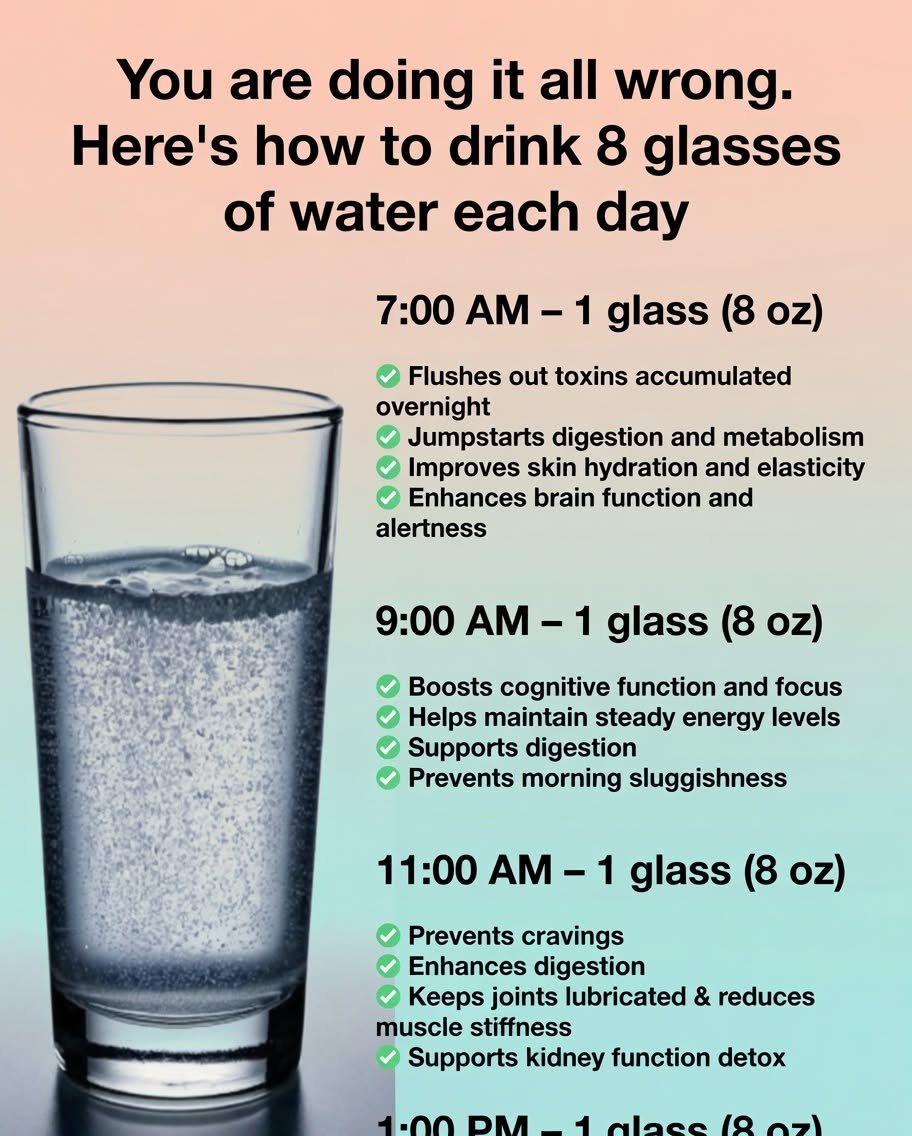
    Think You’re Drinking Enough Water? Here’s How to Easily Reach 8 Glasses Daily

    Staying hydrated is essential for normal body function, temperature regulation, digestion, circulation, and waste removal, but the popular “eight glasses a day” rule is not a universal requirement for everyone. Fluid needs vary depending on body size, activity level, climate, diet, age, pregnancy, breastfeeding, and certain medical conditions. The CDC notes that water needs can differ from person to person and that plain water is an excellent way to meet fluid requirements. (cdc.gov) A simple way to build a consistent routine is to spread your drinks throughout the day instead of trying to consume a large amount at once. You might have one glass after waking, another with breakfast, one mid-morning, one with lunch, one during the afternoon, one with dinner, and another in the evening. Foods such as fruits, vegetables, soups, and other beverages also contribute to total fluid intake.

    If you frequently forget to drink water, make hydration easy and automatic. Keep a reusable bottle nearby, drink a glass with meals, and take a few sips whenever you return to your desk, finish a task, or come back from outside. You can also add naturally flavorful ingredients such as lemon, mint, or slices of cucumber if plain water feels boring. Choosing water instead of sugary drinks can be particularly helpful because it provides hydration without added sugar and calories. (cdc.gov) During hot weather or exercise, your fluid requirements may increase because you lose more water through sweating. Pay attention to thirst and other signs of dehydration, such as a dry mouth, dizziness, unusual tiredness, or darker urine. However, drinking excessively is not better; very large amounts of water over a short period can be dangerous.

    The key is to focus on regular hydration rather than obsessing over an exact number of glasses. If eight glasses fits comfortably into your daily routine, it can be a convenient personal target, but your body’s needs may be higher or lower. People with kidney, heart, or liver conditions who have been instructed to restrict fluids should follow their healthcare professional’s recommendations instead of adopting a generic hydration goal. Likewise, athletes or people working outdoors in hot environments may need a more individualized strategy. Disclaimer: This article is for general educational and hydration information only and does not constitute medical diagnosis, treatment, or personalized advice. The “8 glasses” guideline is not appropriate for everyone, and individual fluid needs vary. Always verify important health information through reliable medical sources and consult a qualified healthcare professional if you have a medical condition or concerns about hydration.

  • Can Three Familiar Foods Naturally Support Ovarian Health? Here’s What Research Suggests

    Can Three Familiar Foods Naturally Support Ovarian Health? Here’s What Research Suggests

    Certain foods can provide nutrients that support overall reproductive and metabolic health, but the idea that three specific foods can “slow ovarian aging” or prevent the natural decline in ovarian reserve is much stronger than the current evidence allows. Ovarian reserve refers to the number of eggs remaining in the ovaries, and it naturally declines with age. The American Society for Reproductive Medicine identifies age as the single most important predictor of female fertility and explains that ovarian reserve is closely related to reproductive aging. Nutrition may still play a supportive role in overall health, so three practical choices are leafy green vegetables, fatty fish such as salmon, and nuts or seeds. These foods provide folate, fiber, antioxidants, healthy fats, protein, and other nutrients that fit well within a balanced eating pattern. Research has explored nutrients including folate, omega-3 fatty acids, vegetables, whole grains, fish, and certain plant foods in relation to fertility, although stronger clinical evidence is still needed.

    Leafy greens such as spinach and kale can contribute folate, magnesium, fiber, and a variety of plant compounds. Fatty fish provides protein and long-chain omega-3 fatty acids, while also supplying important nutrients such as vitamin D depending on the variety. Nuts and seeds provide unsaturated fats, minerals, fiber, and plant protein. These foods are not magic treatments for infertility, but they can be part of a Mediterranean-style or otherwise minimally processed dietary pattern that supports cardiovascular and metabolic health. A systematic review examining nutrition and ovarian aging found some potentially interesting associations involving vitamin D, soy foods, fiber, and other nutritional factors, but the researchers emphasized that the studies were limited and inconsistent, making definite conclusions about slowing ovarian aging impossible. In other words, eating these foods is sensible for nutrition, but claiming that they can preserve eggs or reverse ovarian aging would be misleading.

    The most realistic approach is to focus on overall lifestyle rather than a three-food “fertility hack.” A varied diet rich in vegetables, fruits, whole grains, legumes, fish, nuts, and healthy fats can support general health, while maintaining a healthy weight, avoiding smoking, staying physically active, and managing conditions such as diabetes or metabolic problems may also be important for reproductive wellbeing. Current fertility guidance specifically states that there is insufficient evidence that one particular diet or group of foods can improve natural fertility, even though healthy eating is encouraged for overall health. Women trying to conceive should also discuss appropriate folic-acid supplementation with a healthcare professional. Disclaimer: This article is for general educational and nutritional information only and does not constitute medical diagnosis, fertility treatment, or personalized advice. No three foods have been proven to stop or reverse ovarian aging, and dietary effects on ovarian reserve remain an area of ongoing research. Always verify reproductive-health claims through reliable medical sources and consult a qualified healthcare professional for individualized guidance.

  • If You’re Farting More Than 25 Times a Day, Here’s What It Could Mean

    If You’re Farting More Than 25 Times a Day, Here’s What It Could Mean

    Passing gas is a normal part of digestion, and the number of times a person passes gas can vary considerably. NIDDK notes that studies suggest an average of about 8–14 times a day, while up to 25 times per day can still fall within the normal range for some people. So, passing gas more than 25 times does not automatically mean something is wrong. Increased flatulence can happen after eating foods that are difficult to digest, including beans, lentils, broccoli, cabbage, certain fruits, dairy products, whole grains, or foods containing sugar alcohols such as sorbitol. Carbonated drinks, chewing gum, eating quickly, and swallowing excess air can also contribute to more gas.

    What deserves more attention is a persistent change in your usual pattern, especially when excessive gas occurs together with other symptoms. Gas accompanied by abdominal pain, persistent bloating, diarrhea, constipation, unexplained weight loss, blood in the stool, or recurrent nausea and vomiting should be discussed with a healthcare professional. Possible underlying causes can include constipation, lactose intolerance, irritable bowel syndrome (IBS), celiac disease, or other digestive disorders. In some cases, medications can also contribute to excessive or unpleasant-smelling gas, so prescribed medicines should not be stopped or changed without professional advice.

    If you’re experiencing frequent gas, start by looking for patterns rather than assuming the worst. Eat more slowly, limit carbonated beverages, avoid chewing gum, and keep a simple food-and-symptom diary to identify foods that consistently trigger symptoms. If the problem continues, suddenly changes, or interferes with daily life, a healthcare professional can help determine whether further evaluation is appropriate. Disclaimer: This article is for general educational and digestive-health information only and does not constitute medical diagnosis, treatment, or personalized advice. Passing gas more than 25 times a day does not by itself prove that you have a disease, and many harmless dietary factors can increase flatulence. Always verify health information through reliable medical sources and consult a qualified healthcare professional if you have persistent symptoms or warning signs.

  • Most People Overlook Chicken Feet—Until They Learn These Surprising Benefits

    Most People Overlook Chicken Feet—Until They Learn These Surprising Benefits

    Chicken feet may not be the first food that comes to mind when you think about nutritious ingredients, but they contain a substantial amount of connective tissue and collagen, along with protein and smaller amounts of minerals and other nutrients. A typical serving of two chicken feet has been reported to provide around 14 grams of protein, with much of that protein coming from collagen. (Healthline) Collagen is an important structural protein found throughout the body, including in skin, tendons, cartilage, bones, and connective tissues. This has led researchers to investigate whether consuming collagen-containing foods or collagen supplements might support skin and musculoskeletal health. Recent reviews of clinical trials have found potentially beneficial effects from oral collagen supplementation on some measures of skin, joints, and muscle health, although the evidence varies depending on the outcome and study design. (PubMed Central (PMC)) Importantly, these findings relate primarily to collagen supplementation and should not be interpreted as proof that eating chicken feet produces the same effects.

    One potential advantage of chicken feet is therefore their collagen-rich protein profile, but there are important limitations. Eating collagen does not mean that the collagen travels directly to your skin or joints; digestion breaks dietary proteins down into amino acids and smaller peptides that the body then uses in different ways. Chicken feet can also contain a meaningful amount of fat, particularly because much of the edible portion includes skin. Preparation makes a major difference: deep-frying or serving them with rich, salty sauces can substantially increase calories, sodium, and unhealthy fats. (Healthline) For someone trying to maintain a heart-conscious eating pattern, a boiled or stewed preparation may be preferable to heavily fried versions. Chicken feet should also be purchased from a reliable source and handled carefully because raw poultry can carry harmful bacteria. The CDC recommends cooking chicken to an internal temperature of 165°F (74°C) and keeping raw poultry and its juices away from ready-to-eat foods. (CDC)

    The biggest takeaway is that chicken feet can be a nutritious traditional food when properly prepared, but they are not a miracle ingredient capable of reversing aging, curing joint disease, or guaranteeing youthful skin. Researchers continue to explore the nutritional and functional potential of chicken feet, including their collagen and bioactive peptides, and a 2026 review described them as an underused source of collagen and other potentially valuable compounds. (PubMed) If you enjoy them, consider incorporating them into balanced soups or stews alongside vegetables and other nutrient-rich foods rather than relying on them as a supplement or treatment. Disclaimer: This article is for general educational and nutritional information only and does not constitute medical advice, diagnosis, or treatment. Evidence about collagen benefits does not prove that eating chicken feet prevents disease or directly improves skin or joints. Always verify health claims through reliable scientific and medical sources, follow proper poultry food-safety practices, and consult a qualified healthcare professional for personalized dietary guidance.

  • Bruises Can Have Many Causes — Here’s When You Should Pay Attention

    Bruises Can Have Many Causes — Here’s When You Should Pay Attention

    A bruise usually develops when small blood vessels beneath the skin are damaged, allowing blood to leak into surrounding tissue. Most ordinary bruises are harmless and gradually change color before disappearing as the body reabsorbs the blood. Bruising can also become more common with age because skin becomes thinner and loses some of the protective fatty tissue that cushions blood vessels. Certain medicines—including blood thinners, antiplatelet drugs, some anti-inflammatory medicines, and corticosteroids—can also make bruising easier. (mayoclinic.org) Therefore, finding an occasional bruise after a minor bump is generally not a reason to panic, particularly when it heals normally.

    However, frequent, unusually large, painful, or unexplained bruises deserve more attention. Be especially cautious if bruises suddenly begin appearing without an obvious injury, occur repeatedly on areas such as the chest, abdomen, back, or face, or are accompanied by other bleeding. Nosebleeds, bleeding gums, unusually heavy menstrual bleeding, blood in urine or stool, or tiny red-purple spots called petechiae can sometimes occur with problems involving platelets or blood clotting. (mayoclinic.org) Less commonly, unusual bruising can be associated with certain blood disorders or other medical conditions. If the pattern changes suddenly—especially after starting a new medication—contact a healthcare professional rather than assuming it is simply part of getting older. Do not stop prescribed blood-thinning medication on your own; discuss concerns with your doctor or pharmacist. (mayoclinic.org)

    For a typical bruise, rest the affected area and use a cold pack wrapped in a thin towel for about 20 minutes at a time during the first day or two to help reduce swelling and discomfort. (mayoclinic.org) Seek medical evaluation if bruises are frequent, large, painful, appear without a clear cause, form a noticeable lump, or remain painful several days after a minor injury. (mayoclinic.org) Bleeding that will not stop with normal first aid is an emergency and requires immediate medical attention. The key is to look for patterns and accompanying symptoms, rather than assuming every bruise signals a serious illness. Disclaimer: This article is for general educational and informational purposes only and does not constitute medical advice, diagnosis, or treatment. Bruising has many possible causes, and the presence of unexplained bruises does not automatically mean a serious disease is present. Always verify health information through reliable medical sources and consult a qualified healthcare professional about persistent, unusual, or worsening bruising.

  • Think Your Kettle Is Safe? Number 2 Might Surprise You

    Think Your Kettle Is Safe? Number 2 Might Surprise You

    Electric kettles are among the most convenient kitchen appliances, but they still require basic safety precautions. The first concern is overheating or operating a kettle incorrectly. Modern kettles often include automatic shut-off and boil-dry protection, but these features should not be treated as a substitute for proper use. Never switch on a kettle without enough water, keep the electrical base and plug dry, and avoid filling beyond the maximum line. Hot water and steam can cause serious scalds, and household burns frequently occur around hot liquids. (who.int) Keeping the kettle away from the edge of a counter and out of children’s reach is also important.

    Number 2: a faulty or poorly designed kettle can become a genuine burn hazard. This is the one that may surprise people because even a relatively new appliance can have a mechanical defect. In June 2026, the U.S. Consumer Product Safety Commission warned consumers to stop using certain Sekaer portable electric kettles because they could unexpectedly release hot liquid or steam. The agency reported 116 incidents and 89 injuries, including second- and third-degree burns. (cpsc.gov) This does not mean ordinary electric kettles are inherently dangerous, but it shows why consumers should check for recalls and stop using appliances that develop leaking lids, damaged handles, unusual pressure, electrical faults, or other abnormal behavior. A damaged cord or plug should also be treated as a safety issue rather than ignored.

    Number 3 is neglected cleaning and limescale buildup. White mineral deposits commonly develop when hard water is repeatedly boiled. Ordinary limescale itself is generally not considered harmful, but excessive buildup can affect kettle performance and make the appliance harder to maintain. (philips.com.pk) Descale the kettle according to the manufacturer’s instructions, unplug it before cleaning, and never immerse the electrical base in water. (mi.com) Finally, don’t use a kettle for substances it wasn’t designed to heat, and avoid leaving boiling water where children can reach it. Disclaimer: This article is for general household safety and informational purposes only and does not constitute professional safety advice. Kettle designs and risks vary by model. Always follow the manufacturer’s instructions, check applicable product-recall information, and discontinue use of an appliance that appears damaged, defective, or unsafe.

  • Both Men and Women Can Eat Well for Better Health

    Both Men and Women Can Eat Well for Better Health

    A healthy diet is important for both men and women, and the basic principles of nutritious eating are remarkably similar. Both benefit from a variety of vegetables, fruits, whole grains, legumes, nuts, seeds, and appropriate protein sources. Eating a diverse range of foods helps provide essential nutrients needed for energy, immune function, muscles, bones, and normal organ function. The World Health Organization recommends emphasizing a wide variety of minimally processed foods while limiting excessive amounts of free sugars, sodium, and unhealthy fats. (who.int) Rather than searching for a single “perfect” food, both men and women can benefit from building meals around nutrient-dense ingredients and maintaining reasonable portion sizes.

    However, nutritional needs can differ according to age, body size, activity level, and life stage. Women may have increased iron requirements during their reproductive years because of menstrual blood loss, while pregnancy and breastfeeding create additional needs for nutrients such as folate, iron, iodine, and choline. (ods.od.nih.gov) Men generally have higher average calorie requirements because of differences in body size and muscle mass, although individual needs vary considerably. Older adults of either sex may need to pay particular attention to protein, calcium, vitamin D, vitamin B12, and overall nutrient density. These differences do not mean men and women need completely separate diets; instead, a balanced eating pattern can be adjusted according to personal health goals and nutritional requirements.

    A practical approach for everyone is to fill meals with a variety of colorful vegetables and fruits, choose whole grains more often, include healthy protein sources, and favor unsaturated fats such as those found in nuts, seeds, fish, and certain plant oils. Staying hydrated, limiting highly processed foods, and maintaining regular physical activity can further support long-term health. (heart.org) If you have diabetes, kidney disease, high blood pressure, anemia, food allergies, or another medical condition, your nutritional needs may be different and should be discussed with a qualified professional. Disclaimer: This article is for general educational and nutritional information only and does not constitute medical advice, diagnosis, or treatment. Individual dietary requirements vary according to health status, age, lifestyle, and life stage. Always verify nutrition information through reliable scientific and medical sources and consult a qualified healthcare professional for personalized guidance.

  • Experts Warn: These Everyday Foods Could Sometimes Be Linked to Parasite Exposure

    Experts Warn: These Everyday Foods Could Sometimes Be Linked to Parasite Exposure

    Parasites are not something you should panic about, but certain foods can carry a higher risk when they are raw, undercooked, unwashed, or improperly handled. One important category is raw or undercooked fish and shellfish. Parasites such as Anisakis can infect people who consume contaminated raw or undercooked fish or squid, with symptoms potentially including abdominal pain, nausea, vomiting, diarrhea, and other gastrointestinal problems. (cdc.gov) Another category is undercooked meat. Certain parasites, including Trichinella and Toxoplasma gondii, can be transmitted through contaminated meat that has not been cooked sufficiently. (cdc.gov) This does not mean ordinary properly cooked meat or fish is unsafe; the concern is primarily associated with inadequate cooking and food-handling practices.

    A third category is fresh fruits and vegetables that have not been properly washed. Produce can become contaminated with microorganisms or parasite eggs through soil, contaminated water, animals, or handling. The CDC recommends rinsing fresh fruits and vegetables under running water and taking additional precautions when eating produce raw. (cdc.gov) Raw or undercooked sprouts can also carry foodborne pathogens and should be handled carefully. A fourth concern is unpasteurized foods and beverages, including raw milk and certain products made from it. Although these are more commonly associated with bacterial infections, contaminated foods can also contribute to broader foodborne illness risks. (cdc.gov) The important lesson is that food should not be labeled “dangerous” simply because it belongs to one of these categories; preparation, sourcing, storage, and hygiene make a major difference.

    The best protection is straightforward: clean, separate, cook, and chill. Wash hands and kitchen surfaces, keep raw meat and seafood separate from ready-to-eat foods, cook foods to appropriate internal temperatures, and refrigerate perishable foods promptly. The CDC recommends cooking fish to at least 145°F (63°C), poultry to 165°F (74°C), and ground meats to 160°F (71°C), while whole cuts of beef, pork, lamb, and veal should reach 145°F followed by a three-minute rest. (cdc.gov) People who are pregnant, very young, older, or immunocompromised should take extra care because some foodborne infections can be more serious for them. Disclaimer: This article is for general educational and food-safety information only and does not constitute medical advice, diagnosis, or treatment. The presence of a food on this list does not mean it contains parasites, and properly handled and cooked foods are generally much safer. Always verify food-safety information through reliable medical and government sources and consult a qualified healthcare professional if you develop persistent or concerning symptoms after a suspected foodborne exposure.

  • If You Have Leg Cramps at Night, Here’s What Your Body May Be Telling You

    If You Have Leg Cramps at Night, Here’s What Your Body May Be Telling You

    Waking up with a painful leg cramp can be alarming, but in most cases, nighttime leg cramps are common and not a sign of a serious disease. They usually involve the calf muscles, although the feet and thighs can also be affected. Doctors often cannot identify one exact cause; tired muscles and nerve-related changes may contribute, while dehydration, prolonged sitting, physical strain, pregnancy, and certain medications can increase the likelihood. The risk also tends to increase with age. (mayoclinic.org) So the idea that nighttime cramps automatically mean your legs are “lacking something” is misleading. Sometimes they happen even when there is no obvious nutritional deficiency.

    There are, however, situations in which recurring cramps can be associated with an underlying health issue. Kidney disease, diabetes-related nerve damage, thyroid disorders, peripheral artery disease, and certain medication effects can be linked with nighttime leg cramps. (mayoclinic.org) Electrolyte abnormalities involving minerals such as potassium, calcium, or magnesium can also contribute to muscle cramping in some circumstances. (medlineplus.gov) This does not mean you should automatically start taking magnesium or potassium supplements whenever a cramp occurs. Excessive supplementation can be harmful, particularly for people with kidney problems or those taking certain medications. Instead, focus on adequate hydration and a balanced diet, and discuss frequent cramps with a healthcare professional if they continue.

    When a cramp strikes, gently stretch and massage the affected muscle. For a calf cramp, straightening the leg and pulling the toes toward your face can help release the contraction. Walking carefully, using a warm shower, or applying heat may also provide relief. (mayoclinic.org) Regular calf stretching before bedtime and staying adequately hydrated may help reduce episodes for some people. Seek medical advice if cramps occur frequently, repeatedly disrupt your sleep, are accompanied by muscle weakness, or occur with leg swelling, redness, skin changes, numbness, or persistent pain. (mayoclinic.org) Disclaimer: This article is for general educational and informational purposes only and does not constitute medical advice, diagnosis, or treatment. Nighttime leg cramps have many possible causes and do not automatically indicate dehydration, mineral deficiency, poor circulation, or another specific condition. Always verify health information through reliable medical sources and consult a qualified healthcare professional about frequent, severe, or persistent cramps.