Blog

  • Start Today: Healthy Habits That May Help Reduce Cancer Risk

    Start Today: Healthy Habits That May Help Reduce Cancer Risk

    There is no single food, drink, supplement, or daily trick that can make cancer simply “fade away,” but healthy lifestyle choices can help lower the risk of developing several types of cancer. One of the most important steps is avoiding tobacco in all forms. The National Cancer Institute identifies tobacco use as a leading preventable cause of cancer and notes that quitting can substantially reduce cancer risk over time. Maintaining a healthy weight, staying physically active, and eating a nutritious diet are also important. The World Cancer Research Fund recommends making whole grains, vegetables, fruit, and pulses a major part of the diet while limiting processed meat, sugary drinks, and excess alcohol. (cancer.gov) These habits are not a guarantee against cancer, but they can contribute to better overall health and lower the risk of several chronic diseases.

    Another powerful step is following recommended cancer screening guidelines. Screening can sometimes detect certain cancers before symptoms develop, when treatment may be more effective. Depending on your age, sex, family history, and personal risk factors, recommended screening may include tests for colorectal, breast, cervical, or lung cancer. The U.S. Preventive Services Task Force provides evidence-based screening recommendations for several cancers, while local health authorities may use different guidelines based on population and available services. (uspreventiveservicestaskforce.org) Protecting your skin from excessive ultraviolet radiation, maintaining regular physical activity, and reducing exposure to known carcinogens can also be worthwhile preventive measures. If you already have cancer, lifestyle improvements can support overall health, but they should never replace evidence-based cancer treatment recommended by an oncology team.

    Start with realistic changes rather than chasing miracle cures: stop smoking, move your body regularly, eat more vegetables and whole foods, maintain a healthy weight, follow appropriate screening recommendations, and discuss persistent symptoms with a healthcare professional. If you have already been diagnosed with cancer, speak with your medical team before changing your diet, taking supplements, or stopping any prescribed treatment. Cancer treatment is highly individualized, and delaying effective care in favor of unproven remedies can be dangerous. Disclaimer: This article is for general educational and preventive-health information only and does not constitute medical diagnosis, treatment, or personalized advice. No lifestyle habit can guarantee that cancer will disappear, and cancer cannot safely be treated through diet or supplements alone. Always verify health claims through reliable medical sources and consult qualified healthcare professionals for screening, prevention, or cancer treatment decisions.
  • 5 Early Signs of Cancer Growth in the Body — Don’t Ignore Them

    5 Early Signs of Cancer Growth in the Body — Don’t Ignore Them

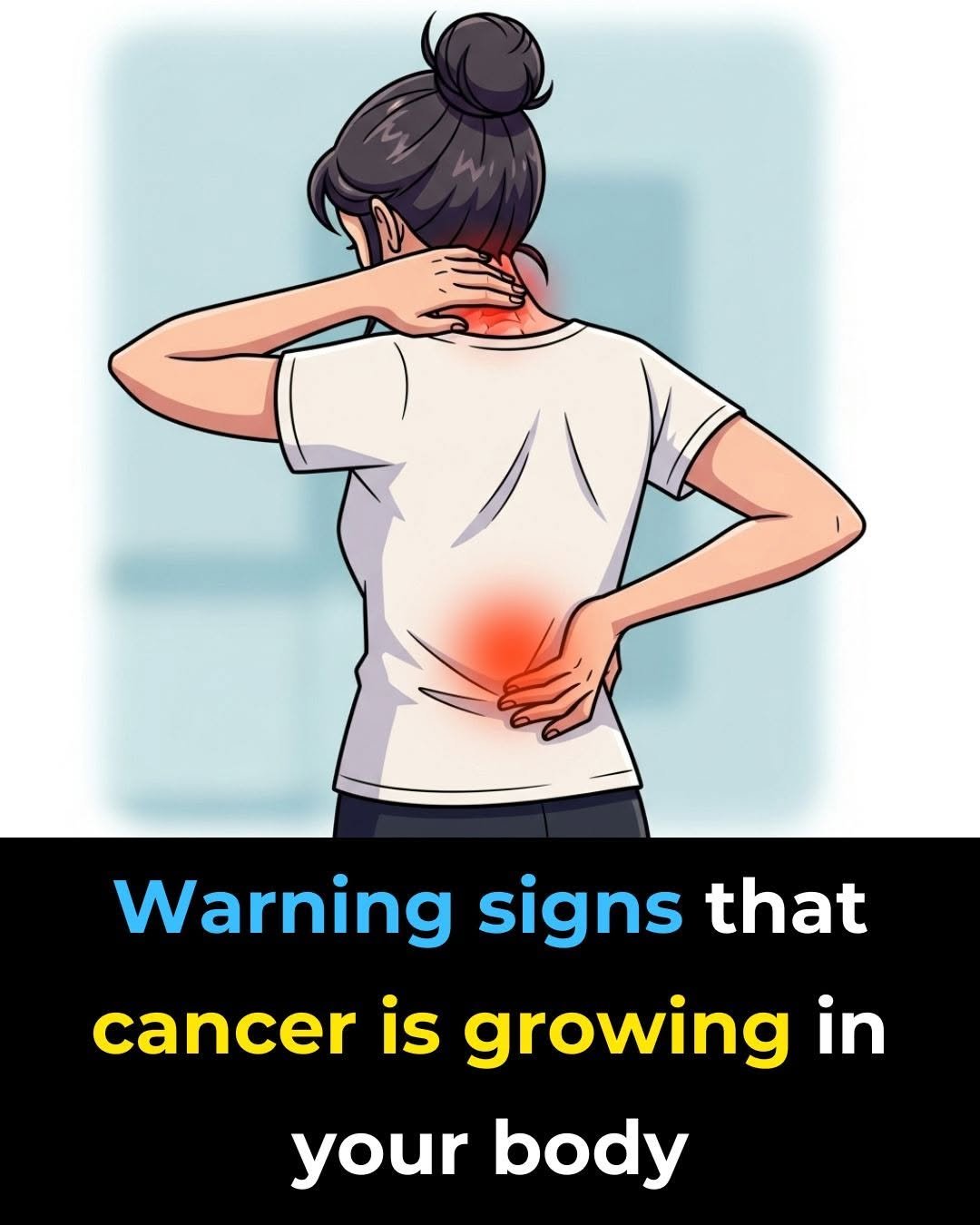
    Cancer does not always cause obvious symptoms in its early stages, and many symptoms associated with cancer are much more commonly caused by other conditions. Still, certain persistent or unexplained changes deserve medical attention. Five potential warning signs include 1) an unexplained lump or swelling, especially one that persists or grows; 2) unexplained weight loss, particularly when you have not changed your diet or activity level; 3) unusual bleeding or bruising, such as blood in the stool or urine or bruises that repeatedly appear without a clear injury; 4) persistent fatigue, especially when it does not improve with adequate rest; and 5) a cough or hoarseness that does not go away. The National Cancer Institute and American Cancer Society both list these among possible cancer-related signs and symptoms. Importantly, these signs do not prove that cancer is present—infections, medications, inflammation, benign growths, anemia, and many other conditions can cause similar changes.

    Another reason to pay attention is when a symptom keeps returning, becomes worse, or appears alongside other unusual changes. For example, persistent changes in bowel or bladder habits, difficulty swallowing, a sore that does not heal, a new or changing mole, persistent indigestion, unexplained fever or night sweats, or pain that does not go away can also warrant evaluation. It is important not to wait for pain before seeking medical advice, because some cancers may produce little or no pain in their early stages. At the same time, avoid assuming that a single symptom means you have cancer. A healthcare professional may need to review your medical history, perform an examination, and order blood tests, imaging, or other investigations. A biopsy is often needed to confirm whether abnormal tissue actually contains cancer cells.

    The safest approach is awareness without unnecessary fear. If you notice a new lump, unexplained weight loss, unusual bleeding, persistent fatigue, or a cough that continues for several weeks, arrange an appointment with a qualified healthcare professional rather than relying on online symptom lists. Early evaluation can help identify the actual cause and, when cancer is present, may allow treatment to begin sooner. Remember that screening can sometimes detect certain cancers before symptoms appear, so follow age- and risk-appropriate screening recommendations from your healthcare provider. Disclaimer: This article is for general educational and health information only and does not constitute medical diagnosis, treatment, or personalized medical advice. These five signs are not proof of cancer and often have causes unrelated to cancer. Always verify important health information through reliable medical sources and consult a qualified healthcare professional about persistent, unexplained, or worsening symptoms.

  • Be Careful: If You Get These Bruises, Don’t Ignore the Pattern

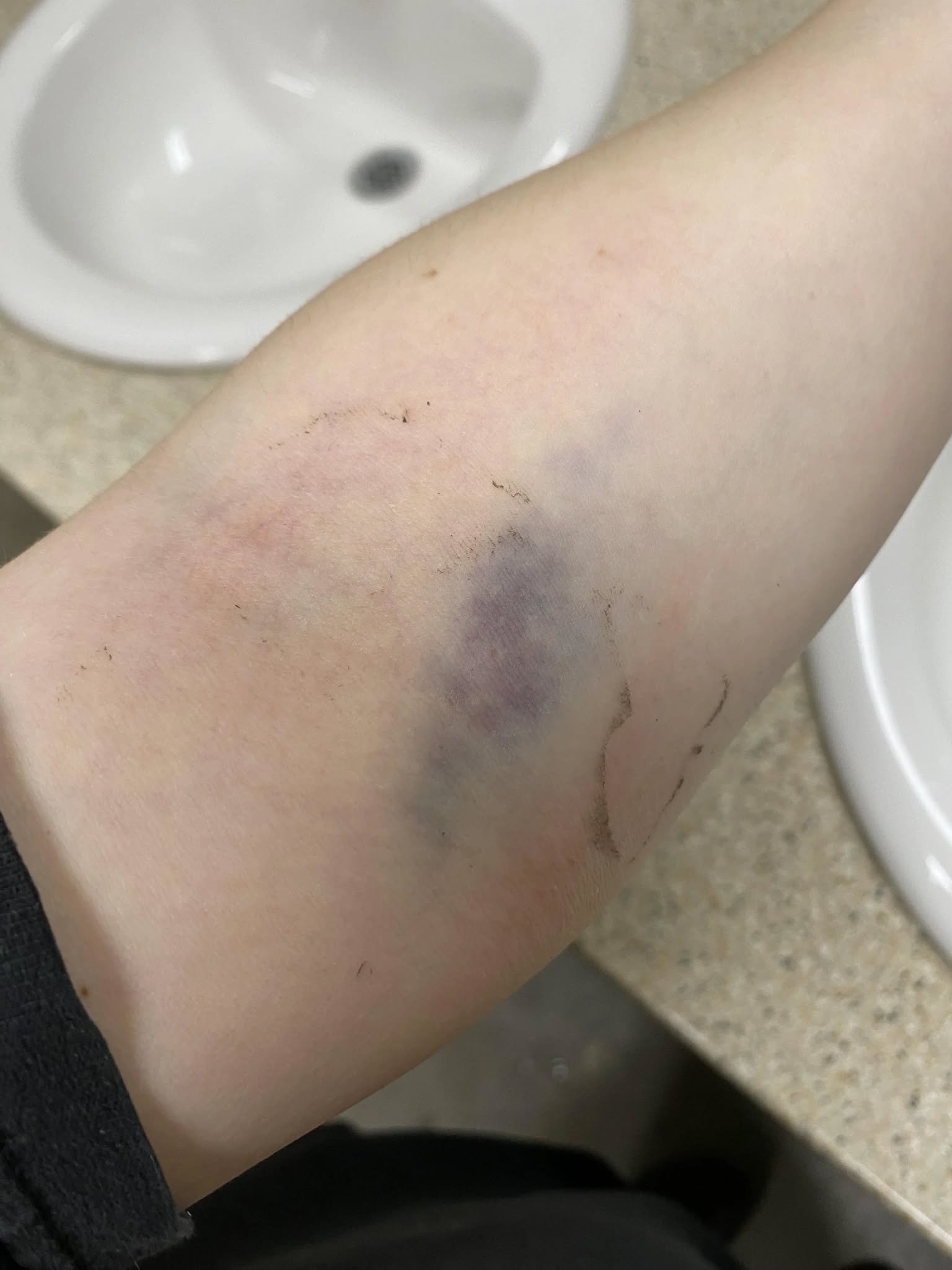
    Be Careful: If You Get These Bruises, Don’t Ignore the Pattern

    Bruises are extremely common and usually happen when small blood vessels under the skin are damaged by an injury, sometimes one you barely remember. Not every unexplained bruise means cancer. However, bruising that appears frequently, becomes unusually large, or occurs without an obvious injury can sometimes point to another health issue that deserves attention. The National Cancer Institute lists unusual bleeding or bruising among possible symptoms that can occur with certain cancers, including leukemia, but also emphasizes that these symptoms can have many other causes. (cancer.gov) Certain medications, including blood thinners and some anti-inflammatory drugs, can make bruising easier. Nutritional deficiencies, liver disease, platelet disorders, and problems with blood clotting can also contribute to unusual bruising. (mayoclinic.org)

    Pay particular attention to new bruises that repeatedly appear without an identifiable cause, especially if they are accompanied by other unusual symptoms. Warning signs can include frequent nosebleeds, bleeding gums, unusually heavy menstrual bleeding, prolonged bleeding from small cuts, persistent fatigue, recurrent infections, fever, night sweats, or unexplained weight loss. These combinations can have many explanations, but they are worth discussing with a healthcare professional. (cancer.gov) The location can also provide clues, but there is no specific body area where a bruise automatically means cancer. Bruises on the arms and legs are common, particularly after minor bumps, while sudden widespread bruising or rapidly increasing bruises deserves more attention. A clinician may review medications and medical history and, when appropriate, order blood tests to check platelets and blood-clotting function.

    The safest approach is to look for patterns rather than panic over one bruise. If a bruise is unusually painful, very large, keeps getting bigger, or appears repeatedly without an obvious injury, arrange a medical evaluation. You should also seek prompt medical care if unexplained bruising occurs alongside significant bleeding, severe weakness, dizziness, fainting, or other concerning symptoms. (mayoclinic.org) Taking a photo and noting when new bruises appear can help your healthcare professional assess the pattern. Disclaimer: This article is for general educational and health information only and does not constitute medical diagnosis, treatment, or personalized medical advice. Easy bruising is common and is usually caused by factors other than cancer. Unexplained or persistent bruising can have many causes, so avoid self-diagnosis and verify important health information through reliable medical sources and a qualified healthcare professional.

  • Doctors Warn Against Drinking These 2 Beverages Before Bed—Here’s Why

    Doctors Warn Against Drinking These 2 Beverages Before Bed—Here’s Why

    If you’re thirsty before bed, reaching for a drink may seem harmless, but some beverages can make it harder to get restful sleep. Two of the biggest ones to reconsider are caffeinated drinks and alcoholic beverages. Coffee, energy drinks, cola, and many types of tea contain caffeine, a stimulant that can remain active in the body for hours and interfere with falling asleep or staying asleep. Mayo Clinic recommends limiting caffeine and notes that caffeine can make insomnia worse, while the Sleep Foundation advises avoiding caffeine well before bedtime because its effects can persist for several hours. Alcohol can be equally deceptive: although it may initially make you feel sleepy, it can disrupt normal sleep patterns and lead to more awakenings later in the night. It can also worsen snoring and sleep apnea in some people.

    Another reason to avoid large drinks close to bedtime is nighttime urination. Drinking a lot of fluid shortly before going to sleep can increase the likelihood of waking up to use the bathroom, particularly in people who already experience nocturia. Mayo Clinic recommends reducing fluids before bedtime when nighttime urination is a problem, while still maintaining adequate hydration during the day. This does not mean you should deliberately go to bed dehydrated. If you’re genuinely thirsty, a modest amount of water is generally a better choice than a caffeinated or alcoholic beverage. People who regularly wake multiple times to urinate, especially when there is no obvious reason, should discuss the pattern with a healthcare professional because frequent nighttime urination can sometimes be associated with underlying urinary or other health conditions.

    The goal isn’t to create a strict rule that everyone must stop drinking after a certain hour. Individual sensitivity matters. If caffeine in the afternoon or evening keeps you awake, move caffeinated drinks earlier in the day. If alcohol is affecting your sleep, avoiding it close to bedtime may improve sleep quality. And if thirst frequently wakes you during the night, consider whether you are drinking enough fluids earlier in the day or whether another issue needs attention. A consistent sleep schedule, a comfortable bedroom, and avoiding large meals and excessive fluids near bedtime can also support better rest. Disclaimer: This article is for general educational and health information only and does not constitute medical diagnosis, treatment, or personalized advice. Caffeine and alcohol affect people differently, and moderate fluid intake remains important for overall health. Always verify health information through reliable medical sources and consult a qualified healthcare professional about persistent sleep problems, excessive thirst, or frequent nighttime urination.

  • Eating Steamed Sweet Potatoes Every Day, Woman Panicked When Receiving Liver Test Results: How Could This Be?

    Eating Steamed Sweet Potatoes Every Day, Woman Panicked When Receiving Liver Test Results: How Could This Be?

    Sweet potatoes are generally considered a nutritious food, providing fiber, potassium, vitamin C, and beta-carotene, particularly in orange-fleshed varieties. So why might someone who eats them every day become concerned after seeing abnormal liver-test results? The important point is that elevated liver enzymes do not automatically mean a particular food caused liver damage. Liver-function testing measures substances such as ALT and AST, and abnormal results can have many explanations, including medications, infections, metabolic conditions, alcohol use, fatty liver disease, or other liver problems. (mayoclinic.org) In fact, a study involving Bangladeshi women who consumed orange-fleshed sweet potatoes regularly for 60 days found increased blood beta-carotene but no increase in total body vitamin A stores, showing that normal dietary consumption does not automatically translate into vitamin A toxicity. (pubmed.ncbi.nlm.nih.gov)

    There is, however, an unusual situation worth understanding: extreme consumption of beta-carotene-rich foods can cause carotenemia, which may turn the skin yellow-orange. This is generally a benign condition and is different from jaundice because the whites of the eyes usually remain normal. Sweet potatoes are among the foods rich in beta-carotene that can contribute to it when consumed in very large amounts. (health.clevelandclinic.org) Rare case reports have described abnormal liver tests or liver injury in people consuming exceptionally restrictive diets dominated by beta-carotene-rich foods, but these cases involved unusual and prolonged dietary patterns—not simply eating a normal serving of steamed sweet potato with a balanced diet. (pubmed.ncbi.nlm.nih.gov) This distinction is crucial because headlines can make it sound as though sweet potatoes are inherently dangerous for the liver, which is not supported by the available evidence.

    If liver tests come back abnormal, the safest response is not to blame one food immediately. A healthcare professional can interpret the pattern and degree of ALT, AST, alkaline phosphatase, bilirubin, and other results alongside medications, supplements, alcohol intake, medical history, and other possible causes. (mayoclinic.org) For most people, steamed sweet potatoes can remain part of a varied, balanced diet. The concern would be excessive amounts combined with a highly restricted diet or an underlying medical condition—not ordinary consumption. Disclaimer: This article is for general educational and nutritional information only and does not constitute medical diagnosis, treatment, or personalized advice. Abnormal liver tests cannot be attributed to sweet potatoes without proper medical evaluation. Rare case reports should not be interpreted as evidence that ordinary sweet-potato consumption damages the liver. Always verify health claims through reliable medical sources and consult a qualified healthcare professional about abnormal liver results.

  • Cancer Signs Can Appear on the Feet — Here’s When to See a Doctor

    Cancer Signs Can Appear on the Feet — Here’s When to See a Doctor

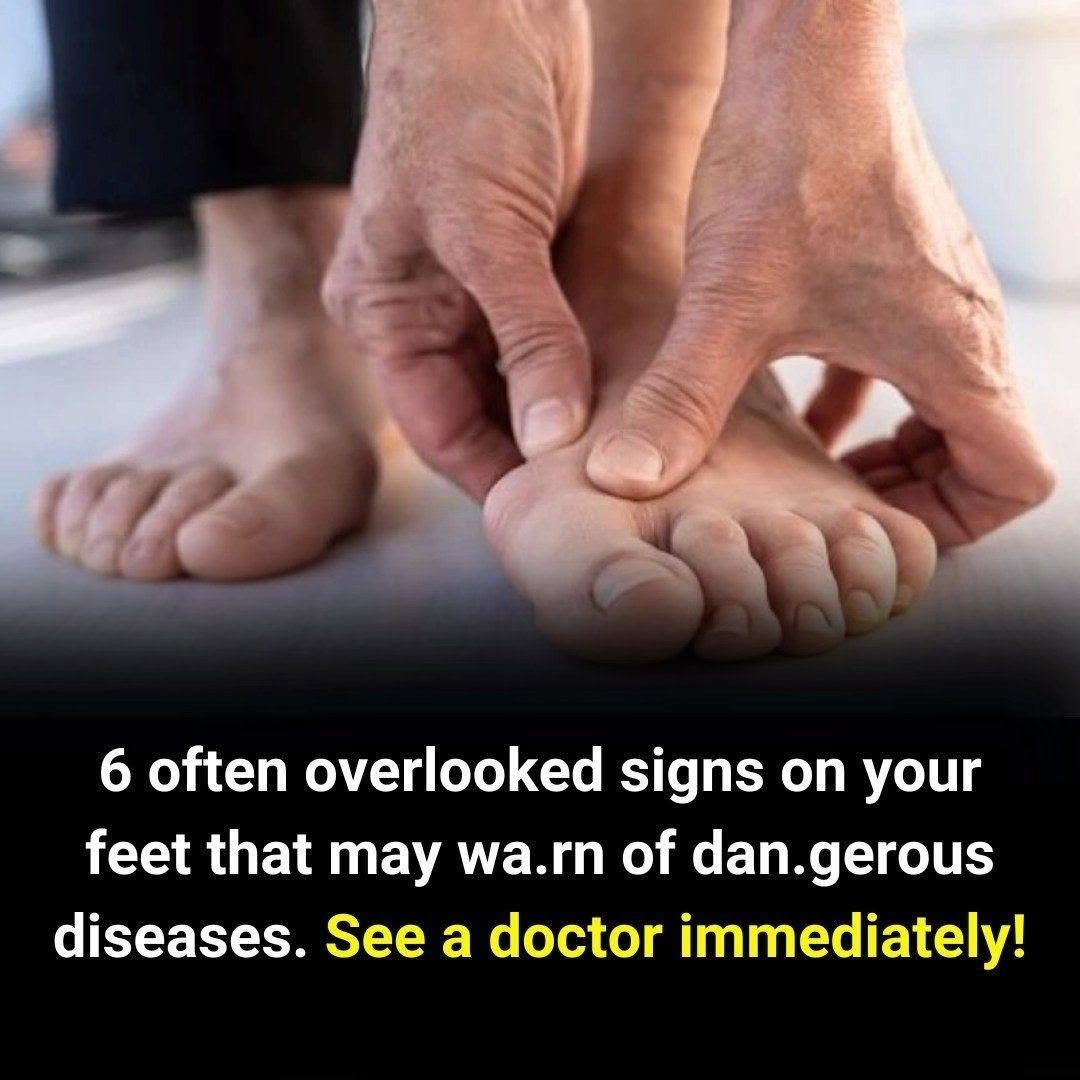
    Although cancer affecting the feet is uncommon, certain persistent changes in the skin, nails, or tissues of the feet should not automatically be dismissed. Skin cancers, including melanoma, can develop on areas that receive little sun exposure, including the soles of the feet and beneath or around the toenails. Warning signs may include a new or changing dark spot, a mole with an irregular shape or uneven color, a lesion that continues to grow, a sore that does not heal, persistent bleeding, or a dark streak beneath a toenail that changes over time. The American Academy of Dermatology recommends having a dermatologist examine a spot that is changing, itching, bleeding, or otherwise different from surrounding marks. (aad.org) A rare form of melanoma called acral lentiginous melanoma can occur on the palms, soles, and nail areas, so unusual marks in these locations deserve attention even when they are not exposed to sunlight.

    Not every unusual foot change is related to cancer. Thickened toenails, athlete’s foot, bruises, warts, calluses, eczema, fungal infections, and minor injuries can all produce changes that look concerning. One particularly important distinction is a dark streak under a toenail. It can sometimes be caused by trauma or other harmless conditions, but melanoma beneath the nail is another possibility, especially when the pigment becomes wider, irregular, spreads onto the surrounding skin, or appears without an obvious injury. The American Cancer Society notes that melanoma can develop under a nail and may initially appear as a dark or brown-black discoloration. (cancer.org) Because appearance alone cannot establish the cause, persistent or changing pigmentation should be evaluated rather than self-diagnosed.

    Make a medical appointment if you notice a new or changing spot on the foot, a persistent non-healing wound, unexplained bleeding, a rapidly growing lump, or a nail discoloration that does not resolve. Take particular notice of changes in size, shape, border, color, or symptoms such as itching and bleeding. Early evaluation does not mean you have cancer; it simply allows a healthcare professional to determine whether the change is harmless or needs further testing. (aad.org) Checking the soles of your feet and between your toes periodically can also help you notice changes that might otherwise remain hidden. Disclaimer: This article is for general educational and health information only and does not constitute medical diagnosis, treatment, or personalized advice. Most foot and nail changes are caused by conditions other than cancer, and a visual symptom alone cannot diagnose melanoma. Always verify important health information through reliable medical sources and consult a qualified healthcare professional about persistent, unusual, or changing foot or nail changes.

  • Shocking Doctor’s Warning: You Might Be Eating Parasites in These 4 Common Foods

    Shocking Doctor’s Warning: You Might Be Eating Parasites in These 4 Common Foods

    The idea of “eating parasites” sounds frightening, but the real risk is more specific: certain foods can carry parasites when they are raw, undercooked, or improperly prepared. One of the clearest examples is raw or undercooked fish and squid. The CDC warns that eating these foods can expose people to Anisakis, a parasitic worm that can cause abdominal pain, nausea, vomiting, diarrhea, and other digestive symptoms. Four food categories deserve particular attention: raw or undercooked fish and squid, undercooked meat such as pork or wild game, raw or undercooked shellfish, and unwashed produce. Fish can contain parasites that survive when seafood is eaten raw or insufficiently cooked, while certain raw or undercooked meats can carry parasites such as Trichinella. Unwashed fruits and vegetables are more broadly associated with foodborne illness because contaminated soil, water, or handling can introduce harmful organisms.

    The good news is that you do not need to stop eating these nutritious foods. The main issue is preparation and food safety. The FDA recommends cooking seafood thoroughly, with fish generally reaching an internal temperature of 145°F (63°C). Proper cooking also destroys parasites in meat. For whole cuts of pork, beef, lamb, and veal, the CDC recommends 145°F followed by a three-minute rest; ground meats should reach 160°F, while poultry should reach 165°F. When raw fish is intended to be eaten, specific freezing procedures can kill many parasites, but freezing does not eliminate every harmful germ, making thorough cooking the safest option. For produce, rinse fresh fruits and vegetables under running water and prevent contact between ready-to-eat foods and raw animal products.

    Extra caution is important for pregnant women, young children, older adults, and people with weakened immune systems, because foodborne infections can be more serious in these groups. If you develop persistent abdominal pain, vomiting, diarrhea, fever, blood or mucus in the stool, or other unusual symptoms after eating raw or undercooked food, seek medical advice and mention what you ate. Don’t assume that every stomach problem means parasites—many infections and digestive conditions can cause similar symptoms. The safest everyday habits are simple: clean, separate, cook, and chill. Disclaimer: This article is for general educational and food-safety information only and does not constitute medical diagnosis or personalized advice. Not every food contains parasites, and the risk depends heavily on the food, source, preparation, and cooking method. Always verify food-safety claims through reliable sources such as the CDC and FDA and consult a qualified healthcare professional if you develop concerning symptoms.

  • People Who Prefer Sleeping on Their Right Side May Want to Pay Attention to This

    People Who Prefer Sleeping on Their Right Side May Want to Pay Attention to This

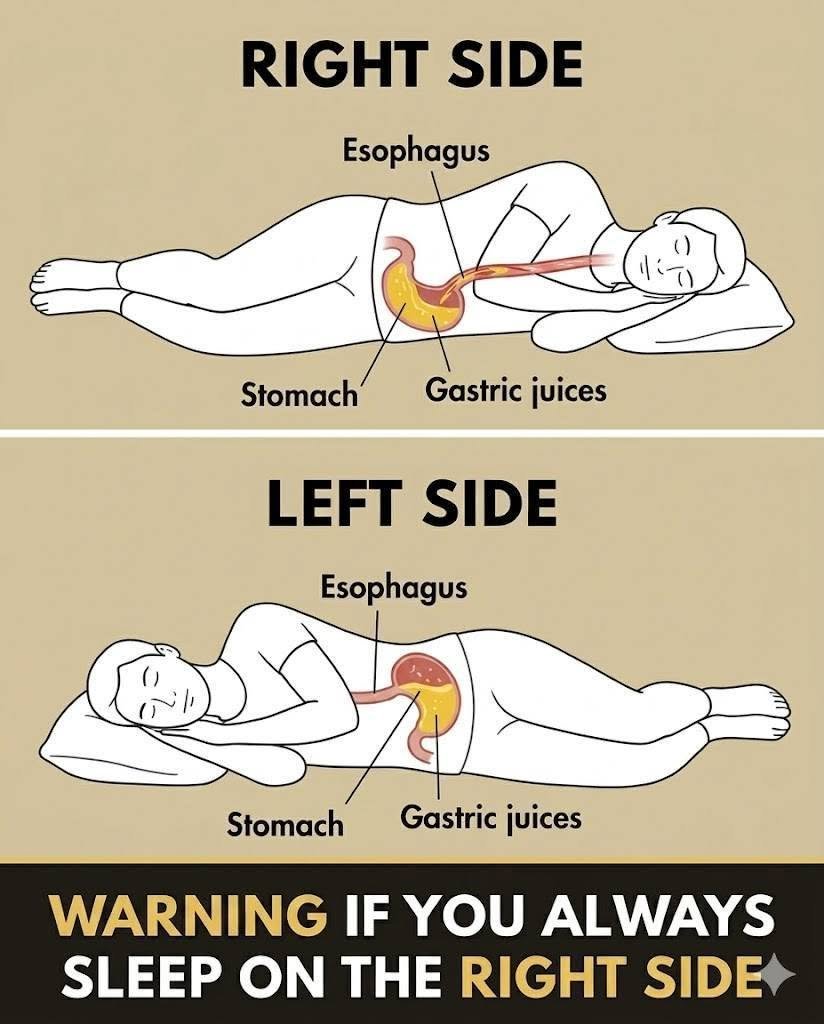
    Sleeping on your right side is not inherently unhealthy, and for many people it is simply a comfortable sleeping position. However, your preferred position can influence certain symptoms, particularly digestion and breathing. Research comparing left- and right-side sleeping has found that body position can affect how quickly stomach acid moves into the esophagus. People who experience gastroesophageal reflux disease (GERD) may notice that lying on the right side makes nighttime reflux more likely or more severe. A study published in The American Journal of Gastroenterology found that right-side sleeping was associated with significantly greater acid exposure and slower clearance of reflux compared with left-side sleeping. (pubmed.ncbi.nlm.nih.gov) This is one reason doctors often recommend trying the left side for people whose heartburn becomes worse at night.

    Your sleeping position can also affect snoring and sleep-disordered breathing. Side sleeping generally tends to keep the airway more open than sleeping flat on the back, which may reduce obstructive breathing events in some people with obstructive sleep apnea. (pubmed.ncbi.nlm.nih.gov) However, there is not strong evidence that the right side itself is dangerous or that everyone should switch to the left. If you regularly wake up choking or gasping, snore loudly, experience morning headaches, or feel excessively sleepy during the day, the important issue is not which side you sleep on—it is whether an underlying sleep disorder is present. (mayoclinic.org) For people with certain heart or lung conditions, pregnancy, or other medical concerns, the ideal sleeping position may also depend on individual circumstances.

    If you sleep comfortably on your right side and wake feeling rested, there is usually no reason to change simply because of your sleeping preference. But if you experience frequent nighttime heartburn, experimenting with left-side sleeping may be worthwhile. Keeping the upper body slightly elevated, avoiding large meals close to bedtime, and identifying personal food triggers can also help reduce reflux symptoms. (mayoclinic.org) If you have persistent reflux, repeated nighttime breathing problems, chest discomfort, or unexplained sleep disruption, discuss these symptoms with a healthcare professional rather than assuming they are caused solely by sleeping position. Disclaimer: This article is for general educational and health information only and does not constitute medical diagnosis, treatment, or personalized advice. Right-side sleeping is not inherently harmful for most people, and research does not support a blanket warning against it. Individual medical conditions can change what sleeping position is most comfortable or appropriate, so verify important health claims through reliable medical sources and consult a qualified healthcare professional when needed.

  • If You Wake Up Between 3 and 4 AM Every Night, Don’t Ignore It—Here’s What It Could Mean

    If You Wake Up Between 3 and 4 AM Every Night, Don’t Ignore It—Here’s What It Could Mean

    Waking up between 3 and 4 a.m. does not automatically mean that something is wrong with your health. Nighttime awakenings are common, and the exact time on the clock is usually less important than how often it happens and what you experience afterward. Insomnia can involve waking during the night or waking too early and being unable to return to sleep. Stress, anxiety, irregular sleep schedules, caffeine, alcohol, medications, heartburn, chronic pain, and other medical conditions can all interfere with sleep. As people age, lighter sleep and changes in the body’s internal clock can also make nighttime or early-morning awakenings more frequent. So if you occasionally wake at 3 a.m. and quickly fall back asleep, there may be no reason for alarm.

    If the pattern happens almost every night, however, it may be worth looking at what accompanies the awakening. Loud snoring, gasping, choking, morning headaches, or excessive daytime sleepiness can be signs of sleep apnea, a condition in which breathing repeatedly stops and starts during sleep. Repeated trips to the bathroom can also interrupt sleep; nighttime urination may be related to evening fluid intake, caffeine, alcohol, medications, or underlying bladder and other health problems. Hot flashes, restless legs, pain, acid reflux, stress, and certain medicines can provide additional clues. Keeping a simple sleep diary—recording bedtime, wake times, caffeine, alcohol, medications, nighttime urination, and daytime tiredness—can help identify patterns that may otherwise be easy to miss.

    The goal is not to fear the clock, but to understand the pattern. Try keeping a consistent bedtime and wake time, limiting caffeine later in the day, avoiding large meals and excessive fluids close to bedtime, and creating a relaxing nighttime routine. If you wake up and cannot fall back asleep after about 20 minutes, Mayo Clinic recommends getting out of bed and doing something quiet until you feel sleepy again rather than repeatedly watching the clock. If nighttime awakenings regularly leave you exhausted, interfere with daily activities, or occur alongside loud snoring, breathing pauses, gasping, persistent pain, or frequent urination, discuss them with a healthcare professional. Disclaimer: This article is for general educational and health information only and does not constitute medical diagnosis, treatment, or personalized advice. Waking at 3 or 4 a.m. is not, by itself, a clear sign of a specific disease. Persistent sleep disruption should be evaluated based on your overall symptoms and health history, and important health information should always be verified through reliable medical sources.

  • Every Woman Should Know These 4 Common Reasons for Changes in Intimate Odor

    Every Woman Should Know These 4 Common Reasons for Changes in Intimate Odor

    A woman’s natural vaginal odor can change throughout the menstrual cycle, after sweating or exercise, and because of temporary changes in the vaginal environment. A mild scent is normal, but a new, strong, or unpleasant odor—especially when accompanied by unusual discharge, itching, burning, or pain—can sometimes indicate an underlying issue. One of the most common causes is bacterial vaginosis (BV), which occurs when the normal balance of vaginal bacteria changes. BV can produce a noticeable fish-like odor, particularly after sex, along with thin white or gray discharge. A second possibility is trichomoniasis, a sexually transmitted infection that may cause yellow-green or increased discharge with a fishy smell, itching, soreness, or discomfort while urinating.

    A third reason can be irritation or changes caused by hygiene products. Perfumed soaps, vaginal deodorants, scented wipes, and douching can irritate sensitive tissue and interfere with the vagina’s natural balance. Health authorities generally recommend gently washing the external genital area rather than washing inside the vagina. A fourth possibility is another type of vaginitis or infection, including yeast infection, cervicitis, or irritation from something inside the vagina, such as a retained tampon. These conditions can produce different combinations of odor, discharge, itching, soreness, or pain. Because several conditions can produce similar symptoms, odor alone cannot reliably identify the cause. The CDC notes that medical history by itself is often insufficient for accurately diagnosing vaginal symptoms, and examination or laboratory testing may be needed.

    The most important thing is to pay attention to a persistent or unusual change rather than trying to cover it with fragrance. Avoid douching and strongly scented intimate products, and seek medical advice if the odor continues or occurs with unusual discharge, itching, burning, pain during urination or sex, pelvic pain, bleeding between periods, or symptoms after sex with a new partner. Pregnant women with new vaginal odor or discharge should also discuss the change with their healthcare professional because certain infections can cause pregnancy complications. Disclaimer: This article is for general educational and health information only and does not constitute medical diagnosis, treatment, or personalized advice. Changes in intimate odor are common and do not automatically indicate an STI or serious illness. Always verify health information through reliable medical sources and consult a qualified healthcare professional for persistent, unusual, or concerning symptoms.