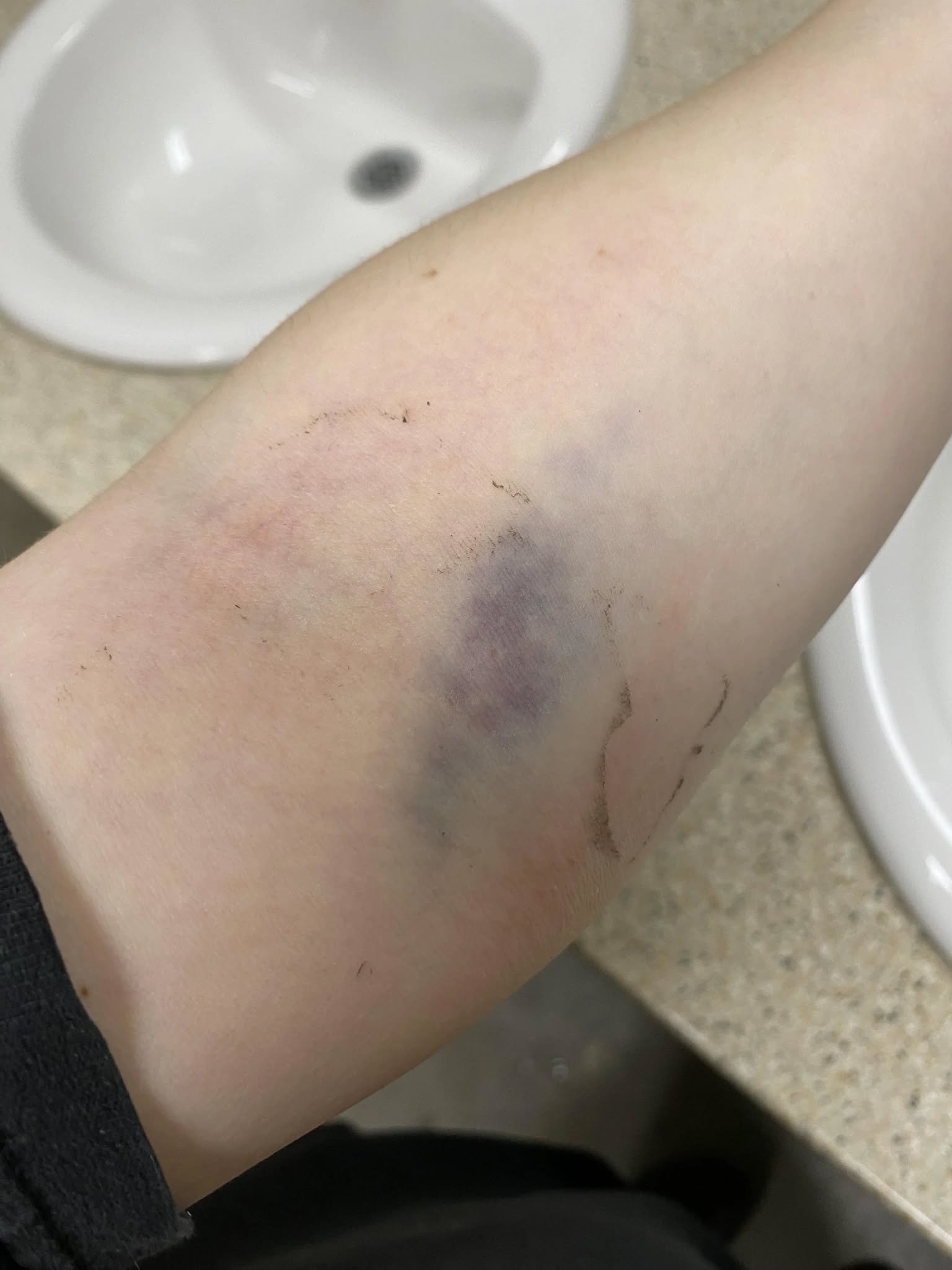
Bruises are extremely common and usually happen when small blood vessels under the skin are damaged by an injury, sometimes one you barely remember. Not every unexplained bruise means cancer. However, bruising that appears frequently, becomes unusually large, or occurs without an obvious injury can sometimes point to another health issue that deserves attention. The National Cancer Institute lists unusual bleeding or bruising among possible symptoms that can occur with certain cancers, including leukemia, but also emphasizes that these symptoms can have many other causes. (cancer.gov) Certain medications, including blood thinners and some anti-inflammatory drugs, can make bruising easier. Nutritional deficiencies, liver disease, platelet disorders, and problems with blood clotting can also contribute to unusual bruising. (mayoclinic.org)
Pay particular attention to new bruises that repeatedly appear without an identifiable cause, especially if they are accompanied by other unusual symptoms. Warning signs can include frequent nosebleeds, bleeding gums, unusually heavy menstrual bleeding, prolonged bleeding from small cuts, persistent fatigue, recurrent infections, fever, night sweats, or unexplained weight loss. These combinations can have many explanations, but they are worth discussing with a healthcare professional. (cancer.gov) The location can also provide clues, but there is no specific body area where a bruise automatically means cancer. Bruises on the arms and legs are common, particularly after minor bumps, while sudden widespread bruising or rapidly increasing bruises deserves more attention. A clinician may review medications and medical history and, when appropriate, order blood tests to check platelets and blood-clotting function.
The safest approach is to look for patterns rather than panic over one bruise. If a bruise is unusually painful, very large, keeps getting bigger, or appears repeatedly without an obvious injury, arrange a medical evaluation. You should also seek prompt medical care if unexplained bruising occurs alongside significant bleeding, severe weakness, dizziness, fainting, or other concerning symptoms. (mayoclinic.org) Taking a photo and noting when new bruises appear can help your healthcare professional assess the pattern. Disclaimer: This article is for general educational and health information only and does not constitute medical diagnosis, treatment, or personalized medical advice. Easy bruising is common and is usually caused by factors other than cancer. Unexplained or persistent bruising can have many causes, so avoid self-diagnosis and verify important health information through reliable medical sources and a qualified healthcare professional.
Leave a Reply