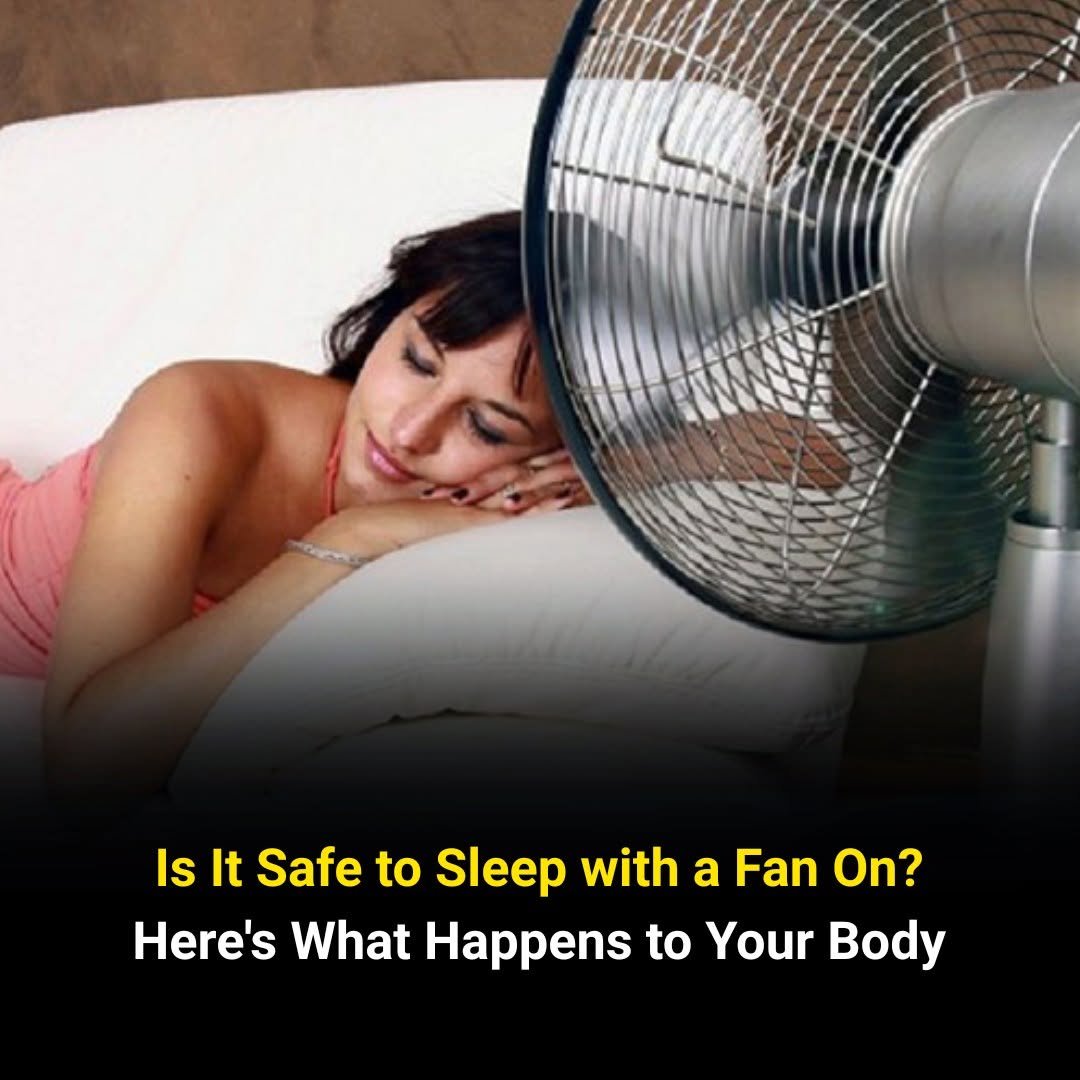
Sleeping with a fan on is generally safe for most healthy adults, and it can actually make sleep more comfortable when the bedroom is warm. Air movement helps sweat evaporate from the skin, making your body feel cooler, while the steady hum of a fan may act as background noise that masks sudden sounds. However, a fan does not actually remove heat from a room the way air conditioning does. If the room is extremely hot, relying on a fan alone may not provide enough cooling. The bigger concern is usually comfort: continuous airflow can dry the mouth, nose, throat, eyes, or skin, particularly when the fan is positioned close to the bed and blowing directly toward you.
For some people, the biggest issue is dust and allergens. Fans can circulate particles such as dust, pollen, pet dander, and other allergens that have settled in the bedroom. This may worsen sneezing, congestion, coughing, or allergy symptoms, especially in people with sensitive airways or asthma. If you regularly wake with a stuffy nose, scratchy throat, dry eyes, or worsening allergy symptoms, your fan setup could be contributing to the irritation. The solution does not necessarily mean giving up your fan. Cleaning the blades regularly, keeping bedding and the bedroom dust-free, and using an oscillating setting can reduce direct airflow and limit concentrated exposure.
If you sleep better with a fan, there is usually no reason to stop using it simply because of scary online claims. Try placing it farther away rather than directly beside your face, using a lower setting, and choosing a timer if you only need airflow while falling asleep. If you consistently experience breathing difficulties, severe congestion, persistent sleep disruption, or other symptoms at night, discuss them with a healthcare professional instead of assuming the fan is responsible. Disclaimer: This article is for general educational and health information only and does not constitute medical diagnosis, treatment, or personalized advice. Sleeping with a fan is generally safe for most people, but individual responses vary, particularly among people with allergies, asthma, or other respiratory conditions. Always verify important health information through reliable medical sources and consult a qualified healthcare professional about persistent or concerning symptoms.