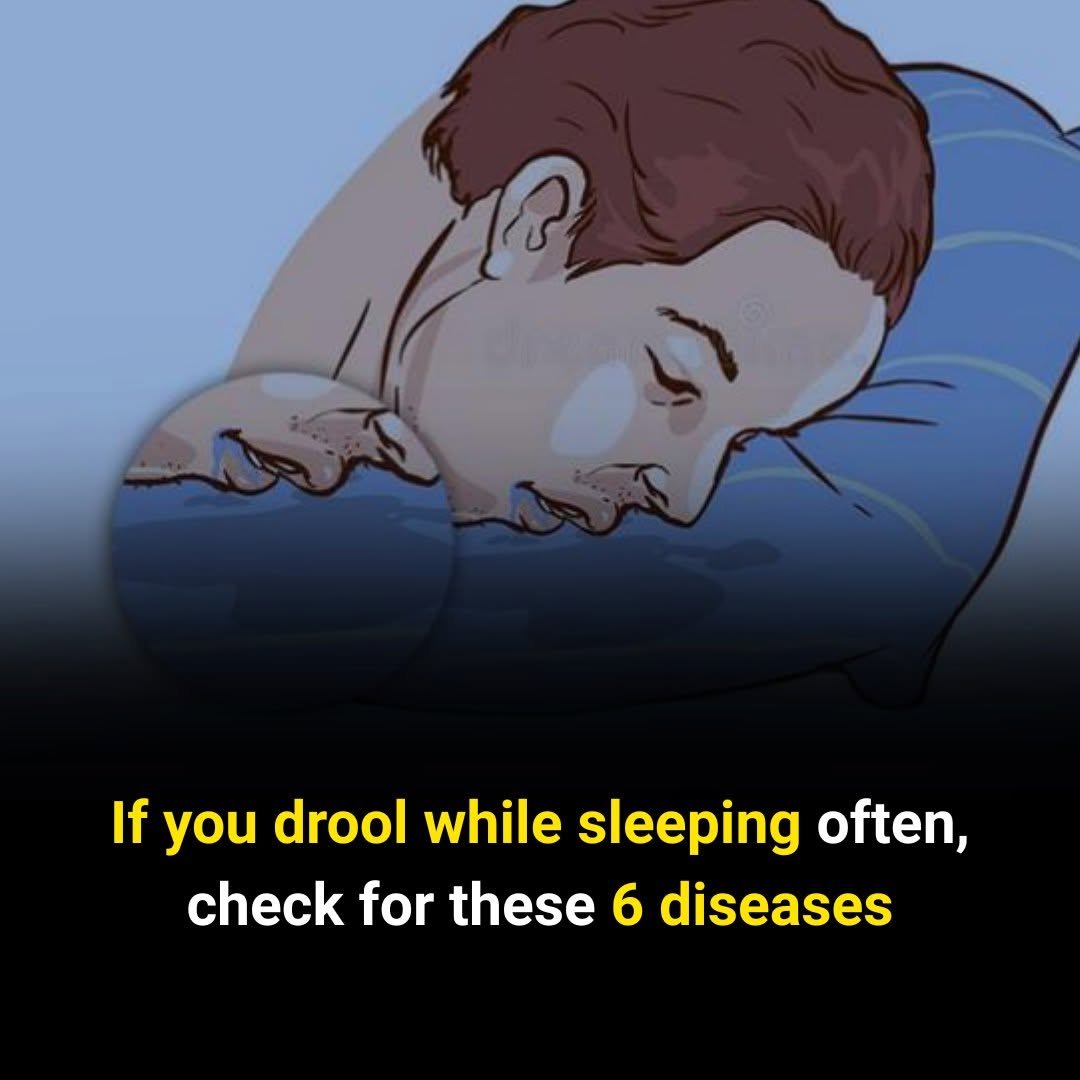
Waking up with some drool on your pillow is usually not a sign of a serious health problem. During sleep, the muscles that control swallowing relax, and your sleeping position can allow saliva to escape from your mouth. People who sleep on their side or stomach are generally more likely to drool than people who sleep on their backs. (clevelandclinic.org) However, frequent or newly increased drooling can sometimes be associated with mouth breathing, nasal congestion, allergies, infections, acid reflux, certain medications, or difficulty swallowing. (clevelandclinic.org) So while an occasional wet pillow is usually harmless, a noticeable change in your normal pattern may be worth observing.
One possible clue is mouth breathing during sleep. If your nose is blocked by allergies, congestion, or another airway problem, you may naturally breathe through your mouth, which can contribute to drooling. Mouth breathing is also commonly associated with snoring, dry mouth, and waking with a parched throat. (clevelandclinic.org) In some people, frequent nighttime drooling may occur alongside symptoms of obstructive sleep apnea, such as loud snoring, witnessed pauses in breathing, gasping or choking during sleep, morning headaches, or excessive daytime sleepiness. (mayoclinic.org) Acid reflux can also stimulate saliva production, particularly when stomach contents repeatedly flow back toward the throat. (mayoclinic.org)
If drooling happens occasionally and you otherwise feel well, there may be nothing to worry about. You can try sleeping on your back if comfortable, addressing nasal congestion, maintaining good sleep habits, and avoiding meals or drinks that clearly trigger nighttime reflux. But if excessive drooling becomes persistent, suddenly appears, interferes with sleep, or occurs with difficulty swallowing, choking, significant snoring, or breathing interruptions, speak with a healthcare professional. (clevelandclinic.org) Sudden drooling accompanied by facial weakness, difficulty speaking, confusion, or other sudden neurological symptoms requires urgent medical attention, because these can be signs of a stroke. Disclaimer: This article is for general educational and health information only and does not constitute medical diagnosis, treatment, or personalized advice. Drooling during sleep is common and does not by itself indicate a specific disease. Always verify important health information through reliable medical sources and consult a qualified healthcare professional about persistent, sudden, or concerning symptoms.
Leave a Reply