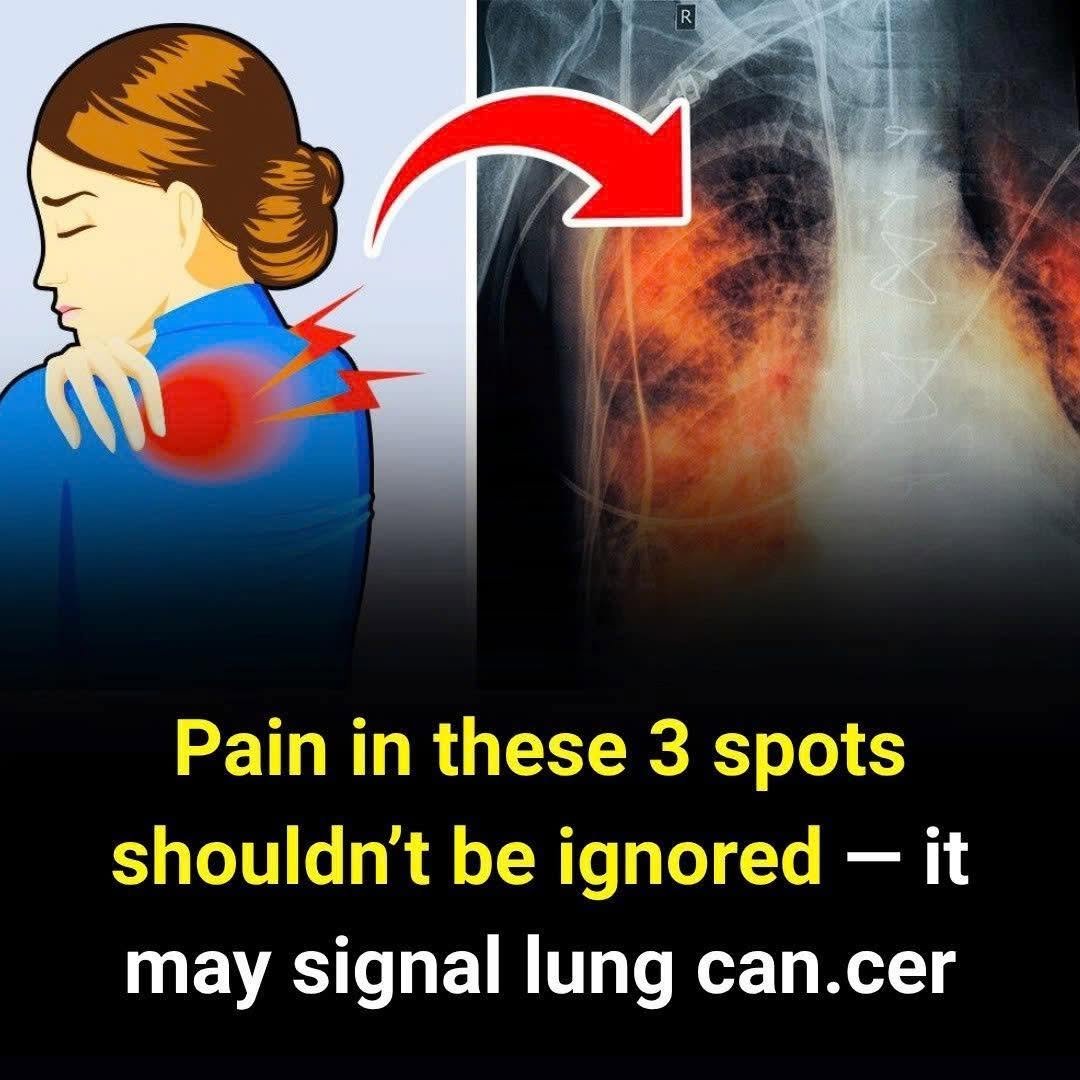
Pain is not usually the first symptom people associate with lung cancer, but chest discomfort or pain can occur, particularly as a tumor affects nearby tissues. According to the National Cancer Institute, possible symptoms of lung cancer include chest pain, persistent cough, difficulty breathing, wheezing, coughing up blood, hoarseness, unexplained weight loss, and fatigue. Three pain patterns deserve particular attention: persistent or unexplained chest pain, especially when it continues or worsens; pain that becomes more noticeable with deep breathing or coughing, which may occur when tissues surrounding the lungs are involved; and persistent pain in the back, shoulder, or other areas, which can occasionally occur when a lung tumor affects nearby structures or when cancer has spread to other tissues. These symptoms are not proof of lung cancer, and much more common conditions—including muscle strain, infections, reflux, arthritis, or other respiratory problems—can cause similar discomfort.
Another important clue is the pattern and persistence of the pain. Pain that repeatedly returns without an obvious explanation, becomes progressively worse, or occurs alongside a cough that does not go away should be evaluated by a healthcare professional. NCI guidance notes that lung cancer can sometimes cause chest pain, while advanced disease may produce pain from involvement of nearby structures or from spread to bones. It is also possible for lung cancer to cause few or no symptoms in its earlier stages, meaning the absence of pain does not necessarily rule it out. If persistent pain is accompanied by coughing up blood, unexplained weight loss, shortness of breath, worsening cough, hoarseness, or unusual fatigue, medical evaluation becomes especially important. A doctor may use imaging and other tests to determine the actual cause; symptoms alone cannot diagnose cancer.
The most important message is don’t panic, but don’t ignore unexplained or persistent pain. If you have chest, back, or shoulder pain that continues for several weeks, keeps worsening, or appears together with respiratory symptoms, arrange an evaluation rather than attempting to diagnose yourself online. Sudden severe chest pain, particularly when accompanied by difficulty breathing, fainting, heavy sweating, or other emergency symptoms, requires urgent medical attention. NCI emphasizes that cancer symptoms are often caused by conditions other than cancer, but symptoms that do not improve after a couple of weeks should be assessed by a doctor. Disclaimer: This article is for general educational and health information only and does not constitute medical diagnosis, treatment, or personalized medical advice. Chest, back, and shoulder pain have many possible causes and do not automatically indicate lung cancer. Always verify health information through reliable medical sources and consult a qualified healthcare professional about persistent, worsening, or concerning symptoms.
Leave a Reply