Blog

  • Before You Eat This Bitter Vegetable, Make Sure You Know This Important Safety Tip

    Before You Eat This Bitter Vegetable, Make Sure You Know This Important Safety Tip

    Bitter vegetables can be nutritious, but an unusually bitter taste should never automatically be dismissed as normal. One important example is bitter gourd, also called bitter melon (Momordica charantia), which is commonly used in South Asian and Asian cooking. Bitter melon contains naturally occurring compounds that have been studied for possible effects on blood sugar, although evidence is not strong enough to consider it a treatment for diabetes. The important safety point is that bitterness can sometimes indicate unusually high levels of naturally occurring plant compounds. The FDA notes that some foods can contain natural toxins and that appropriate growing, harvesting, and preparation practices are important for food safety. Therefore, don’t assume that “more bitter” means “more healthy.”

    If a vegetable tastes dramatically or unusually bitter compared with what you normally expect, the safest approach is to stop eating it rather than trying to mask the taste with spices or cooking. This is particularly important with certain members of the cucumber and squash family, where excessive natural compounds such as cucurbitacins can cause gastrointestinal poisoning. Severe cases involving extremely bitter bottle gourd have produced rapid nausea, vomiting, diarrhea, gastrointestinal bleeding, and low blood pressure. Bitter melon itself also deserves caution in certain situations. Concentrated extracts can lower blood glucose, potentially causing dangerously low blood sugar when combined with diabetes medications or insulin. Pregnant people should avoid medicinal or concentrated bitter-melon preparations because safety concerns have been reported. Seeds and concentrated preparations may carry additional risks, so consuming large amounts as a homemade remedy is not the same as eating a normal cooked serving as food.

    For everyday cooking, choose fresh, properly prepared vegetables from reliable sources, and don’t consume a vegetable that has an unusually intense, unpleasant bitterness. Wash produce appropriately and follow normal food-safety practices. If you accidentally eat a very bitter vegetable and soon develop repeated vomiting, severe diarrhea, abdominal pain, dizziness, weakness, faintness, or blood in vomit or stool, seek urgent medical attention rather than attempting to treat the reaction at home. Most bitter vegetables that are properly grown and prepared are perfectly suitable for a balanced diet, so there is no need to fear bitterness itself. The key is recognizing an unexpected and extreme change in taste and taking it seriously. Disclaimer: This article is for general educational and food-safety information only and does not constitute medical advice, diagnosis, or treatment. The safety of a particular vegetable depends on its species, variety, preparation, and condition. Always verify food-safety information through reliable scientific and government sources and consult a qualified healthcare professional if you develop concerning symptoms after eating an unusually bitter food.


  • 4 Groups of People Who May Need to Limit or Avoid Eggplant

    4 Groups of People Who May Need to Limit or Avoid Eggplant

    Eggplant is generally a nutritious vegetable and most people do not need to avoid it. It provides fiber and several vitamins and minerals while being relatively low in calories. However, certain people may need individualized dietary advice. The first group is people with a confirmed eggplant allergy or sensitivity. Although uncommon, food allergies can cause symptoms such as itching, hives, swelling, digestive problems, wheezing, or difficulty breathing. Anyone who develops serious allergic symptoms after eating eggplant should seek urgent medical attention. The second group is people who have been specifically advised by a healthcare professional to avoid certain nightshade vegetables because of an individual intolerance. Eggplant belongs to the nightshade family, along with tomatoes, peppers, and potatoes, but there is not good evidence that nightshades generally need to be avoided by healthy people.

    The third group is people following a medically prescribed diet for a specific condition. Importantly, eggplant is actually listed by the National Kidney Foundation as a lower-potassium vegetable, so it is not automatically a food that people with kidney disease must avoid. (kidney.org) Kidney patients may have different potassium requirements depending on their kidney function and blood-potassium levels, meaning dietary restrictions should be individualized rather than based on viral food lists. (kidney.org) The fourth group is people taking medications or managing conditions that require a carefully controlled diet. Rather than automatically eliminating eggplant, these individuals should ask their doctor or dietitian whether the portion size and preparation method fit their treatment plan. People taking warfarin, for example, are generally advised to keep their intake of vitamin-K-containing foods consistent rather than making sudden major dietary changes. (medlineplus.gov)

    For most healthy adults, there is no strong medical reason to completely avoid eggplant. It can be baked, grilled, steamed, or incorporated into balanced meals with vegetables, legumes, whole grains, and appropriate protein. The preparation method matters: heavily frying eggplant can substantially increase the amount of oil and calories in the finished dish. Instead of believing that eggplant is inherently harmful, focus on portion size, preparation, and your individual health needs. If you repeatedly experience digestive discomfort, itching, swelling, or other symptoms after eating eggplant, keep a record of your reactions and discuss them with a qualified healthcare professional rather than self-diagnosing an allergy or intolerance. Disclaimer: This article is for general educational and informational purposes only and does not constitute medical, nutritional, or treatment advice. Eggplant is safe for most people, and the groups described above should not automatically eliminate it without an appropriate medical reason. Always verify health claims through reliable scientific and medical sources and consult a qualified healthcare professional for personalized dietary guidance.

  • These 6 Foods Could Be Affecting Your Thyroid Health

    These 6 Foods Could Be Affecting Your Thyroid Health

    Your thyroid depends on a steady supply of nutrients—especially iodine and selenium—to produce and regulate thyroid hormones, but more is not always better. Six food categories deserve particular attention: seaweed and kelp, soy foods, cruciferous vegetables, highly processed foods, dairy products, and iodine-rich seafood. Seaweed and kelp can contain extremely large and variable amounts of iodine, and excessive iodine may trigger or worsen thyroid dysfunction in susceptible people, particularly those with autoimmune thyroid conditions. Soy foods such as tofu, soy milk, and edamame are not automatically harmful to the thyroid, but very large amounts or concentrated soy products may matter for some individuals, particularly when iodine intake is inadequate. Importantly, broccoli, cabbage, cauliflower, and similar cruciferous vegetables do not need to be routinely avoided by most people; normal servings are generally compatible with a healthy diet.

    Dairy products, eggs, and seafood can actually be useful sources of iodine, an essential mineral required to make thyroid hormones. The problem is usually not these foods themselves but consuming either too little or too much iodine. The American Thyroid Association notes that common iodine sources include iodized salt, dairy products, breads, and seafood, while excessive iodine intake can cause thyroid dysfunction. Highly processed foods are another category worth watching—not because they directly “damage” the thyroid, but because diets dominated by highly processed foods may displace nutrient-rich foods needed for overall health. For people with diagnosed thyroid disease, the appropriate diet can also depend on the specific condition. Someone preparing for radioactive iodine treatment, for example, may temporarily need a low-iodine diet, which is very different from the everyday diet recommended for the general population.

    The most important lesson is to avoid extreme “thyroid diets” promoted online. Do not eliminate entire food groups or start iodine, kelp, or “thyroid support” supplements without medical guidance. Too little iodine can interfere with thyroid hormone production, while excessive iodine can also cause problems, particularly in people with existing thyroid disease. If you experience persistent fatigue, unexplained weight changes, sensitivity to cold or heat, rapid or unusually slow heartbeat, neck swelling, or other concerning symptoms, proper thyroid testing is more reliable than trying to identify the cause through food alone. A balanced diet containing a variety of vegetables, fruits, whole grains, appropriate protein sources, and adequate—but not excessive—iodine is generally a better strategy than restrictive eating. Disclaimer: This article is for general educational and informational purposes only and does not constitute medical, nutritional, or treatment advice. Foods affect thyroid health differently depending on the individual and the underlying thyroid condition. Always verify health information through reliable scientific and medical sources and consult a qualified healthcare professional before making major dietary changes or using iodine-containing supplements.

  • Drink Coffee the Right Way — And It May Actually Support a Longer Life

    Drink Coffee the Right Way — And It May Actually Support a Longer Life

    Coffee has gone from being viewed simply as a morning pick-me-up to becoming one of the most researched beverages in nutrition science. Large observational studies and reviews have found that regular coffee consumption is associated with lower risks of overall mortality, cardiovascular disease, type 2 diabetes, Parkinson’s disease, and several liver conditions. A major umbrella review published in The BMJ found that the strongest associations with lower overall and cardiovascular mortality were generally seen around three to four cups per day, although the researchers emphasized that much of the evidence was observational and therefore cannot prove that coffee itself causes people to live longer. (bmj.com) Coffee contains hundreds of bioactive compounds, including caffeine and chlorogenic acids, which may contribute to some of these associations. The potential benefit, therefore, appears to come from coffee as a whole rather than caffeine alone.

    The way you drink coffee matters. A plain cup of filtered coffee or coffee with a small amount of milk can fit comfortably into a healthy eating pattern, while adding large amounts of sugar, flavored syrups, cream, or sweetened toppings can turn a relatively low-calorie beverage into a dessert-like drink. Moderation is also important because caffeine affects people differently. The FDA states that for most healthy adults, around 400 milligrams of caffeine per day is an amount not generally associated with negative effects, although sensitivity varies considerably and some people may experience insomnia, anxiety, digestive problems, increased heart rate, or other symptoms at lower amounts. (fda.gov) Coffee consumption also needs more careful consideration during pregnancy, and people taking certain medications or managing conditions affected by caffeine should discuss appropriate intake with a healthcare professional.

    The biggest lesson is that coffee should be considered one part of a healthy lifestyle—not a longevity medicine. If you already enjoy coffee and tolerate caffeine well, choosing a moderately consumed, minimally sweetened version may allow you to enjoy its potential benefits without unnecessary added sugar and calories. You do not need to start drinking coffee solely because observational studies associate it with longer life, and drinking more is not necessarily better. Sleep quality, physical activity, nutritious food, healthy weight, blood-pressure control, avoiding tobacco, and regular healthcare remain far more important foundations for long-term health. Disclaimer: This article is for general educational and informational purposes only and does not constitute medical, nutritional, or treatment advice. Research shows associations between coffee consumption and certain health outcomes, but it does not prove that coffee directly extends lifespan. Individual responses vary, and excessive caffeine can cause unwanted effects. Always verify health claims through reliable scientific and medical sources and consult a qualified healthcare professional for personalized guidance.

  • Want Better Memory? Start With an Egg — What the Science Really Shows

    Want Better Memory? Start With an Egg — What the Science Really Shows

    Eggs are a nutrient-dense food containing choline, vitamin B12, selenium, lutein, protein, and other compounds involved in normal brain function. This has made eggs a subject of interest in research on memory and cognitive aging. One 2024 study from the Rush Memory and Aging Project followed 1,024 older adults for an average of 6.7 years and found that people who ate more than one egg per week had a lower observed risk of Alzheimer’s dementia than those eating one or fewer eggs per week. The researchers also found that dietary choline appeared to explain part of the association. A newer 2026 prospective study involving nearly 39,500 adults likewise found that moderate egg consumption was associated with a lower incidence of Alzheimer’s disease. These findings are interesting, but they do not prove that eating eggs prevents Alzheimer’s disease.

    The often-repeated claim that eggs “reduce Alzheimer’s risk by 47%” needs particular caution. The 47% figure does not come from evidence showing that eating an egg reduces Alzheimer’s risk by 47%. A 2006 Framingham study found that people with higher blood levels of DHA had a 47% lower risk of all-cause dementia, but that study was about DHA levels—not eating eggs—and it did not establish that eggs caused the reduction. Research specifically examining eggs and cognition is more nuanced. A 2025 systematic review found that moderate egg consumption was associated with some favorable cognitive outcomes in several studies, but the results were inconsistent and researchers emphasized the need for better-controlled trials. Similarly, a 2026 meta-analysis found that approximately one egg per day was associated with lower cognitive-decline risk, but observational evidence cannot establish cause and effect.

    For most people, eggs can be part of a balanced, brain-supportive diet, especially when combined with vegetables, whole grains, legumes, nuts, and other nutritious foods. The National Institute on Aging emphasizes that there is currently no specific food proven to prevent Alzheimer’s disease and that overall dietary patterns and healthy lifestyle habits are more important than relying on a single “superfood.” So, if you enjoy eggs, there is no need to fear them simply because they contain dietary cholesterol, but there is also no scientific reason to believe that eating a particular number of eggs will guarantee better memory or prevent dementia. Disclaimer: This article is for general educational and informational purposes only and does not constitute medical, nutritional, or treatment advice. Current research shows associations between moderate egg consumption and certain cognitive outcomes, not proof that eggs prevent Alzheimer’s disease. Always verify health claims through reliable scientific and medical sources and consult a qualified healthcare professional for personalized dietary guidance.

  • Using a Phone While Going to the Bathroom Is a Harmful Habit

    Using a Phone While Going to the Bathroom Is a Harmful Habit

    Taking your phone into the bathroom may seem harmless, but the bigger concern is how much longer it can make you sit on the toilet. A 2025 study published in PLOS One examined 125 adults and found that people who used smartphones on the toilet were significantly more likely to spend longer there. In the study, smartphone use was associated with a 46% higher prevalence of hemorrhoids, even after researchers adjusted for factors such as age, sex, body mass index, exercise, straining, and fiber intake. Hemorrhoids are swollen blood vessels around the anus and rectum, and prolonged sitting on the toilet can increase pressure in this area. The phone itself may not be directly damaging your body; rather, scrolling can make you lose track of time and remain seated longer than necessary.

    Another issue is posture and distraction. People absorbed in their phones may lean forward, relax their normal bathroom routine, and remain seated even after they have finished. Researchers found that phone users in the study were much more likely to spend more than five minutes on the toilet. Prolonged toilet sitting is already considered a potential contributor to hemorrhoid problems, particularly when combined with constipation or straining. Other factors—including a low-fiber diet, chronic diarrhea or constipation, pregnancy, and obesity—can also contribute, so phone use should not be treated as the only cause. There is also a basic hygiene concern: phones are frequently touched and can pick up microorganisms in bathroom environments, making regular handwashing and device cleaning sensible precautions.

    The simplest solution is surprisingly easy: leave your phone outside the bathroom and keep toilet visits focused and reasonably brief. Avoid unnecessary straining, maintain adequate dietary fiber and fluids, and don’t sit on the toilet simply to finish scrolling through social media or watching videos. If you develop rectal bleeding, persistent pain, significant swelling, or recurring hemorrhoid symptoms, speak with a healthcare professional rather than assuming the problem is caused only by your phone. Importantly, the 2025 research was observational and involved a relatively small group, so it shows an association rather than proving that smartphones directly cause hemorrhoids. Disclaimer: This article is for general educational and informational purposes only and does not constitute medical advice, diagnosis, or treatment. The relationship between smartphone use, prolonged toilet sitting, and hemorrhoids requires further research. Always verify health information through reliable scientific and medical sources and consult a qualified healthcare professional about persistent or concerning symptoms.

  • The Moments Right After You Wake Up May Reveal Clues About Your Health

    The Moments Right After You Wake Up May Reveal Clues About Your Health

    The first few minutes after waking can provide useful clues about sleep quality, hydration, blood pressure, and overall well-being, although they cannot reveal your “true state of health” by themselves. During normal sleep, heart rate and blood pressure generally decrease, then rise again as you wake and become active. (nhlbi.nih.gov) This normal transition is one reason researchers pay attention to morning patterns. For example, consistently waking feeling exhausted despite getting enough time in bed may suggest poor-quality sleep, while repeated morning headaches, loud snoring, or waking up gasping can warrant evaluation for sleep-related breathing problems. The CDC recommends that most adults get at least seven hours of sleep and maintain a regular sleep schedule because adequate, consistent sleep supports cardiovascular and overall health. (cdc.gov)

    Another useful morning clue can be how you feel when you stand up. Occasional lightheadedness may happen after getting out of bed quickly, but recurrent dizziness, blurred vision, weakness, or fainting can sometimes occur with low blood pressure or dehydration. (nhlbi.nih.gov) Dark urine, dry mouth, unusual thirst, reduced urination, and morning fatigue can also be signs that you are not adequately hydrated, although these symptoms have many possible causes. (medlineplus.gov) Blood pressure also follows a daily rhythm and typically begins rising before waking and continues increasing during the day. An unusual morning pattern, especially consistently elevated readings, may be important for people with hypertension or cardiovascular risk factors. (mayoclinic.org) However, symptoms alone cannot reliably tell whether blood pressure is high—measuring it is the only way to know.

    Rather than trying to diagnose yourself from one morning sensation, pay attention to persistent patterns and changes from your normal routine. Regularly waking with severe headaches, significant breathlessness, chest discomfort, fainting, confusion, or extreme weakness deserves medical attention rather than being dismissed as ordinary tiredness. Likewise, consistently poor sleep, loud snoring, or repeated nighttime awakenings may justify discussing sleep quality with a healthcare professional. Healthy morning habits can help: rise gradually if you feel dizzy, drink fluids according to your individual needs, get natural light early in the day, maintain regular sleep and wake times, and stay physically active. (cdc.gov) Disclaimer: This article is for general educational and informational purposes only and does not constitute medical advice, diagnosis, or treatment. Morning symptoms and patterns can have many causes and cannot independently determine a person’s overall health. Always verify health information through reliable scientific and medical sources and consult a qualified healthcare professional about persistent, severe, or unexplained symptoms.

  • Eating Cucumbers in Salads? Here’s What Health Experts Want You to Know

    Eating Cucumbers in Salads? Here’s What Health Experts Want You to Know

    Cucumbers can be a refreshing and nutritious addition to salads, particularly because they contain about 95–96% water and are naturally low in calories. They also provide vitamin K, small amounts of vitamin C and potassium, and some dietary fiber. (heart.org) Their high water content can contribute to overall hydration, while their fiber may support normal digestion and bowel regularity. (health.clevelandclinic.org) Cucumbers also contain various plant compounds with antioxidant activity, although claims that they can “detox” the body or cure specific diseases are not supported by strong clinical evidence. The American Heart Association describes cucumbers as a relatively healthy, low-calorie food that can be a useful alternative to less nutritious snacks. (heart.org)

    One important detail is what you add to the cucumber salad. A simple salad with cucumber, tomatoes, leafy greens, herbs, beans, and a modest amount of healthy dressing can contribute to a nutrient-rich meal. However, creamy dressings, excessive mayonnaise, large amounts of salt, or heavily processed toppings can add substantial sodium, saturated fat, sugar, and calories. The CDC recommends emphasizing vegetables and other nutrient-dense foods while limiting highly processed foods, excess sodium, and added sugars. (cdc.gov) Eating the cucumber with its peel can also provide more fiber, provided it has been properly washed. People taking medications affected by vitamin K should maintain a consistent intake of vitamin-K-rich foods and discuss significant dietary changes with their healthcare professional rather than suddenly changing consumption. (heart.org)

    For most people, cucumber salad is a simple, affordable way to add more vegetables and water-rich foods to the diet. To make it more balanced, combine cucumbers with protein such as beans, eggs, fish, or another appropriate protein source, along with other colorful vegetables and a moderate amount of healthy fat. Remember that cucumbers are nutritious but relatively light in fiber and several micronutrients compared with some leafy greens and other vegetables, so variety remains important. (heart.org) Disclaimer: This article is for general educational and nutritional information only and does not constitute medical advice, diagnosis, or treatment. Cucumbers cannot guarantee prevention or treatment of disease, and individual dietary needs vary. Always verify health information through reliable scientific and medical sources and consult a qualified healthcare professional for personalized dietary guidance.

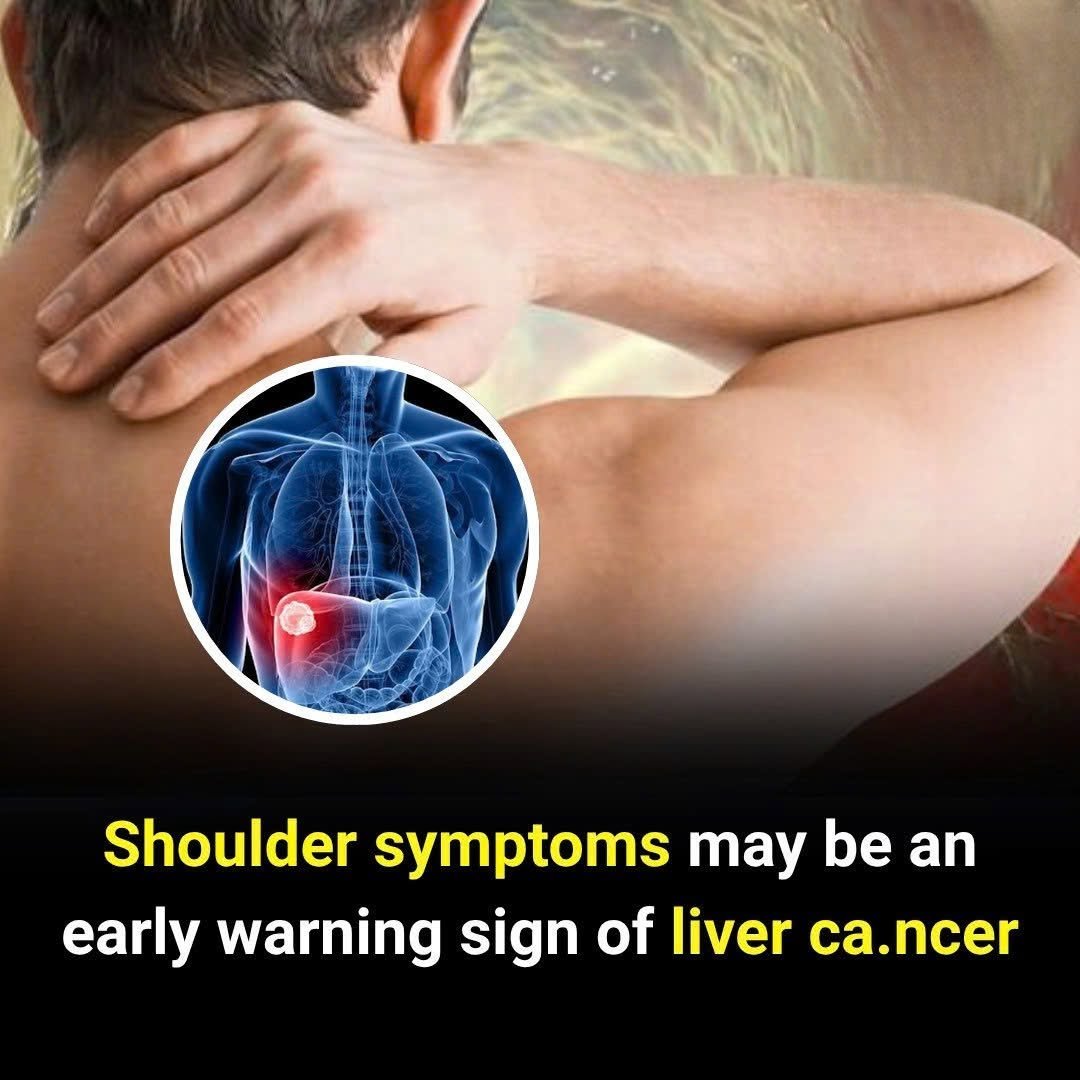
  • Could Shoulder Discomfort Be an Early Warning Sign of Liver Cancer?

    Could Shoulder Discomfort Be an Early Warning Sign of Liver Cancer?

    Shoulder discomfort is not a typical or specific early warning sign of liver cancer, but there are circumstances in which pain felt around the shoulder can be related to problems in the upper abdomen. The liver sits beneath the right side of the diaphragm, and irritation in this area can sometimes produce referred pain—pain that is perceived in another part of the body, including the right shoulder. However, shoulder pain is much more commonly caused by muscular strain, tendon problems, arthritis, nerve irritation, or other musculoskeletal conditions. Liver cancer can also develop with few noticeable symptoms in its early stages, which is why people at increased risk may need appropriate medical surveillance rather than relying on pain as an early detector. (cancer.gov)

    When liver cancer does cause symptoms, they can include unexplained weight loss, reduced appetite, feeling full quickly, persistent pain or discomfort in the upper-right abdomen, a lump or swelling beneath the ribs, nausea, unusual fatigue, jaundice, abdominal swelling, or unexplained bruising or bleeding. (cancer.org) Shoulder discomfort by itself cannot distinguish liver cancer from ordinary shoulder conditions. However, unexplained right-shoulder pain occurring alongside persistent upper-abdominal discomfort, jaundice, weight loss, abdominal swelling, or other concerning symptoms should not simply be dismissed. People with chronic liver disease, cirrhosis, certain hepatitis infections, or other recognized risk factors may require regular screening according to their clinician’s recommendations. (cancer.gov)

    If shoulder discomfort persists, becomes severe, or occurs without an obvious injury, it is reasonable to have it evaluated—especially if other unexplained symptoms develop. Do not assume that shoulder pain means cancer, because doing so can cause unnecessary fear and may distract from much more common explanations. Likewise, do not wait for shoulder pain before seeking care if you have known liver disease or are at increased risk for liver cancer. Early detection strategies for high-risk individuals generally rely on appropriate medical monitoring and tests rather than symptoms alone. (cancer.org) Disclaimer: This article is for general educational and informational purposes only and does not constitute medical advice, diagnosis, or treatment. Shoulder pain has many possible causes and is not, by itself, a reliable indicator of liver cancer. Always verify cancer-related information through reliable medical and scientific sources and consult a qualified healthcare professional about persistent, unexplained pain or other concerning symptoms.

  • Thought Salmon Was the DHA King? The Real Champion Is a Fish You’ve Probably Ignored

    Thought Salmon Was the DHA King? The Real Champion Is a Fish You’ve Probably Ignored

    Salmon is famous for its omega-3 content, especially DHA (docosahexaenoic acid) and EPA, but it is far from the only impressive source. One fish that often gets overlooked is Atlantic herring, a small, oily fish that provides substantial amounts of long-chain omega-3 fatty acids. DHA plays important structural and functional roles in the brain and eyes, while EPA and DHA are also involved in cardiovascular and other biological processes. According to the NIH, cold-water fatty fish—including salmon, herring, mackerel, tuna, and sardines—are among the richest dietary sources of these omega-3 fats. (ods.od.nih.gov) In fact, nutrient data show that a 3-ounce serving of cooked Atlantic herring provides about 0.94 grams of DHA and 0.77 grams of EPA, making it a remarkably concentrated source of omega-3s. (ods.od.nih.gov)

    Herring also offers advantages beyond omega-3s. It is a source of high-quality protein, vitamin B12, selenium, and other nutrients, while generally being a relatively small fish that can fit into a balanced seafood rotation. Other overlooked oily fish, including sardines and anchovies, can also deliver impressive amounts of EPA and DHA. NIH data list approximately 0.74 grams of DHA and 0.45 grams of EPA per 3 ounces of canned sardines, while canned European anchovies can provide even more DHA in some nutrient databases. (ods.od.nih.gov) However, calling any one fish the absolute “DHA champion” can be misleading because omega-3 levels vary according to species, habitat, diet, farming practices, preparation, and serving size. Some salmon varieties actually contain more DHA per standard serving than herring, so the bigger lesson is variety rather than a single superfish.

    For most people, regularly eating a variety of seafood can be an excellent way to obtain DHA and EPA without relying on supplements. The NIH notes that seafood provides nutrients beyond omega-3s, and dietary patterns that include seafood are associated with cardiovascular benefits. (nccih.nih.gov) When choosing fish, safety matters too: the FDA lists herring, sardines, and salmon among its “Best Choices” for lower-mercury seafood, while recommending avoidance of fish such as king mackerel, shark, swordfish, and certain tilefish because of their higher mercury levels. (fda.gov) So rather than searching for one magical source of DHA, consider rotating salmon, herring, sardines, anchovies, and other suitable seafood throughout your diet. Disclaimer: This article is for general educational and nutritional information only and does not constitute medical advice or treatment. Nutrient levels vary by fish species, source, and preparation, and no single food guarantees a particular health outcome. Always verify nutrition claims through reliable scientific and government sources and consult a qualified healthcare professional for personalized dietary guidance.