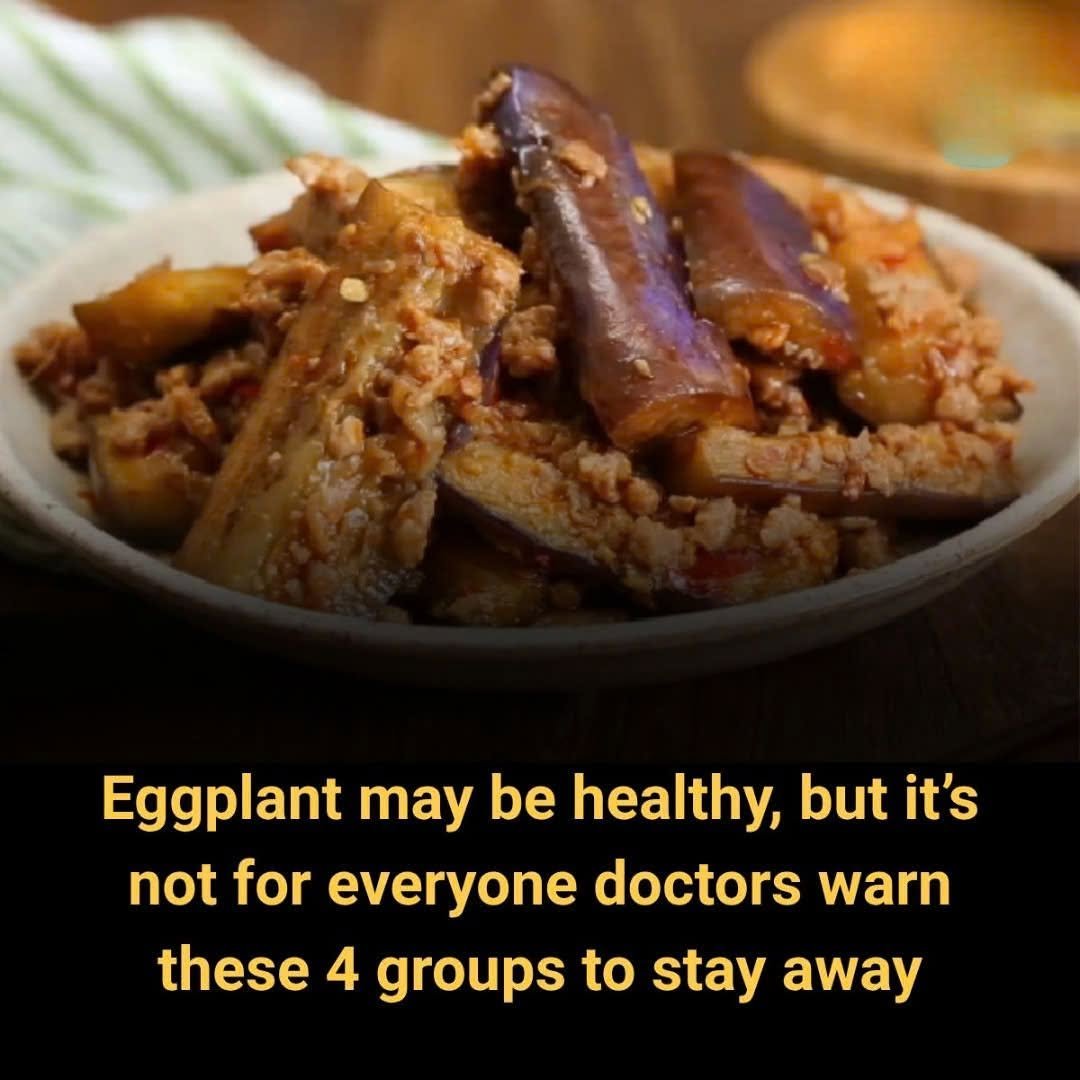
Eggplant is generally a nutritious vegetable and most people do not need to avoid it. It provides fiber and several vitamins and minerals while being relatively low in calories. However, certain people may need individualized dietary advice. The first group is people with a confirmed eggplant allergy or sensitivity. Although uncommon, food allergies can cause symptoms such as itching, hives, swelling, digestive problems, wheezing, or difficulty breathing. Anyone who develops serious allergic symptoms after eating eggplant should seek urgent medical attention. The second group is people who have been specifically advised by a healthcare professional to avoid certain nightshade vegetables because of an individual intolerance. Eggplant belongs to the nightshade family, along with tomatoes, peppers, and potatoes, but there is not good evidence that nightshades generally need to be avoided by healthy people.
The third group is people following a medically prescribed diet for a specific condition. Importantly, eggplant is actually listed by the National Kidney Foundation as a lower-potassium vegetable, so it is not automatically a food that people with kidney disease must avoid. (kidney.org) Kidney patients may have different potassium requirements depending on their kidney function and blood-potassium levels, meaning dietary restrictions should be individualized rather than based on viral food lists. (kidney.org) The fourth group is people taking medications or managing conditions that require a carefully controlled diet. Rather than automatically eliminating eggplant, these individuals should ask their doctor or dietitian whether the portion size and preparation method fit their treatment plan. People taking warfarin, for example, are generally advised to keep their intake of vitamin-K-containing foods consistent rather than making sudden major dietary changes. (medlineplus.gov)
For most healthy adults, there is no strong medical reason to completely avoid eggplant. It can be baked, grilled, steamed, or incorporated into balanced meals with vegetables, legumes, whole grains, and appropriate protein. The preparation method matters: heavily frying eggplant can substantially increase the amount of oil and calories in the finished dish. Instead of believing that eggplant is inherently harmful, focus on portion size, preparation, and your individual health needs. If you repeatedly experience digestive discomfort, itching, swelling, or other symptoms after eating eggplant, keep a record of your reactions and discuss them with a qualified healthcare professional rather than self-diagnosing an allergy or intolerance. Disclaimer: This article is for general educational and informational purposes only and does not constitute medical, nutritional, or treatment advice. Eggplant is safe for most people, and the groups described above should not automatically eliminate it without an appropriate medical reason. Always verify health claims through reliable scientific and medical sources and consult a qualified healthcare professional for personalized dietary guidance.
Leave a Reply