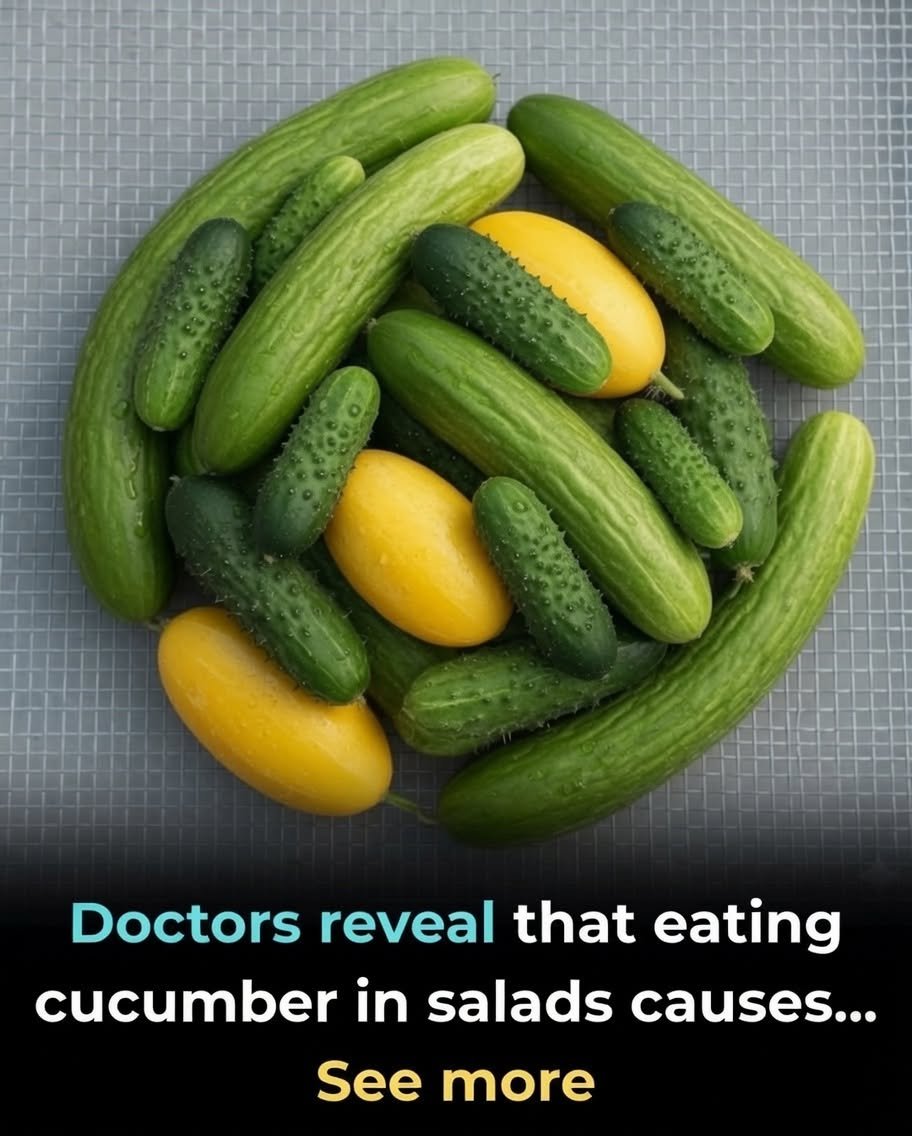
Cucumbers can be a refreshing and nutritious addition to salads, particularly because they contain about 95–96% water and are naturally low in calories. They also provide vitamin K, small amounts of vitamin C and potassium, and some dietary fiber. (heart.org) Their high water content can contribute to overall hydration, while their fiber may support normal digestion and bowel regularity. (health.clevelandclinic.org) Cucumbers also contain various plant compounds with antioxidant activity, although claims that they can “detox” the body or cure specific diseases are not supported by strong clinical evidence. The American Heart Association describes cucumbers as a relatively healthy, low-calorie food that can be a useful alternative to less nutritious snacks. (heart.org)
One important detail is what you add to the cucumber salad. A simple salad with cucumber, tomatoes, leafy greens, herbs, beans, and a modest amount of healthy dressing can contribute to a nutrient-rich meal. However, creamy dressings, excessive mayonnaise, large amounts of salt, or heavily processed toppings can add substantial sodium, saturated fat, sugar, and calories. The CDC recommends emphasizing vegetables and other nutrient-dense foods while limiting highly processed foods, excess sodium, and added sugars. (cdc.gov) Eating the cucumber with its peel can also provide more fiber, provided it has been properly washed. People taking medications affected by vitamin K should maintain a consistent intake of vitamin-K-rich foods and discuss significant dietary changes with their healthcare professional rather than suddenly changing consumption. (heart.org)
For most people, cucumber salad is a simple, affordable way to add more vegetables and water-rich foods to the diet. To make it more balanced, combine cucumbers with protein such as beans, eggs, fish, or another appropriate protein source, along with other colorful vegetables and a moderate amount of healthy fat. Remember that cucumbers are nutritious but relatively light in fiber and several micronutrients compared with some leafy greens and other vegetables, so variety remains important. (heart.org) Disclaimer: This article is for general educational and nutritional information only and does not constitute medical advice, diagnosis, or treatment. Cucumbers cannot guarantee prevention or treatment of disease, and individual dietary needs vary. Always verify health information through reliable scientific and medical sources and consult a qualified healthcare professional for personalized dietary guidance.
Leave a Reply