Blog

  • Experts Share What Everyone Should Know About Eating Avocados

    Experts Share What Everyone Should Know About Eating Avocados

    Avocados have earned their reputation as a nutrient-dense food because they provide fiber, potassium, magnesium, folate, vitamin C, vitamin K, and mostly monounsaturated fats. Unlike many foods that contain fat, avocado is rich in unsaturated fat, which can be a useful replacement for foods higher in saturated fat. The American Heart Association’s 2026 dietary guidance emphasizes choosing unsaturated fats in place of saturated fats as part of an overall heart-healthy eating pattern. Research has also linked regular avocado consumption with cardiovascular benefits. In a large observational study following more than 110,000 health professionals for decades, people eating at least two servings of avocado per week had a lower risk of cardiovascular disease than those who rarely ate it. However, these findings show an association rather than proving that avocados alone prevent heart disease.

    One of the most interesting features of avocado is its combination of healthy fats and dietary fiber. This combination can make meals more satisfying and may help support a balanced eating pattern. Research has also examined whether replacing foods such as butter, cheese, margarine, and processed meats with avocado could improve cardiovascular health. In the large observational study, replacing half a serving per day of some of these foods with avocado was associated with a lower risk of cardiovascular disease. Avocados also contain carotenoids such as lutein and zeaxanthin, plant compounds involved in eye health. Still, avocado should not be viewed as a miracle food. It is relatively calorie-dense, so eating very large quantities can add significant calories to the diet. A healthier approach is to use avocado instead of less nutritious or saturated-fat-rich foods rather than simply adding it on top of everything else.

    For most people, avocado can easily fit into a balanced diet through salads, whole-grain toast, sandwiches, vegetable dishes, or homemade spreads. Portion awareness is useful because a medium avocado contains roughly 240 calories and about 24 grams of fat, even though much of that fat is unsaturated. The broader goal should be a diet rich in vegetables, fruits, whole grains, legumes, healthy proteins, fiber, and minimally processed foods. The latest American Heart Association guidance emphasizes the overall dietary pattern rather than relying on one “superfood.” Disclaimer: This article is for general educational and informational purposes only and does not constitute medical, nutritional, or treatment advice. Research suggests potential health benefits from avocado, but eating avocado cannot guarantee prevention of heart disease or other illnesses. Individual dietary needs vary, so always verify health information through reliable scientific and medical sources and consult a qualified healthcare professional for personalized dietary guidance.


  • The Science Behind Guava’s Health Benefits May Surprise You

    The Science Behind Guava’s Health Benefits May Surprise You

    Guava is a tropical fruit that packs an impressive nutritional profile into a relatively small serving. It is particularly rich in vitamin C, dietary fiber, potassium, and plant-based antioxidants, making it a useful addition to a balanced diet. One cup of raw guava provides around 9 grams of fiber and more than the daily value of vitamin C, according to Cleveland Clinic. Fiber can support regular digestion and help promote feelings of fullness, while vitamin C contributes to normal immune function and antioxidant protection. Scientific analysis has also found substantial amounts of polyphenols in guava, with both the pulp and peel demonstrating antioxidant activity in laboratory testing. These nutrients help explain why researchers continue to study guava as more than simply a flavorful fruit.

    Research has explored whether guava may have benefits related to heart health, blood pressure, blood sugar, and metabolic health. A clinical trial involving people with hypertension found that a diet incorporating substantial amounts of guava was associated with reductions in blood pressure and certain blood lipid measurements. Another randomized study involving healthy adults found that guava consumption was associated with changes in body mass index, blood pressure, and some lipid measurements, although the results differed depending on whether the fruit was consumed with or without the peel. More recent scientific reviews continue to investigate guava’s flavonoids and other bioactive compounds for potential antioxidant, anti-inflammatory, and metabolic effects. However, researchers emphasize that more high-quality human trials are needed before these potential effects can be considered proven medical benefits. This distinction is important: promising research does not mean guava can prevent, cure, or replace treatment for a disease.

    The simplest way to enjoy guava is as part of a varied, nutrient-rich eating pattern. Fresh guava can be eaten whole after washing, added to fruit salads, blended into smoothies, or enjoyed as a convenient snack. Because the fruit naturally contains fiber and micronutrients, eating whole guava is generally more nutritionally valuable than relying on heavily sweetened guava drinks or processed products. Its nutritional value makes it an excellent choice alongside other fruits, vegetables, whole grains, legumes, nuts, and other minimally processed foods. However, no single fruit can guarantee better health or prevent chronic disease. Disclaimer: This article is for general educational and informational purposes only and does not constitute medical, nutritional, or treatment advice. Research suggests that guava has valuable nutrients and promising bioactive compounds, but some claimed health effects require stronger human evidence. Always verify health information through reliable scientific and medical sources and consult a qualified healthcare professional for personalized dietary guidance.

  • A Banana Before Bed Could Affect Your Body in Several Ways

    A Banana Before Bed Could Affect Your Body in Several Ways

    Eating a banana before bed is generally safe for most healthy people and can be a convenient, nutrient-rich evening snack. A medium banana provides roughly 105 calories, 3 grams of fiber, 422 milligrams of potassium, and 32 milligrams of magnesium, along with vitamin B6 and naturally occurring carbohydrates. Because potassium supports normal muscle, nerve, and heart function, including potassium-rich foods such as bananas in a balanced diet can contribute to overall nutrition. Bananas also provide fiber, which may support digestion and help with feelings of fullness. Some people choose bananas at night because they contain nutrients involved in normal nervous-system function, but it is important not to exaggerate this into a guaranteed sleep remedy.

    There is some interest in whether bananas can support better sleep, partly because they contain magnesium and vitamin B6 and because foods containing tryptophan and other nutrients have been studied in relation to sleep. However, strong evidence that eating a banana immediately before bed directly improves sleep is limited. Cleveland Clinic notes that magnesium may play a role in sleep-related processes, but evidence for supplementation is still relatively weak. A banana can nevertheless be a reasonable light snack, particularly when paired with a source of protein or healthy fat such as plain yogurt or a small amount of nut butter. For some people, eating close to bedtime may instead cause digestive discomfort or simply add unnecessary calories, so personal tolerance matters. People with diabetes should also consider portion size and ripeness because ripe bananas contain more readily digestible sugars than less-ripe bananas.

    There are also situations where a bedtime banana may not be appropriate in large amounts. People with chronic kidney disease or other conditions that require potassium restriction may need to limit high-potassium foods, including bananas, depending on their individual medical plan. For most healthy individuals, however, there is no established reason to avoid a banana simply because it is eaten at night. The bigger picture matters more: maintain a balanced diet, limit excessive late-night meals, and prioritize a consistent sleep schedule and healthy sleep environment. A banana can be part of that routine, but it is not a guaranteed treatment for insomnia or a substitute for addressing persistent sleep problems. Disclaimer: This article is for general educational and informational purposes only and does not constitute medical, nutritional, or treatment advice. Individual responses to foods vary, and claims about bananas dramatically improving sleep or treating health conditions should not be considered guaranteed. Always verify health information through reliable scientific and medical sources and consult a qualified healthcare professional for personalized guidance.

  • A Heart Attack Can Give Warning Signs First — 7 Symptoms to Know

    A Heart Attack Can Give Warning Signs First — 7 Symptoms to Know

    A heart attack does not always begin with sudden, crushing chest pain. According to the American Heart Association, some heart attacks develop gradually, with mild discomfort or symptoms that come and go. Seven important warning signs to recognize are chest pressure or discomfort, pain or discomfort spreading to the arm or shoulder, pain in the jaw, neck or back, shortness of breath, unusual sweating, nausea or vomiting, and unexplained lightheadedness or unusual weakness. Chest discomfort may feel like pressure, squeezing, fullness, burning, or aching and can last several minutes before improving and returning. These symptoms can occur in different combinations, and not everyone experiences all of them. Some people may even mistake heart-related symptoms for indigestion, fatigue, stress, or another less serious problem.

    It is especially important to recognize that symptoms can differ from person to person. Women may experience the classic chest discomfort, but they can also have shortness of breath, nausea, vomiting, unusual tiredness, weakness, or discomfort in the back, shoulder, arm, neck, or jaw. Older adults and people with diabetes may also experience less typical symptoms. A heart attack happens when blood flow to part of the heart muscle becomes blocked, and treatment works best when medical care begins quickly. This is why it is dangerous to wait for symptoms to become severe or to try to determine at home whether the discomfort is “just heartburn.” Even if you’re uncertain about the cause, potentially serious heart symptoms deserve urgent professional assessment.

    If you or someone nearby develops new chest discomfort, unexplained shortness of breath, pain spreading to the arm, jaw, neck, back or stomach, cold sweating, nausea, faintness, or unusual weakness, seek emergency medical help immediately. Do not drive yourself if emergency services are available; trained emergency personnel can begin assessment and treatment while transporting you. The safest approach is to act early rather than hoping the symptoms disappear. Disclaimer: This article is for general educational and informational purposes only and does not constitute medical advice, diagnosis, or treatment. These symptoms can have several possible causes, and their presence does not prove that a heart attack is occurring. If you suspect a heart attack, seek emergency medical care immediately and verify medical information through reliable healthcare authorities.

  • You’ve Heard Mixed Things About Eggs — But What Really Happens If You Eat 3 Whole Eggs Every Day?

    You’ve Heard Mixed Things About Eggs — But What Really Happens If You Eat 3 Whole Eggs Every Day?

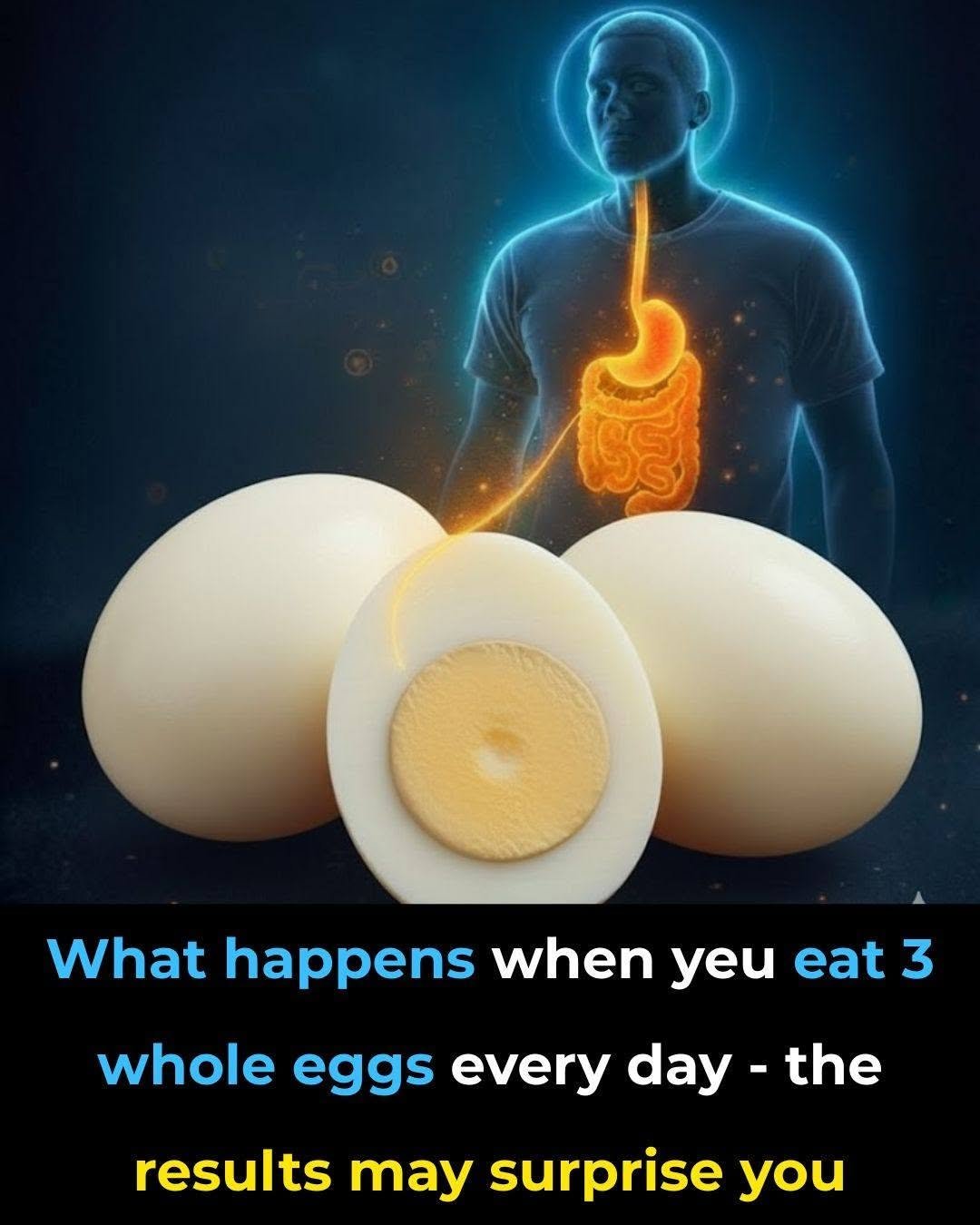
    Eggs are among the most nutrient-dense foods commonly eaten at breakfast, providing high-quality protein, choline, vitamin B12, vitamin D, selenium, and other essential nutrients. A large egg contains roughly 6 grams of protein and about 186–200 mg of dietary cholesterol, most of which is found in the yolk. (www.heart.org) Eating three whole eggs every day therefore provides a substantial amount of protein and micronutrients, but it also supplies considerably more dietary cholesterol than the amount traditionally recommended for a heart-conscious eating pattern. Importantly, dietary cholesterol and blood cholesterol are not the same thing. The effect of eggs can vary between individuals, and the overall diet—especially saturated-fat intake—plays a major role in cardiovascular health. The American Heart Association’s 2026 dietary guidance says dietary cholesterol is no longer a primary target for cardiovascular-risk reduction for most people when it is considered within an overall heart-healthy dietary pattern. (professional.heart.org)

    But does that mean three eggs every day are automatically beneficial? Not necessarily. Research on higher egg consumption has produced mixed findings, and individual responses can differ. The American Heart Association’s guidance has historically supported up to one whole egg daily for healthy individuals, with some flexibility for older adults who have healthy cholesterol levels, while people with elevated LDL cholesterol, diabetes, or certain cardiovascular risks may need more individualized advice. (professional.heart.org) The way eggs are prepared also matters: eggs served with vegetables and whole grains create a very different dietary pattern from eggs regularly eaten with processed meat, butter, or other foods high in saturated fat. Some people may also experience a measurable increase in LDL cholesterol when consuming more dietary cholesterol. (professional.heart.org) Therefore, eating three whole eggs daily should not be presented as a universal “health hack.” For someone with normal cholesterol and an otherwise nutritious diet, eggs can certainly be part of a healthy eating pattern, but consuming three yolks every day is a more substantial dietary choice than simply having an egg occasionally.

    The practical takeaway is to look at your entire diet and your personal health profile, rather than judging eggs as simply “good” or “bad.” If you enjoy eggs, combine them with vegetables, beans, whole grains, or other minimally processed foods and avoid turning every egg-based meal into a high-saturated-fat breakfast. If you have high LDL cholesterol, diabetes, cardiovascular disease, or another condition that affects dietary recommendations, discuss your egg intake with a qualified healthcare professional and consider having your cholesterol checked regularly. Eggs can provide valuable nutrition, but no single food guarantees better heart health. (www.heart.org) Disclaimer: This article is for general educational and informational purposes only and does not constitute medical, nutritional, or treatment advice. Research on egg consumption continues to evolve, and individual responses can vary. The claim that eating three whole eggs every day will produce a specific health result should not be treated as guaranteed. Always verify nutrition claims through reliable scientific and medical sources and consult a qualified healthcare professional for personalized dietary guidance.
  • Have You Ever Wondered Why Flight Attendants Sit on Their Hands During Takeoff?

    Have You Ever Wondered Why Flight Attendants Sit on Their Hands During Takeoff?

    If you have ever noticed a flight attendant sitting with their hands positioned underneath their thighs or otherwise appearing to “sit on their hands” during takeoff, there is a practical aviation-safety reason behind the posture. This position is often associated with a technique called the braced position, which helps cabin crew prepare their bodies for the possibility of a sudden stop, hard landing, or unexpected impact. During takeoff and landing—the phases of flight when many accidents are more likely to occur—flight attendants must remain secured in their assigned jump seats and be ready to respond quickly if an emergency occurs. Keeping the body positioned correctly helps reduce unnecessary movement and can help cabin crew maintain a stable posture during an unexpected event. (faa.gov)

    The exact technique can vary according to the airline, aircraft, jump-seat design, and crew training, so it is not accurate to say that every flight attendant always sits on their hands. Aviation authorities and airlines train cabin crew in specific brace positions designed to reduce the likelihood of injury during an impact. The underlying principle is to keep the body restrained, minimize loose movement, and protect vulnerable parts of the body. Flight attendants also have additional responsibilities during takeoff and landing: they monitor the cabin, secure equipment and passengers, and remain prepared to respond to an emergency. Their jump seats are specifically designed to provide restraint and support during these critical phases of flight. (faa.gov)

    So the next time you see a flight attendant adopting this unusual-looking posture, it is not simply a quirky habit or a way to stay comfortable. It can be part of a carefully trained safety procedure designed for an extremely unlikely but potentially serious situation. Cabin crew spend extensive time learning emergency procedures, including evacuation, fire response, first aid, communication, and appropriate protective positioning. The seemingly small details passengers notice—such as where a flight attendant places their hands or how they sit in a jump seat—can therefore have a specific safety purpose. Disclaimer: This article is for general informational purposes only. Procedures and brace positions can differ between airlines, aircraft types, and jurisdictions. Always follow the safety instructions provided by your airline and cabin crew during a flight, and verify aviation-safety information through reliable airline or aviation-authority sources.

  • Why Garlic Has Been Studied for Its Potential Health Benefits

    Why Garlic Has Been Studied for Its Potential Health Benefits

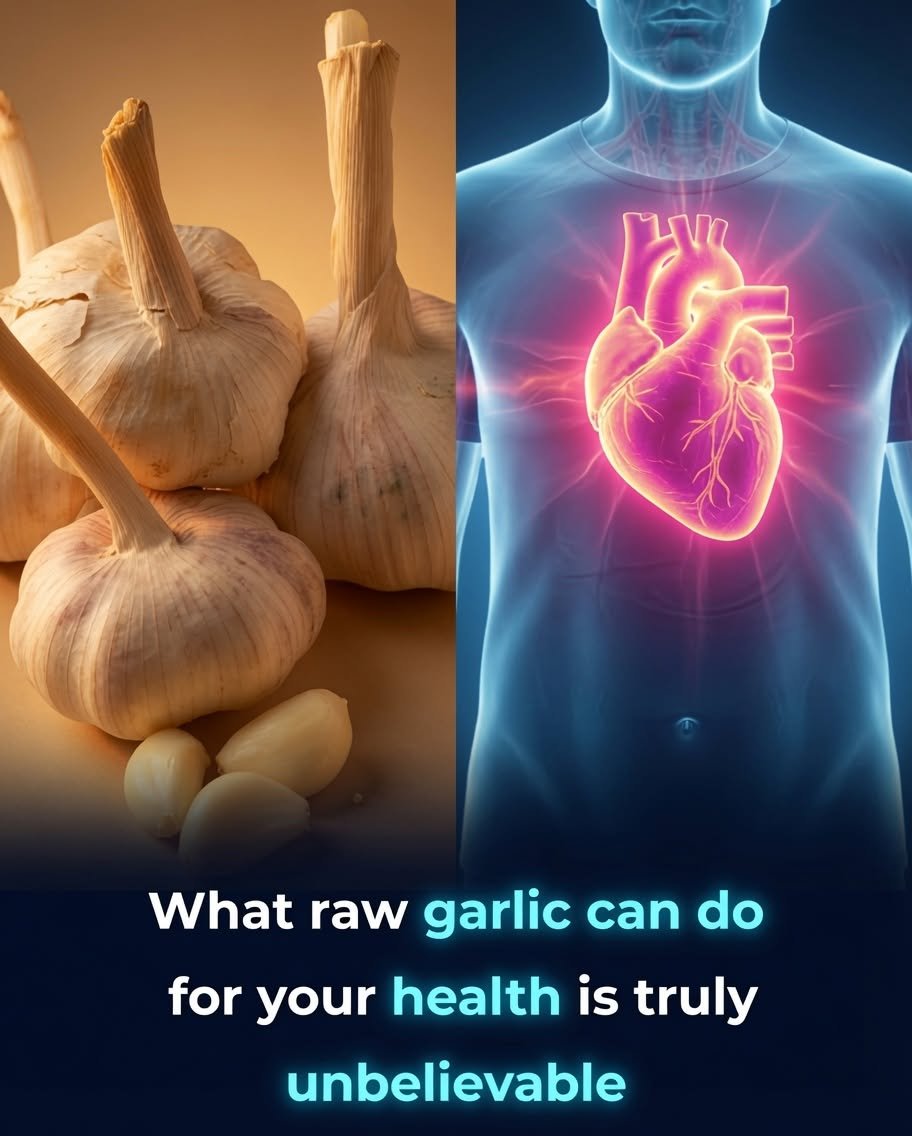
    Garlic has been used in cooking and traditional health practices for centuries, but modern researchers have also investigated its bioactive compounds and potential health effects. When fresh garlic is chopped, crushed, or chewed, it produces allicin, a sulfur-containing compound responsible for much of garlic’s characteristic aroma. Garlic also contains other sulfur compounds and antioxidants that researchers believe may influence several biological pathways. Studies have examined garlic in relation to cardiovascular health, blood pressure, cholesterol, immune function, and inflammation. However, evidence varies depending on whether researchers are studying fresh garlic, aged garlic extract, or concentrated supplements, so results from one form cannot automatically be applied to another. (nccih.nih.gov)

    One of the most studied areas is cardiovascular health. Some clinical research suggests that garlic preparations may produce modest reductions in blood pressure among people with hypertension. A review of randomized trials found that garlic supplementation was associated with reductions in blood pressure in some participants, although the quality and type of evidence varied. (pubmed.ncbi.nlm.nih.gov) Research has also explored possible effects on cholesterol and triglyceride levels. The National Center for Complementary and Integrative Health notes that garlic supplements may have small effects on cholesterol and blood pressure, but evidence is not strong enough to consider garlic a replacement for proven medical treatments. (nccih.nih.gov) Garlic’s sulfur compounds have also attracted scientific interest because laboratory studies suggest antioxidant and anti-inflammatory activity. Importantly, promising laboratory findings do not necessarily mean that eating garlic will prevent or treat a particular disease in humans.

    For most people, adding garlic to meals is a simple way to increase flavor and variety without relying heavily on salt or highly processed sauces. Garlic can be incorporated into vegetables, soups, beans, whole grains, and other balanced meals. Some people may experience heartburn, stomach discomfort, or bad breath after consuming larger amounts, while concentrated garlic supplements can interact with certain medications. In particular, garlic supplements may increase bleeding risk, which can be important for people taking anticoagulant or antiplatelet medicines or preparing for surgery. (nccih.nih.gov) The practical message is that garlic can be part of a nutritious diet, but it should not be promoted as a miracle cure. Disclaimer: This article is for general educational and informational purposes only and does not constitute medical, nutritional, or treatment advice. Research on garlic is ongoing, and potential benefits depend on the form, amount, and individual circumstances. Always verify health claims through reliable scientific and medical sources and consult a qualified healthcare professional before using concentrated garlic supplements, especially if you take prescription medication or have a medical condition.

  • 4 Everyday Foods That May Be More Likely to Harbor Parasites Than You Think

    4 Everyday Foods That May Be More Likely to Harbor Parasites Than You Think

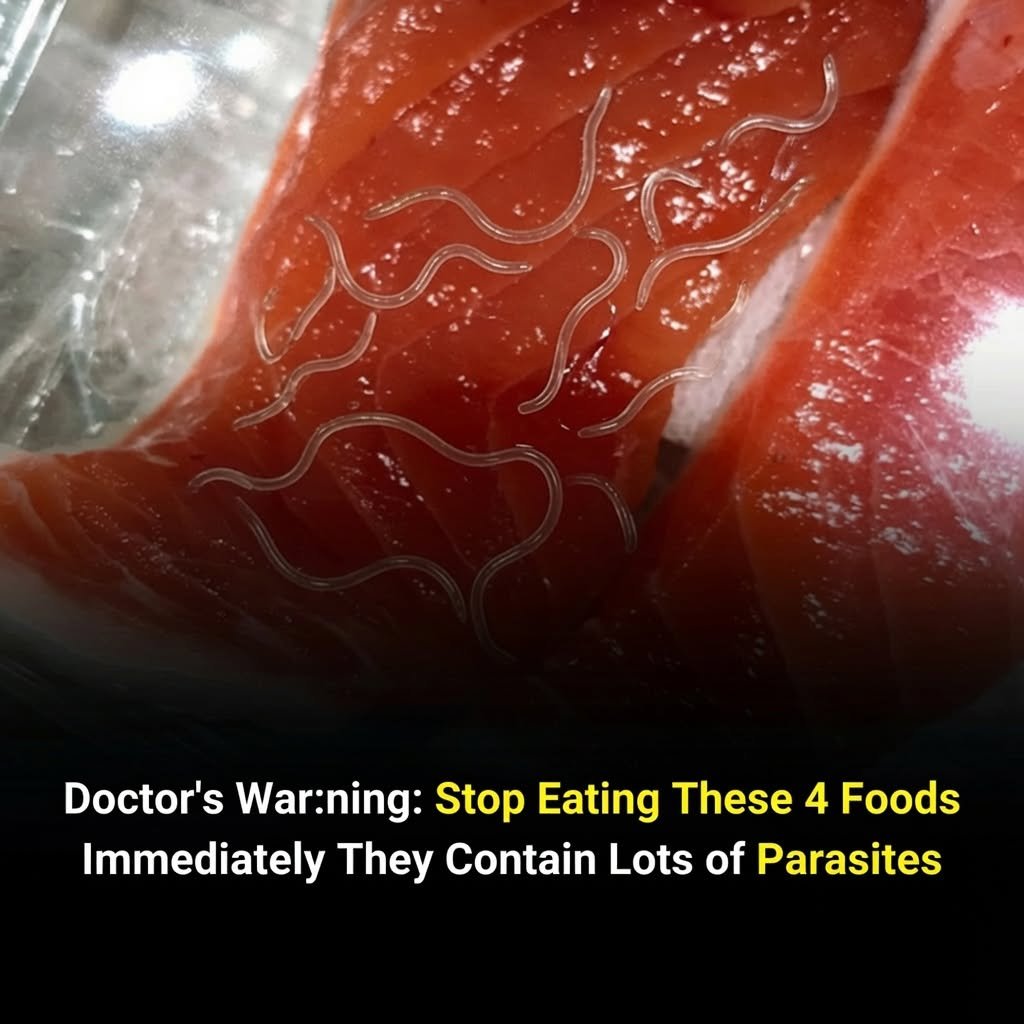
    Parasites are not something you should expect to find in ordinary food, but certain foods have a higher risk when they are raw, undercooked, unwashed, or contaminated during handling. One of the most important examples is raw or undercooked fish and squid. Parasites such as Anisakis can infect people who eat inadequately cooked seafood and may cause abdominal pain, nausea, vomiting, diarrhea, or other digestive symptoms. (cdc.gov) A second food group is undercooked meat, particularly pork and certain wild-game meats. Trichinella larvae can cause trichinellosis when contaminated meat is eaten raw or insufficiently cooked. (cdc.gov) This doesn’t mean these foods are inherently unsafe—proper cooking dramatically reduces the risk.

    The third group is raw or unwashed fruits and vegetables, including leafy greens. These foods can become contaminated with parasites through contaminated soil, irrigation water, animal feces, or poor handling. The CDC identifies parasites such as Cryptosporidium, Giardia, and Cyclospora among organisms that can be transmitted through contaminated food, while unwashed produce can provide a route of exposure. (cdc.gov) A fourth category is raw aquatic plants, such as watercress, which can carry certain parasites when grown or harvested in contaminated environments. (cdc.gov) People should also remember that foodborne illness is not limited to parasites: bacteria and viruses can contaminate many of the same foods. Pregnant women, young children, older adults, and people with weakened immune systems can face a higher risk of serious foodborne illness and should take additional precautions. (cdc.gov)

    The good news is that simple food-safety habits can greatly reduce the risk. Cook seafood thoroughly to an internal temperature of about 145°F (63°C), cook meat to appropriate safe temperatures, wash fresh produce under running water, and prevent raw meat or seafood from contaminating ready-to-eat foods. (cdc.gov) For seafood eaten raw, freezing under appropriate conditions can kill certain parasites, but freezing does not eliminate every harmful germ, so thoroughly cooking seafood remains the safest option. (fda.gov) Avoid relying on appearance, smell, or taste to determine whether food contains parasites. Disclaimer: This article is for general educational and food-safety information only and does not constitute medical advice, diagnosis, or treatment. Parasite risk varies according to food type, origin, preparation, and handling, and most properly prepared foods are safe. Always verify food-safety information through reliable medical, scientific, and government sources and consult a qualified healthcare professional if you develop persistent or concerning symptoms after suspected foodborne exposure.

  • The Best Home Remedies for Sinus Infection

    The Best Home Remedies for Sinus Infection

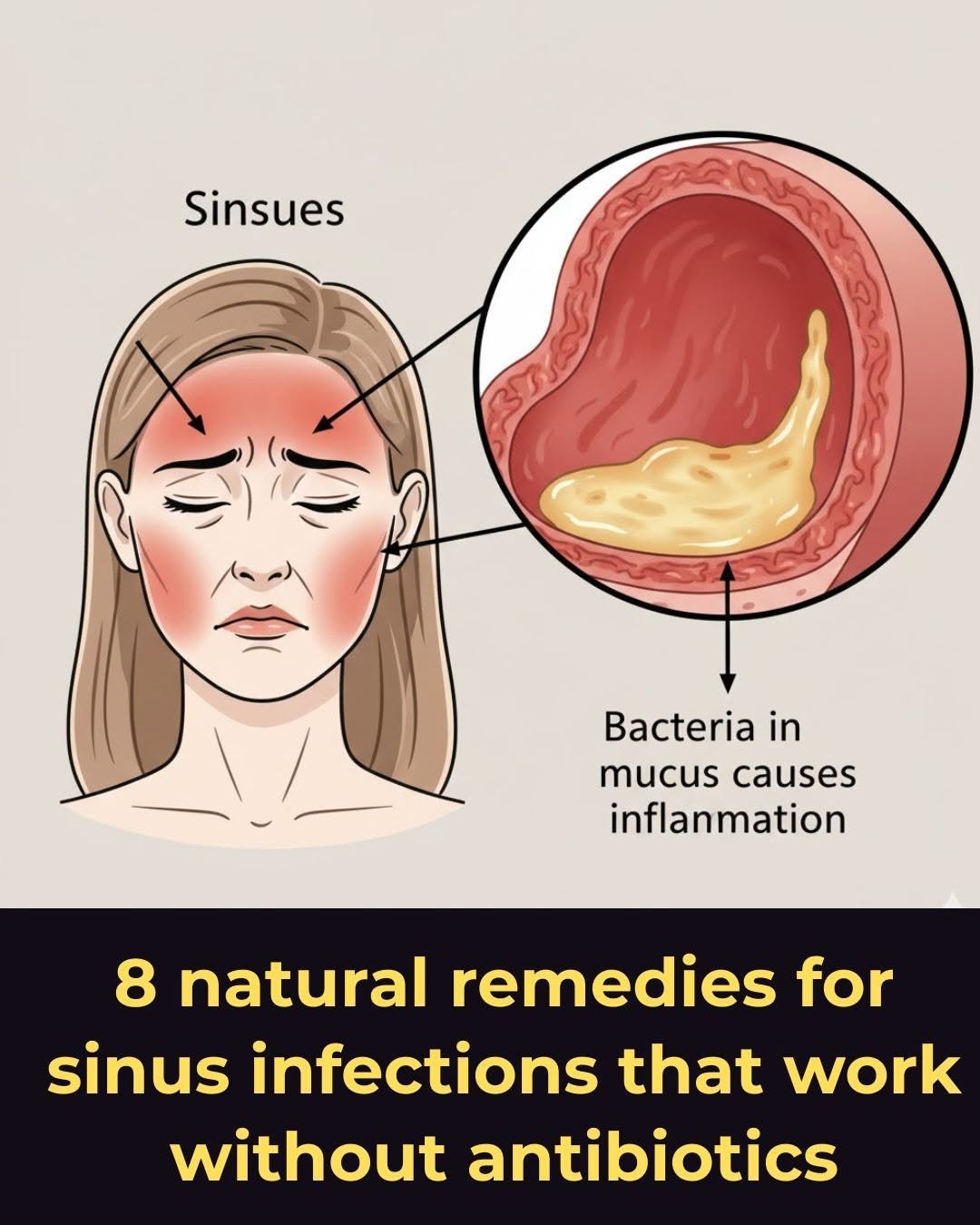
    Sinus infections, or sinusitis, can cause nasal congestion, facial pressure, headache, thick mucus, and discomfort around the nose, cheeks, or forehead. Fortunately, many acute cases improve without antibiotics, particularly when they are caused by a viral infection. One of the most useful home measures is a saline nasal spray or rinse, which can help loosen thick mucus and improve sinus drainage. If you use a neti pot or nasal-rinse bottle, it is important to use distilled, sterile, previously boiled and cooled, or appropriately filtered water—not untreated tap water. (mayoclinic.org) Drinking adequate fluids, getting plenty of rest, and using a clean humidifier can also help keep nasal passages more comfortable. (mayoclinic.org)

    Another simple option is warm moisture and gentle heat. Taking a warm shower or breathing comfortably in warm, moist air may help loosen mucus, while a warm compress placed over the nose, cheeks, or forehead can reduce feelings of facial pressure. (mayoclinic.org) Sleeping with your head slightly elevated may also encourage drainage and make congestion more manageable. For pain or fever, commonly used over-the-counter medicines such as acetaminophen or ibuprofen may provide relief when they are appropriate for you. Decongestants can sometimes reduce congestion, but nasal decongestant sprays should generally be used only for a few days because prolonged use can cause rebound congestion. (mayoclinic.org) People with high blood pressure, heart conditions, pregnancy, or certain medication interactions should check with a healthcare professional before using some decongestants.

    It is important to know when home treatment is no longer enough. If symptoms persist for more than about 10 days without improving, become significantly worse after initially getting better, or involve severe facial pain or persistent fever, a healthcare professional should evaluate you for possible bacterial sinusitis or another cause. (mayoclinic.org) Antibiotics do not treat viral infections and should not be taken without appropriate medical guidance. Recurrent or chronic sinus symptoms may also require evaluation for allergies, nasal polyps, or other underlying problems. Disclaimer: This article is for general educational and informational purposes only and does not constitute medical advice, diagnosis, or treatment. Home remedies can ease symptoms but may not treat the underlying cause in every case. Always verify health information through reliable medical and scientific sources and consult a qualified healthcare professional for severe, persistent, recurrent, or worsening symptoms.

  • Pain on the Left Side of Your Body: What Could It Mean?

    Pain on the Left Side of Your Body: What Could It Mean?

    Pain on the left side of the body can have many possible causes, and the location, severity, duration, and accompanying symptoms matter. Pain near the left chest or upper abdomen can sometimes come from muscles, indigestion, reflux, or inflammation, but it can also involve the heart, lungs, spleen, or other organs. Pain in the left lower abdomen may be related to the digestive system, while pain in the left flank or back can sometimes involve the kidney or urinary tract. Even seemingly minor pain should receive attention when it is new, persistent, or unexplained because symptoms alone cannot reliably identify the underlying cause. (mayoclinic.org)

    Left-sided chest pain deserves particular caution. Heart-related discomfort may feel like pressure, squeezing, fullness, or pain in the chest and can sometimes spread to the arm, shoulder, back, neck, jaw, or upper abdomen. It may occur with shortness of breath, sweating, nausea, dizziness, or unusual weakness. (mayoclinic.org) Not every case of left chest pain is caused by the heart—muscle strain, reflux, anxiety, and lung conditions can produce similar discomfort—but it is not possible to safely distinguish all causes at home. Sudden or severe chest pain, particularly with difficulty breathing, fainting, severe weakness, or pain spreading to the arm or jaw, requires emergency medical attention. (nhs.uk)

    Pain elsewhere on the left side can also provide clues, but it should not be used for self-diagnosis. Flank pain accompanied by fever, chills, painful urination, blood in the urine, nausea, or vomiting can occur with kidney or urinary problems. (mayoclinic.org) Abdominal pain that becomes severe, persistent, or associated with repeated vomiting, abdominal swelling, bloody stools, or fever should also be medically evaluated. (mayoclinic.org) Disclaimer: This article is for general educational and informational purposes only and does not constitute medical advice, diagnosis, or treatment. Left-sided pain has many possible causes, and its location alone cannot identify a specific illness. Always verify health information through reliable medical and scientific sources and consult a qualified healthcare professional about persistent, worsening, unexplained, or severe pain.