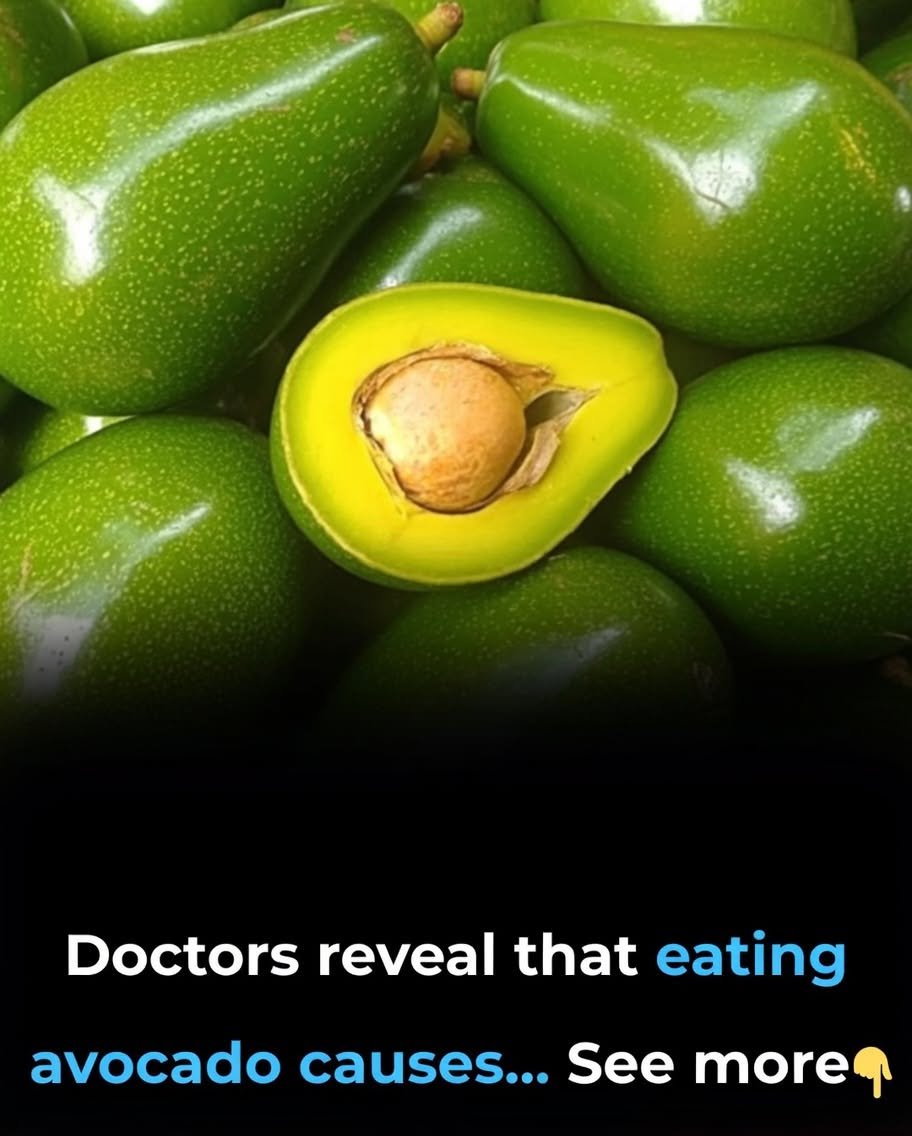
Avocados have earned their reputation as a nutrient-dense food because they provide fiber, potassium, magnesium, folate, vitamin C, vitamin K, and mostly monounsaturated fats. Unlike many foods that contain fat, avocado is rich in unsaturated fat, which can be a useful replacement for foods higher in saturated fat. The American Heart Association’s 2026 dietary guidance emphasizes choosing unsaturated fats in place of saturated fats as part of an overall heart-healthy eating pattern. Research has also linked regular avocado consumption with cardiovascular benefits. In a large observational study following more than 110,000 health professionals for decades, people eating at least two servings of avocado per week had a lower risk of cardiovascular disease than those who rarely ate it. However, these findings show an association rather than proving that avocados alone prevent heart disease.
One of the most interesting features of avocado is its combination of healthy fats and dietary fiber. This combination can make meals more satisfying and may help support a balanced eating pattern. Research has also examined whether replacing foods such as butter, cheese, margarine, and processed meats with avocado could improve cardiovascular health. In the large observational study, replacing half a serving per day of some of these foods with avocado was associated with a lower risk of cardiovascular disease. Avocados also contain carotenoids such as lutein and zeaxanthin, plant compounds involved in eye health. Still, avocado should not be viewed as a miracle food. It is relatively calorie-dense, so eating very large quantities can add significant calories to the diet. A healthier approach is to use avocado instead of less nutritious or saturated-fat-rich foods rather than simply adding it on top of everything else.
For most people, avocado can easily fit into a balanced diet through salads, whole-grain toast, sandwiches, vegetable dishes, or homemade spreads. Portion awareness is useful because a medium avocado contains roughly 240 calories and about 24 grams of fat, even though much of that fat is unsaturated. The broader goal should be a diet rich in vegetables, fruits, whole grains, legumes, healthy proteins, fiber, and minimally processed foods. The latest American Heart Association guidance emphasizes the overall dietary pattern rather than relying on one “superfood.” Disclaimer: This article is for general educational and informational purposes only and does not constitute medical, nutritional, or treatment advice. Research suggests potential health benefits from avocado, but eating avocado cannot guarantee prevention of heart disease or other illnesses. Individual dietary needs vary, so always verify health information through reliable scientific and medical sources and consult a qualified healthcare professional for personalized dietary guidance.
Leave a Reply