Blog

  • Understanding Somnology and Neuromuscular Physiology: The Reality Behind Sleep Sialorrhea, Brain Function, and Viral Health Clickbait

    Understanding Somnology and Neuromuscular Physiology: The Reality Behind Sleep Sialorrhea, Brain Function, and Viral Health Clickbait

    Digital media platforms frequently feature stock illustrations or photographic composites of individuals sleeping with open mouths and drooling—paired with incomplete, dramatic headlines like “If you drool while you sleep, it’s a sign that your brain…”. These viral posts rely on censorial truncation, curiosity-driven hooks, and exaggerated neurological warnings to provoke health anxiety, encourage comment section speculation, and drive rapid social media sharing and ad-monetized click-through rates rather than providing evidence-based medical or sleep physiology education.

    From a somnological and neuromuscular perspective, nocturnal sialorrhea (sleep drooling) is a common, benign physiological event primarily determined by mechanical factors and sleep architecture rather than underlying brain pathology. During Rapid Eye Movement (REM) sleep, the brain induces peripheral muscle atonia—a natural state of muscular relaxation that includes the facial muscles and swallowing reflexes. When combined with sleeping positions like side or stomach sleeping, gravity simply allows excess saliva produced by the salivary glands to escape through a relaxed, open mouth. While severe, chronic sialorrhea in awake adults can occasionally associate with neurological conditions affecting swallowing coordination (dysphagia) or upper airway resistance (such as obstructive sleep apnea or nasal congestion), framing routine sleep drooling as a sudden indicator of brain dysfunction is scientifically baseless. Content-farming networks systematically take normal human physiological occurrences, frame them as sinister brain warnings, and deploy cliffhanger captions to maximize user engagement metrics and web ad revenue.

    Managing nocturnal drooling effectively relies on simple postural adjustments and basic airway hygiene rather than succumbing to sensationalized health claims. Sleeping on one’s back, addressing seasonal nasal allergies or sinus congestion to encourage nasal breathing, and maintaining adequate hydration typically resolve or reduce nighttime saliva pooling. Understanding how clickbait algorithms exploit everyday bodily functions helps consumers navigate online medical information with critical discernment. For verified evaluation regarding chronic swallowing difficulties, severe airway obstruction, or underlying sleep disorders, consulting a board-certified sleep specialist, otolaryngologist (ENT), or neurologist provides authoritative, scientifically grounded care.


  • Understanding Cognitive Engagement and Visual Puzzle Traps: The Reality Behind Hidden-Object Clickbait and Algorithmic Farming

    Understanding Cognitive Engagement and Visual Puzzle Traps: The Reality Behind Hidden-Object Clickbait and Algorithmic Farming

    Digital media platforms frequently feature illustrated cartoon puzzles—such as an elderly couple in bed accompanied by icons of a lamp, comb, nail, and pill—paired with challenge captions claiming most people cannot find the fourth hidden object. These viral posts rely on gamified curiosity hooks, artificial scarcity challenges, and hidden comment-bait tactics (such as “find the answer in the first comment”) to manipulate platform algorithms, maximize user engagement, and drive ad-monetized traffic rather than providing genuine cognitive entertainment.

    From a visual psychology and digital media perspective, these interactive puzzles are engineered specifically to exploit user behavior. Three of the objects are easily visible in standard positions (the lamps on the nightstands and the comb draped across the footboard), while the fourth object—typically the pill or nail—is cleverly disguised within the cartoon’s line art, shading, or anatomy (such as the pill shape formed by the man’s fingers or facial lines). Content-farming networks systematically deploy these visual puzzles to force users into expanding comment sections, typing replies, or clicking external links to find the “secret” answer, thereby artificially inflating algorithmic visibility and ad revenue.

    Evaluating viral social media challenges effectively involves recognizing engagement-bait mechanics designed to harvest comments and shares rather than engaging with organic puzzles. Understanding how content farms weaponize curiosity helps foster critical media literacy across digital feeds. For genuine cognitive puzzles, brain training exercises, or logic games, consulting established puzzle publications, dedicated logic platforms, or reputable mobile application stores provides safe and transparent entertainment.

  • Understanding Concert Forensics and Public Boundaries: The Reality Behind Live Performance Misconduct, Inappropriate Filming, and Viral Outrage

    Understanding Concert Forensics and Public Boundaries: The Reality Behind Live Performance Misconduct, Inappropriate Filming, and Viral Outrage

    Digital media platforms frequently feature multi-panel video stills of global recording artists—such as Colombian singer Shakira during a nightclub performance—paired with sensationalized or incomplete captions referencing the moment an artist halts a performance and exits the stage. These viral posts rely on dramatic freeze-frames, emotional outrage, and open-ended intrigue to provoke rapid social media sharing, maximize comment section debate, and drive ad-monetized click-through rates rather than providing comprehensive journalistic reporting on audience safety and venue ethics.

    From a media forensics and performance ethics perspective, the video stills depict a verified September 2024 incident at LIV Miami, where Shakira was previewing her single “Soltera” on a raised VIP stage. While dancing, the artist noticed individuals in the front crowd attempting to position mobile devices to film underneath her dress. After repeatedly pulling down her hemline and signaling disapproval to the audience, she chose to stop dancing and walk off the stage to ensure her physical privacy and request venue security intervention. Content-farming networks routinely excerpt such high-tension celebrity moments without full context to capitalize on viral outrage algorithms and maximize digital ad revenue.

    Maintaining boundary respect and security within live entertainment environments relies on strict venue enforcement, performer safety protocols, and public digital decency rather than invasive audience behaviors. Modern concert venues establish security perimeters and clear behavioral guidelines to protect performers and attendees alike from harassment or unauthorized recording. Understanding how clickbait channels package moments of boundary violation helps online audiences evaluate viral media through a lens of critical media literacy. For verified event news, official tour updates, and professional artist statements, consulting accredited entertainment journalism and official venue press releases provides dependable, accurate information.

  • Understanding Vascular Pathology and Clinical Dermatology: The Reality Behind Lower Extremity Hyperpigmentation, Stasis Dermatitis, and Viral Health Clickbait

    Understanding Vascular Pathology and Clinical Dermatology: The Reality Behind Lower Extremity Hyperpigmentation, Stasis Dermatitis, and Viral Health Clickbait

    Digital media platforms frequently feature clinical photographs of lower leg skin changes—such as bilateral hyperpigmentation, brownish discoloration, or swelling around the shins and ankles—paired with incomplete, alarmist headlines like “These are clear signs that he is cr…”. These viral posts rely on censorial truncation, dramatic medical hooks, and fear-based engagement to incite health anxiety, provoke urgent comment section speculation, and drive rapid social media sharing and ad-monetized click-through rates rather than providing accurate medical or dermatological education.

    From a vascular surgery and clinical dermatology perspective, the brownish or reddish discoloration visible on the lower legs is a classic clinical presentation of stasis dermatitis secondary to chronic venous insufficiency (CVI). When valves within the lower extremity veins weaken, blood pools in the lower legs, increasing hydrostatic pressure and driving red blood cells to leak into surrounding dermal tissues. As these red blood cells break down, iron deposits (hemosiderin) accumulate under the skin, resulting in characteristic brownish staining known as hemosiderin hyperpigmentation. While chronic venous insufficiency is a legitimate vascular condition that requires clinical management to prevent venous ulcers, skin breakdown, or cellulitis, content-farming networks systematically pair real clinical photos with ominous, truncated captions to imply imminent fatal collapse or terminal illness, purely to exploit user anxiety and maximize ad impression revenue.

    Managing lower extremity vascular health relies on accurate clinical evaluation and evidence-based therapeutic interventions rather than succumbing to sensationalized health warnings. Standard management for chronic venous insufficiency and stasis dermatitis includes wearing graduated compression stockings, elevating the legs above heart level during rest, practicing regular low-impact physical activity, and utilizing gentle topical emollients to maintain skin barrier integrity. Understanding how clickbait networks weaponize common vascular and dermatological conditions helps patients navigate health information online with critical discernment. For verified diagnosis, Doppler ultrasound evaluation, or personalized treatment plans regarding leg swelling and discoloration, consulting a board-certified vascular specialist, cardiologist, or dermatologist provides authoritative, scientifically grounded care.

  • Understanding Invertebrate Anatomy and Food Safety: The Reality Behind Shrimp Deveining, Digestive Biology, and Viral Health Warnings

    Understanding Invertebrate Anatomy and Food Safety: The Reality Behind Shrimp Deveining, Digestive Biology, and Viral Health Warnings

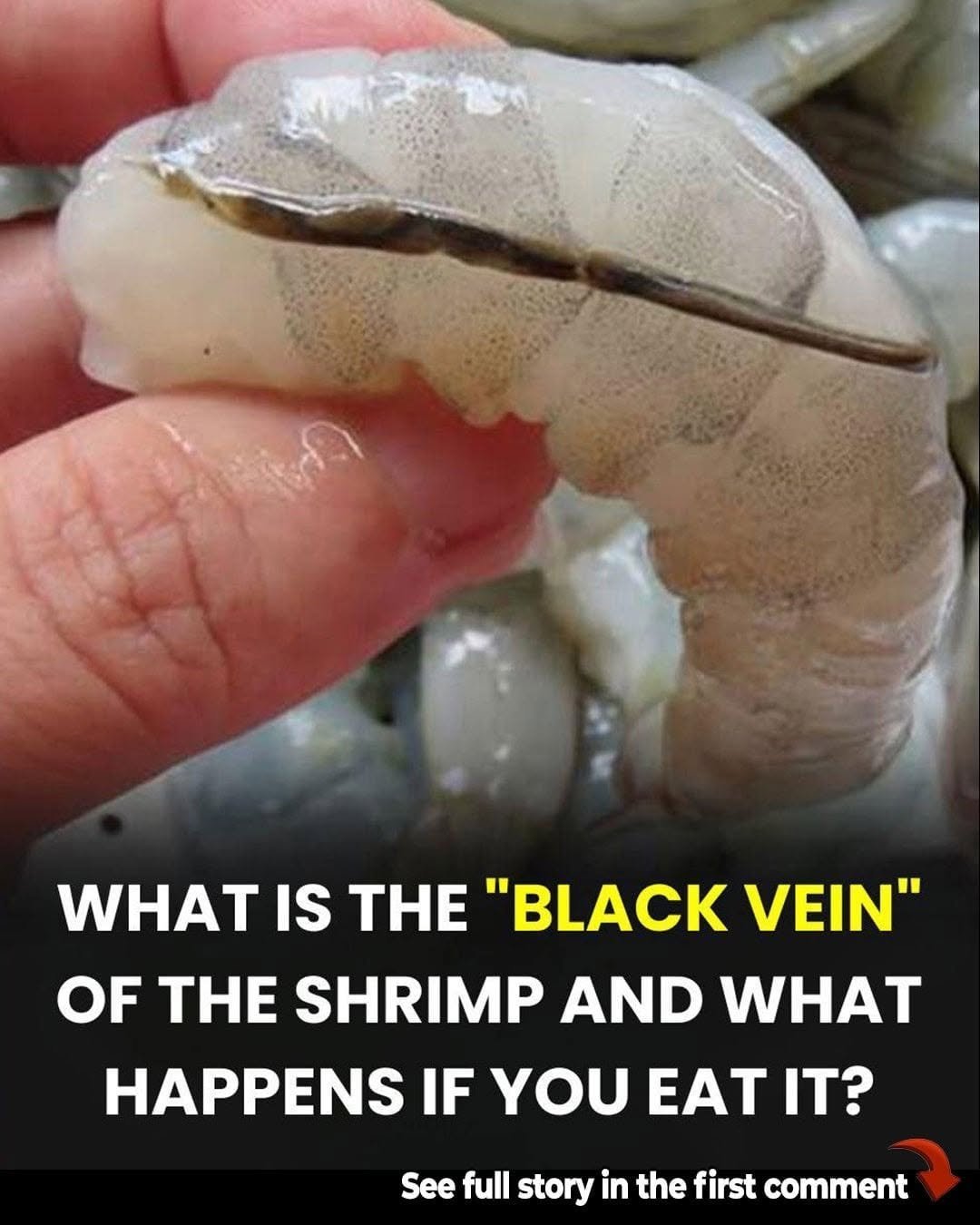
    Digital media platforms frequently feature close-up photography of raw shrimp displaying a distinct dark line along the back—often termed the “black vein”—paired with sensationalized headlines asking what happens if you consume it. These viral posts rely on cliffhanger captions, disgust framing, and open-ended curiosity hooks to provoke immediate revulsion, encourage comment section debate, and maximize social media sharing and ad-monetized click-through rates rather than providing scientifically accurate culinary or biological education.

    From a marine biology and food safety perspective, the dark strip running along the dorsal curve of a shrimp is not a circulatory blood vessel or vein, but rather the crustacean’s digestive tract. The dark appearance stems from partially digested food particles, sand, and grit ingested by the shrimp prior to harvest. While the term “deveining” is standard culinary terminology, removing this intestinal line is primarily a matter of texture, aesthetics, and culinary preference rather than severe biological risk. Consuming cooked shrimp without removing the tract is entirely safe and non-toxic, as thorough thermal cooking destroys any standard bacteria; however, un-deveined shrimp may occasionally carry a gritty texture or slightly muddy flavor. Content-farming networks routinely frame basic seafood preparation choices into alarming medical questions purely to exploit engagement metrics and generate web traffic revenue.

    Preparing shrimp safely relies on proper kitchen handling, thorough cooking, and personal preference regarding texture. Removing the digestive tract using a small paring knife or deveining tool improves presentation and eliminates potential grittiness, particularly in larger shrimp varieties where the intestinal line is more pronounced. Understanding the anatomical distinction between circulatory systems and digestive tracts in seafood helps consumers make informed culinary choices without succumbing to sensationalized health warnings. For verified guidance on seafood safety, proper cooking temperatures, and food preparation standards, consulting government agricultural agencies, public health departments, or culinary arts authorities provides reliable, evidence-based recommendations.

  • Understanding Digital Forensics and Generative AI Manipulation: The Reality Behind Synthetic Arrest Footage, Censorial Headlines, and Viral Clickbait

    Understanding Digital Forensics and Generative AI Manipulation: The Reality Behind Synthetic Arrest Footage, Censorial Headlines, and Viral Clickbait

    Digital media platforms frequently feature composite photo panels depicting photogenic individuals being handcuffed or mugshot-style portraits—such as a woman in casual attire surrounded by law enforcement officers—paired with incomplete, sensationalized headlines like “Unbelievable: Woman caught having s…”. These viral posts rely on censorial truncation, sexualized intrigue, and artificial law enforcement scenarios to bypass content filters, provoke tabloid curiosity, and maximize social media sharing and ad-monetized click-through rates rather than reporting authentic crime journalism.

    796969532_1414566150768084_8125097222199652924_n.jpg

    From a digital forensics and synthetic media analysis perspective, the images presented are AI-generated fakes designed to mimic real arrest photos and mugshots. Generative artificial intelligence models routinely display telling visual artifacts, such as hyper-smooth skin textures, unnatural hand or handcuff alignments, generic law enforcement badges lacking real departmental insignia, and visual inconsistencies between different angles of the same subject. Content-farming networks systematically generate synthetic “viral crime” scenarios and pair them with suggestive, unfinished captions to manipulate user engagement algorithms, inflate ad impressions, and drive traffic to external websites.

    796969532_1414566150768084_8125097222199652924_n.jpg+ 2

    Evaluating public crime news and social media arrest stories effectively requires verifying claims against accredited news organizations, official police department blotters, and public court records rather than accepting AI-generated imagery at face value. Understanding how clickbait networks utilize synthetic visuals to manufacture fake scandals helps foster critical media literacy online. For factual reports on legal proceedings, law enforcement actions, or authentic news events, consulting established news outlets and official public safety portals provides reliable, verified information.

  • Understanding Digital Media Manipulation and Celebrity Clickbait: The Reality Behind AI-Fabricated Social Media Hoaxes

    Understanding Digital Media Manipulation and Celebrity Clickbait: The Reality Behind AI-Fabricated Social Media Hoaxes

    Digital media platforms frequently feature artificial intelligence-generated image composites—such as dramatic generational side-by-side photos or fabricated hospital bedside scenes—paired with sensationalized breaking-news headlines claiming unexpected developments involving prominent public figures like former game show host Pat Sajak. These viral posts rely on synthetic media, emotional manipulation, and false urgency hooks to provoke curiosity, maximize social media engagement, and drive ad-monetized web traffic rather than reporting legitimate journalism or verified news events.

    From a digital forensics and media analysis perspective, these sensationalized announcements are entirely fictitious clickbait. Content-farming networks systematically weaponize generative artificial intelligence tools to manufacture emotional narratives, tragic deathbed hooks, or false celebrity announcements. By pairing unrelated or completely computer-generated visuals with recognizable names and artificial timestamps, these networks exploit algorithmic visibility and user trust. Pat Sajak concluded his historic four-decade tenure hosting Wheel of Fortune in 2024 and remains retired from daily television broadcasting, making dramatic breaking-news claims entirely fabricated digital disinformation.

    Evaluating online breaking news effectively requires cross-checking sensational claims against established news wire services, official public relations statements, and reputable journalistic outlets rather than trusting social media posts with artificial urgency. Understanding how content farms deploy synthetic media helps foster critical digital media literacy. For accurate updates regarding public figures or verified entertainment news, consulting established journalistic institutions and official representatives provides dependable, factual information.

  • Understanding Food Parasitology and Botanical Hygiene: The Science Behind Water Caltrops, Parasitic Encystment, and Viral Health Disinformation

    Understanding Food Parasitology and Botanical Hygiene: The Science Behind Water Caltrops, Parasitic Encystment, and Viral Health Disinformation

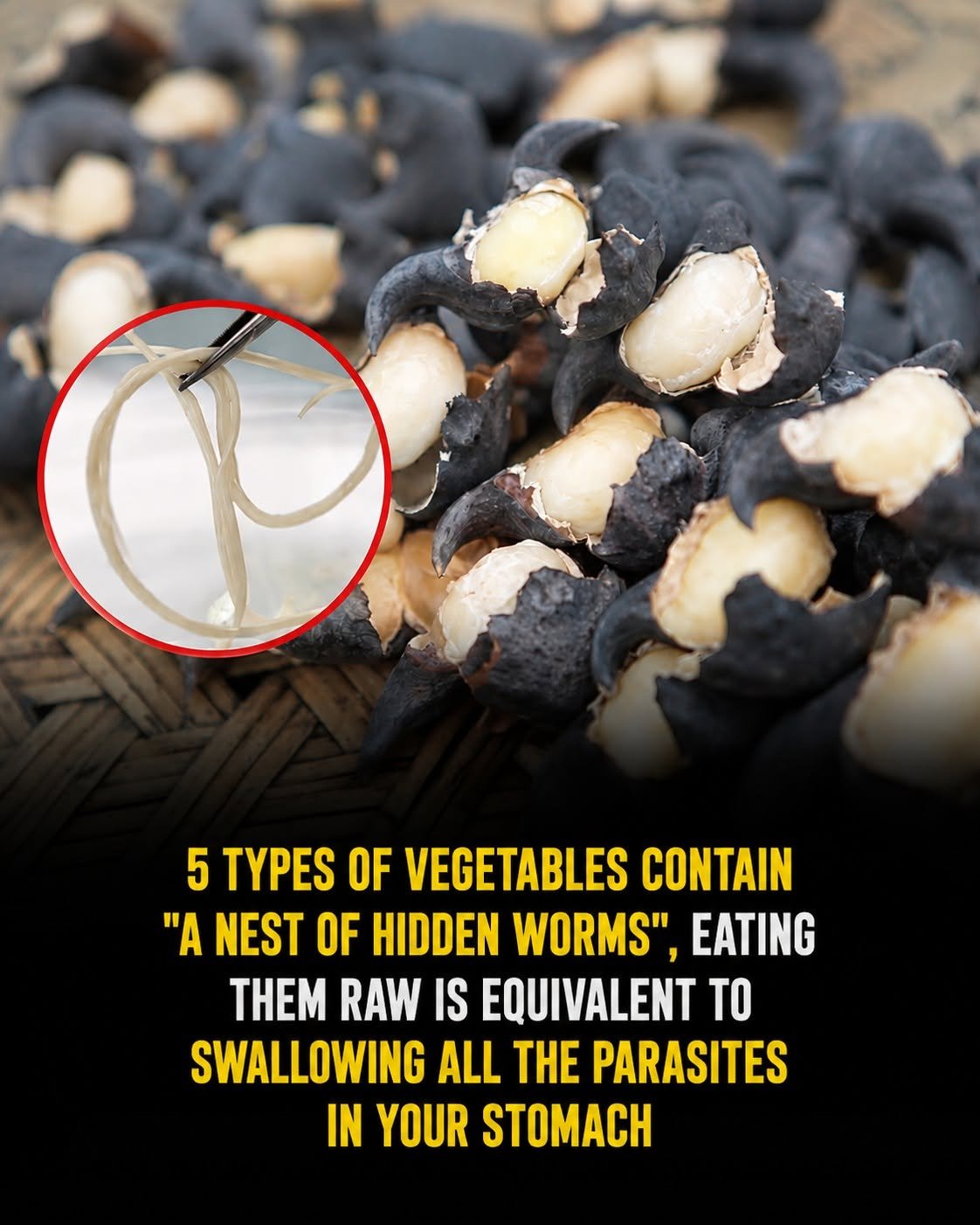
    Digital media platforms frequently feature composite graphics depicting aquatic plants or unfamiliar produce—such as water caltrops (Trapa natans or Trapa bicornis)—alongside inset images of long parasitic worms and sensationalized headlines claiming certain raw vegetables contain “a nest of hidden worms.” These viral posts rely on visceral fear tactics, gross-out visual inserts, and extreme medical warnings to provoke health anxiety, drive rapid social media sharing, and maximize digital engagement metrics rather than providing evidence-based botanical and parasitological education.

    From a food safety and parasitology perspective, aquatic plants grown in fresh water (such as water caltrops, water chestnuts, and lotus roots) can host microscopic infectious agents like Fasciolopsis buski (the giant intestinal fluke) if cultivated in environments contaminated with agricultural runoff or animal waste. However, the infectious stage consists of microscopic metacercariae encysted on the outer skin or hull of the plant, rather than visible, macroscopic adult roundworms writhing inside the flesh as depicted in viral composite graphics. When raw or unwashed aquatic vegetables harboring these microscopic cysts are consumed, larvae hatch in the duodenum and attach to the intestinal wall, leading to fasciolopsiasis—a condition treatable with anti-parasitic medications like praziquantel. Content-farming networks systematically pair real food hygiene warnings regarding aquatic crops with dramatic, unrelated parasite imagery to manufacture high-engagement clickbait that inflames public terror and inflates web ad revenue.

    Preventing waterborne parasite transmission relies on straightforward culinary hygiene and proper food preparation rather than succumbing to sensationalized health warnings. Thoroughly washing produce under clean running water, peeling the tough outer skins of aquatic nuts, and boiling or thoroughly cooking crops completely destroys encysted metacercariae, rendering the food entirely safe for consumption. Understanding how viral media exaggerates real agricultural risks helps consumers practice effective food safety without adopting unnecessary dietary panic. For verified guidelines on foodborne parasite prevention, produce handling, and agricultural safety standards, consulting public health agencies, agricultural extension services, or infectious disease specialists provides authoritative, scientifically grounded information.

  • Understanding Digital Media Manipulation and Celebrity Hoaxes: The Reality Behind AI-Fabricated Health Claims and Viral Clickbait

    Understanding Digital Media Manipulation and Celebrity Hoaxes: The Reality Behind AI-Fabricated Health Claims and Viral Clickbait

    Digital media platforms frequently feature real photographs of well-known public figures—such as actress Debby Ryan attending a red carpet event—paired with sensationalized, catastrophic health headlines claiming severe medical crises, life-altering brain injuries, or lengthy hospitalizations. These viral posts rely on emotional shock value, deceptive framing, and curiosity-driven hooks to provoke concern, maximize social media sharing, and drive ad-monetized traffic rather than reporting legitimate entertainment journalism or medical news.

    From a digital forensics and media analysis perspective, these sensational claims are entirely fabricated clickbait. Content-farming networks systematically harvest photographs of public figures from recent public appearances, combine them with dramatic captions or AI-assisted image manipulation, and invent alarming medical narratives to exploit fan anxiety and bypass algorithmic content restrictions. The actress depicted has experienced no such public health crisis; the narrative is entirely artificial, designed solely to monetize digital engagement metrics, click-through rates, and platform ad revenue.

    Evaluating viral celebrity news effectively requires checking statements against verified entertainment reporting, official press releases, and reputable journalistic outlets rather than accepting sensational social media graphics at face value. Understanding how clickbait networks weaponize public figures helps foster critical digital media literacy. For accurate updates regarding celebrity careers, public appearances, or verified personal statements, consulting established entertainment news agencies and official public relations representatives provides dependable, factual information.

  • Understanding Digital Storytelling and Synthetic Media: The Reality Behind AI-Generated Family Dramas, Emotional Clickbait, and Viral Hoaxes

    Understanding Digital Storytelling and Synthetic Media: The Reality Behind AI-Generated Family Dramas, Emotional Clickbait, and Viral Hoaxes

    Digital media platforms frequently feature emotional side-by-side photo composites depicting a father-figure through the decades—such as a childhood photo from 2000 pairedside with a hospital bedside scene from 2026—accompanied by heartbreaking hooks about deathbed secrets. These viral posts rely on artificial intelligence image generation, highly evocative personal narratives, and dramatic suspense to provoke deep empathy, drive rapid social media sharing, and maximize digital engagement metrics rather than reporting genuine human-interest journalism.

    From a digital forensics and media analysis perspective, the images presented are synthetic composites generated entirely by artificial intelligence. Generative image models frequently display distinctive artifacts across chronological pairings, including inconsistent facial structures, digital smoothing, unnatural lighting transformations, and composite staging that merges entirely unrelated computer-generated subjects into a cohesive narrative frame. Content-farming networks systematically weaponize AI-generated visual storytelling and fabricated personal tragedy hooks to exploit user emotions, bypass automated content filters, and maximize ad-monetized traffic.

    Evaluating digital media effectively relies on inspecting visual consistency, checking for common generative AI rendering anomalies, and recognizing standard emotional engagement baiting patterns. Understanding how modern synthetic tools construct compelling dramatic narratives helps readers maintain a critical, objective perspective on online content. If you are looking for authentic human stories, memoirs, or verified family support networks, consulting reputable literary publishers, documentary platforms, or established community counseling organizations provides genuine and reliable resources.