Blog

  • Nutritional Reality: What Eating Walnuts Actually Does

    Nutritional Reality: What Eating Walnuts Actually Does

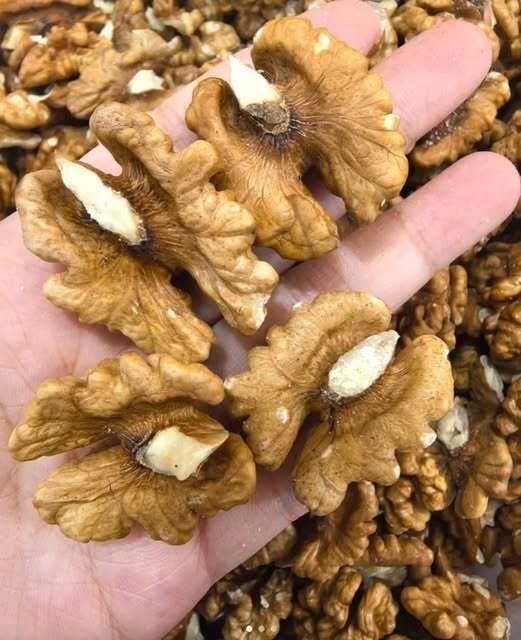
    The photo shows a handful of shelled walnut halves, accompanied by an incomplete, dramatic headline: “Doctors reveal that eating walnuts causes…”.

    Despite the clickbait framing that implies a shocking revelation or danger, medical consensus strongly supports walnuts as a nutrient-dense food with proven cardiovascular, brain, and metabolic benefits when eaten in moderation.

    Proven Health Benefits of Walnuts

    1. Cardiovascular Support: Walnuts are exceptionally high in alpha-linolenic acid (ALA), a plant-based omega-3 fatty acid. Regular consumption helps lower LDL (“bad”) cholesterol, reduce arterial inflammation, and improve overall blood pressure regulation.
    2. Brain Health: Rich in polyphenols, vitamin E, and polyunsaturated fats, walnuts help combat oxidative stress and inflammation in the brain, supporting cognitive function and memory.
    3. Gut Microbiome Health: The prebiotic fibers and antioxidants in walnuts nourish beneficial gut bacteria, promoting a healthy digestive ecosystem.
    4. Metabolic & Weight Management: Despite being energy-dense, the combination of protein, healthy fats, and fiber in walnuts aids satiety, helping control appetite and balance blood sugar levels.

    Potential Drawbacks (In Rare Cases)

    • Caloric Density: Eating excessive amounts can lead to surplus calorie intake if not balanced within a daily diet.
    • Tree Nut Allergies: Walnuts can trigger severe allergic reactions in individuals with tree nut allergies.
    • Digestive Discomfort: Consuming large quantities at once may cause bloating or mild GI distress due to high fiber and fat content.

    Deconstructing Health Clickbait Mechanics

    This post employs standard engagement-farming techniques designed to drive social media traffic:

    • The Incomplete Headline (“Curiosity Gap”): Truncating the statement with an ellipsis (“causes…”) creates suspense, forcing scrollers to click through to an external link or check the comment section to finish the thought.
    • Vague Authority Appeal: Citing unnamed “Doctors” lends an artificial sense of medical urgency and credibility without attributing specific studies or clinical sources.
    • Algorithmic Engagement: Users commenting with guesses, health questions, or corrections boost the post’s visibility across platform algorithms, earning ad revenue for content farms.
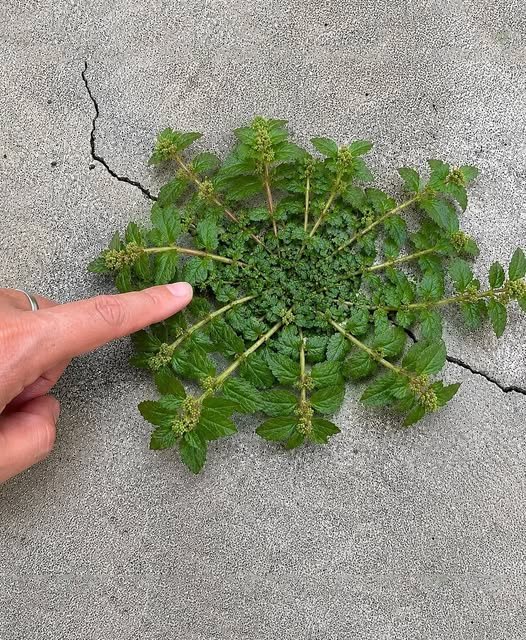
  • Botanical Reality: Plant Identification and Value Claims

    Botanical Reality: Plant Identification and Value Claims

    The photo shows a common sidewalk weed—likely a species of Parietaria (such as Parietaria judaica, commonly known as pellitory-of-the-wall) or a similar opportunistic urban weed—growing out of a concrete crack.

    Despite the hyperbolic claim that “Just one leaf of this plant is worth a gold mine!”, this is a common, wild-growing weed with no significant monetary, rare commercial, or precious value.

    Plant Characteristics & Natural Habitat

    1. Identification:
      • Family: Urticaceae (the nettle family).
      • Growth Pattern: Forms low-growing, radial rosettes or spreading mats that easily invade cracks in pavement, stone walls, and disturbed soil.
      • Leaves & Flowers: Small, light-green, ovate leaves with distinct veining and tiny, non-showy greenish flower clusters along the stems.
    2. Ecological & Medicinal Context:
      • Urban Weed: It is widely considered an invasive or nuisance weed in urban environments across temperate regions worldwide.
      • Traditional Uses vs. Commercial Value: While some species in the nettle family have historical uses in traditional herbal medicine (e.g., mild diuretics or poultices), they grow abundantly in the wild and hold virtually zero commercial market value.
      • Allergenic Potential: Airborne pollen from Parietaria species is a well-known trigger for seasonal respiratory allergies and hay fever in many regions.

    Deconstructing “Miracle Plant” Clickbait

    This image uses a textbook content-farm formula designed to exploit curiosity:

    • Extreme Hyperbole: Claiming an everyday weed is “worth a gold mine” creates an immediate financial sensation that entices viewers to stop scrolling.
    • The “Pointing Finger” Framing: Placing a finger near the plant simulates a scientific discovery or field guide demonstration, lending an artificial sense of authority to the image.
    • Curiosity Gap: Omitting the name or actual properties of the plant forces scrollers into the comment section to ask what it is or debate its supposed “magical” benefits.
    • Algorithmic Engagement: Massive volumes of comments arguing over the plant’s identity or mocking the exaggerated claim boost the post’s visibility across social media algorithms.
  • Medical Reality: Recognizing Vitamin B12 Deficiency

    Medical Reality: Recognizing Vitamin B12 Deficiency

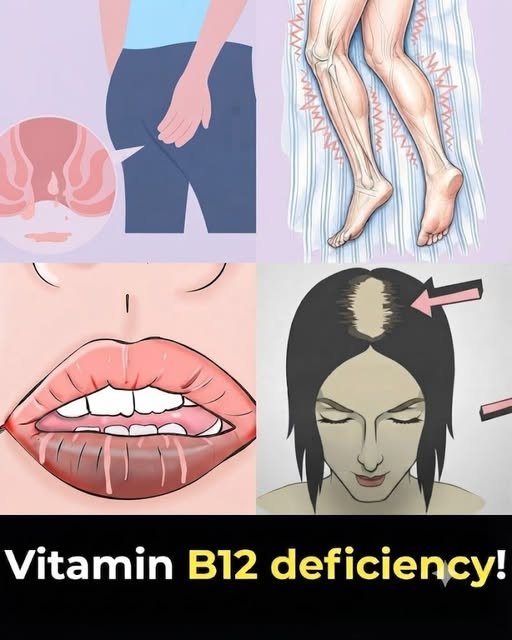
    The graphic presents four distinct illustrations—including leg tingling/restlessness, mouth inflammation, patchy hair loss, and an unrelated hemorrhoid/rectal diagram—under the bold header “Vitamin B12 deficiency!” paired with a prompt asking scrollers if they might be low in the nutrient.

    While Vitamin B12 is essential for nerve function, red blood cell production, and DNA synthesis, infographics like this often mix legitimate neurological and oral symptoms with completely unrelated physical conditions.

    Actual Symptoms of Vitamin B12 Deficiency

    When the body lacks adequate Vitamin B12, red blood cell production drops (megaloblastic anemia) and nerve damage can occur:

    1. Neurological & Sensory Symptoms:
      • Paresthesia: A “pins and needles” tingling, burning, or numbness in the hands, feet, and legs (depicted by the vibrating lines around the legs in the top-right panel).
      • Balance Issues & Muscle Weakness: Difficulty walking, poor coordination, or generalized muscle weakness.
      • Cognitive Changes: Brain fog, memory loss, confusion, and mood alterations like irritability or depression.
    2. Oral & Skin Symptoms:
      • Glossitis & Mouth Sores: A swollen, red, smooth, or sore tongue (glossitis) and angular cheilitis (painful cracks at the corners of the mouth, depicted in the bottom-left panel).
      • Pale or Jaundice Skin: A pale or slightly yellowish tinge to the skin and whites of the eyes due to low red blood cell levels.
    3. General Anemia Symptoms:
      • Chronic fatigue, shortness of breath, dizziness, and heart palpitations.

    Misleading Elements in the Image

    • Unrelated Visuals (Top-Left Panel): The top-left diagram clearly illustrates hemorrhoids or anal fissures, which have no physiological link to Vitamin B12 deficiency. This misattribution is common in recycled stock-image collages created by non-medical content farms.
    • Alopecia vs. B12 (Bottom-Right Panel): Severe nutritional deficiencies can cause general hair thinning, but patchy bald spots (like Alopecia Areata shown here) are typically autoimmune conditions, not direct indicators of B12 deficiency.

    Deconstructing Health Clickbait & Engagement Tactics

    This graphic relies on well-known engagement-farming techniques:

    • Sensationalized Symptom Stacking: Grouping common, widespread issues (fatigue, mouth sores, leg sensations) alongside alarming diagrams increases the likelihood that a user will identify with at least one symptom and believe they are sick.
    • Reused / Recycled Stock Art: Combining unrelated medical diagrams into a single composite image creates a high-contrast visual puzzle that encourages scrollers to pause and analyze.
    • The “Could You Be Low?” Curiosity Hook: Posing a diagnostic question instead of providing structured clinical facts leads users to click external link-trees or leave comments asking for medical advice.
    • Algorithmic Boost: Shares, saves, and comment disputes over the inaccurate illustrations boost the post’s reach across platform algorithms.
  • Medical Reality: Understanding Hives (Urticaria)

    Medical Reality: Understanding Hives (Urticaria)

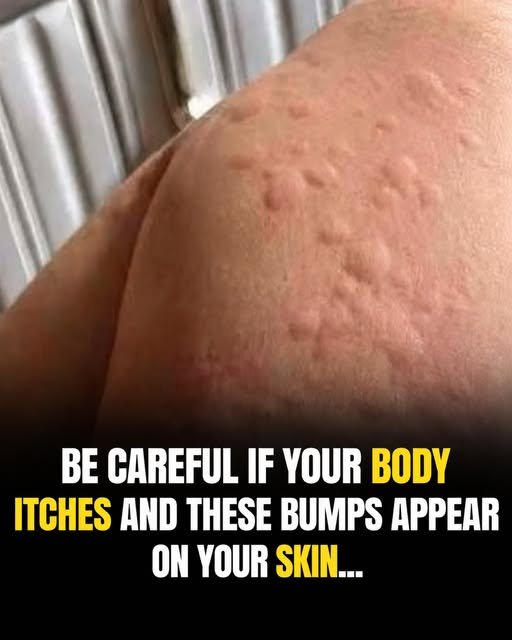
    The image shows raised, swollen, itchy red bumps on the skin—a classic presentation of hives (medically known as urticaria)—paired with alarmist text warning scrollers to “BE CAREFUL IF YOUR BODY ITCHES AND THESE BUMPS APPEAR ON YOUR SKIN…”.

    While sudden skin outbreaks can be uncomfortable, hives are a extremely common biological reaction rather than a sudden, mysterious medical emergency.

    What Are Hives and What Causes Them?

    1. The Biological Mechanism:
      • Hives occur when specialized immune cells (mast cells) release histamine and other inflammatory chemicals into the skin.
      • Histamine causes blood vessels to dilate and leak fluid into surrounding tissues, creating raised, smooth, itchy swellings called welts or wheals.
    2. Common Triggers:
      • Allergens: Certain foods (nuts, shellfish, eggs), medications (antibiotics, NSAIDs), insect stings, or latex.
      • Physical Factors: Extreme heat or cold, sunlight (solar urticaria), friction/pressure (dermatographia), or sweating.
      • Infections: Viral illnesses (like the common cold, flu, or COVID-19) frequently trigger hives in both adults and children.
      • Stress: Emotional stress or physical strain can trigger or worsen histamine release.
    3. Typical Treatment:
      • Most mild cases resolve on their own within hours to days. Over-the-counter antihistamines help block histamine activity and relieve itching. Cold compresses also soothe skin irritation.

    When Are Hives Actually Dangerous?

    While hives themselves are benign, they can occasionally be a symptom of a severe, life-threatening allergic reaction called anaphylaxis. Seek immediate emergency medical care if hives occur alongside:

    • Difficulty breathing, shortness of breath, or wheezing
    • Swelling of the tongue, lips, throat, or face (angioedema)
    • Dizziness, lightheadedness, or feeling faint
    • Nausea, vomiting, or severe abdominal pain

    Deconstructing Health-Panic Clickbait

    This post follows the standard formula used by content farms to drive viral reach:

    • Ominous Ellipsis (“…”): Leaving the text incomplete (“BE CAREFUL IF…”) intentionally creates a fear-based curiosity gap, forcing users to click an external link to find out what “deadly condition” they might have.
    • Universal Symptoms: Using extremely common symptoms—itching and skin bumps—ensures that almost every viewer can relate, raising engagement as panicked users check their own skin.
    • Engagement Harvesting: Frightened scrollers save, share, and comment on the post to ask for medical advice, which social media algorithms reward with widespread exposure.
  • Biological & Chemical Reality: Bleach-Like Discoloration on Underwear

    Biological & Chemical Reality: Bleach-Like Discoloration on Underwear

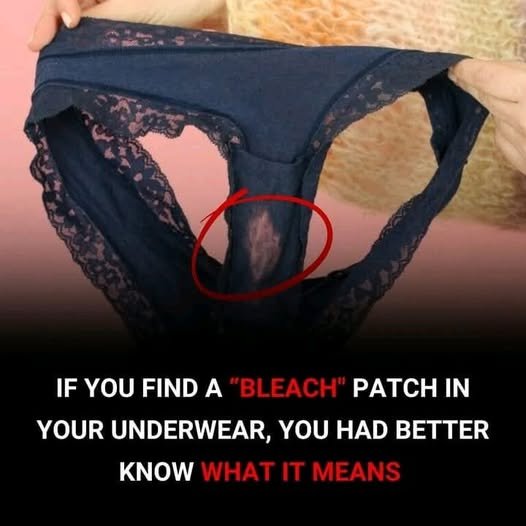
    The image highlights a faded, orange-to-yellow discolored patch in the gusset of dark fabric underwear, framed with alarmist text: “IF YOU FIND A ‘BLEACH’ PATCH IN YOUR UNDERWEAR, YOU HAD BETTER KNOW WHAT IT MEANS”.

    Despite the sensationalized tone implying an infection or hygiene problem, finding a lighter or “bleached” patch on dark undergarments is a completely normal, healthy chemical reaction caused by natural vaginal discharge.

    The Science of Vaginal Discharge and Fabric Discoloration

    1. Natural Acidity (pH Levels):
      • A healthy vagina naturally maintains an acidic pH level, typically ranging between 3.8 and 4.5.
      • This acidic environment is maintained by beneficial bacteria (primarily Lactobacillus) that produce lactic acid to protect against harmful pathogens, yeast overgrowth, and bacterial vaginosis.
    2. Chemical Bleaching Effect on Fabric Dyes:
      • When normal, acidic vaginal discharge comes into contact with fabric dyes (especially dark blue, black, or red cotton) over extended periods, the acid chemically reacts with the dye molecules, breaking them down.
      • This process permanently strips or fades the dye, leaving behind a lighter orange, yellow, or pinkish patch that looks identical to a tiny drop of household bleach.
    3. Indication of Self-Cleaning Function:
      • Finding these discolored spots is actually proof that the body’s natural self-cleaning mechanisms are working correctly to maintain a protective, acidic micro-environment.

    Deconstructing “Health Alarmism” Clickbait

    This graphic uses classic sensationalized tactics designed to weaponize health anxiety and taboos:

    • Fear-Mongering Tone: Phrasing like “YOU HAD BETTER KNOW WHAT IT MEANS” creates an artificial sense of urgency and medical concern over a routine biological phenomenon.
    • Taboo Exploitation: Capitalizing on the social stigma and lack of education surrounding basic reproductive health leads scrollers to worry that their body is abnormal or “dirty.”
    • Curiosity Gap Routing: Framing normal physiology as a ominous mystery encourages users to click through pinned links or comment sections to find out what “disease” they allegedly have.
    • Algorithmic Engagement: Hundreds of users jump into the comments—either seeking reassurance, sharing embarrassment, or explaining the basic science—which platform algorithms reward with widespread distribution.
  • Biological & Human Physiology Reality: What Breast Size Actually Indicates

    Biological & Human Physiology Reality: What Breast Size Actually Indicates

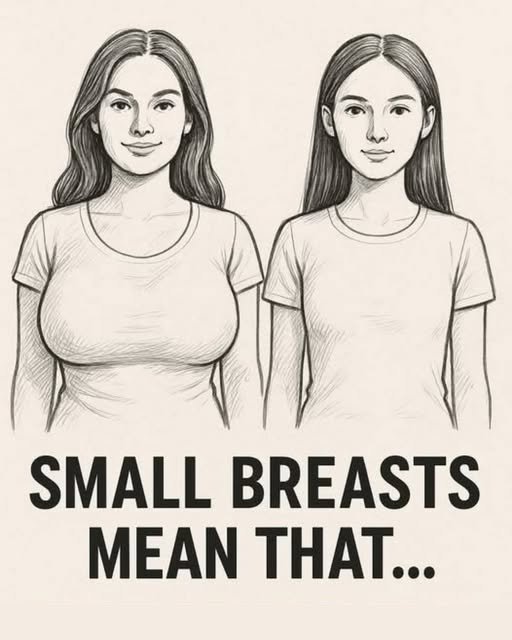
    The graphic shows two line-drawn women—one with larger breasts and one with smaller breasts—under the bold heading “SMALL BREASTS MEAN THAT…”

    Despite the sensational, incomplete caption designed to spark speculation, breast size is primarily determined by genetics, body fat distribution, and hormone levels, and has no medical bearing on health, milk production capacity, or personality.

    What Determines Breast Size?

    1. Genetics and Body Composition:
      • Breast tissue consists mainly of adipose (fat) tissue and glandular tissue (lobules and ducts).
      • Genetic inheritance dictates how much fat is stored in breast tissue relative to other parts of the body. Changes in overall body weight frequently affect breast size because fatty tissue expands or contracts.
    2. Hormones:
      • Estrogen, progesterone, and prolactin influence breast development during puberty, pregnancy, menstrual cycles, and menopause.
    3. Lactation Ability Is Unaffected:
      • Breast size does not determine a woman’s ability to produce milk during breastfeeding. Milk production occurs in the glandular tissue, which is present in roughly equal amounts across women regardless of overall breast volume (which is mostly dictated by fat tissue).

    Deconstructing Sensationalized “Body Science” Clickbait

    This post exemplifies classic social media engagement and click-bait tactics:

    • Incomplete Sentence / Curiosity Gap: Truncating the statement (“If a woman has small b.r.e.a.s.t.s, it means that her part int…”) forces readers to click into the comment section or an external link to finish the sentence.
    • Algospeak / Filter Evasion: Writing anatomical terms as “b.r.e.a.s.t.s” is a common technique used by content creators to bypass automated platform moderation filters that restrict or demonetize sexualized content.
    • Provocative Subject Matter: Weaponizing physical appearances or myths about female anatomy guarantees a flood of defensive, argumentative, or humorous comments.
    • Algorithmic Inflation: High volumes of user interaction signal to platform recommendation engines that the image is generating high retention, boosting its visibility across user feeds.
  • Food Science Reality: Yolk Color vs. Chicken Health

    Food Science Reality: Yolk Color vs. Chicken Health

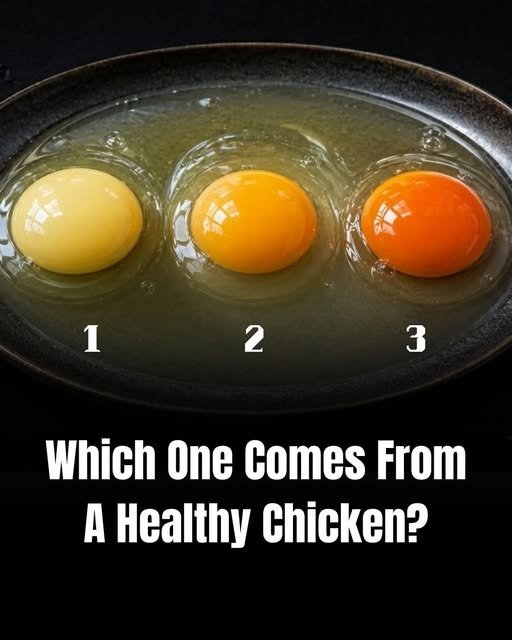
    None of the three choices exclusively guarantees a “healthier” chicken. Yolk color is a measure of the hen’s diet, not her overall health or the egg’s nutritional quality.

    All three eggs can come from perfectly healthy chickens.

    What Determines Egg Yolk Color?

    The shade of an egg yolk is controlled almost entirely by pigments called carotenoids in the hen’s feed:

    • Egg 1 (Pale Yellow): Indicates a diet rich in pale grains like wheat, barley, white corn, or sorghum.
    • Egg 2 (Medium Yellow/Gold): Typical for hens fed standard commercial feed containing yellow corn, alfalfa meal, or soy.
    • Egg 3 (Deep Orange): Indicates a diet high in rich carotenoids—such as marigold petals, red pepper extracts, paprika, or fresh green pasture forage (grasses and insects).

    Nutritional Value & Misconceptions

    1. Macro-Nutrients Are Virtually Identical: Protein, total fat, cholesterol, and essential minerals remain nearly identical across pale, yellow, and deep orange yolks.
    2. Micro-Nutrient Variations: Darker orange yolks may contain slightly higher levels of vitamin A and lutein due to carotenoid pigments, or higher Omega-3 levels if the hen was pasture-raised, but this does not make pale yolks unhealthy.
    3. Feed Additives: Commercial egg farmers frequently add natural plant extracts (like marigold or paprika) to feed simply to darken yolk color, because consumers associate darker yolks with “farm-fresh” quality.

    Deconstructing Social Media Engagement Bait

    Posts asking scrollers to pick “1, 2, or 3” are standard engagement-farming graphics:

    • Forced Choice Mechanics: Presenting a simple numbered quiz compels users to leave a comment with their vote.
    • Debate Generation: People who prefer pasture-raised eggs clash with poultry farmers and food scientists in the comment section.
    • Algorithmic Boost: Thousands of single-number or debate comments trigger platform algorithms to spread the post widely, driving traffic and ad revenue to content farms.
  • Nutritional Reality: Evaluating “Kidney-Friendly” Food Charts

    Nutritional Reality: Evaluating “Kidney-Friendly” Food Charts

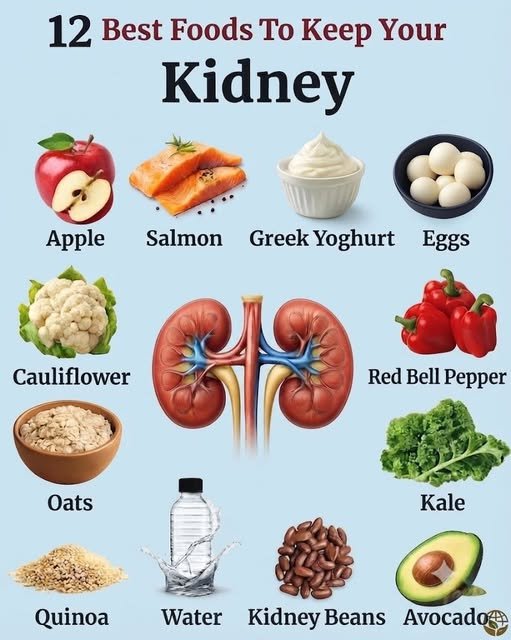
    The graphic lists “12 Best Foods To Keep Your Kidney” healthy, featuring apples, salmon, Greek yogurt, eggs, cauliflower, red bell peppers, oats, kale, quinoa, water, kidney beans, and avocado.

    While several of these items are excellent for general wellness or early-stage kidney health, some can actually be dangerous for individuals with Chronic Kidney Disease (CKD) or impaired kidney function. Renal nutrition is highly individualized and depends heavily on a person’s specific stage of kidney disease.

    The Good, the Risky, and the Misleading

    1. Truly Kidney-Friendly Choices (Low Potassium & Phosphorus)

    • Cauliflower & Red Bell Peppers: Naturally low in potassium and rich in antioxidants, making them ideal staples for almost all stages of kidney health.
    • Apples: Low in potassium, sodium, and phosphorus, offering safe dietary fiber and anti-inflammatory properties.
    • Egg Whites: While whole eggs contain phosphorus in the yolk, egg whites provide high-quality protein with low phosphorus levels, which is often recommended for renal diets.

    2. High-Risk Foods for Advanced CKD (Potassium & Phosphorus Warnings)

    • Avocado & Kidney Beans: These are extremely high in potassium. When kidneys fail to filter excess potassium, it builds up in the blood (hyperkalemia), which can lead to life-threatening heart arrhythmias.
    • Greek Yogurt & Salmon: High in phosphorus and protein. Impaired kidneys struggle to excrete phosphorus, leading to bone loss and cardiovascular calcification. Protein intake must also be carefully monitored in advanced non-dialysis CKD to avoid taxing the kidneys.
    • Kale, Quinoa, & Oats: Containing moderate-to-high levels of potassium or phosphorus, these require careful portion management for those on restricted renal diets.

    Deconstructing Health Infographic Clickbait

    Simplified “top 10” or “12 best foods” health graphics are widely shared on social media, but they often present oversimplified or misleading information:

    • One-Size-Fits-All Fallacy: They ignore clinical stages. A food that prevents kidney stones in a healthy adult (e.g., high-water or high-fiber foods) can be harmful to a late-stage CKD patient requiring fluid or potassium restrictions.
    • Visual Wordplay (“Doctrine of Signatures”): Including kidney beans purely because they look like physical kidneys is a common visual gimmick, despite their high potassium content making them unsuitable for many kidney patients.
    • Algorithmic Engagement: Generic health lists generate high save-and-share rates from well-meaning scrollers, boosting the page’s visibility while spreading potentially unsafe medical generalizations.
  • Biological Identification: Understanding the Land Planarian

    Biological Identification: Understanding the Land Planarian

    The organism pictured resting on the blue towel is a land planarian (a type of terrestrial flatworm), likely belonging to the genus Geoplana or a related land flatworm species.

    What Is a Land Planarian?

    • Anatomy: These flatworms have smooth, elongated, ribbon-like bodies. The rounded or slightly pointed front end often features tiny, primitive eye-spots (ocelli) that look like tiny dark dots near the head.
    • Habitat: Land planarians thrive in moist, dark environments such as bathroom floors, gardens, under potted plants, or near plumbing. They are drawn to moisture and can easily crawl inside through drains, open windows, or underneath doors during damp weather.
    • Behavior: They are harmless to humans and pets—they do not bite, sting, or act as human parasites. They are carnivores that hunt small invertebrates like soil insects, slugs, and snails.
    • Safe Removal: You can simply pick it up using a paper towel or rag and place it outside in a garden bed or damp soil.

    Deconstructing the “Relationship Secret” Clickbait Formula

    This post follows a well-worn social media engagement pattern designed to generate sensational curiosity:

    1. Suggestive Narrative Setup: Framing the situation as a strange discovery in a partner’s bathroom, combined with phrases like “too embarrassed to ask her” and “sitting here for 30 minutes,” intentionally hints at something intimate or illicit to spark intrigue.
    2. Visual Discomfort: Presenting an unfamiliar, flesh-toned worm triggers a mild visceral reaction and curiosity about what the object actually is.
    3. Engagement Inflation: Scrollers jump into the comment section to offer wild guesses, humorous jokes, or biological corrections, which boosts the post across social media recommendation algorithms.
  • Medical Reality: Causes and Irritants of Stomach Ulcers

    Medical Reality: Causes and Irritants of Stomach Ulcers

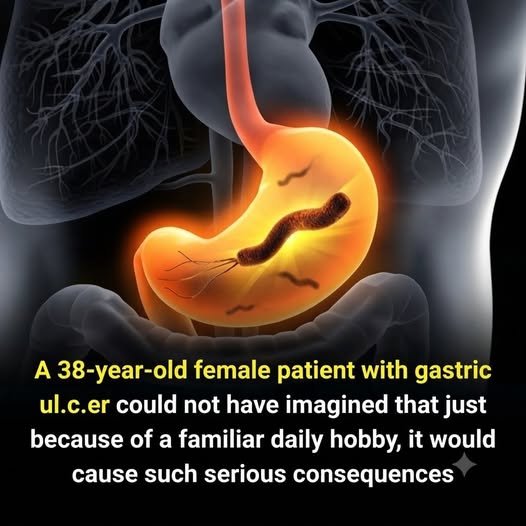
    The graphic shows an anatomical rendering of a glowing stomach depicting Helicobacter pylori bacteria (H. pylori), accompanied by a dramatic headline: “A 38-year-old female patient with gastric ul.c.er could not have imagined that just because of a familiar daily hobby, it would cause such serious consequences”.

    Despite the sensationalized implication that a mundane “hobby” or daily habit directly causes ulcers, medical science establishes that peptic ulcers are primarily caused by specific bacterial infections or medications, though certain lifestyle habits can irritate them.

    What Actually Causes Gastric Ulcers?

    1. Primary Causes:
      • Helicobacter pylori (H. pylori) Infection: The vast majority of stomach ulcers are caused by an infection with H. pylori bacteria, which damages the stomach’s protective mucus lining.
      • Frequent NSAID Use: Regular, long-term use of Nonsteroidal Anti-inflammatory Drugs (NSAIDs) like ibuprofen, naproxen, or aspirin damages the gastric mucosa.
    2. Irritants (Things That Aggravate, but Don’t Directly Cause, Ulcers):
      • Dietary Triggers: Highly acidic foods, spicy dishes, citrus, or heavy caffeine can increase stomach acid production or irritate an existing open sore, but they do not cause ulcers on their own.
      • Alcohol Consumption: Excessive alcohol can erode the stomach’s mucus barrier and stimulate acid secretion.
      • Smoking: Tobacco use increases acid production and slows down the healing process of the stomach lining.
      • Severe Physical Stress: Severe physiological stress (such as major surgery or trauma) can trigger stress ulcers, though routine emotional stress mainly exacerbates symptoms rather than creating the lesion.

    Deconstructing Health Clickbait & Algorithmic Censorship Evasion

    This graphic utilizes specific social media engagement and monetization tactics:

    • Algorithmic Censorship Evasion (“Algospeak”): Writing the word as “ul.c.er” uses punctuation to bypass social platform content filters that restrict, shadowban, or demonetize medical and health-related claim posts.
    • The “Familiar Hobby” Curiosity Hook: Framing the story around a vague “familiar daily hobby” triggers fear and curiosity, driving scrollers to click through pinned link trees or external blogs to discover what the harmless habit is.
    • Fabricated Clinical Narratives: Using specific demographic details (“A 38-year-old female patient…”) creates an illusion of a genuine medical case study, making the sensationalized warning feel credible.