Blog

  • Understanding Local Geography Decals: The Reality Behind Coastal Silhouettes and Viral Identity Questions

    Understanding Local Geography Decals: The Reality Behind Coastal Silhouettes and Viral Identity Questions

    Digital media platforms frequently feature photographs of car bumper stickers—such as an abstract, narrow white silhouette decal—paired with personal curiosity questions like “My grandpa saw this sticker and took a pic. What is it??”. These viral posts leverage ambiguous visual shapes, geographic pride decals, and crowd-sourced curiosity hooks to generate online commentary, provoke local geographic debates, and drive user engagement across social media feeds.

    From a visual forensics and local geography perspective, the sticker depicts the geographic silhouette of Barrenjoey Headland and Palm Beach, located at the northernmost tip of the Northern Beaches region in Sydney, New South Wales, Australia. The prominent hammerhead-shaped top represents the Barrenjoey Peninsula and headland (home to the landmark Barrenjoey Lighthouse), while the narrow connecting strip outlines the sand isthmus of Palm Beach and the surrounding coastline. Similar to local outline stickers of regions like Cape Cod or Lake Tahoe, these decals are popular among locals and surfers to show regional pride or indicate connection to Sydney’s affluent Northern Beaches area.

    Recognizing regional silhouettes and local car decals relies on cross-referencing coastal mapping with geographic visual features rather than speculative guessing. Outlines of unique peninsulas, lakes, and islands are frequently stylized into vinyl decals for vehicle customization. Understanding how viral posts frame everyday local emblems as mystery puzzles helps online audiences evaluate internet claims with critical discernment. For verified geographic details or local history regarding coastal landmarks, consulting official government cartographic maps, local council tourism boards, or Australian national park services provides authoritative information.


  • Understanding Oral Pathology and Clinical Stomatology: The Reality Behind Oral Lesions, Cysts, and Viral Health Clickbait

    Understanding Oral Pathology and Clinical Stomatology: The Reality Behind Oral Lesions, Cysts, and Viral Health Clickbait

    Digital media platforms frequently feature composite clinical photographs showing various oral mucosal conditions—such as a ranula under the tongue, an aphthous ulcer on the inner lip, and a gingival cyst on the upper gums—paired with incomplete, alarmist headlines like “These are the first symptoms of a…”. These viral posts rely on censorial truncation, visceral discomfort triggers, and open-ended medical warnings to provoke health anxiety, encourage panic in comment sections, and drive rapid social media sharing and ad-monetized click-through rates rather than providing accurate oral pathology education.

    From an oral pathology and clinical stomatology perspective, the image composite compiles entirely distinct, non-fatal oral conditions that have separate etiologies. The top panel shows a ranula (a benign mucus extravasation cyst caused by a blocked sublingual salivary gland duct). The bottom-left panel illustrates a routine aphthous ulcer (canker sore), an acute localized inflammatory lesion. The bottom-right panel displays a gingival cyst or localized dental abscess. While content-farming networks systematically group these diverse oral conditions together under sinister cliffhanger headlines to imply early stages of systemic illness or oral cancer, most benign oral mucosal lesions resolve spontaneously or through straightforward, localized dental procedures.

    Managing oral health and evaluating mucosal changes effectively relies on professional clinical examination rather than succumbing to fear-based online claims. Maintaining thorough oral hygiene, avoiding physical trauma to delicate oral tissues, and monitoring persistent swelling or non-healing sores (lasting longer than two weeks) ensure timely, appropriate medical care. Understanding how clickbait algorithms weaponize common dental and mucosal conditions helps consumers navigate health information online with critical discernment. For verified diagnostic evaluation, biopsy, or targeted clinical management regarding lesions inside the mouth, consulting a licensed dentist, oral surgeon, or periodontist provides authoritative, scientifically grounded care.

  • Understanding Digital Forensics and Synthetic Media: The Reality Behind Exploitative Mourning Hoaxes, Fabricated Tragedies, and Viral Clickbait

    Understanding Digital Forensics and Synthetic Media: The Reality Behind Exploitative Mourning Hoaxes, Fabricated Tragedies, and Viral Clickbait

    Digital media platforms frequently feature composite visual posts—such as a selfie of a young girl overlaid with a black mourning ribbon alongside an image of a distressed police officer—paired with sensationalized, incomplete headlines like “RIP: 12-year-old d.i.e.s inside the house after stepping on f…”. These viral posts rely on intentional character punctuation (such as “d.i.e.s”), emotional tragedy hooks, and censorial truncation to bypass automated content moderation filters, provoke overwhelming grief and shock, and drive rapid social media sharing and ad-monetized click-through rates rather than delivering verified news reporting.

    From a digital forensics and media analysis perspective, these posts represent a widely deployed content-farming tactic designed to exploit human empathy for algorithmic engagement. Content networks systematically source disparate stock photos or stolen social media imagery—such as unrelated photos of young individuals paired with generic, out-of-context law enforcement photography—and construct fabricated death narratives. The incomplete headline serves as a psychological curiosity hook, baiting users into clicking external links or opening comment sections where automated ad networks generate revenue based on page impressions.

    Evaluating viral mourning posts and sudden tragedy claims effectively requires cross-referencing stories against accredited news organizations, official police press releases, and established local media outlets before accepting them as factual. Recognizing how content farms manufacture synthetic grief and exploit social media distribution channels helps online audiences maintain critical media literacy. For authentic breaking news, verified public safety alerts, or genuine community updates, consulting established journalistic institutions and official public emergency services provides dependable, verified information.

  • Understanding Digital Forensics and Synthetic Media: The Reality Behind Sensationalized True Crime Hoaxes, AI-Generated Mugshots, and Viral Clickbait

    Understanding Digital Forensics and Synthetic Media: The Reality Behind Sensationalized True Crime Hoaxes, AI-Generated Mugshots, and Viral Clickbait

    Digital media platforms frequently feature composite photo grids displaying mugshot-style portraits of individuals alongside a senior woman—paired with incomplete, sensationalized headlines like “Elderly woman d.i.e.s in motel after denying c…”. These viral posts rely on strategic character punctuation, simulated true-crime reporting, and tragedy-driven hooks to bypass social media moderation algorithms, provoke immediate emotional shock, and drive rapid social media sharing and ad-monetized click-through rates rather than providing verified journalistic or investigative reporting.

    From a digital forensics and media analysis perspective, the images presented are synthetic composites created using generative artificial intelligence tools. Generative AI models routinely exhibit distinct rendering anomalies in multi-panel human portraits, including unnatural skin smoothing, inconsistent lighting angles across different subjects, asymmetrical facial features, and digital artifacts typical of neural network generation. Content-farming networks systematically manufacture fictitious true-crime scenarios, tragic motel mysteries, or scandalous police blotter narratives and attach them to synthetic imagery to exploit human curiosity, bypass automated content filters, and inflate digital ad revenue.

    Evaluating crime news and social media investigative stories effectively requires cross-referencing claims against accredited law enforcement press releases, verified court records, and reputable news wire services rather than accepting unverified social media posts at face value. Understanding how content-farming algorithms weaponize synthetic visuals and fabricated tragedies helps consumers navigate digital feeds with critical media literacy. For factual reports on legal proceedings, police investigations, or public safety updates, consulting established journalistic institutions and official law enforcement portals provides dependable, verified information.

  • Understanding Clinical Endocrinology and Dermatological Health: The Reality Behind Female Facial Hair Growth, Hirsutism, and Viral Health Clickbait

    Understanding Clinical Endocrinology and Dermatological Health: The Reality Behind Female Facial Hair Growth, Hirsutism, and Viral Health Clickbait

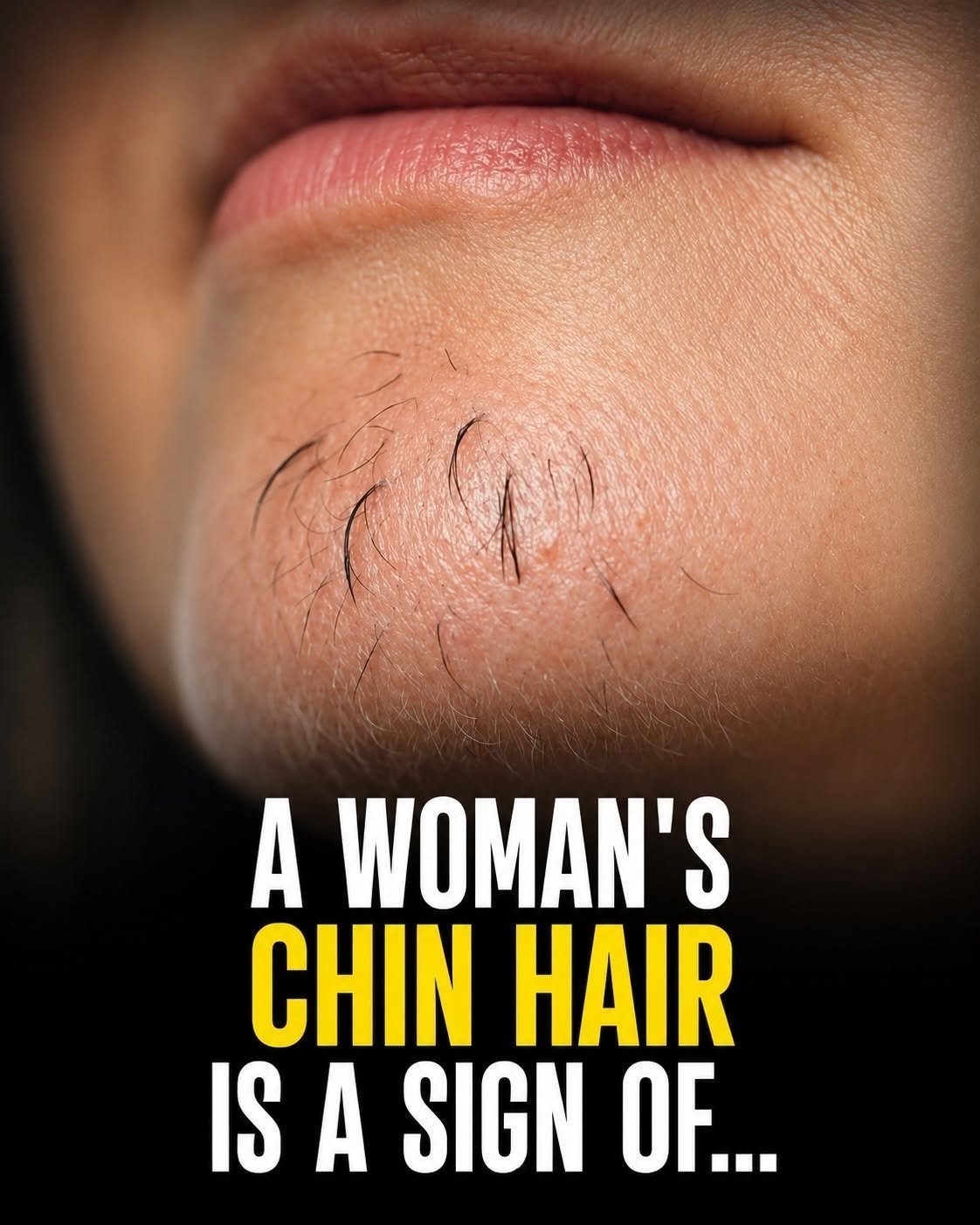
    Digital media platforms frequently feature macro photography of facial skin—such as coarse terminal hairs on a woman’s chin—paired with incomplete, sensationalized headlines like “A woman’s chin hair is a sign of…”. These viral posts rely on cliffhanger captions, social stigma, and exaggerated medical warnings to provoke body insecurity, incite comment section speculation, and drive rapid social media sharing and ad-monetized click-through rates rather than providing accurate endocrine or dermatological education.

    From an endocrinology and clinical dermatology perspective, the growth of coarse terminal hair on a woman’s chin or jawline is a common physiological presentation known as hirsutism. Hirsutism is typically driven by an excess of circulating androgens (male hormones such as testosterone) or heightened sensitivity of hair follicles to normal androgen levels. While mild facial hair growth is frequently benign, genetic, or related to normal ethnic variations and natural hormonal shifts during perimenopause and menopause, pronounced or sudden-onset hirsutism can occasionally be associated with underlying endocrine conditions such as Polycystic Ovary Syndrome (PCOS), adrenal hyperplasia, or insulin resistance. Content-farming networks systematically exploit natural body variations and common hormonal conditions, framing them with alarming cliffhanger headlines purely to manipulate engagement algorithms and inflate digital ad revenue.

    Managing unwanted facial hair and understanding underlying hormonal health relies on evidence-based medical diagnostics and individual care rather than succumbing to sensationalized internet panic. Clinical evaluation often includes hormone panels, pelvic ultrasound, and metabolic screening to identify or rule out contributing endocrine disorders, while physical management ranges from topical treatments and laser hair removal to targeted hormonal regulation. Understanding how clickbait algorithms weaponize normal human anatomy helps consumers navigate health information with critical media literacy. For verified evaluation, hormone testing, and personalized management regarding hair growth changes, consulting a board-certified dermatologist, endocrinologist, or gynecologist provides authoritative, scientifically grounded care.

  • Understanding Spinal Ergonomics and Sleep Physiology: The Reality Behind Sleep Posture, Cardiovascular Claims, and Viral Health Clickbait

    Understanding Spinal Ergonomics and Sleep Physiology: The Reality Behind Sleep Posture, Cardiovascular Claims, and Viral Health Clickbait

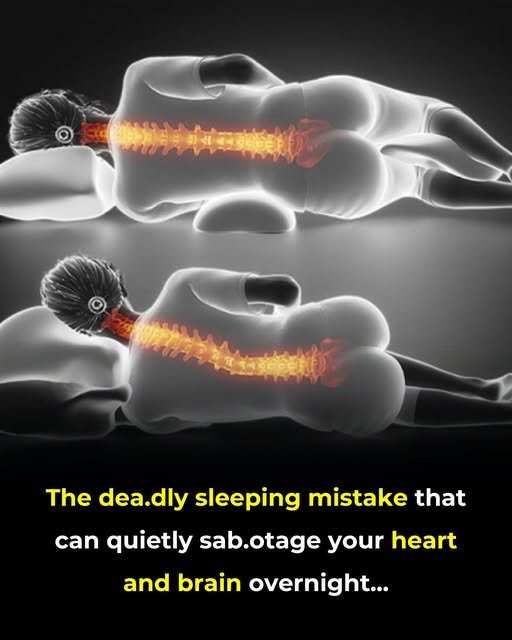
    Digital media platforms frequently feature anatomical 3D renderings comparing sleeping postures—such as a side-sleeper with proper neutral spine support versus one with improper cervical curvature—paired with sensationalized headlines claiming a “deadly sleeping mistake” that sabotages the heart and brain overnight. These viral posts rely on strategic character punctuation (such as “dea.dly” or “sab.otage”), exaggerated cardiovascular threats, and curiosity-driven hooks to bypass social media moderation algorithms, provoke intense health anxiety, and drive rapid sharing and ad-monetized click-through rates rather than providing evidence-based biomechanical or medical education.

    From a somnology and biomechanical perspective, poor spinal alignment during sleep primary causes localized musculoskeletal strain, neck stiffness, and lower back discomfort rather than sudden cardiac sabotage or cerebral ischemia. While chronic severe sleep apnea (a separate respiratory condition involving upper airway collapse during sleep) is clinically linked to hypertension and cardiovascular stress, routine postural misalignment of the spine on a soft or firm mattress does not restrict systemic arterial blood flow to the heart or brain. Content-farming networks systematically take standard ergonomic diagrams regarding proper pillow elevation, exaggerate minor spinal curvature into life-threatening vascular catastrophes, and insert censorial text alterations to manipulate platform distribution algorithms and maximize digital ad revenue.

    Optimizing sleep posture effectively relies on straightforward ergonomic principles and supportive bedding rather than succumbing to fear-based health warnings. Maintaining a neutral spine—where the neck, mid-back, and hips remain relatively aligned using contoured pillows or a pillow placed between the knees for side-sleepers—reduces mechanical joint stress and enhances daytime physical comfort. Understanding how clickbait algorithms distort basic physical ergonomics helps consumers evaluate online health claims with critical media literacy. For verified guidance regarding chronic neck or back pain, postural corrections, or evaluated sleep quality, consulting physical therapists, orthopedists, or board-certified sleep medicine physicians provides authoritative, scientifically grounded care.

  • Understanding Biblical Exegesis and Synthetic Imagery: The Reality Behind Theological Claims, Fear-Based Clickbait, and Digital Hoaxes

    Understanding Biblical Exegesis and Synthetic Imagery: The Reality Behind Theological Claims, Fear-Based Clickbait, and Digital Hoaxes

    Digital media platforms frequently feature dramatic visual composite graphics—such as an glowing, AI-generated soul hovering above a wooden casket positioned before a roaring crematorium furnace—paired with sensationalized, dogmatic headlines claiming “THE SIN OF CREMATION according to the Bible says that…”. These viral posts rely on spiritual fear-mongering, censorial truncation, and apocalyptic visual imagery to provoke religious guilt, incite intense theological debate in comment sections, and drive rapid social media sharing and ad-monetized click-through rates rather than providing accurate biblical scholarship or historical theology.

    From a biblical exegesis and digital media analysis perspective, the claim that cremation is explicitly condemned as a “sin” in Judeo-Christian scripture is a theological misrepresentation designed to generate viral outrage. The Bible does not explicitly command or forbid cremation anywhere in the Old or New Testaments. While ancient Near Eastern and early Christian traditions historically favored earth burial to symbolize bodily resurrection, biblical narratives describe burning as a practice in various contexts (such as the honorable cremation of King Saul and his sons in 1 Samuel 31) without issuing a moral prohibition against the practice. Furthermore, the accompanying digital visual is a synthetic graphic produced using 3D rendering software or generative artificial intelligence, complete with hyper-smooth lighting effects and unrealistic atmospheric rendering. Content-farming networks systematically pair artificially rendered supernatural imagery with provocative religious decrees to manipulate engagement algorithms and inflate digital ad revenue.

    Evaluating religious claims and online viral media effectively requires consulting primary scriptural texts, accredited historical commentary, and established theological authorities rather than accepting dramatic social media memes at face value. Understanding how content farms weaponize religious anxiety and synthetic visuals helps readers approach online content with critical discernment. For verified theological guidance, historical scriptural analysis, or pastoral care regarding end-of-life practices, consulting ordained clergy, academic theologians, or recognized religious research institutions provides authoritative, well-reasoned perspectives.

  • Understanding Synthetic Media and Emotional Clickbait: The Reality Behind AI-Generated Tragedy Narratives and Viral Hoaxes

    Understanding Synthetic Media and Emotional Clickbait: The Reality Behind AI-Generated Tragedy Narratives and Viral Hoaxes

    Digital media platforms frequently feature family portraiture in hospital settings—such as a young couple holding three newborn infants—paired with incomplete, tragic headlines claiming a mother died suddenly the day after giving birth to triplets. These viral posts rely on artificial intelligence image generation, censorial truncation, and profound emotional manipulation to provoke overwhelming shock, maximize social media sharing, and drive ad-monetized click-through rates rather than reporting authentic human-interest news or medical developments.

    From a digital forensics and media analysis perspective, the image presented is a synthetic composite created using generative artificial intelligence tools. Generative AI models routinely produce specific rendering anomalies in complex group portraits, including distorted fingers, asymmetrical facial features, unrealistic fabric textures on swaddling blankets, and visual inconsistencies between the infants. Content-farming networks systematically generate artificial family tragedy narratives and attach them to synthetic imagery to exploit human empathy, evade automated moderation filters, and artificially boost engagement metrics for monetization purposes.

    Evaluating social media tragedy claims effectively requires cross-referencing sensational stories against verified news agencies, official medical press releases, and established local reporting rather than accepting AI-generated media at face value. Understanding how content farms deploy emotional storytelling and synthetic visuals helps foster critical digital media literacy. For authentic human stories, verified community support initiatives, or genuine medical news, consulting accredited journalistic outlets and established nonprofit organizations provides dependable, factual information.

  • Understanding Parasitic Pathology and Clinical Parasitology: The Reality Behind Enterobiasis, Microscopic Diagnosis, and Viral Health Clickbait

    Understanding Parasitic Pathology and Clinical Parasitology: The Reality Behind Enterobiasis, Microscopic Diagnosis, and Viral Health Clickbait

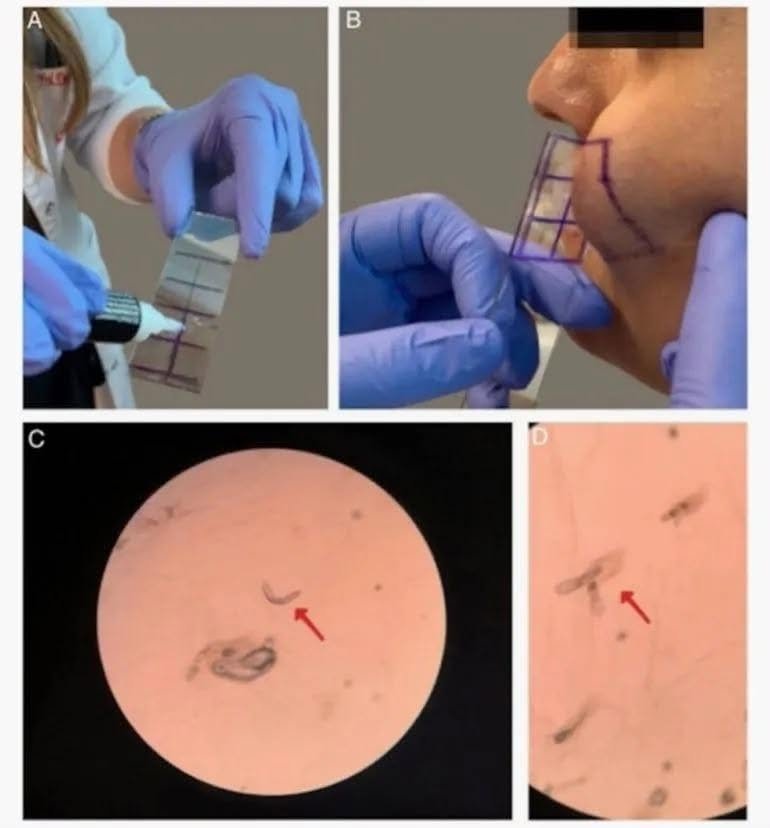
    Digital media platforms frequently feature clinical diagnostic panels—such as a healthcare provider applying transparent adhesive tape to a patient’s perianal region alongside microscopic slides displaying ova—paired with incomplete, sensationalized headlines like “These are the consequences of sleeping with a…”. These viral posts rely on censorial truncation, visceral disgust triggers, and open-ended health warnings to provoke immediate panic, incite speculative comment section debates, and maximize social media sharing and ad-monetized click-through rates rather than providing accurate medical or parasitological education.

    From a clinical parasitology and infectious disease perspective, the multi-panel image depicts the standard medical procedure known as the “Graham tape test” (or cellulose tape test), used definitively to diagnose Enterobius vermicularis (pinworm) infections. Pinworms are small, parasitic nematodes that inhabit the human gastrointestinal tract; at night, female worms migrate to the perianal area to deposit microscopic, asymmetrical, crescent-shaped eggs (highlighted under microscopy in panels C and D). While pinworm transmission occurs through the ingestion or inhalation of microscopic eggs via contaminated bedding, clothing, or unwashed hands—causing localized perianal pruritus (itching) and sleep disruption—it is a benign, highly treatable condition that does not cause permanent injury or systemic necrosis. Content-farming networks systematically harvest genuine clinical diagnostic figures from medical literature, strip them of context, and attach ominous cliffhanger headlines purely to exploit public health anxiety and inflate digital ad revenue.

    Managing household hygiene and treating parasitic infections relies on evidence-based medical diagnostics and standard pharmacological care rather than succumbing to viral internet panic. Pinworm infestations are easily eradicated with over-the-counter or prescription anthelmintic medications (such as pyrantel pamoate, mebendazole, or albendazole), combined with laundering bed linens in hot water and practicing thorough handwashing hygiene. Understanding how content farms weaponize routine clinical procedures helps consumers evaluate online health content with critical media literacy. For verified evaluation, parasite testing, or targeted medical treatment regarding household infections, consulting a board-certified primary care physician, pediatrician, or infectious disease specialist provides authoritative, scientifically grounded care.