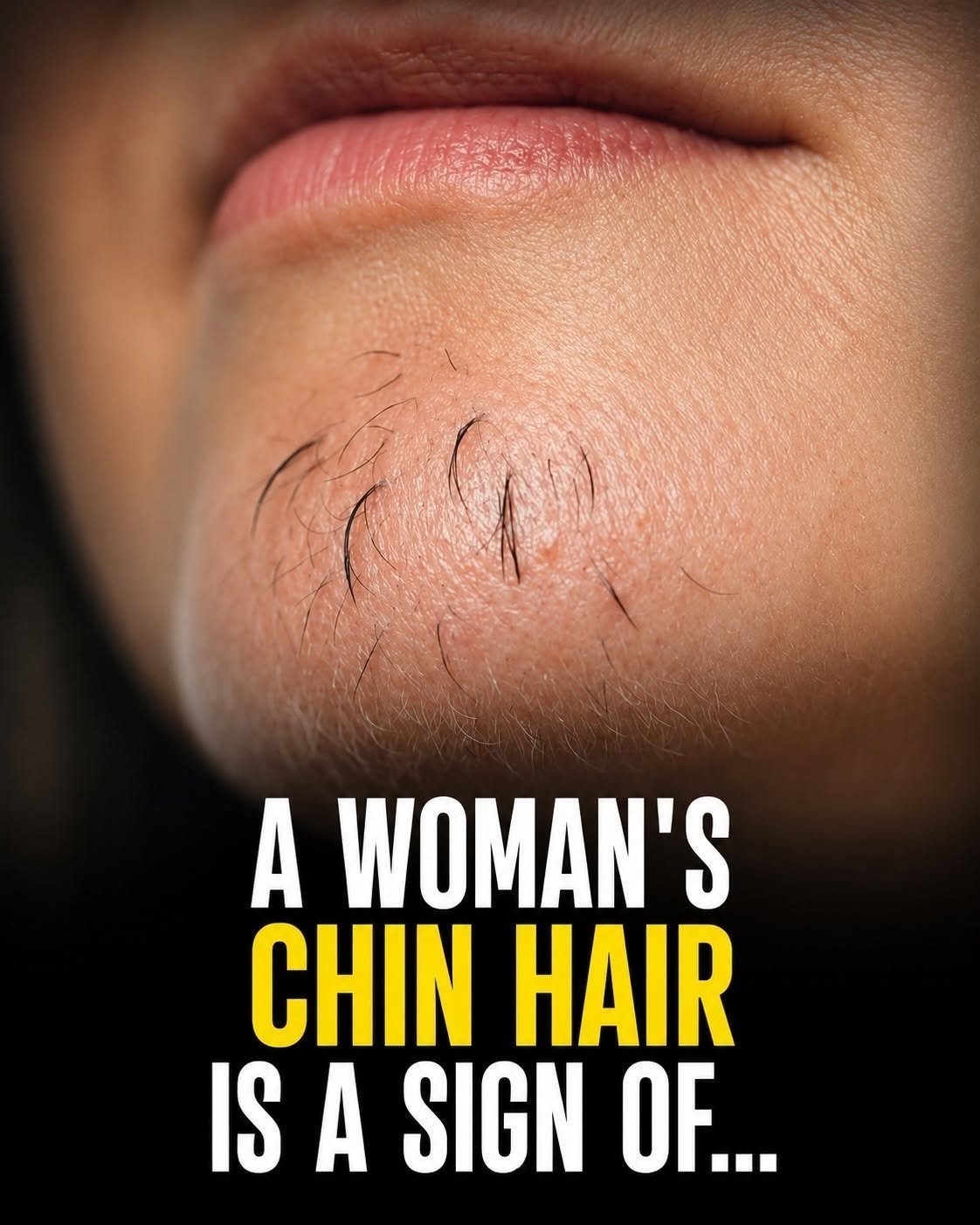
Digital media platforms frequently feature macro photography of facial skin—such as coarse terminal hairs on a woman’s chin—paired with incomplete, sensationalized headlines like “A woman’s chin hair is a sign of…”. These viral posts rely on cliffhanger captions, social stigma, and exaggerated medical warnings to provoke body insecurity, incite comment section speculation, and drive rapid social media sharing and ad-monetized click-through rates rather than providing accurate endocrine or dermatological education.
From an endocrinology and clinical dermatology perspective, the growth of coarse terminal hair on a woman’s chin or jawline is a common physiological presentation known as hirsutism. Hirsutism is typically driven by an excess of circulating androgens (male hormones such as testosterone) or heightened sensitivity of hair follicles to normal androgen levels. While mild facial hair growth is frequently benign, genetic, or related to normal ethnic variations and natural hormonal shifts during perimenopause and menopause, pronounced or sudden-onset hirsutism can occasionally be associated with underlying endocrine conditions such as Polycystic Ovary Syndrome (PCOS), adrenal hyperplasia, or insulin resistance. Content-farming networks systematically exploit natural body variations and common hormonal conditions, framing them with alarming cliffhanger headlines purely to manipulate engagement algorithms and inflate digital ad revenue.
Managing unwanted facial hair and understanding underlying hormonal health relies on evidence-based medical diagnostics and individual care rather than succumbing to sensationalized internet panic. Clinical evaluation often includes hormone panels, pelvic ultrasound, and metabolic screening to identify or rule out contributing endocrine disorders, while physical management ranges from topical treatments and laser hair removal to targeted hormonal regulation. Understanding how clickbait algorithms weaponize normal human anatomy helps consumers navigate health information with critical media literacy. For verified evaluation, hormone testing, and personalized management regarding hair growth changes, consulting a board-certified dermatologist, endocrinologist, or gynecologist provides authoritative, scientifically grounded care.
Leave a Reply