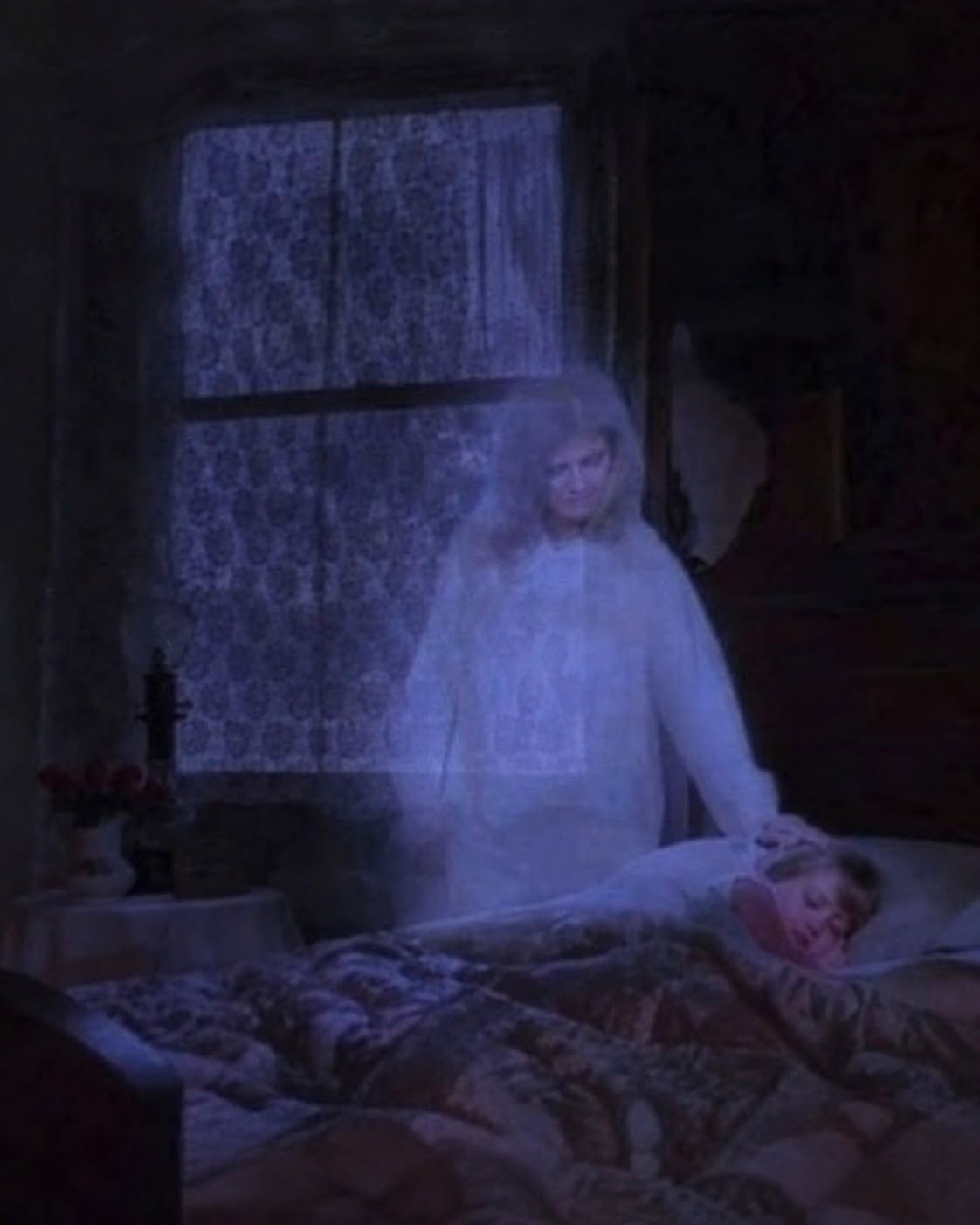
Digital media platforms frequently feature atmospheric, cinematic imagery—such as a ghostly, translucent figure standing over a sleeping person in a dark bedroom—paired with open-ended, existential questions like “What does it mean when a person who has passed away appears in your dream. It should make you think…”. These viral posts rely on emotional vulnerability, supernatural mystery hooks, and philosophical intrigue to provoke deep introspection, incite heavy comment section storytelling, and drive rapid social media sharing and ad-monetized click-through rates rather than offering grounded psychological or neuroscientific education.
From a somnology, psychology, and neuroscience perspective, dreaming of someone who has passed away is a completely normal part of human grief processing, memory consolidation, and emotional regulation. During REM (Rapid Eye Movement) sleep, the brain processes complex emotional residue, active memories, and unresolved feelings, frequently integrating significant figures from our past into dream narratives. Rather than serving as an external supernatural omen, these dreams reflect the brain’s internal mechanisms for working through loss, coping with separation, and metabolizing personal grief. Content-farming networks systematically weaponize universal human experiences of bereavement and nocturnal phenomena, casting them in spooky or mystical framing to manipulate engagement algorithms and maximize digital ad revenue.
Navigating grief, dreams, and psychological well-being effectively relies on established mental health frameworks and bereavement support rather than succumbing to sensationalized digital folklore. Healthy processing of loss involves acknowledging deep emotions, seeking supportive counseling when needed, and understanding that dreaming of lost loved ones is a natural manifestation of memory and affection. Recognizing how clickbait algorithms exploit personal grief and nighttime anxieties helps online audiences approach digital content with critical discernment. For verified support regarding grief, mental health, or sleep disturbances, consulting licensed psychologists, grief counselors, or sleep specialists provides authoritative, compassionate care.
Leave a Reply