Blog

  • Deciphering Optical Illusions: The Story Behind Figure-Ground Art

    Deciphering Optical Illusions: The Story Behind Figure-Ground Art

    This sticker features a famous psychological optical illusion based on “Rubin’s Vase,” a concept created by Danish psychologist Edgar Rubin in 1915. The design plays with visual perception by tricking the brain into seeing two distinct images in one shape. Depending on whether you focus on the white graphic or the dark background, your brain interprets the visual information in entirely different ways.

    When looking at the white silhouette, it appears to represent an abstract candlestick, lamp, or vase. However, if you shift your focus to the negative space created by the red surface of the car around the graphic, you can clearly see the profile outlines of two human faces looking directly at each other. This phenomenon demonstrates figure-ground organization, which is how the human visual system distinguishes an object from its surrounding background.

    Decals like this are popular on vehicles because they serve as clever conversation starters and showcase a love for art, psychology, or visual puzzles. The brain cannot focus on both the vase/candlestick and the two face profiles at the exact same moment, causing a continuous mental shift back and forth as you view it. It remains one of the most recognizable examples of Gestalt psychology principles in modern pop culture.

  • Strange Discoveries Near the Bed: What Are These White Spheres?

    Strange Discoveries Near the Bed: What Are These White Spheres?

    Discovering a cluster of small, white, spherical objects tucked into the narrow gap between a bed frame and a wall can certainly be unsettling after a long day. In household environments, clusters of uniform white or off-white eggs are typically laid by reptiles or insects seeking a dark, undisturbed, and sheltered space. Common house geckos, lizards, or snakes frequently lay small, leathery white eggs in quiet crevices behind furniture or along baseboards. Alternatively, certain insects or spiders can produce tightly packed egg sacs or egg masses in similar concealed locations.

    Non-biological causes should also be considered when assessing unexplained objects in the bedroom. Expanding foam insulation, spilled beanbag filling (polystyrene beads), desiccant packets, or mothballs can accumulate in tight corners and closely resemble organic clusters. Furthermore, if the objects feel hard, rubbery, or uniform, they may simply be fallen craft supplies, decorative beads, or household items that rolled into the gap behind the bed unnoticed.

    To address the situation safely, avoid touching the objects with bare hands. Put on protective gloves and use a long tool or flashlight to inspect the cluster closely from a safe distance. If they appear to be reptile or insect eggs, carefully scoop them into a sealed container using a dustpan and dispose of them outside away from the home. Cleaning the surrounding area with household disinfectant and sealing entry gaps around baseboards will help prevent pests or small animals from nesting in bedroom crevices in the future.

  • The Effects of Sleeping on Your Right Side vs. Left Side

    The Effects of Sleeping on Your Right Side vs. Left Side

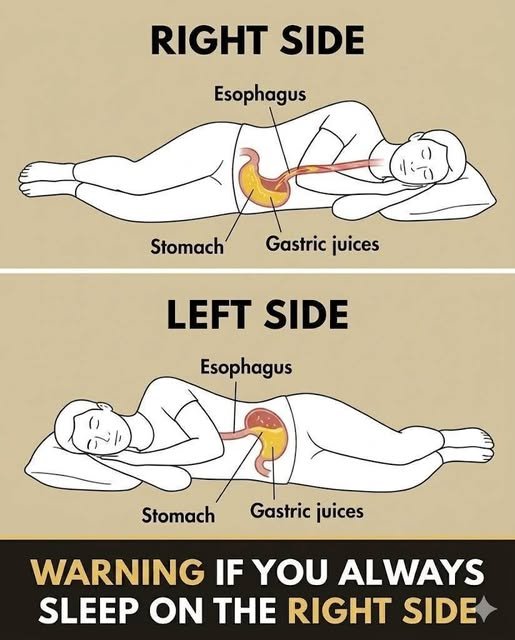
    How you position your body during sleep can have a surprising impact on your digestive comfort, particularly if you frequently experience acid reflux or heartburn. Human anatomy plays a significant role in this physiological process due to the natural asymmetrical shape and placement of the stomach below the esophagus. When you sleep on your right side, the junction between your stomach and esophagus is positioned below the level of gastric acid, allowing stomach juices to leak back into the food pipe more easily.

    JPG+ 2

    In contrast, sleeping on your left side positions the stomach below the gastroesophageal junction, using gravity to keep stomach acid contained where it belongs. For individuals prone to Gastroesophageal Reflux Disease (GERD) or nighttime indigestion, resting on the left side can reduce instances of painful heartburn, regurgitation, and sleep disruptions. Additionally, left-side sleeping is often recommended during pregnancy because it improves blood flow to the heart, fetus, and kidneys while relieving pressure on the liver.

    JPG+ 2

    While sleeping position influences digestive symptoms, it is not the sole factor determining overall sleep quality or digestive health. Healthy adults without chronic acid reflux can typically sleep on whichever side feels most comfortable. If you suffer from frequent nighttime heartburn, combining left-side sleeping with dietary changes—such as avoiding heavy late-night meals, elevating the head of your bed, and limiting trigger foods—can significantly improve your sleep hygiene and digestive comfort.

    JPG+ 2

  • The Truth About Visible Veins: What They Really Mean for Your Health

    The Truth About Visible Veins: What They Really Mean for Your Health

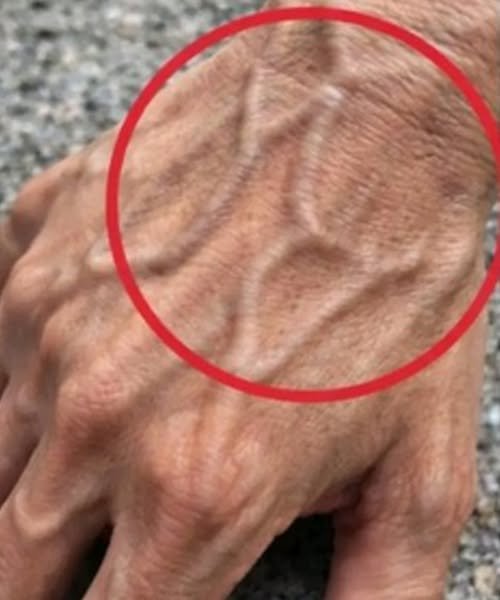
    Social media posts frequently attempt to link prominent, highly visible surface veins to mysterious personality traits, rare medical conditions, or urban myths. In reality, having visible or bulging veins—especially on the hands, arms, and feet—is a completely normal physiological phenomenon shared by millions of people. Vascular visibility is primarily determined by basic anatomy, body composition, age, and genetics rather than underlying health concerns.

    Several physical factors influence how close your veins sit to the surface of your skin. Individuals with lower body fat percentages, fair skin tones, or naturally thinner skin layers tend to have much more pronounced vein structures. Additionally, as a natural part of the aging process, skin gradually loses collagen and elasticity while fat tissue under the skin diminishes, making superficial veins appear significantly more defined over time.

    Everyday habits and physiological triggers can also cause veins to temporarily swell and stand out. Physical exercise and heavy lifting increase blood flow and pump up muscles, pushing veins outward against the skin. Warm weather, hot showers, and elevated body temperatures cause blood vessels to expand (vasodilation), making them temporarily more prominent. Unless accompanied by pain, swelling, warmth, or sudden skin discoloration, prominent veins are simply a sign of normal circulatory function working as intended.

  • Identifying Oxtail and Delicious Ways to Prepare It

    Identifying Oxtail and Delicious Ways to Prepare It

    The cut of meat featured here is oxtail, which consists of cross-sectional slices of cattle tail. Each piece features a central marrow bone surrounded by rich, gelatine-dense connective tissue and marbled muscle meat. Because of its high collagen content, oxtail is tough when cooked quickly, but transforms into an exceptionally tender, flavorful, and succulent delicacy when simmered low and slow in liquid over several hours.

    One of the most popular and flavorful methods for preparing oxtail is a Jamaican-style Jamaican Stewed Oxtail. To prepare this dish, marinate the meat pieces with allspice, thyme, garlic, onions, soy sauce, and Scotch bonnet peppers, then sear them in a heavy Dutch oven until deeply browned. Slowly braise the oxtails in beef broth for two to three hours until the meat is fork-tender and falling off the bone, adding butter beans toward the end of cooking to thicken the rich, savory gravy.

    Another world-renowned recipe is a traditional French-style Red Wine Braised Oxtail or a classic Oxtail Soup. In these preparations, the cut is seared and simmered alongside aromatic root vegetables like carrots, celery, and onions in a rich broth infused with red wine, tomato paste, and fresh herbs. The collagen breaks down during slow cooking, creating a velvety, luxurious sauce or soup base that pairs perfectly with mashed potatoes, crusty bread, or rice.

  • The Real Reasons You Wake Up at 3 or 4 AM

    The Real Reasons You Wake Up at 3 or 4 AM

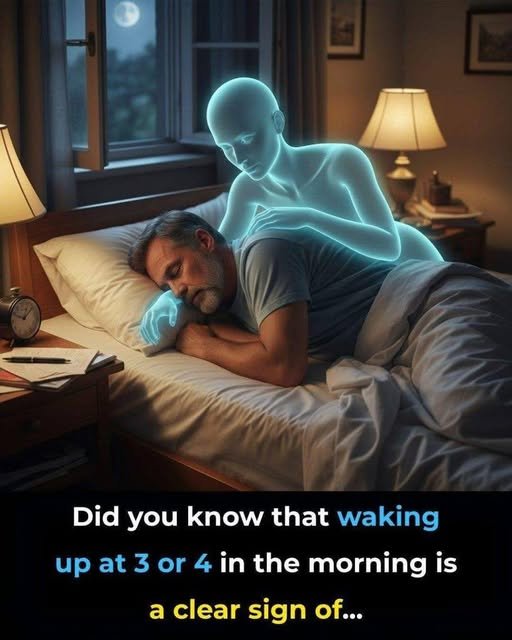
    Waking up abruptly in the middle of the night—specifically around 3:00 or 4:00 AM—is a extremely common phenomenon that social media memes often attribute to spiritual occurrences or supernatural presence. In reality, medical professionals and sleep specialists attribute these predictable early-morning awakenings to human biology, natural sleep architecture, and everyday health factors. Understanding how your body transitions through various sleep cycles can help demystify these sudden disruptions.

    During the night, your body cycles through deep sleep and rapid eye movement (REM) sleep in roughly 90-minute blocks. As the early morning approaches, the proportion of light sleep increases while deep sleep decreases. At this time, naturally declining levels of the sleep-regulating hormone melatonin and rising levels of cortisol—the stress hormone that prepares the body to wake—make your body far more susceptible to environmental disturbances, temperature shifts, or minor physical discomforts.

    Beyond normal sleep cycles, several everyday factors can trigger repeated middle-of-the-night awakenings. High levels of psychological stress or anxiety can activate the body’s fight-or-flight response, causing an adrenaline spike that pulls you out of light REM sleep. Physical factors such as alcohol consumption (which disrupts sleep quality as it metabolizes), blood sugar drops, indigestion, or underlying sleep disorders like sleep apnea can also cause sudden awakenings around the same time each night.

  • The Real Health Impact of Eating Boiled Eggs Every Day

    The Real Health Impact of Eating Boiled Eggs Every Day

    Sensational headlines online often claim that eating boiled eggs causes dramatic health outcomes, but nutritionists and medical experts consistently highlight them as one of the most nutrient-dense whole foods available. Packed with high-quality lean protein, essential vitamins like B12, D, and A, as well as minerals like selenium and choline, boiled eggs offer comprehensive nutritional support. Consuming them regularly helps build and repair muscle tissue, supports cognitive health, and keeps you feeling full longer, which can aid in healthy weight management.

    A common point of debate surrounding eggs is their cholesterol content, as a single large egg yolk contains roughly 1806 milligrams of dietary cholesterol. However, extensive modern dietary research shows that dietary cholesterol found in whole foods does not automatically raise blood cholesterol levels for the majority of healthy individuals. Instead, saturated and trans fats play a far greater role in elevating heart disease risk. For most people, incorporating boiled eggs into a balanced diet maintains or even improves HDL (“good”) cholesterol profiles while providing essential antioxidants like lutein and zeaxanthin, which protect eye health.

    While boiled eggs are an excellent food choice, moderation and proper preparation are key to maximizing their health benefits. Hard-boiling or soft-boiling is one of the healthiest cooking methods because it requires no added oils or fats, unlike frying. Most health organizations state that eating one to two eggs per day fits comfortably into a healthy lifestyle for most healthy adults. Individuals with specific medical conditions, such as diabetes, hypercholesterolemia, or established cardiovascular disease, should consult their physician or a registered dietitian to determine the ideal egg consumption tailored to their personal health needs.

  • The Truth About Drinking Water on an Empty Stomach

    The Truth About Drinking Water on an Empty Stomach

    Sensationalized social media claims often link routine habits, like drinking a glass of water immediately after waking up, to extreme health threats like a heart attack. However, there is no scientific evidence suggesting that drinking water on an empty stomach causes heart attacks, blood clots, or arterial blockages. A heart attack occurs when blood flow to a part of the heart muscle is severely reduced or blocked, usually due to the buildup of cholesterol plaque and blood clot formation in the coronary arteries. Drinking plain water does not trigger or accelerate this physiological process.

    In reality, staying properly hydrated supports cardiovascular health rather than harming it. Hydration helps maintain optimal blood volume, allowing the heart to pump blood more efficiently throughout the body. When a person is chronically dehydrated, blood becomes thicker and harder to circulate, which places additional stress on the cardiovascular system. Starting the day with water simply rehydrates the body after hours of sleep, aids digestion, and promotes healthy metabolic functions.

    While drinking water upon waking is safe and beneficial for the vast majority of people, overall heart health depends on established lifestyle factors and medical care. Main factors that influence heart attack risk include high blood pressure, elevated cholesterol levels, smoking, physical inactivity, diabetes, and genetic predisposition. Focusing on a balanced diet, regular exercise, managing stress, and routine medical checkups remains the most effective strategy for maintaining long-term cardiovascular health.

  • Unlocking Mystery Kitchen Gadgets: What Is This Tool?

    Unlocking Mystery Kitchen Gadgets: What Is This Tool?

    Despite looking like an unusual safety razor or a miniature paint roller, this vintage handheld implement is actually a classic wire cheese slicer. Manufactured under household brand names like Presto, these handheld tools were designed to slice clean, uniform portions from blocks of semi-hard to hard cheese, such as Cheddar, Gouda, or Swiss. The design has remained largely unchanged for decades because of its simple, effective mechanics.

    The tool operates using a clever combination of two main components: a taut metal wire stretched across the top frame and a smooth rolling pin positioned directly beneath it. As you pull the slicer across a block of cheese, the lower roller glides along the top surface of the block, maintaining a steady, consistent angle and pressure. Meanwhile, the thin wire cuts cleanly through the cheese, producing an even slice without crushing or sticking to the block the way a traditional knife blade might.

    While these classic tools are durable and easy to use, they do require occasional maintenance to work properly over time. The cutting wire can stretch or loosen after repeated use, leading to uneven cuts, but many models feature adjustable side screws or replacement wire mechanisms to restore tension. Additionally, because these vintage aluminum or metal tools can tarnish, hand washing with mild soap and avoiding harsh dishwasher cycles helps preserve their finish and functional performance.

  • Mysterious Finds in Hair: What Could It Be?

    Mysterious Finds in Hair: What Could It Be?

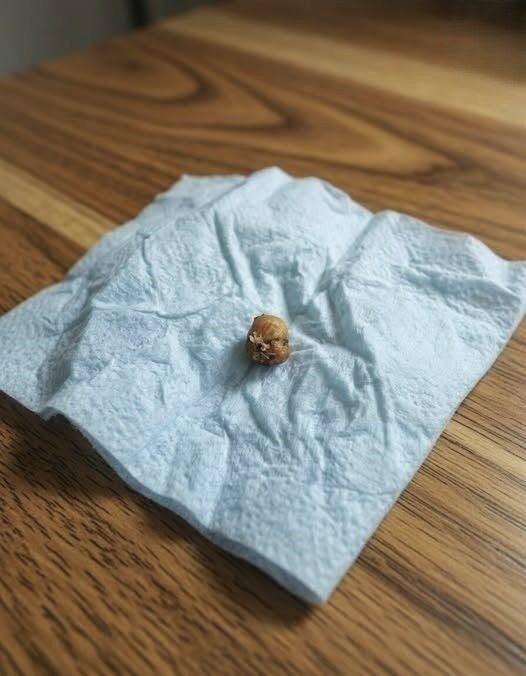
    Discovering a strange, small, brownish object while washing hair can certainly be alarming, but it is often more benign than it looks. The round, tan-to-brown shape—roughly a centimeter in diameter with small white or fibrous projections—most closely resembles a plant seed, dried seed pod, or a small plant burr. These organic materials easily tangle into longer hair while walking under trees, gardening, or spending time outdoors, remaining hidden until the water and friction of shampooing dislodge them.

    Another common possibility for small, firm growths or debris washing out of hair includes scalp-related conditions. Encapsulated sebum buildup, a dried pilar cyst, or a calcified skin lesion can occasionally detach from the scalp during vigorous washing or brushing. Alternatively, foreign objects like dried food particles, small craft supplies, or woven fabric nodes can get caught in hair unnoticed and later drop out in the shower.

    To figure out what the object is, inspect it closely using a magnifying glass or gently press it with tweezers to see if it is hard, squishy, or organic like plant tissue. If the scalp shows no signs of bleeding, tenderness, open sores, or hair loss where the object came from, it was likely just external debris that got trapped in the hair. However, if there is an open wound, irritation, or pain on the scalp, it is best to have a medical professional examine the area.