Blog

  • The Truth About Hand Mudras and Finger Stretches for Health

    The Truth About Hand Mudras and Finger Stretches for Health

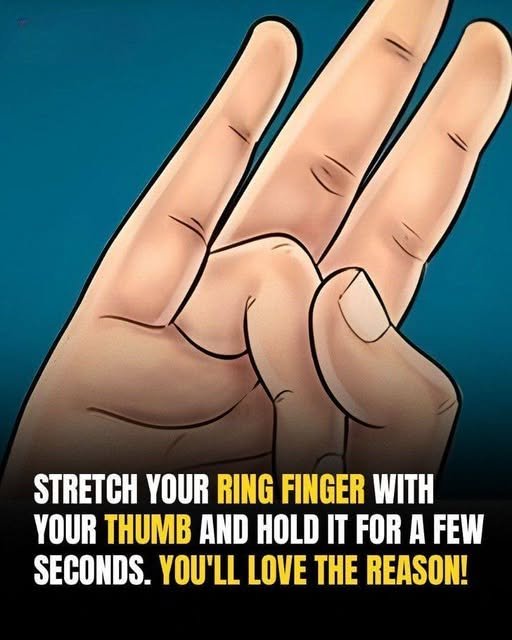
    Social media posts frequently feature hand gestures, promising that holding a specific finger stretch can instantly boost energy, burn fat, or cure internal ailments. This specific gesture—pressing the tip of the ring finger down with the thumb—is known as the Surya Mudra (or Sun Mudra) in traditional Yoga and Ayurvedic practices. Modern online claims often exaggerate its benefits, asserting that holding this position for a few seconds can trigger rapid physiological transformations.

    In traditional holistic practices, hand gestures or mudras are symbolic positions believed to guide energy flow throughout the body. Proponents of Ayurveda associate the ring finger with the earth element and the thumb with the fire element, claiming that pressing them together balances body heat, stimulates digestion, and assists with weight management. While these practices hold cultural and historical significance within complementary wellness frameworks, modern medical science attributes any physical benefit of such gestures primarily to gentle finger stretching and mindfulness.

    From a biomechanical standpoint, gently bending and holding individual fingers can help stretch the flexor tendons and small intrinsic muscles of the hand. For individuals who type or perform repetitive manual tasks, brief hand stretches can improve joint mobility, relieve muscular tension, and encourage localized circulation. However, finger stretches alone cannot replace metabolic health factors like exercise and diet, nor can they cure underlying health conditions. Performing hand mobility exercises mindfully can be a helpful addition to daily relaxation routines, provided expectations remain grounded.

  • Understanding Plantar and Palmar Warts: Causes, Identification, and Care

    Understanding Plantar and Palmar Warts: Causes, Identification, and Care

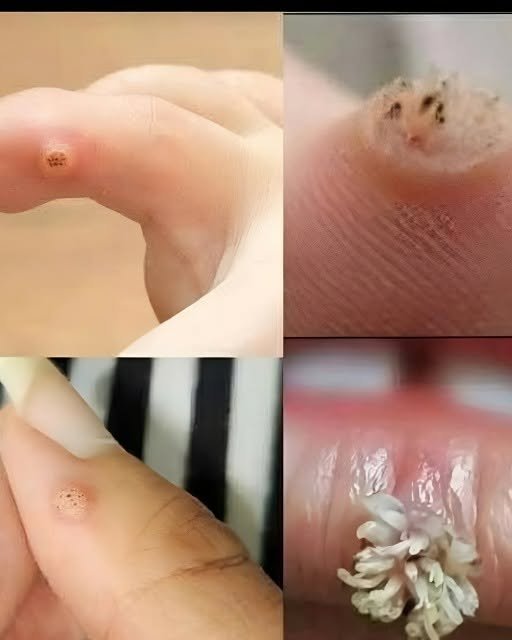
    Sensational social media posts often frame common skin growths using alarming language, warning people that small, rough lesions on the hands or feet are dangerous infections. In reality, these small growths are warts—most notably plantar warts on the feet or palmar warts on the hands—which are caused by a strain of the Human Papillomavirus (HPV). While the term “infected” may sound intimidating, HPV strains that cause common warts are benign, highly prevalent, and typically affect only the outermost layer of the skin without causing systemic illness.

    A key visual feature of these skin growths is the appearance of tiny dark specks near the center of the thickened skin. Often colloquially referred to as “wart seeds,” these spots are actually tiny clotted blood vessels (capillaries) that supply blood to the growing tissue. Warts can present as small, rough lumps or develop finger-like projections—known as filiform warts—which can look unusual or alarming but remain localized skin conditions. Because the virus thrives in warm, moist environments, it easily spreads through tiny cuts or skin abrasions, particularly around swimming pools, public showers, or locker rooms.

    Although warts are generally harmless and can eventually clear up on their own as the immune system recognizes the virus, they can be persistent or uncomfortable, particularly on pressure-bearing areas of the feet or hands. Over-the-counter treatments containing salicylic acid, cryotherapy (freezing), and proper hygiene can help manage and remove them. It is important to avoid picking, scratching, or attempting to cut warts at home, as this can break the skin, spread the virus to other parts of the body, or lead to secondary bacterial infections.

  • The Surprising Reason People Leave Dryer Sheets in Mailboxes

    The Surprising Reason People Leave Dryer Sheets in Mailboxes

    Finding dryer sheets inside a outdoor mailbox can seem like a puzzling habit at first, but it is actually a popular home hack used to deter stinging insects. Mailboxes provide dark, sheltered, and climate-protected spaces that attract wasps, hornets, and yellow jackets looking to build nests. Mail carriers and homeowners often place fresh dryer sheets inside the box because the strong scents and compounds used in fabric softeners act as a natural repellent against these territorial insects.

    Beyond pest prevention, dryer sheets are also commonly used in mailboxes to manage odor and moisture. Enclosed metal or plastic mailboxes can trap dampness during rainy weather, leading to musty smells or mildew affecting incoming letters. A dryer sheet helps mask stale odors and keep the interior smelling fresh. Additionally, the anti-static properties of dryer sheets can help reduce static electricity buildup on paper mail and plastic packaging envelopes during dry winter months.

    If you notice dryer sheets continually being placed in your mailbox, leaving them in place can benefit both you and your local postal carrier. Mail carriers frequently encounter wasp nests inside mailboxes during spring and summer months, making dryer sheets a simple, non-toxic defense against painful stings. Replacing the sheet every few weeks ensures the fragrance remains strong enough to keep stinging insects away without needing harsh chemical sprays.

  • Indian Meal Moths in Stored Grains: Identification, Causes, and Eradication

    Indian Meal Moths in Stored Grains: Identification, Causes, and Eradication

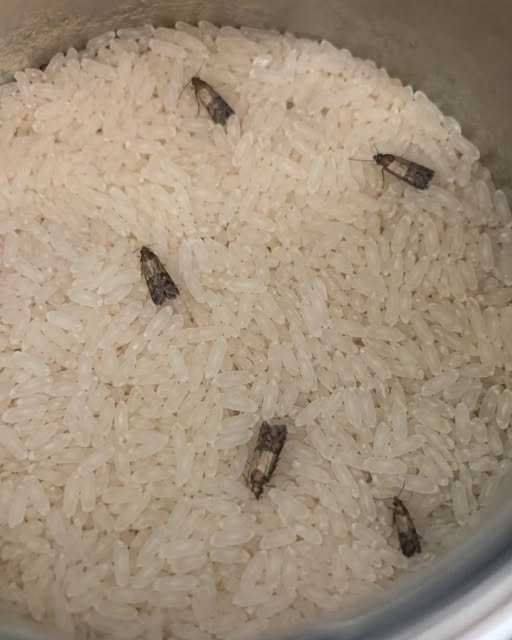
    The insects found in your rice are Indian meal moths (Plodia interpunctella), one of the most common pantry pests worldwide. Easily recognizable by their distinct two-toned wings—which feature a pale greyish inner section and a reddish-brown, coppery outer section—these pests target dry pantry goods like rice, grains, flour, nuts, and dried fruit. Seeing adult moths flying or crawling near your food usually indicates that larvae are actively feeding inside the package, leaving behind silk-like webbing, frass (droppings), and cast-off skins.

    JPG+ 2

    Bugs end up inside sealed, store-bought rice packages because infestation typically occurs long before the product reaches your kitchen. Microscopic moth eggs are often laid on harvested grains in processing plants, packaging facilities, or warehouses. These microscopic eggs or tiny early-stage larvae easily survive the packaging process and remain dormant until environmental conditions—such as warm home temperatures and humidity—cause them to hatch. Alternatively, adult moths can chew through thin cardboard, plastic wrap, or paper bags in your pantry to lay eggs in stored food items.

    JPG+ 3

    To eliminate a pantry moth infestation and prevent future occurrences, immediate and thorough action is required. First, discard all infested food products by placing them in a sealed trash bag and taking it immediately outside. Next, empty your entire pantry and inspect adjacent unopened packages for fine webbing or small larvae; vacuum all shelves, corners, and cracks thoroughly before scrubbing the area with hot soapy water or a vinegar solution. To safeguard future grocery purchases, store all dry grains, flour, and cereals in airtight glass, heavy plastic, or metal containers rather than original paper or plastic packaging.

    JPG+ 3

  • Patrick Mahomes on Leadership, Accountability, and Responding to Defeat

    Patrick Mahomes on Leadership, Accountability, and Responding to Defeat

    Close, low-scoring losses in professional football often serve as crucial testing grounds for elite athletes and team captains. Following tough games decided by a single point—such as a 15–16 outcome—the focus naturally shifts to how franchise leaders address the team, the fanbase, and the media. When Kansas City Chiefs quarterback Patrick Mahomes steps to the podium after a challenging performance, his post-game remarks typically center on personal accountability rather than deflecting blame onto officiating, weather, or teammates.

    A hallmark of Mahomes’ leadership style is his insistence on taking responsibility for missed opportunities on the field. In post-game press conferences following narrow defeats, he frequently highlights key drives, execution errors, and offensive stagnation that could have altered the final score. By taking ownership of the game’s outcome, he sets an example for younger players, reinforcing that success and failure are shared collectively across the entire roster.

    Ultimately, how a championship-caliber team responds to adversity defines its trajectory for the remainder of the season. Mahomes consistently emphasizes that difficult losses provide valuable film study material and a sense of urgency for upcoming practices. Rather than dwelling on a single setback, his focus remains on fixing tactical mistakes, maintaining trust within the locker room, and using the experience to build resilience for future high-stakes matchups.

  • Understanding Patchy Hair Loss and Scalp Inflammation: Causes and Care

    Understanding Patchy Hair Loss and Scalp Inflammation: Causes and Care

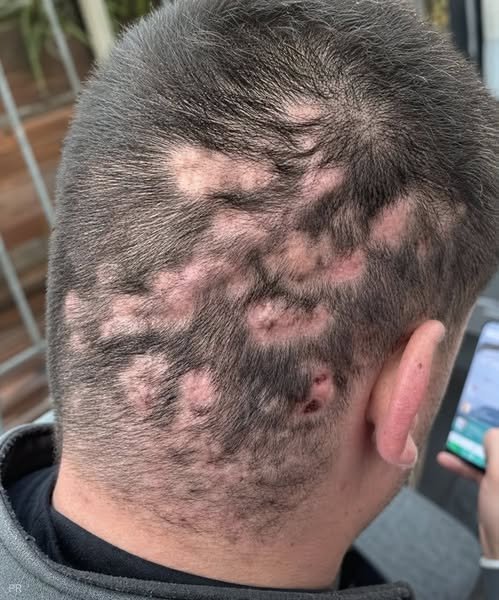
    Sensational online claims often attribute dramatic physical symptoms, such as sudden patchy hair loss or inflamed scalp lesions, to bizarre sleeping habits or urban myths. In reality, widespread, patchy hair loss accompanied by visible skin irritation or sores is a medical condition driven by specific biological factors. Conditions like dissecting cellulitis of the scalp, severe folliculitis, scalp ringworm (tinea capitis), or autoimmune conditions like alopecia areata are primary causes for this type of patchy loss and skin distress.

    When hair loss occurs in irregular patches along with raised, red, or tender bumps on the scalp, an underlying bacterial, fungal, or inflammatory process is usually at play. Bacterial or fungal infections can infect the hair follicles deep within the skin, causing swelling, crusting, and temporary or permanent hair shedding. Alternatively, inflammatory and scarring conditions cause the body’s immune system to mistakenly target hair follicles, leading to inflammation and subsequent patchy bald spots.

    Because scalp conditions can worsen without proper treatment, taking quick medical action is essential for preserving hair health and preventing scarring. Attempting to self-treat with unverified remedies or aggressive scrubbing can further irritate the skin and exacerbate hair loss. Seeking a consultation with a qualified dermatologist allows for accurate diagnosis through visual examination or skin swabs, ensuring targeted treatment such as prescription antibiotics, antifungals, or anti-inflammatory therapies.

  • Uncovering Vintage Discoveries: What Is This Brass Object?

    Uncovering Vintage Discoveries: What Is This Brass Object?

    The small brass item discovered among vintage collectibles is a classic metal smoking pipe, often referred to as a brass hand pipe or pocket pipe. Popularized in the mid-to-late 20th century, these modular pipes were typically crafted from solid brass due to the metal’s durability, heat resistance, and ease of machining. Featuring a small circular bowl attached to a ribbed or knurled stem, they were designed for portability, discreet storage, and personal use.

    A defining characteristic of this style of brass pipe is its modular, screw-together construction. The pipe breaks down into several threaded sections—including the bowl, the central airway shaft, rubber O-rings for airtight seals, and a decorative mouthpiece end. This threaded design allowed users to easily disassemble the device for thorough cleaning, replacing worn seals, or swapping out individual parts to customize the length and airflow.

    Because brass naturally develops a rich patina over time, older pieces often take on a worn, antique look that appeals to collectors of vintage paraphernalia and brass curiosities. While modern materials like glass and silicone have largely superseded metal pipes in recent years, solid brass pipes remain popular collectible keepsakes and novelty items from past decades. Their sturdy metallic construction ensures they can survive stored away in drawers or collections for decades without losing their structural integrity.

  • Recognizing Common Skin Lesions: When to Consult a Medical Professional

    Recognizing Common Skin Lesions: When to Consult a Medical Professional

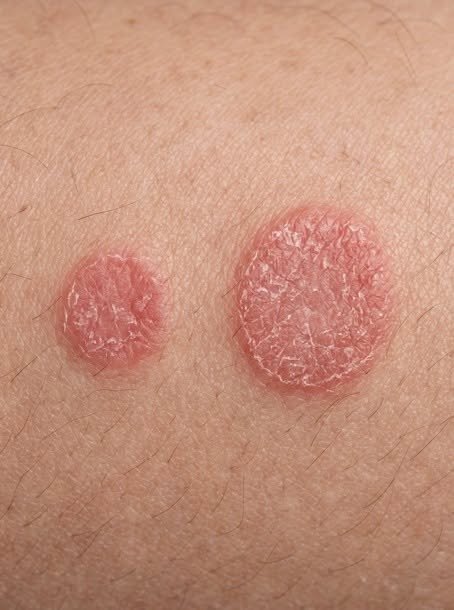
    Noticing new, raised, or scaly circular spots on your skin can raise immediate concerns, but understanding their potential causes can help you take appropriate action. Round, pinkish-red patches with dry or scaly surfaces commonly indicate localized inflammatory skin conditions. Frequently, these lesions are characteristic of nummular eczema, plaque psoriasis, or ringworm (tinea corporis), a superficial fungal infection. While these conditions can look similar at first glance, each stems from distinct underlying causes ranging from immune responses to fungal overgrowth.

    Properly identifying the exact nature of a skin patch is essential because treatment strategies vary significantly depending on the diagnosis. For instance, fungal infections require targeted antifungal creams, whereas eczema or psoriasis typically respond to topical corticosteroids, barrier-repair moisturizers, or anti-inflammatory therapies. Misdiagnosing a fungal infection as eczema and applying steroid creams can actually exacerbate the condition, making a professional evaluation critical before starting self-treatment.

    While many round skin lesions are manageable and non-emergency health concerns, certain symptoms warrant prompt medical care. You should schedule an evaluation with a doctor or dermatologist if the spots spread rapidly, begin oozing or crusting, cause severe itchiness or pain, or fail to improve with over-the-counter care. Seeking medical guidance ensures an accurate diagnosis, prevents unnecessary complications, and restores healthy skin efficiently.

  • Understanding Swollen Legs and Ankles: Causes and Health Indicators

    Understanding Swollen Legs and Ankles: Causes and Health Indicators

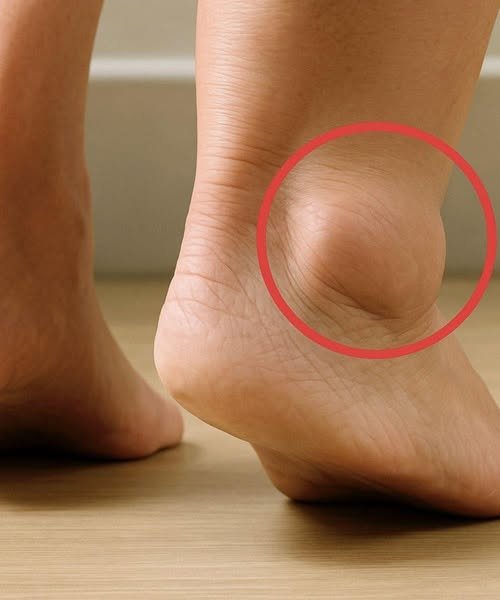
    Swelling in the lower legs, ankles, and feet—medically known as peripheral edema—is a common symptom that can range from minor fluid retention to an indicator of an underlying health issue. Online claims often link leg swelling directly to severe conditions like heart failure or chronic disease. While fluid buildup in the lower extremities can indeed point to cardiovascular, liver, or kidney dysfunction, it is just as frequently caused by simple lifestyle factors, extended periods of sitting or standing, high sodium intake, or hormonal fluctuations.

    Underlying medical conditions that cause leg swelling typically involve the body’s fluid regulation systems. Cardiovascular conditions, such as congestive heart failure or venous insufficiency, can prevent blood from pumping efficiently back to the heart, causing fluid to pool in the lower legs. Similarly, kidney disease can impede the body’s ability to excrete excess fluid and sodium, while liver conditions can affect protein levels in the blood, leading to fluid leakage into surrounding tissues. Other common causes include localized inflammation, blood clots (deep vein thrombosis), or side effects from certain medications like blood pressure drugs.

    Evaluating swollen legs involves paying attention to how quickly the swelling develops and whether it affects one or both legs. Sudden swelling in a single leg accompanied by pain or warmth requires immediate medical evaluation to rule out a blood clot. For mild, symmetrical swelling caused by prolonged sitting, simple measures like elevating your feet, wearing compression socks, reducing salt intake, and staying active can encourage proper circulation and alleviate fluid retention.

  • Why the Years Between 70 and 75 Present Unique Life Challenges

    Why the Years Between 70 and 75 Present Unique Life Challenges

    The period between ages 70 and 75 is frequently highlighted by gerontologists and sociologists as a major transitional threshold in human life. During this five-year window, individuals often experience a convergence of physical changes, shifts in routine, and emotional adjustments. Understanding the specific factors that make this stage uniquely challenging helps families and seniors navigate these golden years with resilience and support.

    First, age-related health changes often become noticeably more pronounced, as long-term conditions like arthritis, cardiovascular issues, or reduced mobility require increased medical management and lifestyle adaptations. Second, the psychological adjustment to full retirement reaches a peak; after years away from the workforce, individuals may struggle with a loss of professional identity or a reduced sense of daily purpose. Third, social dynamics shift dramatically as peers, lifelong friends, and family members face their own health issues or pass away, increasing the risk of emotional isolation and grief.

    Fourth, a decline in physical independence often forces difficult choices regarding driving, home maintenance, or living arrangements, which can test a person’s sense of autonomy. Fifth, navigating fixed retirement incomes amidst rising medical expenses and long-term care costs creates significant financial stress. Despite these obstacles, staying physically active, fostering close social connections, and pursuing new hobbies can help older adults maintain a high quality of life and emotional well-being throughout this transition.