Blog

  • Decoding Celebrity Clickbait: Willow Smith and Incomplete Headline Narratives

    Decoding Celebrity Clickbait: Willow Smith and Incomplete Headline Narratives

    Social media platforms routinely circulate posts featuring photos of high-profile celebrities alongside sensationalized, truncated quotes like “broken her silence” or “My dad used to b…” These posts deliberately cut off sentences in mid-thought to create a curiosity gap. By withholding the conclusion of the statement, content creators attempt to lure users into clicking suspicious external links, driving traffic to ad-monetized blogs, or generating artificial engagement through comment speculation.

    Featuring actor Will Smith and his daughter, singer-actress Willow Smith, this graphic exemplifies a common digital marketing tactic that recycles or distorts public interview quotes. Over the years, Willow Smith has spoken openly in legitimate interviews about growing up in the spotlight, her music career, and her family dynamics. However, posts utilizing incomplete phrasing typically misrepresent or exaggerate these past statements to imply a dramatic personal revelation or family controversy that does not exist.

    Navigating online entertainment content requires recognizing sensational clickbait structures designed to exploit public interest in celebrity lives. Verifying dramatic claims through reputable entertainment journalism outlets or direct video interviews helps separate genuine public statements from fabricated online narratives. Practicing digital media literacy ensures readers remain informed while avoiding the spread of misleading social media gossip.
  • Unmasking the Stinkhorn “Egg”: Biology, Malodor, and Identification

    Unmasking the Stinkhorn “Egg”: Biology, Malodor, and Identification

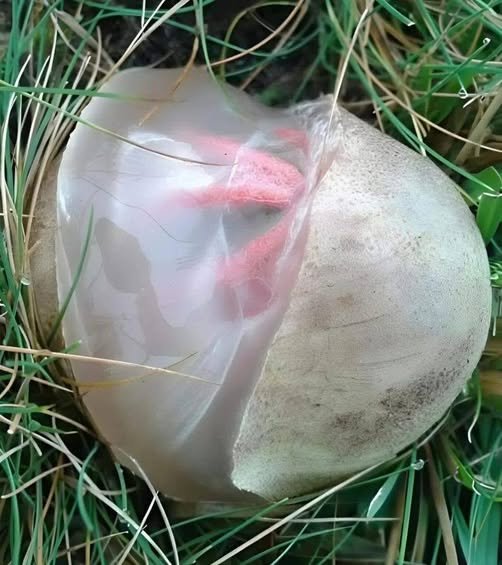
    The gelatinous, alien-like structure pictured in your garden is the immature “egg” stage of a stinkhorn fungus, most likely belonging to species such as Clathrus archeri (Devil’s Fingers) or Mutinus elegans. Before bursting open into their fully formed, striking adult shapes, stinkhorns grow inside a protective, sac-like volva filled with a thick, jelly-like substance. Once conditions are right, the outer membrane ruptures, expanding rapidly into red or orange arm-like structures covered in a sticky, spore-bearing slime known as gleba.

    The overwhelming, foul smell associated with these fungi is an essential evolutionary adaptation rather than a sign of toxic airborne danger. The gleba emits a potent odor resembling rotting meat or sewage specifically to attract flies, beetles, and other carrion-feeding insects. These insects land on the fungus to feed on the slimy coating, unwittingly picking up spores on their legs and bodies and dispersing them throughout the surrounding soil and garden ecosystem.

    While the intense stench can easily induce nausea, gagging, or physical discomfort, stinkhorn fungi are non-toxic and present no chemical hazard to humans, pets, or garden plants. If you wish to remove them, wear disposable gloves to carefully dig up the gelatinous base and surrounding soil, then place the fungus in a sealed trash bag to prevent spores from spreading. Alternatively, applying a light dusting of garden lime or simply letting the fungus complete its brief 24-to-48-hour lifecycle will allow it to naturally decompose and vanish

  • The Anatomy of Clickbait: Debunking Fabricated Vaccine Rumors

    The Anatomy of Clickbait: Debunking Fabricated Vaccine Rumors

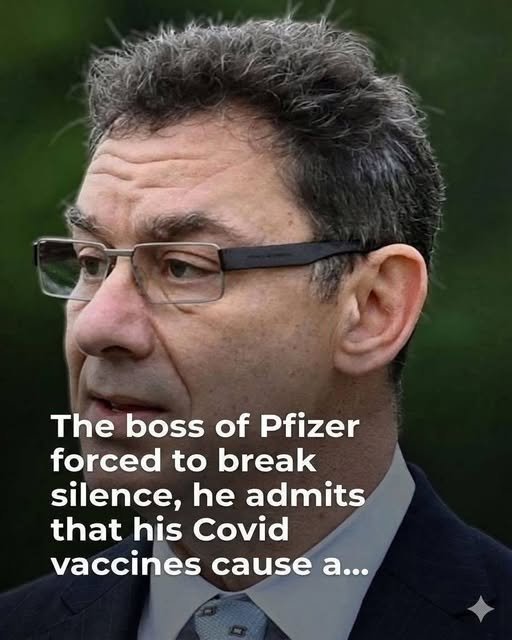
    Social media posts frequently feature cropped photos of pharmaceutical executives paired with trailing, dramatic text like “forced to break silence” or “admits that his vaccines cause…” These graphics rely on curiosity gaps—leaving the sentence incomplete—to trick users into clicking links, driving traffic to ad-heavy blogs, or spreading unverified health rumors across social networks.

    Featuring Pfizer CEO Albert Bourla, this image is another example of a long-running series of viral, fabricated health claims. Bourla has not made any admission claiming his company’s COVID-19 vaccines are unsafe, nor was he “forced to break silence”. Independent fact-checkers and news organizations have repeatedly debunked similar viral claims—including false assertions that Bourla refused his own vaccine, resigned from his position, or conceded severe undisclosed side effects.

    The safety and efficacy profiles of mRNA vaccines have been evaluated through extensive global clinical trials and real-world monitoring by international health agencies, including the FDA and WHO. Legitimate reporting on vaccine safety parameters and rare side effects (such as myocarditis or allergic reactions) is publicly documented by medical authorities rather than revealed through sensationalized, incomplete headlines.

    Spotting online health misinformation requires skepticism toward truncated captions and sensational phrasing. When evaluating claims about public health or pharmaceutical research, verifying the details via primary medical journals, national public health agencies, or established fact-checking outlets helps prevent the spread of misleading digital content.

  • Remembering David Allan Coe: The Legacy of an Outlaw Country Pioneer

    Remembering David Allan Coe: The Legacy of an Outlaw Country Pioneer

    Viral online graphics often circulate announcing the passing of iconic musicians, frequently reusing classic portraits framed with birth and death dates. The image above features outlaw country legend David Allan Coe. Coe passed away on April 29, 2026, at the age of 86.

    Known for his raw, rebellious style and distinctive stage presence, David Allan Coe emerged as a primary figure in the 1970s outlaw country movement alongside artists like Waylon Jennings and Willie Nelson. Over his decades-long career, he became celebrated for writing and performing country classics, including “You Never Even Called Me by My Name,” “The Ride,” and composition hits for other artists such as Johnny Paycheck’s “Take This Job and Shove It”.

    While digital platforms frequently turn major celebrity news into sensationalized social media graphics, Coe’s actual death was confirmed by family members and primary news outlets. Fans and music historians continue to reflect on his vast discography, acknowledging his profound and lasting influence on the outlaw country genre.

  • The Rise of Clickbait: Debunking Viral Celebrity Death Hoaxes

    The Rise of Clickbait: Debunking Viral Celebrity Death Hoaxes

    Social media feeds regularly feature black-and-white portraits of legendary actors accompanied by somber headlines claiming they have passed away. These posts are designed to capture attention, manipulate reader emotions, and drive traffic to questionable websites or ad-heavy landing pages. Featuring action icon and former California Governor Arnold Schwarzenegger, this image is another entry in a long line of recurring online death hoaxes targeting high-profile figures.

    Despite the sensationalized headlines, Arnold Schwarzenegger is alive and well. Fake news outlets and social media channels frequently weaponize curiosity-gap phrasing—such as “Sad Sunday” or vague references to age—to make fake obituaries appear legitimate at a quick glance. Because legendary figures carry massive global fanbases, these fabricated announcements spread rapidly across platforms before fact-checkers or mainstream news organizations can officially dispel them.

    Spotting online misinformation requires verifying major life events through established news outlets, verified personal social media accounts, or official representatives. Legitimate reporting on the passing of an international icon like Schwarzenegger would be covered globally across primary news networks rather than confined to anonymous social media posts. Remaining critical of viral graphics and double-checking source credibility helps prevent the accidental spread of digital hoaxes.

  • Debunking Celebrity Death Hoaxes: Eric Dane and Viral Online Rumors

    Debunking Celebrity Death Hoaxes: Eric Dane and Viral Online Rumors

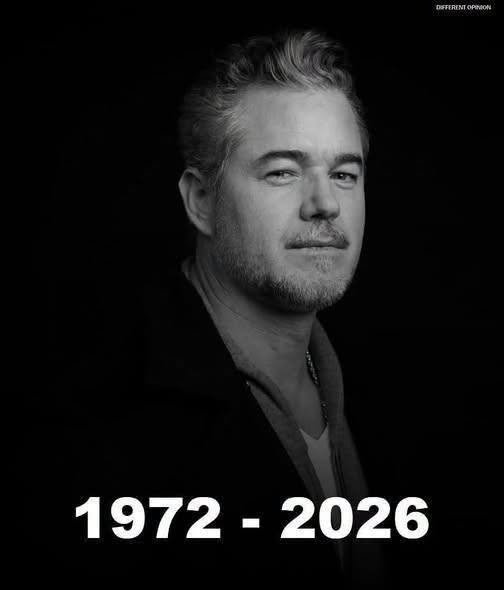
    Social media platforms frequently generate clickbait headlines and fabricated death notices claiming famous actors or television stars have passed away. A recent example includes viral posts featuring black-and-white portraits of actor Eric Dane overlaid with birth and death years like “1972–2026”. These sensationalized graphics rely on alarming headlines to lure users into clicking links, generating ad revenue, or spreading unverified rumors across social networks.

    Eric Dane, widely celebrated for his iconic role as Dr. Mark “McSteamy” Sloan on Grey’s Anatomy and Cal Jacobs on Euphoria, is alive. Online death hoaxes often target popular public figures to exploit fanbase emotional investment and gain immediate traction. Such hoaxes typically lack citations from official news outlets, family statements, or verified social media accounts, relying instead on recycled stock images and dramatic typography to mimic legitimate breaking news graphics.

    Navigating celebrity news on social media requires verifying information through established journalistic outlets before sharing. When encountering unexpected reports of a public figure’s death, checking reputable news agencies, major entertainment publications, or verified personal profiles quickly exposes fabricated death claims. Critical media literacy helps combat the rapid spread of digital misinformation and reduces the distress caused by viral online hoaxes.

  • Understanding Breast Size Variations: Biology, Function, and Health Myths

    Understanding Breast Size Variations: Biology, Function, and Health Myths

    Sensational social media graphics frequently use clickbait headlines to make pseudoscientific claims about breast size, linking body proportions to health traits, personality, or biological abilities. Breast size is primarily determined by a combination of genetics, overall body fat percentage, age, and natural hormonal fluctuations across a person’s lifespan. Variations in size are completely normal human anatomical differences and do not indicate underlying health deficits, character traits, or physical limitations.

    A common misconception perpetuated online is that breast size impacts biological functions such as lactation or milk production capacity. In reality, breast size is mostly determined by adipose (fat) tissue, whereas milk production relies entirely on glandular tissue. Individuals with smaller breasts typically have similar amounts of functional lobular and ductal tissue as those with larger breasts, meaning overall breast size has no direct bearing on the ability to produce milk or successfully nurse.

    Additionally, smaller breasts offer distinct physical advantages, including lower risk of chronic neck, back, and shoulder pain often associated with heavier tissue. Smaller breast tissue can also make self-examinations and clinical mammograms easier to perform, potentially aiding in the early detection of localized changes or tissue abnormalities. Recognizing the physiological realities behind body variations helps counter viral misperceptions and promotes a healthy, evidence-based understanding of human anatomy.

  • Viral Prison Myths: Examining Sensationalized Headline Narratives

    Viral Prison Myths: Examining Sensationalized Headline Narratives

    Sensational social media memes and headline formats frequently circulate dramatic stories about elderly inmates, secret prison habits, and complicit guards. These posts often use emotionally charged language and curiosity-gap phrasing to drive user engagement and shares. While stories claiming that guards turned a blind eye to an inmate’s secret habit for decades make for viral internet content, they rarely reflect verifiable historical records or the realities of institutional correctional operations.

    In actual correctional facilities, strict protocols, frequent cell inspections, and security monitoring make long-term unapproved activities highly improbable. Furthermore, claims regarding “America’s oldest inmate” often misrepresent real biographical facts or combine features of different news stories to create a more dramatic narrative. While elderly individuals do serve long sentences in the penal system, institutional care for geriatric inmates focuses primarily on medical management, accessibility adaptations, and standard routine care rather than secret allowances.

    Evaluating sensational media claims requires a critical approach to online information. Clickbait graphics typically omit specific names, locations, and verifiable sources, relying instead on vague assertions that trigger curiosity. Fact-checking viral stories through reputable news outlets, legal databases, or official department of corrections announcements helps distinguish genuine historical events from fabricated clickbait designed to maximize online engagement.

  • Restoring Yellowed Pillows: 3 Tips to Keep Them White and Fresh

    Restoring Yellowed Pillows: 3 Tips to Keep Them White and Fresh

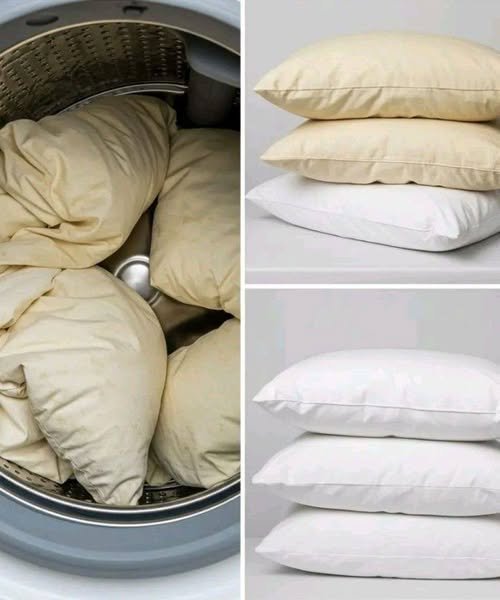
    Over time, pillows naturally develop yellow stains due to accumulated body oils, sweat, drool, and moisture absorbed during sleep. While this discoloration can make bedding look aged and unhygienic, yellowing does not necessarily mean a pillow needs to be thrown away. Understanding proper deep-cleaning techniques and targeted whitening additives can effectively break down stubborn organic stains, lift lingering odors, and restore pillows to a bright, fresh, and like-new condition.

    To achieve optimal results when washing yellowed pillows, incorporate three key maintenance strategies into your laundry routine. First, pre-treat stains with a deep-cleaning booster by soaking pillows in hot water mixed with baking soda, oxygen-based bleach, and a splash of dish soap to break down oil build-up before the main cycle. Second, always wash two pillows at a time in the washing machine to maintain balanced agitation, utilizing a gentle hot-water cycle with an extra rinse to ensure all detergent residues are thoroughly washed out. Third, dry pillows completely on a low-heat dryer setting with wool dryer balls to restore fluffiness and prevent mold or mildew growth, or hang them outdoors in direct sunlight to leverage natural ultraviolet bleaching power.

    Preventing future yellowing requires proactive care and protective bedding layers. Enclosing pillows in high-quality, zippered waterproof pillow protectors beneath standard pillowcases creates a barrier against sweat and natural oils. Additionally, washing pillowcases weekly and deep-cleaning the pillows themselves every three to six months prevents organic residues from setting deep into the fabric fibers, ensuring your bedding stays clean, supportive, and bright for years to come.

  • Identifying Kitchen Gadgets: The Onion Holder and Slicing Guide

    Identifying Kitchen Gadgets: The Onion Holder and Slicing Guide

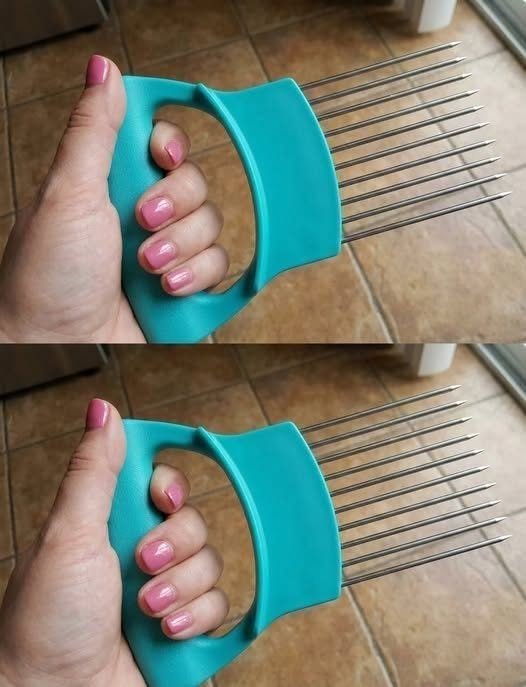
    The tool pictured is an onion holder and slicing guide, a popular culinary gadget designed to improve safety and precision while prepping round produce. Constructed with a sturdy plastic handle and a row of sharp, parallel stainless steel tines, this utensil acts as an extension of the hand to hold vegetables firmly in place. By securing round or slippery items that are typically difficult to grip, it minimizes the risk of accidental slips and knife cuts during food preparation.

    To use the tool, press the stainless steel tines deeply into an onion, tomato, lemon, or potato to anchor it to the cutting board. Once the tines are inserted, slice a sharp knife between the metal prongs to produce uniform, evenly spaced slices without needing to touch the produce directly. Beyond serving as a slicing template, the tool helps keep strong odors, such as raw onion juices, off your hands and can also double as a light meat tenderizer for poultry or steaks.

    While designed for convenience, proper care and handling are essential due to the sharp points of the metal tines. Always clean the tool carefully with a dish brush or in the upper rack of a dishwasher to remove food debris trapped between the closely spaced prongs. Storing the gadget in a protective sleeve or utensil drawer organizer prevents the sharp tips from dulling or causing accidental injuries when reaching into kitchen drawers.