Blog

  • Visual Deception: Identifying the Sprouting Germinated Seed

    Visual Deception: Identifying the Sprouting Germinated Seed

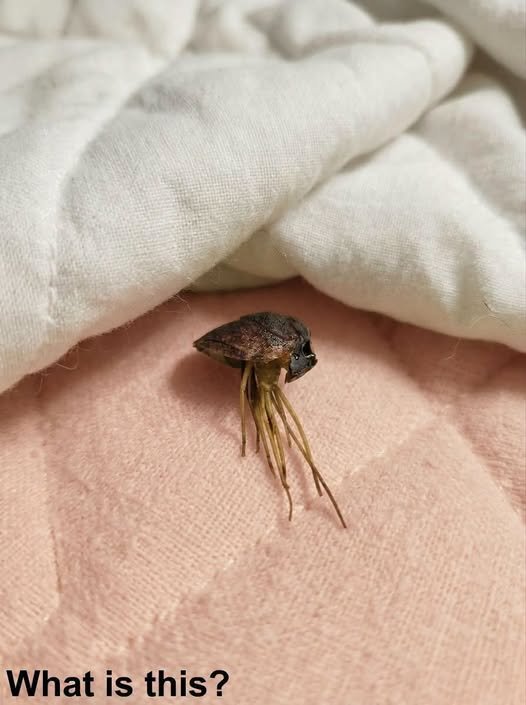
    The object shown upside-down under the blanket in the photograph looks like an alien organism or a strange deep-sea crustacean, but it is actually a sprouted seed or pit, likely from a fruit like an avocado, lychee, or rambutan.

    Biological Identification and Mechanism

    • The Shell/Cap: The dark, shell-like upper structure is the outer coat (testa) of the seed, which splits open as the embryonic plant inside expands.
    • The “Legs”: What appear to be insect legs or tentacles are actually emerging primary taproots and secondary root structures growing outward to anchor the plant and absorb moisture.
    • Internal Germination (Vivipary): This often occurs when a seed begins germinating inside a ripe fruit prior to harvesting, or when a discarded fruit pit finds enough ambient moisture and darkness—such as inside a laundry pile or household corner—to sprout roots.

    Social Media Context and Engagement Farming

    Viral posts featuring unusual botanical specimens or dried seed pods paired with anxious captions like “I came home tired… I discovered this under my blanket… What is this?” are standard forms of digital engagement farming.

    Content creators stage these everyday biological oddities in absurd household locations (like inside a bed) to achieve specific online goals:

    1. Pique Curiosity and Fear: The visual resemblance to a giant spider, beetle, or parasite triggers an immediate emotional response, compelling viewers to click, share, or read further.
    2. Maximize Comment Activity: Prompting viewers to guess what the object is results in thousands of comments filled with joke responses, genuine concern, and factual corrections, which signals algorithms to push the post to wider audiences.

    While encountering a rooted pit under bed covers makes for a startling visual illusion, the object is entirely harmless plant matter rather than a dangerous pest.

  • Domestic Artifact Identification: The Antique Charcoal Box Iron

    Domestic Artifact Identification: The Antique Charcoal Box Iron

    The object featured in the photograph is an antique charcoal box iron, a heavy cast-iron domestic appliance widely used for pressing clothes and textiles from the 19th century into the early 20th century, before widespread electrification.

    Design and Mechanical Operation

    • Internal Heat Source: Unlike solid “flat irons” or “sad irons” that required heating on a hot stove, a charcoal iron featured a hollow internal body designed to hold burning charcoal embers, keeping the heavy metal base continuously hot during use.
    • Air Circulation Features: The cutouts or vents along the lower sides allowed airflow to keep the charcoal burning, while the decorative, bird-shaped latch at the front secured the hinged lid to contain ash and embers.
    • Ergonomic Construction: The wooden handle atop the cast-iron bracket protected the user’s hands from conducting extreme thermal heat radiating from the iron’s heavy base.

    Social Media Context and Engagement Farming

    Viral posts displaying recognizable antique household items paired with provocative claims—such as “I’m positive you will not know what this is. If you really know this then you must be old”—are standard examples of online engagement farming.

    Content creators frequently circulate these nostalgia-driven prompts to achieve several algorithmic goals:

    1. Maximize Comment Volume: Challenging the viewer’s age or knowledge prompts thousands of users to comment with the correct name, personal childhood memories, or defenses of their age.
    2. Boost Algorithmic Visibility: High comment frequency signals strong user interaction to social media algorithms, pushing the image into broader user feeds to generate clicks and ad revenue.

    While modern electric irons and steamers have rendered charcoal irons obsolete in most domestic settings, these cast-iron tools remain iconic pieces of historical domestic technology and popular vintage collectibles worldwide.

  • Identifying Head Lice: Understanding Transmission, Treatment, and Social Media Clickbait

    Identifying Head Lice: Understanding Transmission, Treatment, and Social Media Clickbait

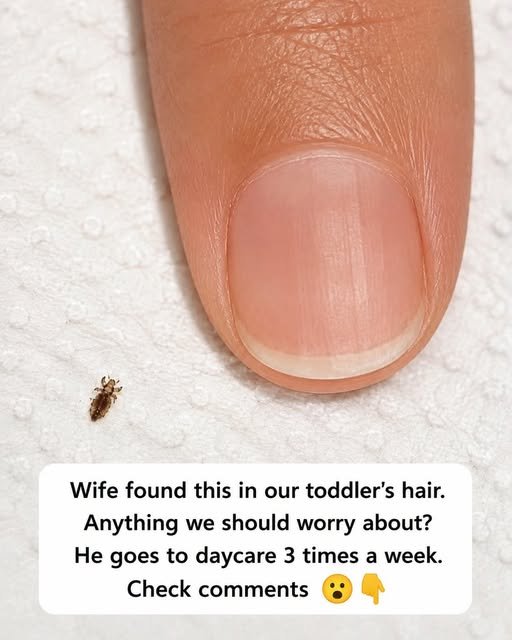
    The tiny insect featured next to a human fingernail is a adult head louse (Pediculus humanus capitis), a common parasite that resides on human scalps. Head lice infestation, medically known as pediculosis capitis, is a very frequent occurrence among young children attending daycares, preschools, and elementary schools worldwide.

    Identification and Transmission

    • Physical Characteristics: Head lice are wingless, tan-to-grayish insects about the size of a sesame seed (2–3 mm long) with specialized claws adapted for grasping hair shafts.
    • How They Spread: Contrary to popular myths, lice cannot fly or jump; they spread almost exclusively through direct head-to-head contact during play, naptime, or shared activities.
    • Signs of Infestation: Common indicators include intense scalp itching (caused by an allergic reaction to louse bites), tickling sensations in the hair, small red bumps on the neck or scalp, and the presence of tiny white-to-tan oval eggs (nits) firmly glued near the base of hair shafts.

    Treatment and Prevention Guidelines

    Treating head lice involves applying an over-the-counter or prescription pediculicide lotion or shampoo followed by thorough wet-combing with a fine-toothed nit comb to remove remaining eggs. Household precautions include washing recently used bedding, clothing, and hats in hot water and drying on high heat. While annoying and inconvenient, head lice do not carry or transmit infectious diseases and are not a sign of poor personal hygiene or an unclean home environment.

    Social Media Context and Engagement Tactics

    Social media graphics displaying extreme close-ups of household pests paired with anxious parenting captions (such as “Anything we should worry about? Check comments”) are frequently deployed as engagement farming. Content creators post these familiar childhood scenarios to spark wide debate in the comment section—where users share personal remedies, debate daycare policies, and click external links to ad-monetized blogs or commercial product pages.

  • Identifying Historical Tools: The Vintage Sewing Thimble

    Identifying Historical Tools: The Vintage Sewing Thimble

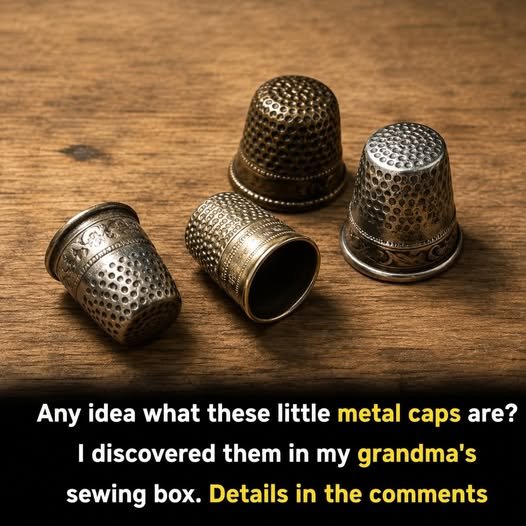
    The objects pictured in the image are traditional metal sewing thimbles. Commonly made from materials like brass, sterling silver, steel, or pewter, these small, cap-shaped protective devices have been fundamental tools in hand-sewing, tailoring, and mending for centuries.

    Purpose and Functionality

    • Finger Protection: A thimble is worn over the fingertip—typically the index or middle finger—to protect the skin from being repeatedly pricked or bruised while pushing a needle through heavy fabrics or thick materials like leather.
    • Dimpled Texture: The distinctive pit marks, or “dimples,” surrounding the exterior are designed to catch the dull eye end of the sewing needle, preventing it from slipping while force is applied.
    • Decorative Bands: Many vintage and antique thimbles feature decorative engraved bands near the rim, making them popular collectible items and heirloom keepsakes.

    Social Media Context and Engagement Tactics

    Viral posts presenting common vintage items alongside inquisitive captions like “Does anyone have a clue what these are…” or “Details in the comments” are standard examples of engagement farming. Notice the contradiction between the user’s prompt (“found in my grandmother’s crockery cupboard”) and the text on the image (“discovered them in my grandma’s sewing box”).

    Content creators intentionally post recognizable everyday items with mismatched text or false mystery to:

    1. Trigger High Comment Activity: Encouraging thousands of users to correct the text or identify the obvious object, which boosts the post’s visibility across platform algorithms.
    2. Drive External Clicks: Directing users to comment sections that contain links to ad-monetized blogs, spam storefronts, or external clickbait pages.

    While hand-sewing has largely been supplemented by modern machines, thimbles remain essential tools for quilters, tailors, and needlework enthusiasts worldwide.

  • Fact-Checking Celebrity Death Rumors: The David Bradley Hoax

    Fact-Checking Celebrity Death Rumors: The David Bradley Hoax

    Social media graphics formatted as obituaries—featuring dark background overlays, dramatic headlines, and birth-to-death years (such as “1936–2026”)—are a prevalent form of engagement farming. The actor pictured is acclaimed English performer David Bradley, and the claim that he has died is false.

    Key Errors in the Graphic

    • The Actor: David Bradley is a prolific actor celebrated for his roles as Argus Filch in the Harry Potter film franchise, Walder Frey in Game of Thrones, Abraham Setrakian in The Strain, and the First Doctor in Doctor Who.
    • Incorrect Birth Year: The graphic states his birth year as 1936, but Bradley was born on April 17, 1942.
    • Current Status: David Bradley is alive and continuing his acting career.

    Why Social Media “R.I.P.” Posts Spread

    Accounts across social platforms often post exaggerated or entirely fabricated celebrity death announcements to capitalize on public nostalgia and emotion. By using vague, somber headlines (“Sad News About This Beloved Actor”), these pages aim to:

    1. Boost Algorithmic Reach: Prompting users to leave condolences or ask who the person is drives high comment activity, signaling platforms to feature the post in more feeds.
    2. Drive Click-Throughs: These graphics frequently link to external, ad-monetized blogs or spam sites designed to generate ad revenue from curious visitors.

    When encountering unexpected celebrity news on social media, always verify the information through major entertainment news outlets or official talent representatives before sharing or commenting.

  • Deconstructing Online Engagement Bait: The Fake “IQ Test” Spot-the-Difference

    Deconstructing Online Engagement Bait: The Fake “IQ Test” Spot-the-Difference

    Social media feeds are frequently flooded with bright, simplified illustrations paired with bold, hyperbolic text such as “There’s only ONE difference… ONLY people with an EXTRAORDINARY IQ can spot it!” These graphics rely on artificial challenge, flattery, and psychological curiosity to trick users into spending time analyzing the image and interacting with the post.

    Despite the dramatic claim on the image, a pixel-by-pixel examination reveals that the two side-by-side figures are completely identical. There is no missing line, altered color, shifted feature, or hidden element between the left illustration and the right illustration.

    How Fake “IQ” Puzzles Drive Online Engagement

    This tactic is a well-established psychological trick used across social platforms to manipulate user activity and algorithmic reach:

    • Inflating Watch Time and Dwell Time: By claiming a single difference exists, the post forces users to stare at the image for an extended duration. Social media algorithms register this prolonged viewing time as high user interest, automatically boosting the post to a wider audience.
    • Exploiting the Comment Section: Frustrated or confused users flood the comment section to state that the images are identical, argue with other users, or ask for the answer. Every comment signals activity to the platform’s distribution system.
    • Flattery as Clickbait: Framing simple visual puzzles around “high intelligence” or “extraordinary IQ” appeals to cognitive vanity, encouraging people to share or comment to prove their observation skills.

    Recognizing fake puzzles and engagement bait helps users avoid wasting time on artificial internet traps created solely to farm views, comments, and ad revenue.

  • The Real Story Behind the 1983 “Giant Baby” Headline

    The Real Story Behind the 1983 “Giant Baby” Headline

    vViral social media graphics showing vintage photographs of large infants alongside text promising “You’ll never guess what he looks like today” are common clickbait tactics. These posts withhold key facts—such as the person’s name or current life updates—to force users into opening comment sections or visiting external monetized websites to fulfill their curiosity.

    The story referenced in the meme is true and belongs to Kevin Robert Clark, born on April 8, 1983, in New Jersey. Weighing 16 pounds, 6 ounces (approx. 7.4 kg) at birth, Clark made national headlines as one of the heaviest newborns delivered in the state, making appearances on major news broadcasts and even being spoofed on Saturday Night Live.

    Today, Kevin Clark has grown into an exceptionally tall adult, standing at 6 feet 9 inches and weighing around 300 pounds. After serving in the U.S. Air Force and working in military law enforcement, he built a career in biomedical engineering. Despite frequent attention regarding his height, he often addresses his unusual childhood fame with humor when asked about his unique viral legacy.

  • Deconstructing AI-Generated Celebrity Clickbait: The Truth Behind “Forgotten ’80s Heartthrobs”

    Deconstructing AI-Generated Celebrity Clickbait: The Truth Behind “Forgotten ’80s Heartthrobs”

    Social media graphics featuring pristine portraits paired with dramatic captions like “After years of addiction, this ’80s heartthrob is now…” are a fast-growing category of digital engagement farming.

    These posts rely on artificial nostalgia, sensationalized claims, and synthetic imagery to lure users into clicking external links or leaving high-engagement comments.

    The Synthetic Nature of the Image

    • Not a Real ’80s Star: The person depicted in the photo is not a real actor, child star, or celebrity from the 1980s.
    • AI-Generated Visual: The image is a synthetic portrait created using AI image generators designed to mimic the photography style, lighting, and aesthetic of mid-1980s Hollywood headshots.
    • Fabricated Backstory: The accompanying text regarding “years of addiction,” a “private battle,” and being a “proud dad of 3” is entirely fabricated. It is written specifically to create an emotional narrative that resonates with audiences.

    How Engagement Farming Works

    Pages posting these graphics exploit curiosity gaps to achieve several goals:

    1. Drive Traffic to Monetized Sites: The primary objective is to direct users to ad-heavy websites, spam blogs, or affiliate links where page views generate ad revenue.
    2. Manipulate Algorithms: Prompting users to guess the person’s identity in the comments signals high user activity to platform algorithms, boosting the page’s overall visibility.
    3. Build Farmed Accounts: Once these pages accumulate thousands of followers through viral fake posts, they are often sold or repurposed for commercial spam.

    When encountering posts about “forgotten stars” or dramatic celebrity transformations, look for verified names, official news sources, or recognizable public figures before engaging or

  • Debunking Traffic Myths: The Truth Behind Blue Stop Signs

    Debunking Traffic Myths: The Truth Behind Blue Stop Signs

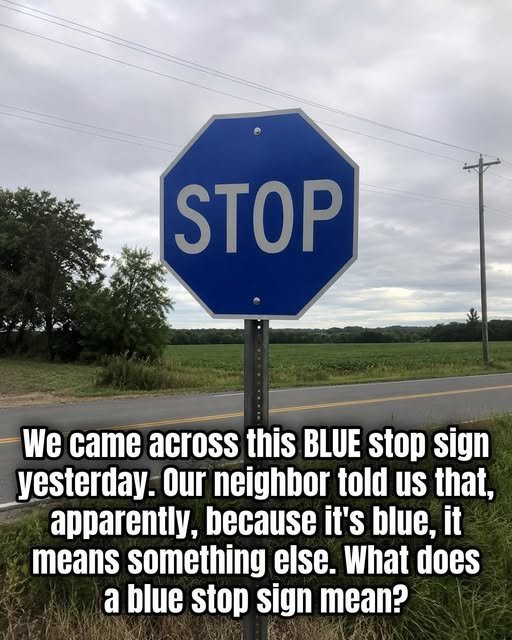
    Social media images featuring unusual roadside signage paired with captions asking “What does a blue stop sign mean?” are classic examples of engagement farming. Content creators circulate these manipulated photos to spark debate, prompt hundreds of speculation-filled comments, and drive users to click external links hosted in the comment sections.

    JPG+ 1

    Under official transportation standards, such as the Manual on Uniform Traffic Control Devices (MUTCD), a blue stop sign holds no legal standing on public roads. Standard regulatory stop signs are strictly mandated to be red octagons with white lettering to ensure immediate global recognition and safety compliance. Blue traffic signs are universally reserved for informational and motorist services, such as indicating nearby lodging, food, hospital access, or gas stations.

    When blue stop signs do appear in the real world, they are almost exclusively non-standard additions installed on private property—such as commercial parking lots, gated communities, or private driveways—where property owners attempt to match custom neighborhood color themes. In many cases online, the sign’s color is simply altered using photo editing software to create a fake viral curiosity. Regardless of a non-standard color, drivers on private property should still yield or stop for safety, but the image itself primarily serves as clickbait.

    JPG+ 1

  • Deconstructing Celebrity Rumors: The Mark Linn-Baker Death Hoax

    Deconstructing Celebrity Rumors: The Mark Linn-Baker Death Hoax

    Viral graphics overlaid with dark gradients, mourning captions, and bogus lifespan dates (like “1958–2026”) are a recurring form of social media clickbait. The actor pictured is Mark Linn-Baker, and the claim that he has passed away is false.

    The Reality Behind the Image

    • The Actor: Mark Linn-Baker is best known for his role as Larry Appleton in the hit 1980s sitcom Perfect Strangers, as well as his roles in My Favorite Year, The Leftovers, and Succession.
    • Incorrect Information: The image lists his birth year as 1958, but Linn-Baker was actually born on June 17, 1954.
    • Current Status: Linn-Baker is alive and actively continuing his acting career.

    Why These Hoaxes Spread

    Social media pages frequently generate fabricated tribute posts targeting well-known TV stars to exploit audience nostalgia. These posts use dramatic headlines and fake memorial dates to trigger emotional responses, driving traffic to external ad-monetized blogs, spam pages, or engagement-farming comment sections.

    When encountering sudden news regarding a public figure, always verify the claims through established news outlets or official representative statements before sharing.