Blog

  • Entomological and Clinical Reality: Bedbug Infestations and Skin Reactions

    Entomological and Clinical Reality: Bedbug Infestations and Skin Reactions

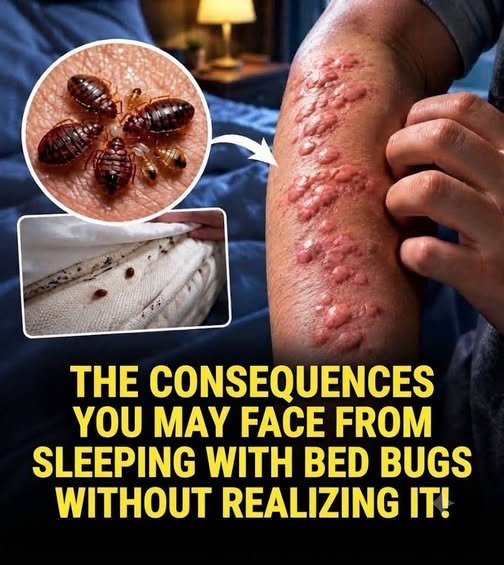
    The graphic combines close-up circular insets of bedbugs (Cimex lectularius) and mattress seams with a main image showing a severe, blistering skin rash on an forearm. While bedbugs are a genuine public health nuisance, the sensationalized image overstates typical clinical reactions to produce a dramatic visual warning.

    Bedbug Bites vs. Sensationalized Images

    • Typical Bite Presentation: Real bedbug bites generally present as small, itchy, red papules or welts, often arranged in a line or cluster along areas exposed during sleep (frequently referred to as the “breakfast, lunch, and dinner” pattern).
    • Exaggerated Visuals: The severe, densely grouped blistering rash shown on the arm in the main image is far more characteristic of severe contact dermatitis (such as exposure to poison ivy), secondary bacterial infections, or shingles rather than typical bedbug feeding marks.
    • Health Risks: Bedbugs do not transmit infectious diseases to humans during feeding. However, excessive scratching of itchy bites can break the skin, leading to secondary bacterial skin infections like impetigo or cellulitis, alongside anxiety and sleep disruption.

    Fear-Based Health Clickbait and Engagement Tactics

    Social media posts combining extreme biological imagery with alarming text like “THE CONSEQUENCES YOU MAY FACE FROM SLEEPING WITH BED BUGS…” rely on fear-driven engagement farming.

    Content creators exploit household anxieties and parasite phobias to boost platform distribution:

    1. Visual Shock Value: Pairings of insect close-ups and severe skin lesions trigger immediate revulsion, causing users to stop scrolling and examine the post.
    2. Incomplete Headlines: Truncating captions (“These Are the Consequences of Sleeping with..”) forces users to click open the post or check the comments to see the full warning.
    3. Comment Section Manipulation: Viewers naturally react with anxiety, horror, or personal extermination tips in the comments, generating high interaction volume that prompts social algorithms to amplify the post’s reach to monetize through linked ad sites.

    While identifying mattress stains and proper pest management are essential for controlling bedbugs, alarmist posts often exaggerate medical symptoms solely to farm views and traffic.
  • Microscopic Biology: Demodex Mites and Eyelashes

    Microscopic Biology: Demodex Mites and Eyelashes

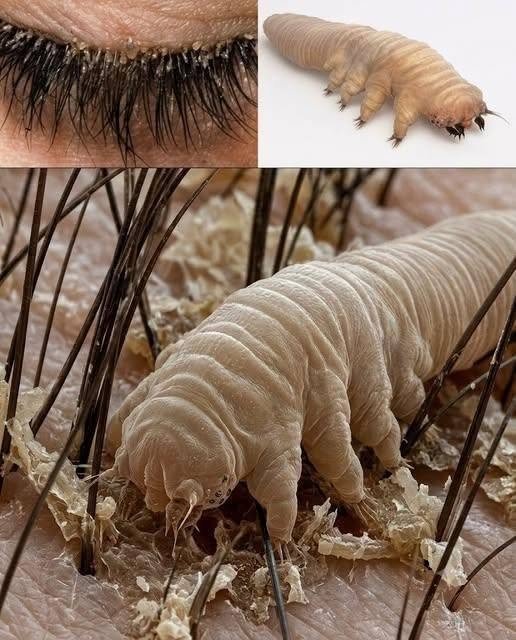
    The microscopic organism shown in the graphic is a Demodex mite (specifically Demodex folliculorum or Demodex brevis), microscopic arachnids that inhabit human hair follicles and sebaceous glands, particularly on the face, eyelashes, and eyebrows.

    Biology and Hygiene Realities

    • Commensal Organisms: Demodex mites are a normal part of the human skin microbiome. Virtually all adults host these harmless organisms, which feed on natural skin oils (sebum) and dead skin cells without causing any noticeable issues.
    • Overgrowth Factors: While their presence is entirely normal, sleeping with eye makeup or mascara on can trap oil, dead skin, and bacteria around the hair follicles. This excess debris creates an ideal environment for mite populations to rapidly multiply.
    • Symptoms of Demodicosis: An overgrowth of these mites can lead to eyelid inflammation (blepharitis), causing symptoms such as crusty or sticky eyelashes (as seen in the top-left inset photo), redness, itching, dry eyes, or loss of eyelashes. Proper nightly facial hygiene and eye makeup removal naturally prevent overgrowth.

    Fear-Based Shock Value and Clickbait Tactics

    Viral graphics displaying high-magnification electron microscope imagery paired with unfinished headlines like “Here are the consequences of sleeping with…” represent standard disgust- and fear-based engagement farming.

    Content creators exploit microscopic imagery to drive social media interactions:

    1. Sensationalizing Normal Biology: Presenting routine human skin microorganisms under extreme magnification evokes a visceral reaction of shock or disgust, causing users to pause and inspect the image.
    2. Incomplete Captions for Curiosity: Omitting the object of the sentence (“…sleeping with makeup on”) forces users to open the comments section or click external links to figure out what behavior is allegedly being warned against.
    3. Driving Comment Section Activity: Viewers frequently express disgust or debate hygiene practices in the comments, generating high engagement metrics that boost the post’s algorithmic reach across feeds.

    While sleeping in makeup can contribute to minor skin and eye irritation due to bacterial buildup and mite overgrowth, Demodex mites themselves are standard, harmless residents of human skin.

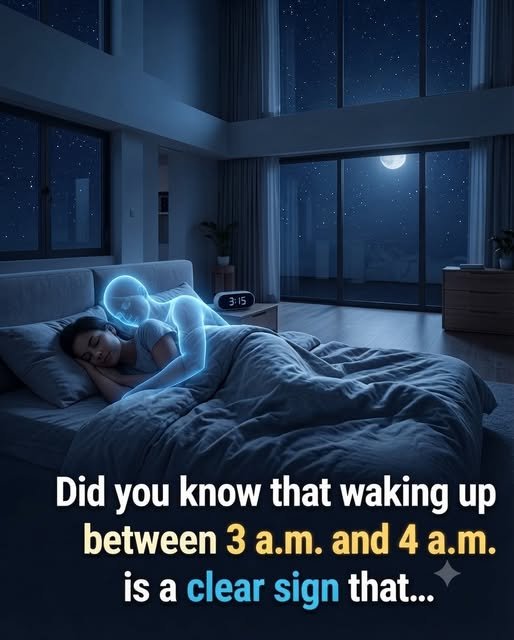
  • Sleep Physiology: Why You Wake Up Between 3 A.M. and 4 A.M.

    Sleep Physiology: Why You Wake Up Between 3 A.M. and 4 A.M.

    The viral image displays an AI-generated scene of a sleeping person paired with a glowing figure and a classic cliffhanger prompt asking, “Did you know that waking up between 3 a.m. and 4 a.m. is a clear sign that…”. While online posts frequently attribute mid-night awakenings to spiritual occurrences, paranormal activity, or severe medical conditions, waking up around 3:00 A.M. to 4:00 A.M. is actually a routine physiological function tied to human sleep architecture and circadian rhythms.

    The Science of Sleep Cycles and Cortisol

    • Sleep Cycle Shifts: Sleep progresses in approximately 90-minute cycles, alternating between deep slow-wave sleep and REM (Rapid Eye Movement) sleep. Deep sleep dominates the first half of the night, whereas the second half (typically around 3:00 A.M. onward) consists mostly of lighter REM and stage 2 sleep, making a person far more susceptible to waking up from minor internal or external disturbances.
    • Cortisol and Temperature Rhythms: Core body temperature reaches its lowest point around 3:00 A.M. to 4:00 A.M., while the body begins naturally releasing small amounts of cortisol—the hormone that readies the body to wake up—in anticipation of morning.
    • Common Physical Triggers: Waking during this window is frequently triggered by mundane factors, including nocturnal blood sugar drops (especially if eating high-carb snacks before bed), alcohol metabolism (which disrupts REM sleep mid-night), sleep apnea, a full bladder, or environmental temperature changes.

    Health Anxiety Clickbait and Engagement Tactics

    Graphics implying that a specific waking time carries a sinister or sensational meaning rely heavily on medical and psychological engagement farming.

    Content creators leverage universal experiences to manipulate platform algorithms:

    1. Relatable Hook: Occasional early morning awakenings affect millions of adults, making the headline immediately relevant to a massive scrolling audience.
    2. Sensational Imagery and Cliffhangers: Depicting a ghostly glowing figure while leaving the sentence incomplete (“is a clear sign that…”) exploits curiosity and anxiety, compelling users to click through or search the comment section for an answer.
    3. Driving Comment Engagement: Open-ended sleep prompts lead hundreds of users to share their own sleep struggles or debate superstitious theories, generating high comment volume that boosts organic distribution across social feeds.

    While brief awakenings between 3:00 A.M. and 4:00 A.M. are a natural part of human sleep architecture, chronic insomnia or disrupted sleep accompanied by daytime fatigue should be discussed with a healthcare professional rather than analyzed via social media posts.

  • Toxic Cucurbit Syndrome: Bitter Gourds and Sensationalized Health Warnings

    Toxic Cucurbit Syndrome: Bitter Gourds and Sensationalized Health Warnings

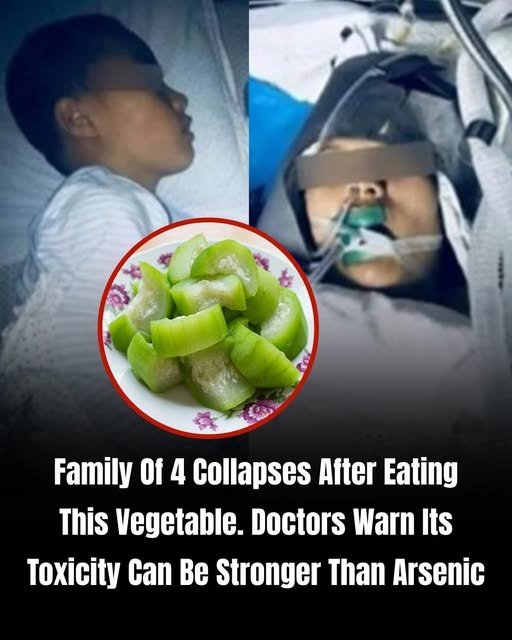
    The image depicts sliced bottle gourd (often called lauki or sponge gourd) alongside sensational headlines claiming a family collapsed and that its toxicity is “stronger than arsenic”. While the extreme comparison to arsenic is sensationalized clickbait, there is a genuine medical condition behind bitter gourds: Toxic Cucurbit Poisoning (or Toxic Squash Syndrome).

    The Chemistry: Cucurbitacin Toxicity

    • Natural Defense Mechanism: Members of the Cucurbitaceae family—which includes bottle gourds, cucumbers, squashes, and pumpkins—produce natural biochemical compounds called cucurbitacins. These compounds impart a distinct bitter taste designed to protect the plants against insects and herbivores.
    • Cultivated vs. Wild/Stressed Plants: Standard commercially grown gourds are bred to have negligible, safe levels of cucurbitacins. However, cross-pollination, high temperatures, drought stress, or improper storage can trigger a surge in cucurbitacin levels, making the vegetable intensely bitter and toxic.
    • Clinical Symptoms: Ingesting abnormally bitter gourd juice or flesh can cause severe gastrointestinal distress, including nausea, severe vomiting, abdominal cramps, hematemesis (vomiting blood), gastrointestinal bleeding, and a sharp drop in blood pressure.

    The Rule of Thumb: Avoid Bitter Gourds

    1. Taste-Test Before Cooking: Always taste a tiny slice of raw bottle gourd or cucumber before cooking or juicing it.
    2. Discard Instantly: If it tastes noticeably bitter, discard the entire vegetable immediately. Neither cooking, boiling, nor adding spices neutralizes cucurbitacins.
    3. Seek Medical Care: If someone experiences severe abdominal pain or vomiting after eating a bitter gourd, they should seek medical attention promptly for hydration and supportive care.

    Sensational Clickbait vs. Medical Facts

    Social media graphics claiming a vegetable is “more toxic than arsenic” manipulate real medical warnings into viral fear-mongering:

    • Sensational Hyperbole: Comparing rare plant poisoning to heavy metal toxins like arsenic is scientifically inaccurate and designed to maximize fear.
    • Engagement Farming: Using alarming hospital imagery and withholding the name of the vegetable forces users to click through, leave comments, and share the post out of panic.

    While toxic cucurbit poisoning is a real medical risk, simple kitchen precautions—discarding any gourd that tastes bitter—completely eliminate the hazard.

  • Botanical Reality: Hollow Heart Condition in Watermelons

    Botanical Reality: Hollow Heart Condition in Watermelons

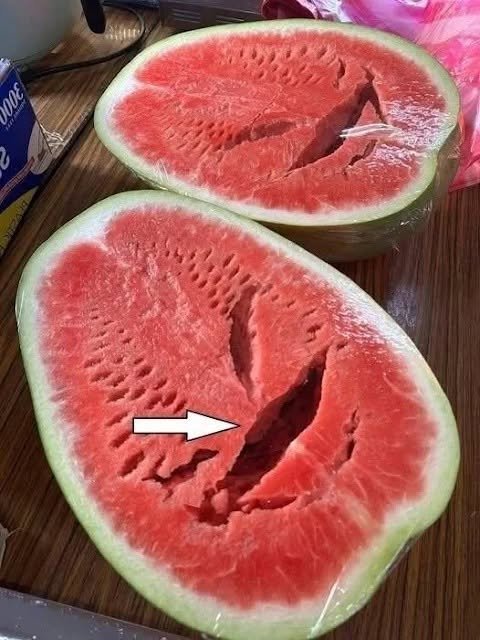
    The internal cracking shown inside the sliced watermelon is a naturally occurring agricultural phenomenon known as hollow heart disorder. Despite persistent internet rumors claiming these cracks are caused by harmful chemicals or growth hormones, watermelons with hollow heart are completely safe to eat.

    Causes of Hollow Heart Disorder

    • Inadequate Pollination: The primary cause of hollow heart is poor or incomplete pollination during early fruit development. If bees do not transfer enough pollen to the flower, seed development is uneven, causing internal flesh to pull apart as the fruit expands.
    • Rapid Growth Spurt: Environmental fluctuations—such as sudden heavy rainfall or temperature spikes following a dry spell—can cause the fruit to grow too rapidly, creating stress cracks in the center.
    • Flavor Profile: Watermelons affected by hollow heart are actually known to be sweeter in taste because sugars concentrate more densely along the internal splits.

    Fear-Based Health Claims and Clickbait Tactics

    Social media headlines warning readers to “Stop eating it immediately!” rely on alarmist health misinformation to manipulate audience behavior.

    1. Exploiting Food Safety Anxiety: Framing a harmless botanical defect as a dangerous chemical hazard triggers immediate fear, prompting users to share the warning with friends and family.
    2. Fabricated Health Myths: Viral posts often falsely claim that hollow heart is caused by “forchlorfenuron” (a plant growth regulator) or toxic pesticides to create an artificial sensation.
    3. Driving Monetized Traffic: Sensationalized graphics use arrows and urgent warnings to lure readers into clicking external links, boosting ad revenue for content farms.

    Unless the fruit shows signs of actual spoilage—such as a sour odor, slimy texture, or mold—a watermelon with internal cracks is safe and delicious to consume.

  • End-of-Life Comfort: The Psychology Behind Requested Foods in Palliative Care

    End-of-Life Comfort: The Psychology Behind Requested Foods in Palliative Care

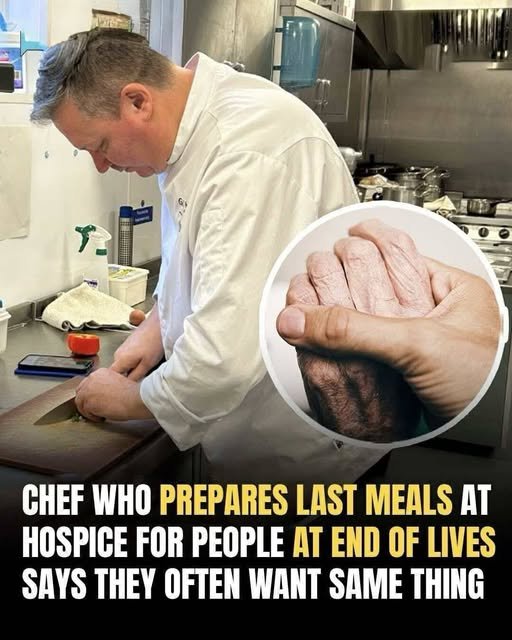
    The viral graphic features a chef preparing food alongside an inset photo of hands holding, framed around the sentiment that hospice patients frequently request the exact same comfort foods in their final days. In end-of-life care, healthcare professionals and hospice chefs routinely observe that patients gravitate toward simple, nostalgically significant foods—most notably ice cream, warm soups, milkshakes, and childhood traditional dishes.

    Emotional and Physiological Factors in Hospice Nutrition

    • Emotional and Sensory Connection: Near the end of life, food serves an emotional rather than nutritional purpose. Childhood staple foods provide psychological comfort, evoking warm memories of family, safety, and home when sensory pleasures become limited.
    • Ease of Consumption and Swallowing: As bodily systems slow down, swallowing becomes increasingly difficult (dysphagia). Soft, smooth, and easily palatable foods like ice cream, custards, or pureed soups require minimal chewing effort and offer a soothing sensation for dry mouths.
    • Loss of Appetite: Palliative patients typically experience a natural decline in appetite. When they do express a desire to eat, it is rarely for heavy, complex meals, but rather for small tastes or sweet flavors that are easy to process.

    Fear-Based Emotion and Curiosity Engagement Tactics

    Infographics featuring poignant themes of mortality alongside headlines like “CHEF WHO PREPARES LAST MEALS… SAYS THEY OFTEN WANT SAME THING” are common examples of emotional curiosity-gap clickbait.

    Content creators leverage sensitive human experiences to drive online metrics:

    1. Withholding the Core Answer: By leaving the specific requested food unnamed in the image headline, the post forces readers to click through to external links or scroll through comments to satisfy their curiosity.
    2. Manipulating Emotional Triggers: Using poignant imagery—such as an elderly hand being held—triggers empathy, leading users to share, like, and save the post at significantly higher rates.
    3. Driving Comment Section Traffic: Readers often flood the comments sharing personal stories about the final requests of loved ones, artificially inflating post engagement to boost visibility on social media feeds.

    While hospice nutrition focuses on dignified comfort and personal preference, emotional clickbait formats exploit these tender medical realities purely to farm user views and drive monetization traffic.

  • Historical Etymology: The Origins of the “WC” Restroom Sign

    Historical Etymology: The Origins of the “WC” Restroom Sign

    The initialism WC featured on public restroom signage stands for Water Closet, a term originating in 19th-century Britain to describe an indoor room equipped with a flushable toilet connected to a running water and drainage system.

    Etymological and Social History

    • Victorian Euphemism: In 19th-century Britain, polite social etiquette discouraged explicit references to bodily functions or the word “toilet.” The phrase “water closet” was adopted as a respectable euphemism to refer to modern indoor plumbing facilities.
    • Architectural Evolution: As indoor plumbing was integrated into existing homes, small storage spaces, linen closets, or under-stair nooks were converted to house the flush toilet, creating a literal “closet” outfitted with “water.”
    • Global Standardization: During the 20th century, as international travel and tourism expanded, “WC” was adopted across Europe and beyond as a neutral, easily recognizable abbreviation for public sanitation facilities that avoided regional linguistic confusion.

    Social Media Context and Engagement Farming

    Graphics displaying common signage alongside dramatic claims like “Most people still don’t know what the acronym ‘WC’ stands for” are textbook examples of curiosity-driven clickbait.

    Content creators utilize these everyday mysteries to manipulate platform metrics:

    1. The Curiosity Gap: Stating that a widely seen, everyday symbol is a secret prompts users to stop scrolling and search for the explanation.
    2. Comment Section Manipulation: Exaggerating how few people know the answer encourages thousands of viewers to comment with the correct definition or debate regional terminology, inflating engagement.
    3. External Link Routing: Prompts like “See full story in the first comment” lure users into comment sections to click links leading to ad-monetized blogs, content aggregation hubs, or affiliate sites.

    While full usage of the term “water closet” has largely faded from everyday modern vocabulary, the abbreviation remains a standard architectural designation and internationally recognized symbol for restrooms worldwide.

  • Biological Identification: The Crown of a Sea Anemone

    Biological Identification: The Crown of a Sea Anemone

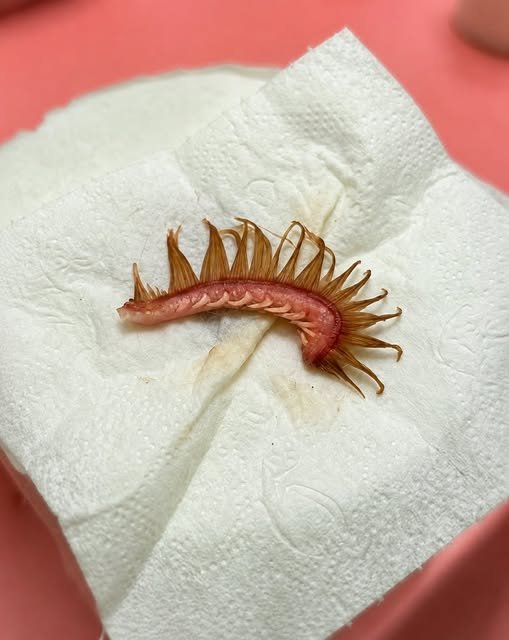
    The bizarre, creature-like object shown resting on a paper towel is the severed oral disc and tentacles—commonly referred to as the crown—of a sea anemone (order Actiniaria).

    Biological Origin and Mechanics

    • Anatomy: The central pinkish ring with uniform internal ridges represents the mouth/pharynx area, while the radiating brownish strands are the tentacles used by anemones to catch prey.
    • Detachment: Sea anemones are marine invertebrates related to jellyfish and corals. When a washed-up anemone dies or is scavenged by birds or marine life along a shoreline, the delicate tissue of the outer tentacle crown easily detaches from the main muscular foot or body column.
    • Coastal Scavenging: If a dog is walking along a beach or coastal area, it can easily brush against or step on exposed marine debris, allowing the sticky or fibrous tissue of the detached crown to cling to its fur.

    Social Media Context and Engagement Farming

    Viral posts featuring unusual marine fragments paired with anxious, domestic stories—such as “My girlfriend came home after a walk with the dog… Attached to the dog’s fur…”—are textbook examples of social media engagement farming.

    Content creators frame alien-looking biological specimens within familiar domestic scenarios to manipulate audience behavior:

    1. Evoke Shock and Curiosity: The organism’s strange, centipede-like appearance triggers a visceral reaction, compelling users to stop scrolling, zoom in, and inspect the photo.
    2. Drive High Comment Activity: Posing open-ended identification questions generates thousands of comments ranging from humorous guesses about alien life to genuine scientific corrections, which signals social algorithms to amplify the post’s reach.
    3. Monetization Traffic: Captions often point toward comment section links leading to external clickbait articles, ad-supported blogs, or viral content storefronts.

    While the detached crown looks like a mysterious terrestrial pest or parasite, it is simply harmless, washed-up ocean fauna.

  • Pest Control Realities: How to Identify and Eradicate Bedbugs

    Pest Control Realities: How to Identify and Eradicate Bedbugs

    Bedbugs (Cimex lectularius) are small, wingless insects that feed on human blood. Managing an infestation requires immediate recognition of visual signs and an evidence-based approach to pest control.

    Key Identification Signs

    • Physical Appearance: Adult bedbugs are flat, oval-shaped, mahogany-red, and about the size of an apple seed. After feeding, their bodies swell and turn a darker red.
    • Mattress and Furniture Stains: Infestations leave rusty or dark spots of bedbug excrement along mattress seams, bed frames, box springs, and baseboards.
    • Bite Patterns: Bedbug bites typically appear as itchy, red, raised welts, often lined up in small clusters or straight lines on exposed skin during sleep.

    Proven Eradication Methods

    1. High-Heat Treatment: Wash all bedding, clothing, and curtains in hot water and dry them on high heat for at least 30 minutes to kill all life stages (eggs, nymphs, and adults).
    2. Thorough Vacuuming: Vacuum mattresses, box springs, bed frames, and carpets thoroughly. Immediately seal and discard the vacuum bag in an outdoor trash bin.
    3. Steam Cleaning: Apply high-temperature steam along mattress seams, upholstered furniture, and carpet edges where bugs and eggs hide.
    4. Professional Pest Control: Extensive infestations often require integrated pest management (IPM) involving specialized insecticides, heat chambers, or professional extermination services.

    Home Remedies vs. Social Media Myths

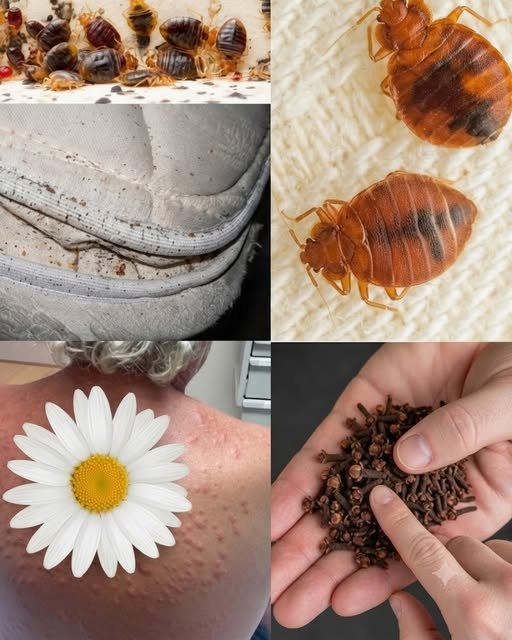
    The collage shows home items like whole cloves and flowers alongside bedbug images. While essential oils (such as clove or lavender) are often promoted online as natural repellents, they do not eliminate an active infestation. Clove oil contains eugenol, which may kill individual bugs on direct contact, but it lacks residual efficacy and will not reach eggs or hidden harbourages inside walls and mattresses.

    Social media posts combining sensationalized insect photos with DIY natural remedies frequently serve as engagement farming, encouraging users to comment, save, or click external links to monetization sites rather than offering effective pest management solutions.

  • Electrical Safety: High-Risk Kitchen Appliances and Fire Prevention Clickbait

    Electrical Safety: High-Risk Kitchen Appliances and Fire Prevention Clickbait

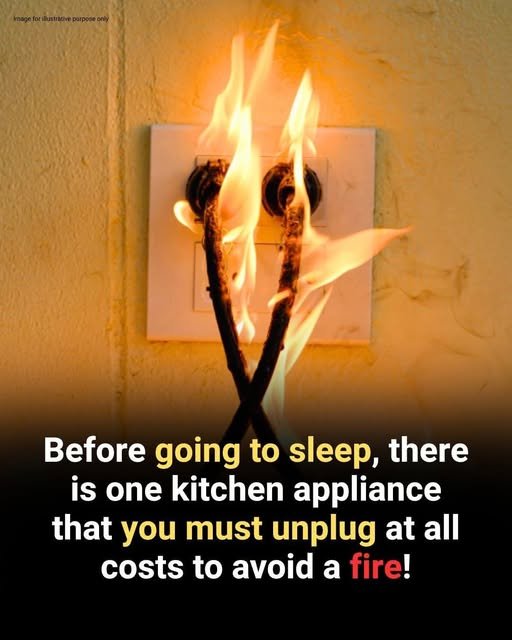
    The image showcases a burning wall outlet and electrical cords paired with an urgent warning about unplugging a specific kitchen appliance before going to sleep. Fire safety experts frequently highlight countertop appliances—most notably toasters, toaster ovens, air fryers, and electric kettles—as major culprits for electrical fires when left unattended or continuously plugged in.

    High-Risk Kitchen Appliances and Fire Hazards

    • Toasters and Toaster Ovens: Crumb accumulation in the base tray, combined with heating elements that can accidentally switch on due to a faulty mechanical lever or internal short, makes toasters a top domestic fire hazard.
    • High-Wattage Countertop Cookers: Air fryers, microwaves, and instant pots draw significant electrical currents. Damaged wiring, loose outlet connections, or overheating internal components can cause thermal buildup and ignite nearby flammable items.
    • Coffee Makers and Electric Kettles: Automatic heating plates and thermal elements can overheat if an appliance malfunctions, runs out of liquid, or experiences a power surge while the household is asleep.

    Fear-Based Clickbait and Engagement Farming

    Viral graphics warning viewers that they “must unplug at all costs to avoid a fire” without naming the actual appliance rely on fear-inducing clickbait designed to maximize online engagement.

    Content creators leverage household safety anxieties to manipulate social media algorithms:

    1. Withholding Key Details for Clicks: Omitting the specific appliance name forces concerned viewers to click on the post, open the comment section, or search external pages for the answer.
    2. Driving Comment Section Activity: Viewers frequently argue in the comments about which appliance is the most dangerous or debate electrical safety standards, generating high engagement metrics that boost the post’s viral reach.
    3. Monetized External Traffic: Prompts linked to these posts often redirect users to ad-heavy websites, click-farm articles, or promotional affiliate pages selling surge protectors and fire safety equipment.

    Practicing routine electrical safety—such as inspecting power cords for fraying, keeping appliance surfaces free of grease and crumbs, avoiding outlet overloading, and unplugging heating appliances when not in use—provides effective protection against household electrical fires.