Blog

  • Hospitality Standards: The Purpose of Hotel Bed Runners

    Hospitality Standards: The Purpose of Hotel Bed Runners

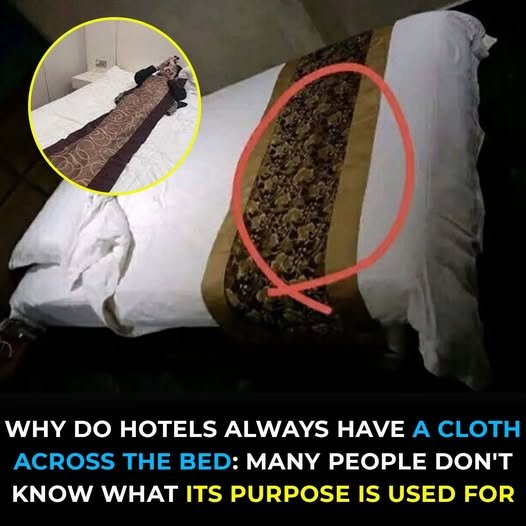
    The viral graphic features a hotel bed with a decorative fabric strip stretched across the foot of the mattress, alongside an inset photo showing a person humorously lying underneath it like a blanket. The text poses an urgent, mystery-style question: “WHY DO HOTELS ALWAYS HAVE A CLOTH ACROSS THE BED: MANY PEOPLE DON’T KNOW WHAT ITS PURPOSE IS USED FOR”. Known in the hospitality industry as a bed runner (or bed scarf), this decorative piece serves practical, hygienic, and aesthetic functions.

    Practical Functions of a Bed Runner

    • Protecting Bedding from Footwear and Luggage: Guests frequently sit on the edge of the bed with shoes on or place heavy suitcases and bags on top of the mattress while unpacking. Bed runners act as a durable barrier, protecting the crisp white bedsheets from dirt, scuffs, and outdoor contaminants.
    • Hygiene and Laundering Efficiency: White duvets and sheets require frequent high-temperature washing and bleaching, which causes significant wear and tear. A bed runner reduces direct contact on the foot of the bed, protecting the main bedding and allowing housekeeping to wash darker or patterned accent runners on a separate schedule.
    • Aesthetic and Interior Design: Hotels often use plain white linens to signify cleanliness to guests. Adding a patterned or textured bed runner introduces color, contrast, and visual interest to the room, giving the bed a polished, high-end appearance.

    Artificial Mystery and Engagement Farming

    Graphics asking open-ended questions about ordinary hotel features represent standard curiosity-gap engagement farming.

    Content creators use these formats to drive platform metrics:

    1. Staging Absurd Misuse: The inset photo showing a person wrapped in the narrow cloth like a body scarf relies on visual comedy and absurdity to make users stop scrolling.
    2. Manufacturing a “Hidden Purpose”: Framing a common household or hotel object as a mysterious secret (“MANY PEOPLE DON’T KNOW…”) triggers curiosity, encouraging users to click or read through comments to find an answer.
    3. Comment Section Traps: Simple, relatable travel topics prompt hundreds of users to leave humorous comments, debate hotel cleanliness, or share personal travel stories, generating high interaction volume that boosts the post’s algorithmic distribution.

    While social media posts often frame bed runners as mysterious or mis understood items, they are simply practical protective accents designed to keep hotel bed linens clean and damage-free.

  • Synthetic Media Analysis: AI-Generated Childhood Photos of Public Figures

    Synthetic Media Analysis: AI-Generated Childhood Photos of Public Figures

    The image features a studio portrait of a blonde young boy with facial features clearly stylized to resemble former U.S. President Donald Trump, accompanied by the dramatic caption: “The little boy in this photo is now the most famous man on Earth”. Despite its convincing vintage appearance, this is an AI-generated synthetic image rather than an authentic historical photograph.

    Historical Reality vs. AI Generation

    • Authentic Childhood Photos: Authentic, historical childhood photographs of Donald Trump from the 1950s show him with natural, age-appropriate facial features, standard hair styling of the era, and distinct clothing that differs significantly from this digital render.
    • AI Artifacts and Facial Blend: This image is a digitally synthesized “de-aged” render created using modern generative AI tools. The software overlays adult facial structure, hair color, and expression traits directly onto a child’s silhouette, creating an uncanny likeness designed to instantly signal a famous identity to viewers.
    • Proliferation of Synthetic History: Generative AI tools are frequently used to fabricate “rare historic photos” or “unseen childhood portraits” of celebrities, world leaders, and historical icons to pass them off as real archival discoveries.

    The Curiosity Gap and Engagement Farming

    Posts featuring fabricated historic portraits paired with grand, mystery-driven headlines are classic examples of visual engagement farming.

    Content creators utilize these synthetic images to boost platform performance:

    1. The “Mystery Identity” Hook: Pretending that a recognizable face is a “mystery” or sensational breakthrough prompts users to pause, inspect the facial features, and verify their immediate guess.
    2. Comment Section Inflation: Users naturally flood the comments section to type the person’s name (“Donald Trump”), argue about whether the photo is real or AI, or express surprise, generating massive comment volume that signals the algorithm to boost the post’s organic distribution.
    3. Monetization Traffic: These viral image pages frequently pin outbound links in the comments leading to ad-heavy websites, clickbait lists, or sponsored content hubs.

    While AI tools make it easy to generate hyper-realistic “vintage” portraits, verifying unexpected celebrity photos against archival press records prevents synthetic media from being mistaken for real history.

  • Electrical Safety: The Real Risks of Power Strip Overloading

    Electrical Safety: The Real Risks of Power Strip Overloading

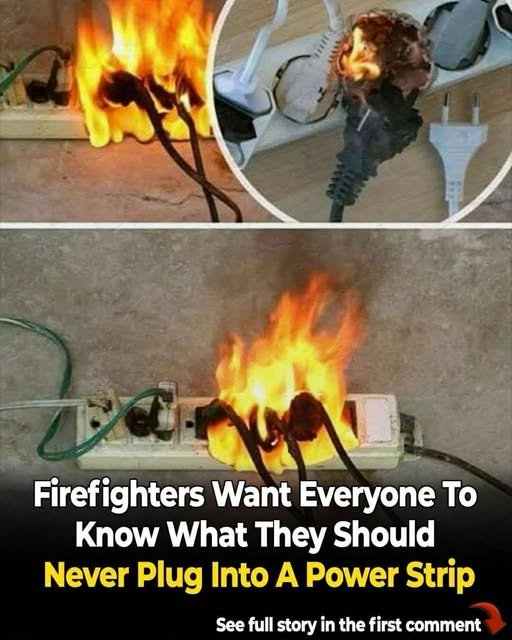
    The viral image displays burning surge protectors and melted electrical plugs alongside dramatic text urging viewers to learn what they should “NEVER Plug Into A Power Strip”. Unlike pure internet myths, this warning is grounded in legitimate fire safety standards, though the imagery leans on sensational visual triggers to drive social media clicks.

    Fire Safety Principles and High-Draw Appliances

    • High-Wattage Appliances: Fire departments consistently warn against plugging high-power appliances into basic power strips or extension cords. Devices with heating elements or heavy compressors—such as space heaters, microwaves, micro-fridges, toaster ovens, hair dryers, and air conditioners—draw continuous, heavy electrical current.
    • Overheating and Electrical Fires: Standard power strips are designed for low-wattage electronics like laptops, phone chargers, and lamps. Connecting high-draw appliances causes electrical resistance inside the strip’s internal wiring to soar, melting the plastic housing and sparking electrical fires before a breaker can trip.
    • Daisy-Chaining Danger: Plugging one power strip into another (known as “daisy-chaining”) multiplies electrical load across a single wall outlet, severely exceeding safe circuit limits and creating a major fire hazard.

    Fear-Based Safety Clickbait Tactics

    While electrical safety advice is crucial, the sensational presentation is designed for engagement farming:

    1. Shock Imagery: Using dramatic photos of active fires and charred plugs triggers immediate fear, forcing users to pause their scroll.
    2. Withholding Critical Answers: The image text avoids listing the specific appliances, forcing readers to open the comments or click external links (“See full story in the first comment”) to get basic safety information.
    3. Monetization Routing: Prompts linking to comment sections almost always direct users to ad-heavy websites or affiliate pages rather than direct fire department safety guidelines.

    To prevent electrical fires, always plug high-wattage appliances directly into dedicated wall outlets and ensure your power strips carry certified safety testing labels (such as UL or ETL).

  • Superstition and Media Analysis: Grief Clickbait and Superstitious Warnings

    Superstition and Media Analysis: Grief Clickbait and Superstitious Warnings

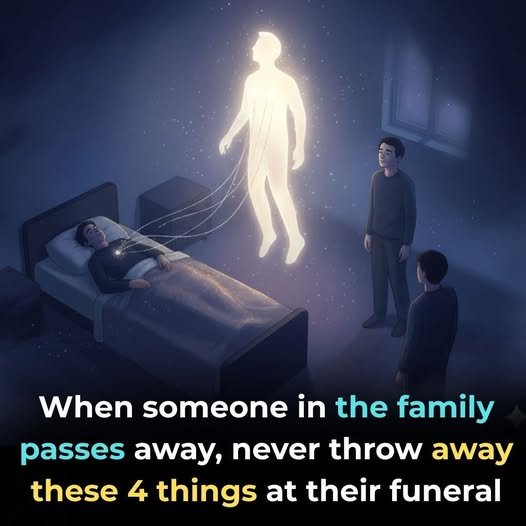
    The image features digital artwork depicting a glowing spirit rising from a deceased person’s body while mourners watch, accompanied by the sensational title: “When someone in the family passes away, never throw away these 4 things at their funeral”. This post represents a widespread genre of social media “grief clickbait” that leverages mourning, afterlife imagery, and urban superstitions to exploit viewers’ emotions for online engagement.

    Superstitious Claims vs. Practical Estate Considerations

    • Folklore & Superstition: Posts with these themes typically invent arbitrary rules rooted in local folklore or spiritual taboos—such as claiming that discarding personal items, clothing, or floral arrangements brings bad luck, offends spirits, or attracts negative energy.
    • Practical Legal & Financial Documents: In reality, the only items that must be carefully preserved immediately following a loved one’s passing are administrative, legal, and estate documents—not for spiritual reasons, but for practical and legal compliance:
      1. Legal Identification & Vital Records: Original birth certificates, marriage certificates, military discharge papers, and official death certificates.
      2. Financial Records: Bank account statements, tax documents, stock certificates, loan agreements, and real estate deeds.
      3. Estate Documents: Last will and testament, trust paperwork, life insurance policies, and power of attorney records.
      4. Sentimental Keepsakes: Family heirlooms, photo albums, and personal journals that hold emotional value for surviving relatives.

    Grief-Based Clickbait and Engagement Tactics

    Social media posts combining supernatural artwork with mysterious rules rely on emotional vulnerability to drive platform distribution.

    Content creators utilize these tactics to maximize reach:

    1. Exploiting Emotional Vulnerability: Grief and loss are deeply personal experiences. Suggesting that a family member’s funeral could go wrong due to a simple mistake triggers anxiety and instills a desire to avoid “bad luck”.
    2. Artificial Curiosity Gap: Withholding the “4 things” in the image forces users to click external links, view ad-heavy slide shows, or search through comments to find the missing details.
    3. Comment Section Manipulation: Viewers frequently comment to share personal mourning experiences, debate spiritual customs, or ask for clarification, generating high interaction volume that prompts social algorithms to amplify the post’s reach.

    Managing a deceased loved one’s belongings requires careful administrative planning and sensitivity to personal family memory, rather than following superstitious rules driven by social media clickbait.

  • Herpetological Reality: Snakes in Domestic Spaces and Pest Ecology

    Herpetological Reality: Snakes in Domestic Spaces and Pest Ecology

    The image shows a slender, non-venomous colubrid snake (such as a rat snake or house snake) slithering across a tiled indoor doorway, accompanied by an unfinished warning: “When this snake enters your house, it means you have…”. In pest ecology, the presence of a snake indoors is rarely a sign of supernatural omens or immediate danger, but rather a direct indicator that the home offers a steady source of prey—most notably rodents or small insects.

    Ecological Reasons Snakes Enter Homes

    • Rodent or Pest Infestation: Non-venomous rodent-eating snakes actively track the scent trails of mice, rats, and lizards. If a snake enters a home, it is almost always hunting an active infestation of small pests living in walls, attics, or crawlspaces.
    • Seeking Shelter and Water: Extreme weather conditions—such as severe heatwaves, droughts, or heavy rainfall—drive snakes indoors looking for cool, shaded shelter or moisture sources near plumbing fixtures.
    • Unsealed Entry Points: Snakes can slip through remarkably tiny gaps under exterior doors, unsealed utility pipe penetrations, open garage doors, or damaged foundation vents.

    Fear-Based Superstition and Engagement Farming

    Graphics displaying snakes inside domestic spaces paired with incomplete statements rely on sensationalized fear and superstition to drive online engagement.

    Content creators utilize these tactics to manipulate social media algorithms:

    1. Curiosity Gap Prompts: Leaving the sentence unfinished (“it means you have…”) tricks viewers into clicking the post or searching through comments to find out what “hidden hazard” or “curse” is allegedly being implied.
    2. Exploiting Ophidiophobia: Snakes trigger strong, innate fear responses (ophidiophobia) in many viewers, ensuring high scroll-stopping potential as people stop to inspect the image.
    3. Comment Section Activity: Viewers frequently flood the comments with local folklore, pest horror stories, or guesses about the snake species, generating high interaction metrics that boost the post’s viral reach.

    If a non-venomous snake enters a home, safely guiding it outside or contacting local animal control, alongside sealing entry points and addressing potential rodent activity, resolves the issue effectively.

  • Entomological Identification: Fly Puparia vs. Bedbug Myth

    Entomological Identification: Fly Puparia vs. Bedbug Myth

    The small, reddish-brown, capsule-like objects shown in the palm are fly puparia (most commonly from houseflies or blowflies). Despite frequent online posts misidentifying these or linking them to severe pest outbreaks, these rigid, smooth capsules represent a standard non-feeding stage of a fly’s life cycle rather than bedbug eggs or parasites.

    Biological Nature and Mechanics

    • Pupal Stage: After a fly maggot finishes feeding, its outer larval skin hardens, darkens, and forms a protective, smooth shell called a puparium. Inside this casing, the insect metamorphoses into an adult fly.
    • Distinction from Bedbugs: Bedbug eggs are significantly smaller (around 1 mm), pearly-white, soft, and translucent. Adult bedbugs are flat, oval, and have visible body segments and legs, whereas fly puparia are completely smooth, legless, cylinder-shaped, and dark reddish-brown.
    • How They End Up on Beds: Fly larvae often migrate away from their breeding site (such as trash, pet food, or decaying organic material) to find a dark, dry, quiet spot to pupate. They can easily crawl into laundry, baseboards, or under bedding before forming their casings.

    Social Media Context and Engagement Farming

    Images of mystery insect casings found in domestic spaces are frequently weaponized on social platforms to exploit household pest anxieties and trigger disgust.

    Content creators leverage these household finds to drive algorithmic reach:

    1. Parasite Panic: Framing common, harmless environmental debris or fly pupae as mysterious bedbug eggs or invasive parasites creates instant anxiety, causing users to stop scrolling.
    2. Open-Ended Engagement: Captioning the image with panicky questions (“I found this on my bed… what is it?”) prompts hundreds of users to comment with guesses, personal pest infestation stories, or incorrect diagnoses.
    3. Monetization Links: Comment sections attached to these viral posts often feature pinned links directing concerned users to ad-heavy blogs or affiliate pages selling unnecessary pest control products.

    Finding a few fly puparia simply calls for inspecting nearby trash bins or laundry hampers for decaying organic matter rather than panicking about a bedbug infestation.

  • Dermatological Reality: Fordyce Spots vs. Sensational Health Claims

    Dermatological Reality: Fordyce Spots vs. Sensational Health Claims

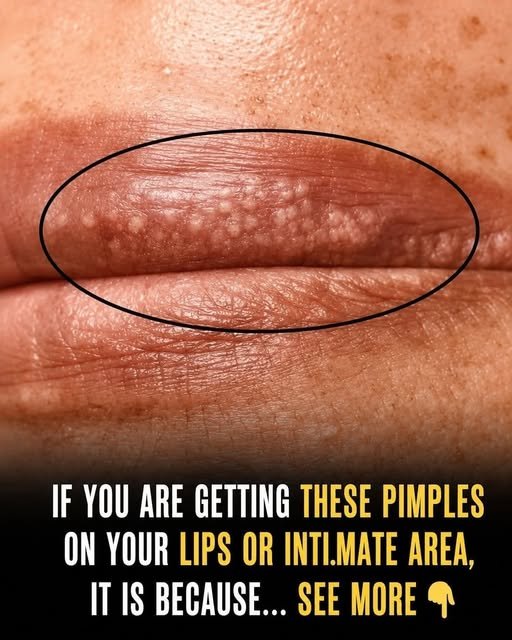
    The close-up image depicts tiny, raised, yellowish-white bumps clustered along the vermilion border of the lip, accompanied by an urgent caption warning viewers not to ignore these signs on their lips or intimate areas. Far from being a dangerous infection or severe medical condition, these lesions are Fordyce spots—a benign, non-contagious anatomical variant found in up to 80% of the adult population.

    Clinical Identification and Etiology

    • Anatomical Nature: Fordyce spots are enlarged, ectopic sebaceous (oil) glands without associated hair follicles. While sebaceous glands are typically attached to hair follicles, Fordyce spots occur visibly on hairless mucosal surfaces such as the lips, inner cheeks, and genital regions.
    • Harmless Characteristics: These spots are completely painless, non-infectious, and do not pose any health risk. They are not sexually transmitted infections (STIs), nor are they a form of herpes or skin cancer.
    • Physiological Onset: While present from birth, Fordyce spots often become significantly more prominent around puberty due to hormonal changes that stimulate gland enlargement.
    • Management: Because Fordyce spots are a normal anatomical feature rather than a disease, medical treatment is generally unnecessary. Attempting to squeeze or pop them can lead to localized irritation, skin damage, or secondary bacterial infection.

    Fear-Based Health Clickbait Tactics

    Social media graphics framing common, benign physical traits as urgent medical threats rely on health anxiety to drive viewer interaction.

    Content creators leverage these tactics to manipulate algorithmic distribution:

    1. Exploiting Medical Anxiety: Suggesting that a common, visible skin feature on the lips or genital area is a warning sign triggers immediate panic, causing users to closely inspect their own skin.
    2. Artificial Cliffhangers: Incomplete sentences like “IF YOU ARE GETTING THESE PIMPLES… IT IS BECAUSE… SEE MORE” deliberately withhold the explanation, forcing users to click external links or search the comment section.
    3. Comment Section Engagement: High-stress medical claims encourage users to comment with personal concerns, tag partners, or ask for diagnoses, generating massive comment volume that artificially boosts the post’s visibility across social feeds.

    While changes in skin texture, painful sores, or spreading rashes should always be evaluated by a medical professional, harmless white bumps on the lips like Fordyce spots require no concern or treatment.

  • Celebrity Gossip Clickbait: Fabricated Quotes and AI/Manipulated Imagery

    Celebrity Gossip Clickbait: Fabricated Quotes and AI/Manipulated Imagery

    The viral image features side-by-side portraits of actor Brad Pitt and his daughter, Shiloh Jolie-Pitt, accompanied by an sensational headline claiming, “Brad Pitt’s daughter has broken her silence: ‘My dad used to…’”. This post relies on fabricated celebrity quotes, out-of-context imagery, and synthetic narrative templates designed to exploit public interest in high-profile Hollywood family dynamics.

    Celebrity Framing vs. Fact-Checking

    • Fabricated Quotes: Neither Shiloh Jolie-Pitt nor any of Brad Pitt’s other children have issued a public interview containing quotes that match the dramatic teaser text. The quote is entirely invented to create a false sense of controversy.
    • Misleading Context: While high-profile legal proceedings surrounding the Jolie-Pitt family dynamics have been widely reported by mainstream news outlets, celebrity clickbait pages invent sensational quotes to manufacture emotional drama beyond established public facts.
    • Reused Imagery: The images used in the graphic are standard red-carpet photography and press headshots cropped together to imply an intimate, interview-style revelation.

    Exploitative Storytelling and Engagement Farming

    Posts containing truncated headlines paired with high-profile celebrity faces represent classic engagement farming designed to drive user traffic.

    Content creators utilize these tactics to manipulate algorithmic reach:

    1. The Incomplete Sentence Hook: By cutting off the headline mid-sentence (“‘My dad used to…’”), the post creates a artificial curiosity gap, prompting users to click external links or scroll through the comments to find the missing text.
    2. Parasocial Exploitation: Leveraging public curiosity about famous families triggers high emotional engagement, leading users to share, argue, or express sympathy in the comments.
    3. Monetized Outbound Traffic: The links associated with these posts almost exclusively lead to ad-heavy content farms, endless slideshows, or monetization sites that never fulfill the headline’s promise.

    When encountering dramatic headlines about public figures that use incomplete quotes or sensational claims, checking verified news outlets directly avoids falling for clickbait engagement traps.

  • Public Restroom Safety: Understanding the “Red Spots on Toilet Paper” Claim

    Public Restroom Safety: Understanding the “Red Spots on Toilet Paper” Claim

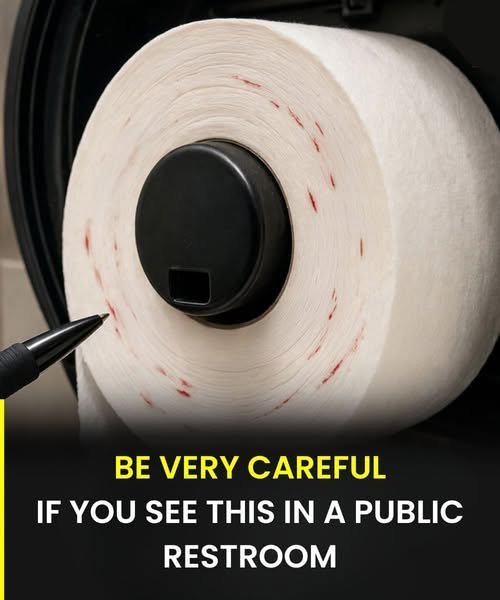
    The viral graphic shows a roll of public restroom toilet paper marked with tiny red specks, accompanied by an urgent warning advising people to be extremely cautious. This image represents a widely circulated internet warning that mixes a rare real-world behavior with sensationalized public health panic.

    The Claim: Harm Reduction vs. Contamination Myths

    • The Urban Myth Origins: Social media posts frequently claim that red or brown specks on toilet paper rolls are blood left behind by intravenous drug users wiping dirty needles to clean them before reuse.
    • Real-World Rarity: While some harm-reduction and public health advocates note that needle-wiping on paper rolls can occasionally happen in areas with high rates of public drug use, it is an extremely rare occurrence rather than a widespread public restroom hazard.
    • Medical Risk Profile: Viruses like HIV decay rapidly once exposed to air and dried on porous surfaces. While Hepatitis B and C survive longer in blood, transmission still requires significant blood-to-blood or direct mucous membrane exposure, making contractible infection from brief contact with dry, spotted paper biologically unlikely.
    • Common Alternative Causes: In most cases, red or pink markings on public toilet paper come from ordinary factors—such as ink transfer from paper roll manufacturing, dispenser rust, dye bleeding, or someone with a bleeding finger or menstrual blood touching the roll.

    Fear-Based Health Clickbait Tactics

    Graphics framed with vague, alarming text like “BE VERY CAREFUL IF YOU SEE THIS IN A PUBLIC RESTROOM” are textbook examples of fear-driven engagement farming.

    Content creators use these sensational formats to maximize platform performance:

    1. The Fear and Disgust Trigger: Depicting blood or bodily fluids on everyday hygiene items evokes immediate disgust and concern, forcing users to stop scrolling.
    2. Artificial Mystery (The Clickbait Hook): Withholding the explanation in the image text (“if you ever go into a public restroom and see this…”) forces users to click the post, view advertisements, or open the comment section.
    3. Comment Section Amplification: Alarmist warnings encourage thousands of users to tag friends, recount personal stories, or debate safety, generating massive comment engagement that tricks platform algorithms into promoting the post.

    Recommended Hygiene Practice

    If you ever encounter a toilet paper roll in a public restroom with visible discoloration, blood, or damage, simply avoid using that specific roll and inform facility management. However, there is no need to panic—the actual risk of contracting a disease from dried marks on paper remains extraordinarily low.

  • Anatomical Reality: Sleep Position and Acid Reflux

    Anatomical Reality: Sleep Position and Acid Reflux

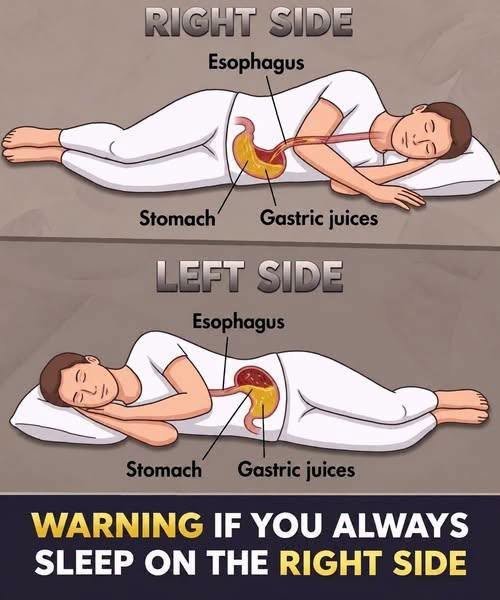
    The graphic illustrates the anatomical position of the stomach relative to the esophagus when sleeping on the right versus left side, accompanied by an ominous banner warning: “WARNING IF YOU ALWAYS SLEEP ON THE RIGHT SIDE”. Unlike many health-related memes, the core digestive mechanic depicted here is grounded in real medical physiology.

    The Science: Left Side vs. Right Side Sleeping

    • Stomach Anatomy & Acid Reflux: The human stomach sits on the left side of the abdomen. When sleeping on the left side, the gastroesophageal junction stays above the level of gastric acid, allowing gravity to keep stomach juices contained.
    • The Problem with Right-Side Sleeping: Sleeping on the right side positions the stomach above the esophageal sphincter. Gravity can cause gastric acid to pool against the lower esophageal sphincter, increasing the likelihood of acid leaking upward, which triggers heartburn or Gastroesophageal Reflux Disease (GERD) symptoms.
    • Pregnancy Considerations: Left-side sleeping is also frequently recommended during pregnancy because it keeps the uterus from placing pressure on the inferior vena cava, enhancing blood flow to the heart and fetus.

    Sensational Formatting and Clickbait Tactics

    While the underlying digestive anatomy is accurate, graphics framed with high-contrast text and urgent warnings exploit health anxiety to maximize audience interactions.

    1. Alarmist Framing: Using words like “WARNING” in bold yellow lettering turns a standard lifestyle tip into an artificially urgent medical crisis.
    2. Engagement Farming: Incomplete titles or broad claims prompt users to comment with their own sleeping habits, driving comment counts that boost algorithmic visibility across feeds.
    3. Oversimplification: While left-side sleeping helps with GERD, sleeping on the right side is not inherently dangerous for healthy individuals without acid reflux.