Blog

  • Option 2 (the “over” orientation) is considered the correct way to hang toilet paper based on historical evidence, hygiene research, and user convenience.

    Option 2 (the “over” orientation) is considered the correct way to hang toilet paper based on historical evidence, hygiene research, and user convenience.

    The Evidence: Patent & Hygiene
    1. The Original 1891 Patent: Seth Wheeler, the inventor who patented perforated toilet paper rolls in 1891, included detailed diagrams showing the paper hanging over the roll (Option 2), proving this was the intended design from its inception.
    2. Hygiene & Germ Prevention: With the “over” orientation, your fingers only touch the sheet you intend to tear off. In the “under” position (Option 1), fingers are far more likely to brush against the wall, transferring bacteria to or from the wall surface.
    3. Ease of Use: Hanging the loose end over the front makes it easier to locate, grab, and tear off cleanly without searching behind the roll.

    The One Exception (Under / Option 1)

    The “under” position is usually only preferred by households with cats or toddlers, as spinning the roll top-down unwinds the paper if hung “over,” whereas the “under” position prevents it from unrolling onto the floor.

    Engagement-Farming Design

    While the debate is lighthearted, posts like this use classic clickbait tropes:

    • The Curiosity Hook: Adding “The Answer Might Surprise You” creates an artificial curiosity gap to encourage clicks.
    • Comment Debates: Because people hold strong opinions on everyday household habits, two-choice image polls generate massive comment activity, boosting the post across social media algorithms.
  • Medical Reality: The Real Benefits of Flaxseeds vs. “Miracle Cure” Claims

    Medical Reality: The Real Benefits of Flaxseeds vs. “Miracle Cure” Claims

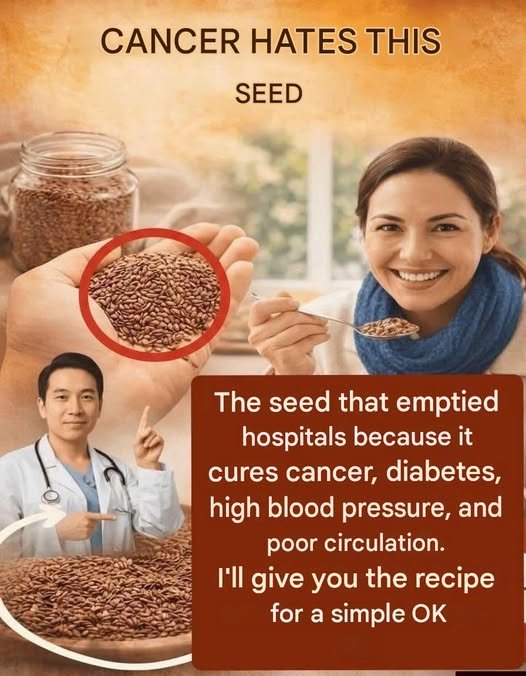
    The graphic shows a jar and handful of flaxseeds alongside headlines claiming: “CANCER HATES THIS SEED” and “The seed that emptied hospitals because it cures cancer, diabetes, high blood pressure, and poor circulation.”

    While flaxseeds (Linum usitatissimum) are a nutritious addition to a healthy diet, claims that they “cure” severe diseases like cancer or diabetes or “empty hospitals” are false and represent dangerous medical misinformation.

    Nutritional Profile and Scientifically Backed Benefits

    Flaxseeds contain key nutrients that support general cardiovascular and digestive health:

    • Alpha-Linolenic Acid (ALA): A plant-based omega-3 fatty acid that supports heart health and helps reduce systemic inflammation.
    • Lignans: Flaxseeds are one of the richest dietary sources of lignans, which are natural phytoestrogens with antioxidant properties. Research suggests lignans may help lower the risk of certain hormone-related conditions, but they do not cure cancer.
    • Dietary Fiber: Rich in both soluble and insoluble fiber, flaxseeds aid digestion, promote gut health, and help manage blood sugar levels and cholesterol when eaten regularly as part of a balanced diet.

    Why Claims of a “Miracle Cure” Are False

    • No Food Cures Cancer: Cancer is a complex genetic and cellular disease. While eating healthy, fiber-rich foods like flaxseed can help lower general cancer risk over a lifetime, no single food can eradicate existing cancer cells or replace medical treatments like chemotherapy, surgery, or immunotherapy.
    • Diabetes and Blood Pressure Management: Flaxseed fiber can help slow sugar absorption and modestly support blood pressure management, but it cannot cure type 1 or type 2 diabetes or eliminate chronic hypertension.

    Deconstructing Social Media Health Clickbait

    Posts like this use a predictable pattern to exploit viewers and farm engagement:

    1. Exaggerated Claims: Using extreme words like “emptied hospitals” and “destroys the deadliest disease” relies on shock value to stop scrolling.
    2. Comment Baiting: Prompts like “I’ll give you the recipe for a simple OK” trick users into commenting, which boosts the post in social media algorithms.
    3. Monetization Hooks: Pinned comments or follow-up links usually direct users to ad-heavy websites, unverified supplement sales, or fraudulent e-books.

    Adding ground flaxseed to smoothies, oatmeal, or baking is a great way to boost fiber and healthy fats, but it should never replace proper medical care or prescribed treatments.

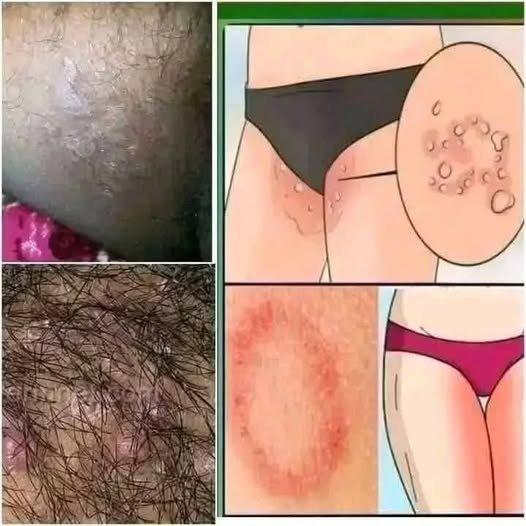
  • Medical Reality: Understanding Jock Itch (Tinea Cruris) and Fungal Skin Infections

    Medical Reality: Understanding Jock Itch (Tinea Cruris) and Fungal Skin Infections

    The graphic displays close-up photos of dry, scaly skin and red rash borders alongside medical illustrations showing a rash spreading along the groin and upper thigh area, paired with the vague, alarmist caption: “These are the first symptoms that it’s growing”.

    The images depict tinea cruris—commonly known as jock itch—a superficial fungal infection of the skin. While sensationalized posts use ominous phrasing to stir anxiety, fungal skin infections are common, non-life-threatening, and treatable.

    What Is Tinea Cruris (Jock Itch)?

    Tinea cruris is a superficial dermatophyte (fungal) infection affecting the warm, moist folds of the body, particularly the groin, inner thighs, and buttocks. It is caused by dermatophytes (most commonly Trichophyton rubrum), which feed on keratin in the top layer of skin.

    Typical Symptoms:

    • Raised, Ring-Like Border: A characteristic red or hyperpigmented rash with a sharp, slightly raised border that expands outward over time.
    • Scaling and Flaking: The central area of the rash may appear dry, scaly, or clear as the border expands.
    • Itching and Irritation: A persistent itching, burning, or chafing sensation in the affected skin folds.

    Causes and Risk Factors

    Fungi thrive in warm, humid environments. Factors that contribute to fungal growth include:

    • Excess sweat, moisture, or friction from tight clothing.
    • Prolonged wear of damp athletic gear or swimsuit attire.
    • Co-existing fungal infections elsewhere on the body, such as athlete’s foot (tinea pedis), which can spread to the groin via hands or towels.
    • Weakened immune system or conditions like diabetes.

    Prevention and Management

    • Keep the Area Clean and Dry: Thoroughly dry skin folds after showering or exercising before putting on clothing.
    • Use OTC Antifungals: Over-the-counter topical antifungal creams or powders (such as clotrimazole, miconazole, or terbinafine) are typically effective when applied consistently as directed.
    • Avoid Sharing Personal Items: Do not share towels, clothing, or athletic gear.
    • Wear Breathable Fabrics: Choose loose-fitting cotton or moisture-wicking underwear to minimize friction and heat buildup.

    Deconstructing Social Media Health Clickbait

    Sensational social media graphics frequently use vague captions (“These are the first symptoms…”) to trigger fear and drive clicks:

    1. Vague Threat Language: Leaving out the actual condition name forces users to read comments or click external links out of medical concern.
    2. Alarmist Imagery: Combining close-up skin photos with anatomical diagrams creates an impression of a severe or mystery illness.
    3. Engagement Farming: Unspecified medical claims generate comment debates where users guess diagnoses, boosting the post’s visibility across social algorithms.

    If a skin rash persists, spreads rapidly despite OTC treatment, or causes severe pain or signs of bacterial infection (pus, fever), consult a healthcare provider or dermatologist for an accurate diagnosis and prescription treatment.

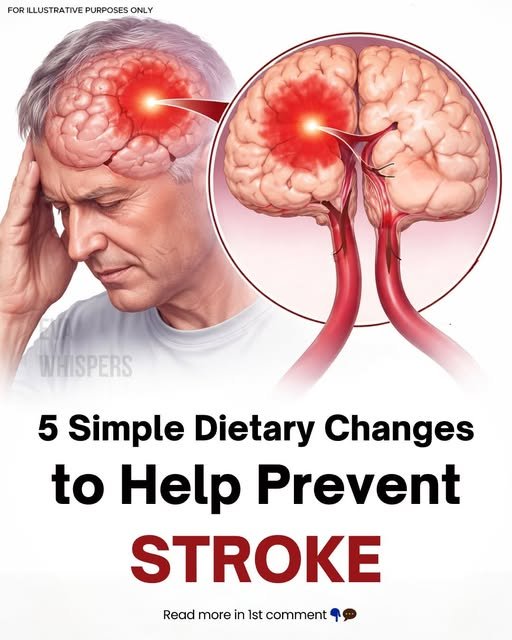
  • Medical Reality: Evidence-Based Dietary Prevention of Stroke

    Medical Reality: Evidence-Based Dietary Prevention of Stroke

    The graphic features a stock medical illustration of a man holding his head alongside a glowing diagram of cerebral blood vessels, topped with the headline: “5 Simple Dietary Changes to Help Prevent STROKE” and a call-to-action reading “Read more in 1st comment 👎💬”.

    Unlike many viral health posts that sell overnight “miracle cures,” dietary modifications do play a foundational, scientifically proven role in stroke prevention. However, social media graphics routinely withhold the actual medical advice to force users to engage with monetized link schemes.

    5 Evidence-Based Dietary Changes for Stroke Risk Reduction

    Major medical organizations (such as the American Heart Association and the American Stroke Association) emphasize that managing high blood pressure (hypertension), cholesterol, and vascular inflammation through diet drastically reduces ischemic and hemorrhagic stroke risk:

    1. Reduce Sodium (Salt) Intake: High sodium causes fluid retention and elevates blood pressure—the single leading manageable risk factor for stroke. Aiming for under 1,500 mg to 2,300 mg of sodium daily helps protect blood vessels from chronic arterial damage.
    2. Adopt a Mediterranean-Style or DASH Pattern: Prioritize high-fiber, nutrient-dense whole foods like leafy greens, berries, legumes, whole grains, and nuts. Fiber binds to dietary cholesterol, while antioxidants combat endothelial inflammation in brain blood vessels.
    3. Swap Saturated Fats for Healthy Unsaturated Fats: Replace butter, lard, and heavily processed meats with sources of healthy omega-3 and monounsaturated fatty acids (such as extra virgin olive oil, avocados, salmon, and walnuts) to improve lipid profiles and prevent plaque build-up (atherosclerosis).
    4. Eliminate Ultra-Processed Sugars & Trans Fats: High intake of added sugars and artificial trans fats contributes to insulin resistance, type 2 diabetes, and obesity—all of which significantly increase stroke probability by damaging small blood vessels over time.
    5. Increase Potassium-Rich Foods: Potassium helps the body excrete sodium and naturally relaxes blood vessel walls. Incorporating potassium-dense foods (like bananas, sweet potatoes, spinach, and white beans) helps maintain healthy blood pressure levels.

    Deconstructing the Link-Farming Funnel

    While the core topic (stroke prevention) is grounded in legitimate medicine, the design of this graphic relies on classic social media monetization tactics:

    1. Fear-Inducing Visual Anatomy: Placing bright “hotspots” on brain imagery exploits health anxiety around medical emergencies, compelling users to stop scrolling.
    2. Withholding Information (The “Comment Hook”): The image provides zero advice itself, using the prompt “Read more in 1st comment” to force users to open the comment section.
    3. Algorithmic Manipulation & Traffic Routing: Comment clicks and replies signal high user engagement to social media algorithms, boosting the post’s reach. The pinned comment almost always contains a tracking link directing users to ad-heavy blogs, sketchy supplement pages, or lead-generation websites rather than direct medical resources.

    Making sustainable improvements to your diet—alongside regular physical activity, monitoring blood pressure, and avoiding tobacco—is one of the most effective strategies for preventing cerebrovascular disease.

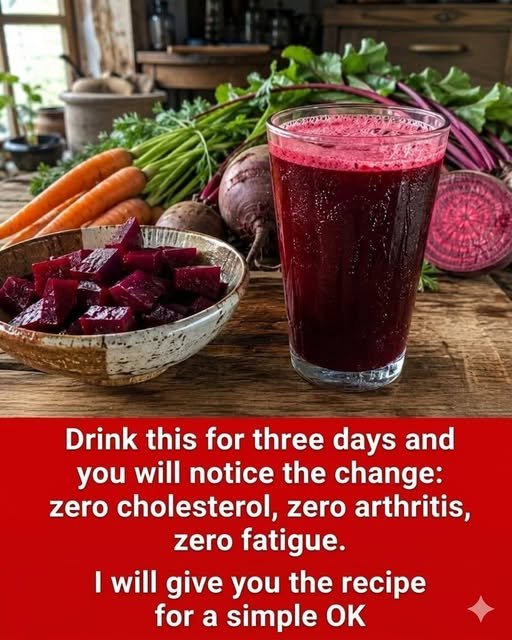
  • Nutritional Reality: What Beet and Carrot Juice Can (and Can’t) Do

    Nutritional Reality: What Beet and Carrot Juice Can (and Can’t) Do

    The graphic showcases a rustic kitchen scene featuring a glass of vibrant red juice alongside beets, carrots, and chopped beetroot, under the bold claim: “Drink this for three days and you will notice the change: zero cholesterol, zero arthritis, zero fatigue.” Promises of immediate, total cures for chronic medical conditions within 72 hours are biologically impossible and represent classic health clickbait.

    While a blend of beet and carrot juice is a nutrient-dense addition to a balanced diet, it is not a overnight cure-all.

    Nutritional Breakdown and Real Health Benefits

    • Nitrates and Blood Pressure Support: Beets are naturally rich in dietary nitrates, which the body converts into nitric oxide. Nitric oxide helps relax and dilate blood vessels (vasodilation), which can lead to modest improvements in blood pressure and circulation over time—not “zero cholesterol” overnight.
    • Antioxidants and Anti-Inflammatory Compounds: Carrots provide beta-carotene (vitamin A precursor), and beets contain betalains. These powerful antioxidants help combat systemic oxidative stress and inflammation, which can support joint health and general wellness as part of a long-term diet, but they cannot cure arthritis.
    • Stamina and Fatigue: Studies show the nitrates in beetroot juice can improve oxygen efficiency during physical exercise, offering a natural stamina boost. However, chronic fatigue can stem from underlying medical issues (like anemia, thyroid dysfunction, or sleep apnea) that juice alone cannot resolve.
    • Nutritional Considerations: Juicing removes the insoluble fiber found in whole vegetables, meaning the natural sugars in carrots and beets enter the bloodstream faster. People managing diabetes or blood sugar spikes should be mindful of juice portion sizes.

    Deconstructing the Clickbait Formula

    Graphics like this use precise psychological design choices to drive engagement on social media:

    1. Absolute Promises (“Zero” Anything): Claiming “zero cholesterol” or “zero arthritis” uses extreme, unrealistic language to trigger hope in people living with painful or chronic health conditions.
    2. Comment Baiting (“Give me a simple OK”): Prompts asking users to reply with a specific word (“OK”, “YES”, “RECIPE”) trick platform algorithms into treating the post as high-engagement, boosting its reach to millions of feeds.
    3. Hyper-Short Timelines: Promising dramatic physiological changes in just 3 days creates an artificial urgency that encourages rapid sharing before critical thinking kicks in.

    A daily glass of fresh beet and carrot juice is a great source of vitamins and antioxidants, but real health management requires long-term lifestyle habits and guidance from healthcare professionals, not 3-day miracle drinks.

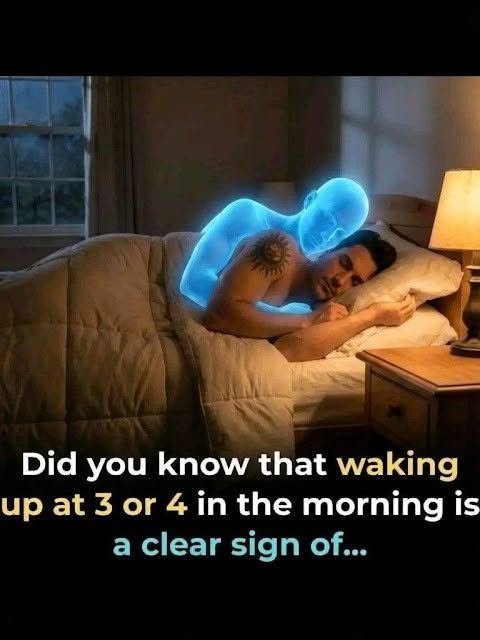
  • Sleep Science: The Reality Behind Early Morning Awakenings

    Sleep Science: The Reality Behind Early Morning Awakenings

    The graphic shows a man sleeping while a glowing blue figure hovers over him, paired with the incomplete headline: “Did you know that waking up at 3 or 4 in the morning is a clear sign of…”. Memes like this often claim early waking is proof of spiritual interference, “someone staring at you,” or supernatural presence. In reality, waking up during these hours is a normal physiological result of sleep cycles, hormonal shifts, and lifestyle factors.

    Physiological Reasons for Waking Up at 3 AM or 4 AM

    • Circadian Rhythms & Sleep Architecture: Human sleep follows approximately 90-minute cycles that alternate between deep non-REM sleep and light REM sleep. Most deep sleep occurs during the first half of the night. By 3:00 AM or 4:00 AM, the body transitions into longer periods of lighter REM sleep, making you much more prone to brief awakenings from minor noise, temperature changes, or physical discomfort.
    • Cortisol & Blood Sugar Fluctuations: In the early morning hours, the body begins preparing for awakening by releasing cortisol (a stress and alertness hormone) and shifting blood glucose levels. If blood sugar dips too low overnight (nocturnal hypoglycemia) or cortisol spikes early due to stress, it triggers a mild arousal response.
    • Stress and Mental Health: High stress, anxiety, or depression frequently cause middle-of-the-night waking. When your nervous system is on edge, the natural transition between sleep cycles can trigger a spike in heart rate and full alertness.
    • Lifestyle & Environmental Triggers: Alcohol consumption (which disrupts sleep architecture as it metabolizes), caffeine late in the day, room temperature, or sleep conditions like sleep apnea can cause predictable awakenings around this time.

    Curiosity-Gap and Superstition Clickbait

    Sensational headlines combined with mystical visuals are standard engagement-farming tactics on social media:

    1. Exploiting Common Experiences: Almost everyone experiences occasional 3 AM awakenings, making the prompt feel universally relatable and urgent.
    2. Artificial Mystery (The Curiosity Gap): Cutting off the sentence mid-thought (“…is a clear sign of…”) forces users to click through to an external site or hunt through the comments for an answer.
    3. Superstitious Hooks: Using glowing figures or ghostly imagery relies on urban legends (“the witching hour”) to cause mild intrigue or fear, driving high comment activity that signals algorithms to push the post.

    Waking up occasionally in the early morning is a normal function of how human sleep cycles work. If frequent awakenings disrupt your rest, adjusting sleep hygiene, managing stress, or consulting a healthcare professional is far more helpful than relying on viral posts.

  • Medical Warning: Placing Garlic or Onions in the Ear

    Medical Warning: Placing Garlic or Onions in the Ear

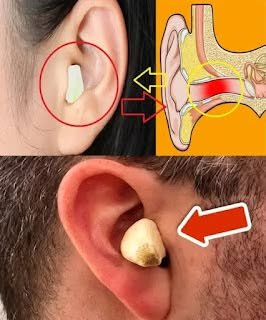
    The graphic features photos of individuals with raw garlic cloves inserted into their outer ears alongside a medical diagram depicting the ear canal. The headline frames this as “Garlic and Onion: The Natural Secret to Better Hearing”. Placing raw garlic, onions, or unverified home remedies inside the ear canal is biologically ineffective for hearing loss and poses genuine medical risks, including severe chemical irritation, infection, and mechanical blockage.

    Medical Risks and Physiological Reality

    • No Effect on Hearing Loss: Hearing loss is primarily caused by sensorineural damage (hair cell loss in the inner ear/cochlea, aging, loud noise exposure) or conductive blockages (impacted cerumen/earwax, fluid accumulation, eardrum perforation). Inserting garlic or onion does nothing to repair nerve pathways or clear structural blockages.
    • Chemical Burns and Contact Dermatitis: Garlic contains active compounds like allicin, and onions contain potent sulfur-based oils. When pressed against the delicate skin of the ear canal, these chemicals cause localized burning, severe skin inflammation, blistering, and contact dermatitis.
    • Risk of Impaction and Foreign Body Obstruction: Raw vegetable pieces can easily slide deep into the ear canal, becoming lodged near the delicate tympanic membrane (eardrum). Removing a stuck foreign object often requires specialized medical intervention by an ENT (Ear, Nose, and Throat) specialist.
    • Infection and Perforation Danger: Inserting non-sterile organic matter creates a moist environment where bacteria or fungi thrive, leading to painful external ear infections (otitis externa). If an individual already has a perforated eardrum, introducing foreign chemicals or juices directly into the middle ear space can cause severe pain, infection, and permanent hearing damage.

    Health Misinformation and Clickbait Tactics

    Infographics promoting “miracle cures” using common household items represent classic health-anxiety engagement farming.

    Content creators exploit these formats to manipulate platform engagement:

    1. Miracle Cures for Incurable Issues: Framing simple kitchen ingredients as “natural secrets” appeals to individuals seeking low-cost alternatives to medical treatment or hearing aids.
    2. Visual Shock Value: Images showing whole cloves of garlic stuffed into human ears trigger immediate curiosity and disgust, forcing users to pause their scroll.
    3. Monetization and Traffic Harvesting: Posts of this nature routinely pin links in the comments leading to ad-heavy websites, dubious wellness products, or unverified remedy ebooks.

    Medical professionals strongly advise against placing anything smaller than your elbow inside your ear canal. For hearing issues or ear pain, consult a qualified audiologist or ENT specialist.

  • Sensationalism & Disinformation: Debunking Fake “World War” Graphics

    Sensationalism & Disinformation: Debunking Fake “World War” Graphics

    The graphic features night shots of a burning industrial facility and distant explosions beneath the dramatic caption “BREAKING NEWS. Maximum worldwide alert. The war begins…” This post is a classic example of disinformation clickbait designed to incite panic and farm engagement by falsely framing localized fires or archived footage as a global conflict.

    Fact-Checking the Graphic

    • Archived & Unrelated Imagery: The image compiles screenshots from industrial fires, thermal plant blazes, or war zone footage (often from Ukraine or regional infrastructure accidents) that have been cropped and recirculated without context.
    • Watermark Attribution (exlienova_plus): The lower-right frame bears the watermark of a known social media aggregator or Telegram channel (exlienova_plus). Accounts like these routinely repost dramatic footage with exaggerated headlines to grow their follower count or drive traffic to external feeds.
    • No Official Declaration: There is no global military alert or “worldwide war” declaration. Reputable global news agencies and government bodies issue official advisories through verified broadcasts, not unverified social media memes.

    Fear-Based Engagement Tactics

    Sensationalist posts like this rely on specific psychology to manipulate platform algorithms:

    1. Panic-Inducing Headlines: Using terms like “Maximum worldwide alert” forces users to pause scrolling out of sudden fear.
    2. Comment Section Hijacking: Frightened or skeptical users flood the comment section to ask for source links or express anxiety, which boosts the post’s algorithmic ranking.
    3. Monetization & Traffic Routing: Viral clickbait pages leverage high-traffic posts to run ad-supported Telegram channels, sell products, or push malware links.

    Always verify alarming international news against established, independent news outlets rather than sensationalized social media accounts.

  • Medical Reality: The Physiological Impact of Morning Hydration

    Medical Reality: The Physiological Impact of Morning Hydration

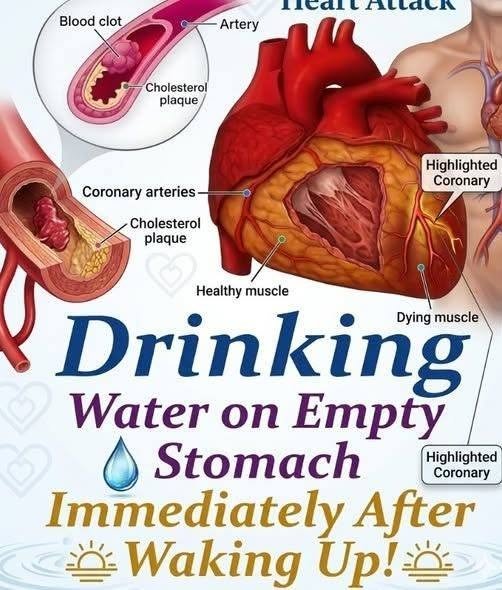
    The viral infographic depicts complex cardiovascular diagrams—including cross-sections of coronary arteries, blood clots, cholesterol plaque, and myocardial tissue—under the dramatic header: “Drinking Water on Empty Stomach Immediately After Waking Up!”. Juxtaposing medical heart attack diagrams with an incomplete headline is a blatant medical misinformation tactic designed to generate health anxiety. In reality, drinking water on an empty stomach is a standard, beneficial physiological habit that poses no risk of cardiovascular disease or heart attacks.

    Physiological Effects of Morning Hydration

    • Rehydration and Circulation: During sleep, the body naturally loses water through respiration and perspiration. Drinking water upon waking rehydrates the body, helping maintain optimal blood volume and fluid balance without triggering acute cardiovascular strain.
    • Digestive Stimulation (Gastrocolic Reflex): Consuming water on an empty stomach stimulates peristalsis—the natural wave-like muscular contractions of the digestive tract—helping kickstart digestion and bowel regularity for the day.
    • Coronary Artery Health Debunked: Heart attacks (myocardial infarctions) are caused by the rupture of atherosclerotic plaque inside coronary arteries, leading to localized blood clot formation that blocks blood flow to heart tissue. Plain water consumption has no biological mechanism that creates blood clots, plaque build-up, or arterial blockages.
    • Extreme Cold Water Myth: While drinking excessive amounts of ice-cold water very rapidly can occasionally trigger a minor vagal nerve response (potentially lowering heart rate temporarily), standard morning water intake is completely safe for healthy individuals and heart patients alike.

    Pseudo-Medical Clickbait and Health Shock Tactics

    Infographics that pair alarmist anatomical diagrams with incomplete, sensationalized hooks represent standard pseudo-medical engagement farming.

    Content creators leverage these graphic formats to drive social media reach:

    1. Visual Shock Association: Juxtaposing a routine daily habit (drinking water) with terrifying clinical images (heart failure, dying muscle tissue) exploits health paranoia, forcing users to stop scrolling out of fear.
    2. The Incomplete Hook: Trailing off with an unfinished premise (“Did you know that…”) creates an artificial curiosity gap, forcing viewers to click external links or hunt through comments to find the missing warning.
    3. Comment Section Traps: Health warnings stir up heavy debate in the comments between users pointing out the absurdity, people asking for medical advice, and accounts sharing folk remedies, generating high comment metrics that boost the post’s algorithmic distribution.
    4. Monetized Link Routing: Posts using these graphics frequently pin comments directing users to external blogs selling unverified supplements, fake health detoxes, or ad-dense clickbait sites.

    Drinking water upon waking is a simple, healthy way to stay hydrated and support bodily functions, completely unrelated to the cardiovascular pathology depicted in the clickbait diagram.

  • Geographic Outlines: Identifying Bumper Decals

    Geographic Outlines: Identifying Bumper Decals

    The image shows a blue Ford F-150 pickup truck with a white bumper decal on the tailgate shaped like a geographical landmass or island, accompanied by the prompt: “My grandpa saw this sticker and took a pic. What is it?? He wants to know.” Decals like this are common among vehicle owners who wish to represent a specific island, lake, state, or vacation destination.

    Decal Identification and Topography

    • Geographic Silhouette: The decal represents the outline of a specific geographical body—frequently an island (such as Long Island, Martha’s Vineyard, or an island in the Caribbean/Pacific) or a regional lake system.
    • Customary Representation: Drivers put these vinyl cutouts on their vehicles to signal pride in their hometown, highlight a favorite travel destination, or show connection to a local boating/coastal community.
    • Potential AI Generation/Distortion: Upon closer inspection, the truck’s license plate features garbled, synthetic lettering typical of AI-generated images, suggesting that the decal itself may be an abstract, AI-synthesized shape designed to look like a plausible island or lake outline rather than a 100% accurate real-world map.

    The “Mystery Sticker” Engagement Template

    Posing questions about unrecognizable bumper stickers or vehicle emblems is a classic engagement-farming technique designed to exploit local curiosity and niche knowledge.

    Content creators use these formats to boost platform performance:

    1. Crowdsourced Identification Hooks: Asking a direct “What is this?” question invites thousands of users to guess different islands, lakes, or countries in the comments.
    2. Regional Pride & Debates: Viewers frequently chime in to defend their home regions, argue over map orientations, or point out minor geographical inaccuracies, creating massive comment volume that prompts algorithms to amplify the post.
    3. Monetized Link Routing: Aggregator accounts using these images often pin comments leading to merchandise stores, custom decal shops, or ad-dense clickbait sites.

    While many bumper stickers represent real coastal regions or lakes, this particular graphic uses synthetic imagery to frame an ambiguous outline as a mystery meant to spark debate.