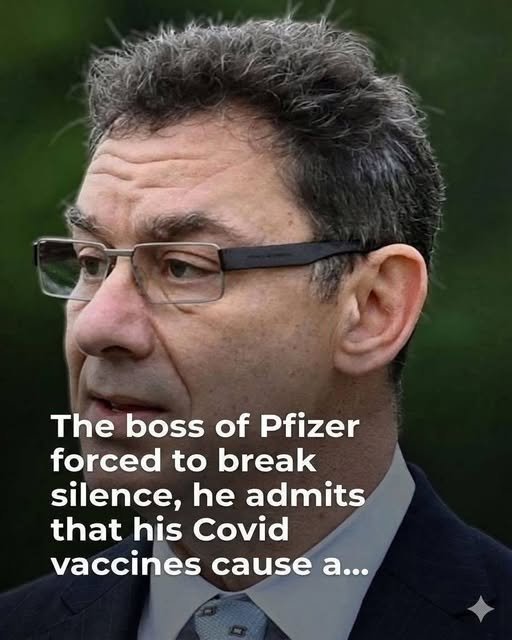
Social media posts frequently feature cropped photos of pharmaceutical executives paired with trailing, dramatic text like “forced to break silence” or “admits that his vaccines cause…” These graphics rely on curiosity gaps—leaving the sentence incomplete—to trick users into clicking links, driving traffic to ad-heavy blogs, or spreading unverified health rumors across social networks.
Featuring Pfizer CEO Albert Bourla, this image is another example of a long-running series of viral, fabricated health claims. Bourla has not made any admission claiming his company’s COVID-19 vaccines are unsafe, nor was he “forced to break silence”. Independent fact-checkers and news organizations have repeatedly debunked similar viral claims—including false assertions that Bourla refused his own vaccine, resigned from his position, or conceded severe undisclosed side effects.
The safety and efficacy profiles of mRNA vaccines have been evaluated through extensive global clinical trials and real-world monitoring by international health agencies, including the FDA and WHO. Legitimate reporting on vaccine safety parameters and rare side effects (such as myocarditis or allergic reactions) is publicly documented by medical authorities rather than revealed through sensationalized, incomplete headlines.
Spotting online health misinformation requires skepticism toward truncated captions and sensational phrasing. When evaluating claims about public health or pharmaceutical research, verifying the details via primary medical journals, national public health agencies, or established fact-checking outlets helps prevent the spread of misleading digital content.
Leave a Reply