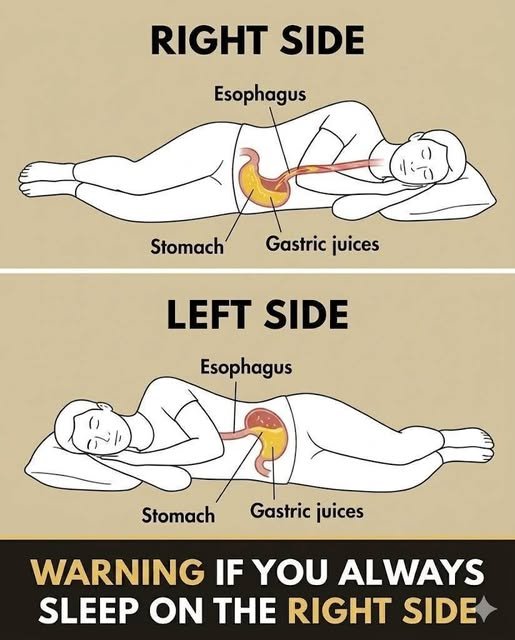
How you position your body during sleep can have a surprising impact on your digestive comfort, particularly if you frequently experience acid reflux or heartburn. Human anatomy plays a significant role in this physiological process due to the natural asymmetrical shape and placement of the stomach below the esophagus. When you sleep on your right side, the junction between your stomach and esophagus is positioned below the level of gastric acid, allowing stomach juices to leak back into the food pipe more easily.
JPG+ 2
In contrast, sleeping on your left side positions the stomach below the gastroesophageal junction, using gravity to keep stomach acid contained where it belongs. For individuals prone to Gastroesophageal Reflux Disease (GERD) or nighttime indigestion, resting on the left side can reduce instances of painful heartburn, regurgitation, and sleep disruptions. Additionally, left-side sleeping is often recommended during pregnancy because it improves blood flow to the heart, fetus, and kidneys while relieving pressure on the liver.
JPG+ 2
While sleeping position influences digestive symptoms, it is not the sole factor determining overall sleep quality or digestive health. Healthy adults without chronic acid reflux can typically sleep on whichever side feels most comfortable. If you suffer from frequent nighttime heartburn, combining left-side sleeping with dietary changes—such as avoiding heavy late-night meals, elevating the head of your bed, and limiting trigger foods—can significantly improve your sleep hygiene and digestive comfort.
JPG+ 2
Leave a Reply