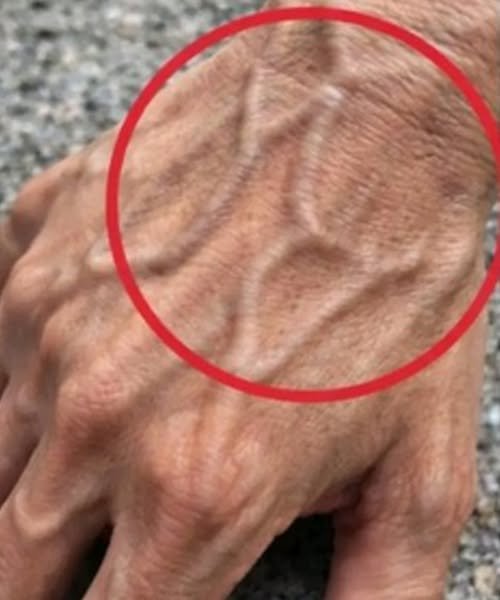
Social media posts frequently attempt to link prominent, highly visible surface veins to mysterious personality traits, rare medical conditions, or urban myths. In reality, having visible or bulging veins—especially on the hands, arms, and feet—is a completely normal physiological phenomenon shared by millions of people. Vascular visibility is primarily determined by basic anatomy, body composition, age, and genetics rather than underlying health concerns.
Several physical factors influence how close your veins sit to the surface of your skin. Individuals with lower body fat percentages, fair skin tones, or naturally thinner skin layers tend to have much more pronounced vein structures. Additionally, as a natural part of the aging process, skin gradually loses collagen and elasticity while fat tissue under the skin diminishes, making superficial veins appear significantly more defined over time.
Everyday habits and physiological triggers can also cause veins to temporarily swell and stand out. Physical exercise and heavy lifting increase blood flow and pump up muscles, pushing veins outward against the skin. Warm weather, hot showers, and elevated body temperatures cause blood vessels to expand (vasodilation), making them temporarily more prominent. Unless accompanied by pain, swelling, warmth, or sudden skin discoloration, prominent veins are simply a sign of normal circulatory function working as intended.
Leave a Reply