Blog

  • Doctors Reveal: Everyday Mistakes That May Quietly Increase Stroke Risk After 50

    Doctors Reveal: Everyday Mistakes That May Quietly Increase Stroke Risk After 50

    After 50, everyday routines can become increasingly important for cardiovascular and brain health. One of the biggest mistakes is ignoring blood pressure simply because you feel fine. High blood pressure is the leading controllable risk factor for stroke, and it often produces no obvious symptoms. Other habits that may quietly increase risk include eating too much sodium, spending most of the day sitting, smoking or vaping, and regularly consuming excessive alcohol. The CDC notes that too much sodium can raise blood pressure, while physical inactivity, tobacco use, and excessive alcohol consumption can increase stroke risk. These risks can become especially important with advancing age because age itself is a non-modifiable stroke risk factor.

    Another mistake is treating diet and exercise as optional once you get older. A diet regularly high in highly processed foods, saturated fat, added sugars, and sodium can contribute to high blood pressure, unhealthy cholesterol levels, excess weight, and diabetes—all conditions associated with greater stroke risk. Current American Heart Association guidance emphasizes healthy dietary patterns such as Mediterranean-style eating, regular physical activity, maintaining a healthy weight, controlling cholesterol and blood sugar, and avoiding tobacco. Sitting for long periods may also matter; the 2024 stroke-prevention guideline specifically highlights prolonged sedentary behavior as being associated with increased stroke risk. Even simple habits such as walking regularly, eating more vegetables and whole grains, reducing salty processed foods, and taking prescribed medicines consistently can contribute to better long-term cardiovascular health.

    Perhaps the most overlooked mistake is assuming that prevention can wait until symptoms appear. A stroke can occur suddenly, and many of its major risk factors can be identified and treated before an emergency happens. Regular medical checkups can help monitor blood pressure, cholesterol, blood sugar, heart rhythm, weight, and other factors that influence personal risk. If stroke symptoms suddenly appear—such as facial drooping, weakness or numbness on one side, trouble speaking, vision problems, severe confusion, or difficulty walking—treat it as an emergency and seek immediate medical care. Disclaimer: This article is for general educational and informational purposes only and does not constitute medical diagnosis, treatment, or personalized health advice. These habits do not guarantee that someone will or will not experience a stroke, and individual risk varies. Online health claims may be exaggerated, misleading, or unauthenticated, so always verify important information through reliable medical sources and consult a qualified healthcare professional about your personal stroke risk.


  • More Than Just a Ring? What Wearing One on the Right Hand May Say About You…

    More Than Just a Ring? What Wearing One on the Right Hand May Say About You…

    A ring on the right hand can certainly attract attention, but its meaning is not universal. Depending on the culture, finger, design, and personal reason for wearing it, the ring may represent marriage, commitment, achievement, family tradition, faith, or simply personal style. In several countries, including parts of Europe, wedding or engagement rings are traditionally worn on the right hand rather than the left. In modern fashion, however, many people deliberately choose the right hand because it gives them more freedom to express individuality. A ring purchased to celebrate graduation, a career milestone, financial independence, or another personal achievement can therefore carry a deeply personal meaning without saying anything about relationship status.

    The finger itself can add another layer of symbolism, although these interpretations are largely cultural or traditional rather than scientific rules about personality. A ring on the right index finger is sometimes associated with confidence, leadership, or authority, while a middle-finger ring may simply be chosen for its balanced, noticeable appearance. The right ring finger can represent marriage or engagement in cultures that use the right hand for those commitments, while elsewhere it may symbolize independence, personal achievement, or nothing more than fashion. A pinky ring may have associations with family heritage, professional identity, or personal style. Ultimately, you should not assume someone’s relationship status or personality simply from seeing a ring on a particular finger.

    Perhaps the most interesting meaning is the one chosen by the wearer. Some people wear a right-hand ring as a reminder of a personal goal, a special achievement, a loved one, or a new chapter in life. Others simply like how the jewelry looks and feel comfortable wearing it on that hand. There are no universal rules requiring a particular meaning, and cultural traditions can be very different from one country or community to another. So, if you notice someone wearing a ring on their right hand, it may say something about their style or personal story—but only the wearer can tell you exactly what it means. Disclaimer: This article is for general educational and cultural information only and does not provide a scientific assessment of personality, character, or relationship status. Symbolic meanings associated with rings vary significantly across cultures and individuals and should not be treated as universal facts. Always verify cultural claims through reliable sources and avoid making assumptions about someone based solely on their jewelry.

  • Doctors Say Some Everyday Habits May Affect Not Only Your Health—but Your Partner’s Too

    Doctors Say Some Everyday Habits May Affect Not Only Your Health—but Your Partner’s Too

    Healthy habits do not always affect just one person. When two people share a home, meals, routines, and daily environment, certain behaviors can influence both partners’ health. Smoking is one of the clearest examples. A person who smokes around their partner exposes them to secondhand smoke, which contains harmful chemicals and can increase the risk of heart disease, stroke, and lung cancer in people who do not smoke. The CDC states that there is no safe level of secondhand-smoke exposure, and simply smoking in another room or opening windows does not completely eliminate the exposure. This makes maintaining a smoke-free home one of the most valuable health decisions a couple can make.

    Other everyday habits can influence the shared environment and lifestyle as well. Poor dietary routines, excessive consumption of sugary foods or drinks, physical inactivity, and irregular sleep schedules can become habits that couples unintentionally reinforce in one another. Oral-health habits matter too: tobacco use, for example, increases the risk of gum disease and other oral-health problems, while regular brushing and flossing help protect dental health. Even simple household choices—such as preparing balanced meals together, taking regular walks, maintaining consistent sleep routines, and avoiding tobacco indoors—can create a healthier environment for both people. The goal is not perfection but building routines that make healthier choices easier for everyone in the household.

    The most important lesson is that a partner’s habits can sometimes become a shared health exposure. Couples can support each other by discussing smoking, diet, physical activity, sleep, stress, and preventive healthcare without turning the conversation into blame or criticism. If one partner has a persistent health problem, encouraging them to seek professional advice may be more helpful than relying on online remedies or making assumptions about the cause. Small improvements made together—such as keeping the home smoke-free, eating more nutritious foods, staying active, and maintaining good hygiene—can contribute to better long-term health. Disclaimer: This article is for general educational and informational purposes only and does not constitute medical diagnosis, treatment, or personalized health advice. Not every habit affects a partner in the same way, and individual health risks depend on many factors. Online health claims may be exaggerated, misleading, or unauthenticated, so always verify important information through reliable medical sources and consult a qualified healthcare professional for personal concerns.

  • 5 Common Hygiene Mistakes Women Make… That No One Dares to Talk About

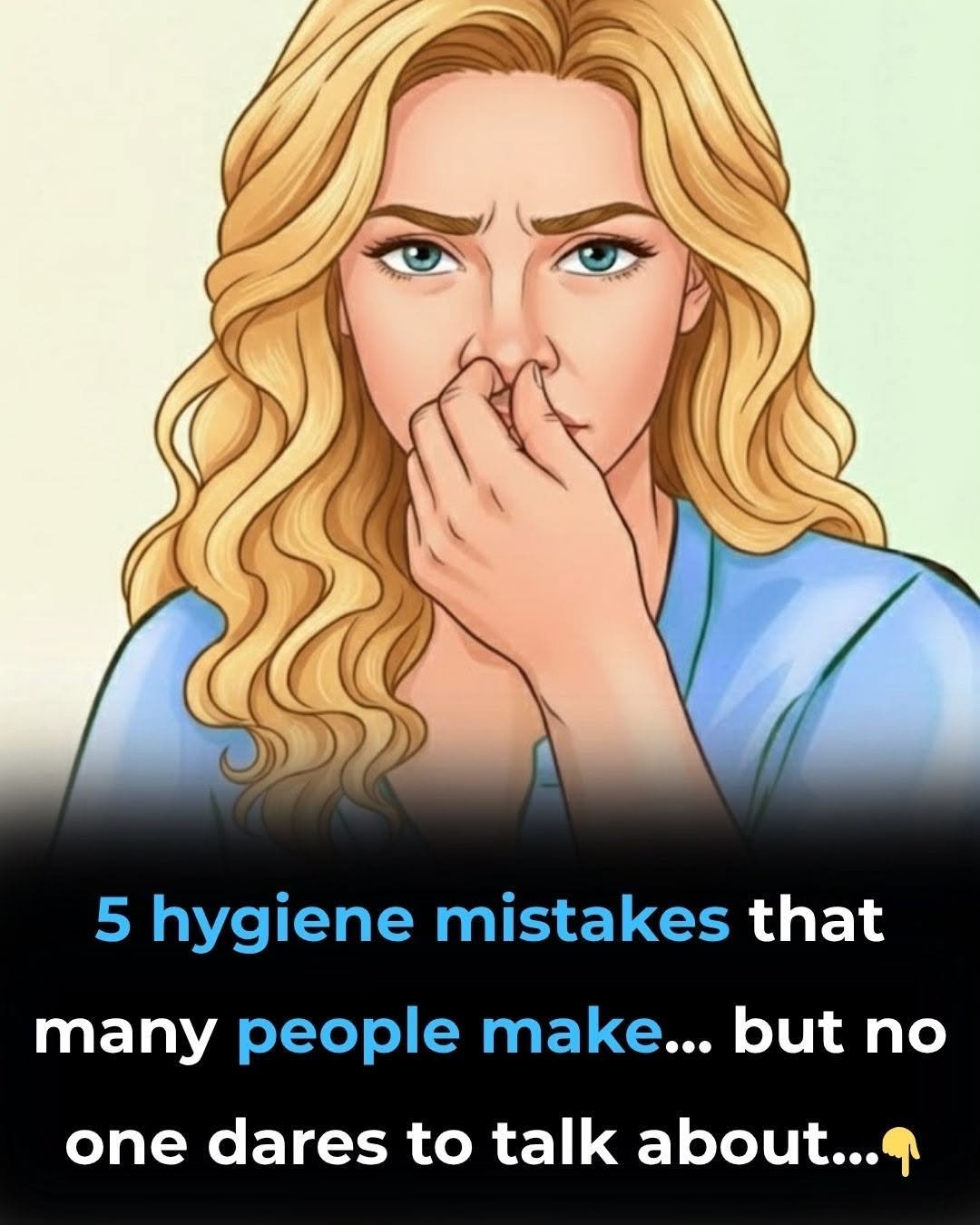
    5 Common Hygiene Mistakes Women Make… That No One Dares to Talk About

    Women’s intimate health is often surrounded by unnecessary embarrassment and misinformation, but good hygiene does not mean using more products. One common mistake is washing inside the vagina or using douches to remove discharge or odor. The vagina naturally cleans itself, and douching can disturb its normal bacterial balance and increase the risk of problems such as bacterial vaginosis. Another mistake is using heavily scented soaps, sprays, powders, wipes, or deodorants around the vulva. These products can irritate sensitive skin and may make itching or burning worse. The American College of Obstetricians and Gynecologists recommends gentle cleansing of the external vulva and avoiding douching, perfumes, and deodorants.

    A third mistake is rubbing or scrubbing the vulvar area too aggressively. Sensitive skin does not require harsh scrubbing, loofahs, or strong cleansers to be clean. Gently rinsing with warm water and patting the area dry is generally sufficient, particularly if products cause irritation. A fourth mistake is remaining in sweaty or wet clothing for long periods, such as after exercise or swimming. Changing into dry clothing can help maintain comfort and reduce prolonged moisture and irritation. During menstruation, another important habit is following the instructions for pads, tampons, menstrual cups, or other products and changing them regularly. The CDC also recommends avoiding scented menstrual products because fragrances can irritate sensitive skin.

    The fifth mistake is assuming every unusual odor, discharge, itching, or burning is simply a hygiene problem. Normal vaginal discharge can be clear to white and usually does not have a strong odor, but changes in color, consistency, amount, or smell may indicate an infection or another condition. Trying repeated home remedies or over-the-counter treatments without knowing the cause can delay appropriate care. If symptoms persist, recur, or are accompanied by significant pain, sores, unusual bleeding, fever, or a strong change in discharge or odor, speaking with a qualified healthcare professional is the safest approach. Disclaimer: This article is for general educational and informational purposes only and does not constitute medical diagnosis, treatment, or personalized health advice. Intimate symptoms can have many different causes and are not necessarily related to poor hygiene. Health information online may be exaggerated, misleading, or unauthenticated, so always verify important information through reliable medical sources and consult a qualified healthcare professional when symptoms are persistent or concerning.

  • Doctors Reveal: After Age 60, If You Still Eat Bananas Every Day, This Is What Happens to Your Body

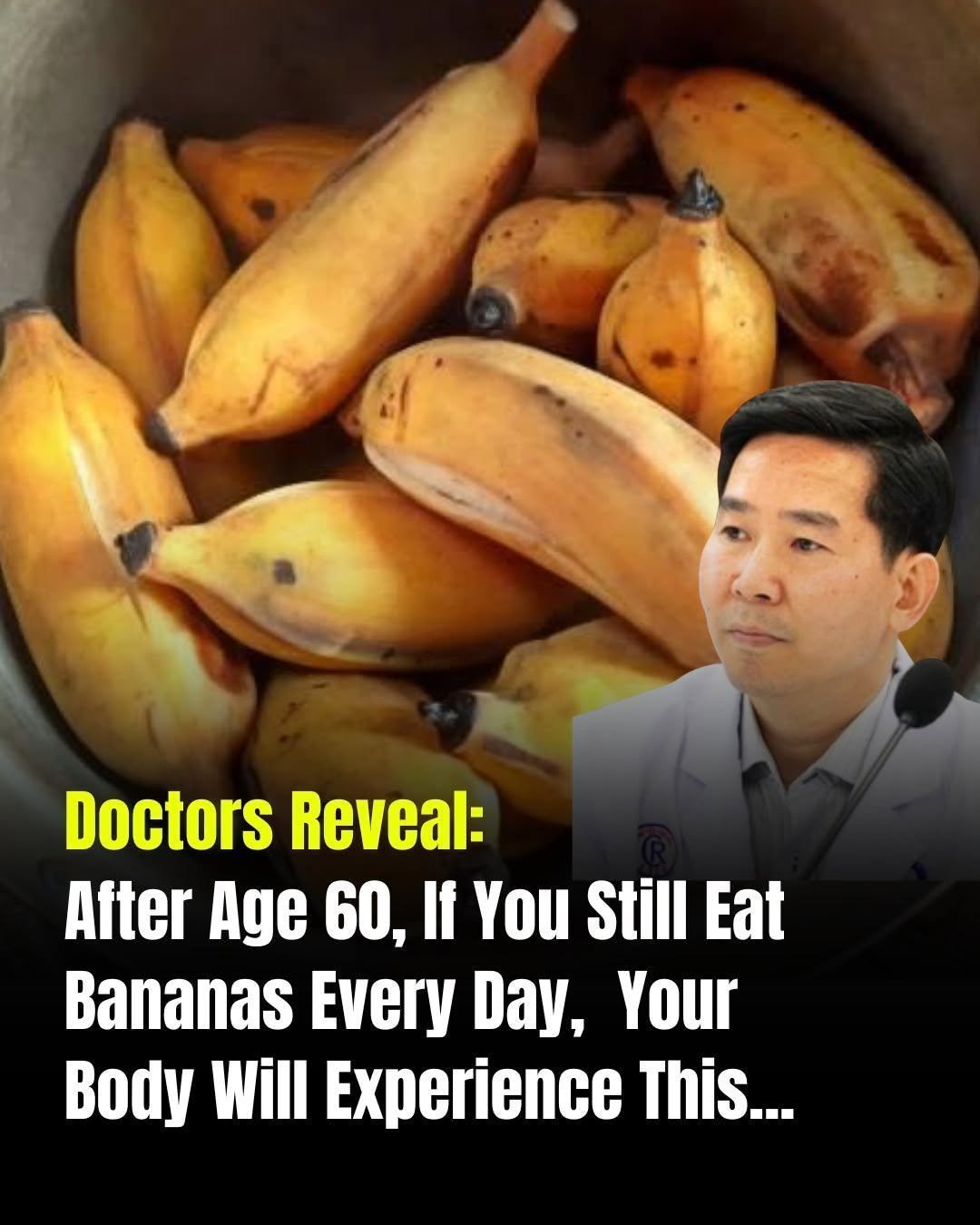
    Doctors Reveal: After Age 60, If You Still Eat Bananas Every Day, This Is What Happens to Your Body

    Eating a banana every day after 60 can be a nutritious addition to a balanced diet, rather than something older adults automatically need to avoid. Bananas provide carbohydrates for energy, dietary fiber, vitamin B6, and potassium. Potassium supports normal nerve function, muscle contraction, and heart function, while fiber can contribute to healthy digestion. The NIH lists a medium banana at roughly 420 mg of potassium, although the exact amount varies with size and ripeness. For older adults, fruit can be an easy way to increase intake of nutrient-rich foods, but variety still matters. A banana should complement other fruits, vegetables, whole grains, protein sources, and healthy fats rather than becoming the only fruit in the diet.

    One reason bananas may be particularly useful as people age is their convenience and nutrient density. They are soft, portable, naturally sweet, and require little preparation, making them an easy snack or breakfast ingredient. Their potassium content is also relevant to normal cardiovascular and muscle function. However, eating a banana every day does not automatically lower blood pressure, prevent heart disease, improve memory, or cause weight loss. The overall dietary pattern and lifestyle are much more important than one individual food. The World Health Organization recommends a varied diet containing fruits, vegetables, pulses, whole grains, and other nutritious foods rather than relying on a single food for health benefits.

    There is, however, an important exception for some people over 60: kidney disease can change how much potassium is appropriate. Healthy kidneys normally remove excess potassium, but advanced chronic kidney disease can make it harder to maintain a safe potassium level. NIDDK notes that people with advanced kidney disease may need to limit high-potassium foods such as bananas, depending on their blood potassium levels and medical advice. This does not mean everyone with kidney problems must completely avoid bananas; the appropriate amount depends on kidney function, medications, laboratory results, and the individual’s overall diet. Disclaimer: This article is for general educational and informational purposes only and does not constitute medical diagnosis, treatment, or personalized nutritional advice. Eating one banana daily is generally compatible with a balanced diet for many healthy adults, but individual needs vary. Health claims online may be exaggerated, misleading, or unauthenticated, so always verify important information through reliable medical sources and consult a qualified healthcare professional, particularly if you have kidney disease or take medications that affect potassium levels.

  • Doctors Warn: Stop Cooking Eggs These 4 Ways Before Your Next Breakfast!

    Doctors Warn: Stop Cooking Eggs These 4 Ways Before Your Next Breakfast!

    Eggs can be an excellent source of protein, choline, vitamins, minerals, and other nutrients, but the way they are prepared can affect food-safety and nutritional concerns. Four preparations deserve extra caution: raw eggs, partially cooked or runny eggs, eggs cooked in excessive amounts of butter or other saturated-fat-rich ingredients, and eggs that are cooked but then left at unsafe temperatures for too long. The most important safety issue is undercooking. Raw or undercooked eggs can contain Salmonella, and the FDA recommends cooking eggs until both the whites and yolks are firm. For dishes containing eggs, appropriate internal cooking temperatures should also be reached. (fda.gov) People at greater risk of severe foodborne illness—including older adults, young children, pregnant women, and people with weakened immune systems—should be especially careful.

    The third concern is less about the egg itself and more about what is added during cooking. Eggs contain relatively little saturated fat, but cooking them in large quantities of butter and serving them with bacon, sausage, processed meats, or large amounts of cheese can turn an otherwise nutritious breakfast into a meal much higher in saturated fat and sodium. Harvard Health notes that for most people, an egg a day can fit into a heart-healthy diet, while the saturated fat accompanying the eggs may have a greater effect on blood cholesterol. (health.harvard.edu) This means you generally do not need to “fear” fried, scrambled, boiled, or poached eggs; instead, consider the overall meal and cooking ingredients. Using modest amounts of healthier unsaturated oils and pairing eggs with vegetables or whole grains can create a more balanced breakfast.

    Finally, safe handling after cooking matters just as much as the cooking method itself. Cooked eggs and egg dishes should not be left unrefrigerated for extended periods because bacteria can multiply rapidly at room temperature. The FDA recommends refrigerating cooked egg dishes promptly and using leftovers within the recommended storage period. (fda.gov) So the takeaway is not that four common egg-cooking methods are universally “dangerous,” but that raw or undercooked eggs, excessive saturated-fat additions, and poor food handling deserve attention. Disclaimer: This article is for general educational and food-safety information only and does not constitute medical or personalized nutritional advice. Eggs can be part of a healthy diet for many people, and the risks associated with preparation vary according to the person, ingredients, cooking temperature, and storage practices. Always verify health and food-safety claims through reliable sources and consult a qualified healthcare professional for individualized dietary guidance.

  • 25-Year-Old Man Suffers Kidney Failure After Just One Bite

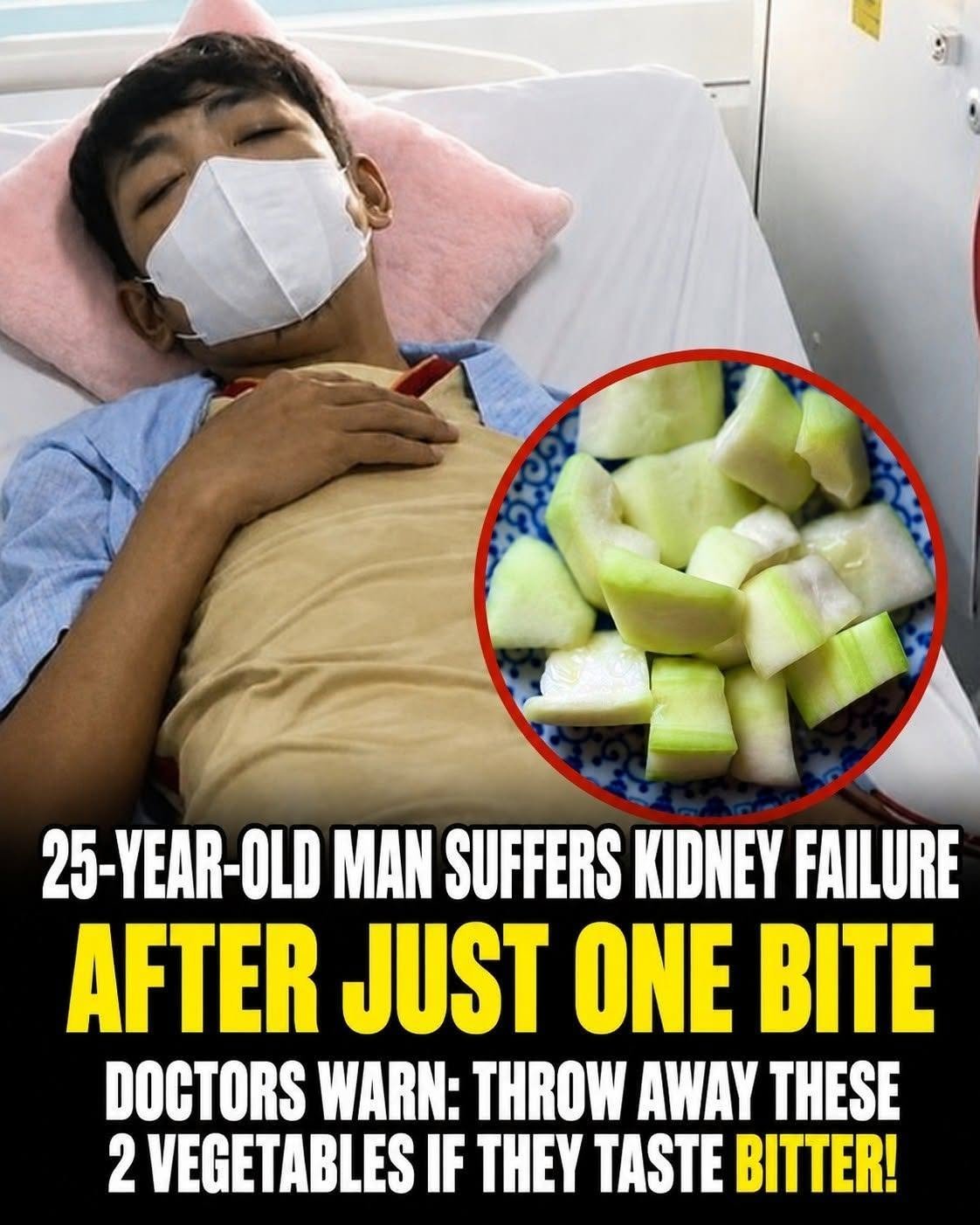
    25-Year-Old Man Suffers Kidney Failure After Just One Bite

    A headline claiming that a 25-year-old man suffered kidney failure after “just one bite” is shocking, but the important point is that a single bite of ordinary food does not normally cause kidney failure. A serious exception can occur when food is contaminated with certain strains of Shiga toxin-producing E. coli (STEC). These bacteria can produce toxins that damage blood cells and the kidneys, potentially causing a dangerous complication called hemolytic uremic syndrome (HUS). The CDC confirms that HUS can lead to kidney failure, permanent health problems, and even death. The risk is therefore related to contamination and the specific microorganism involved—not simply the number of bites a person takes.

    STEC infections commonly cause severe stomach cramps, diarrhea that may become bloody, vomiting, and sometimes fever. Symptoms can begin several days after exposure rather than immediately after eating the contaminated food, so a person may not initially connect their illness to a particular meal. In some cases, HUS develops after the intestinal symptoms begin to improve. Warning signs can include unusual tiredness, pale skin, unexplained bruising, blood in the urine, and especially markedly reduced urination or inability to urinate. HUS is a medical emergency because kidney function can deteriorate significantly and some patients may require hospitalization and dialysis.

    The best protection is safe food handling and prompt medical attention when serious symptoms appear. Cook foods thoroughly when appropriate, prevent cross-contamination between raw and ready-to-eat foods, wash produce properly, use safe drinking water, and follow recommended food-storage practices. If someone develops bloody diarrhea, severe abdominal pain, persistent vomiting, dehydration, or significantly reduced urination, they should seek medical care promptly rather than relying on home remedies. It is also important not to automatically take anti-diarrheal medicines or antibiotics when STEC infection is suspected; the CDC warns that some treatments can increase the risk of HUS. Disclaimer: This article is for general educational and informational purposes only and does not constitute medical diagnosis, treatment, or personalized health advice. The specific 25-year-old man’s story in the headline could not be independently verified, so the exact food, cause, and outcome should not be presented as established fact. Health stories online may be exaggerated, misleading, or unauthenticated; always verify important claims through reliable medical sources and consult a qualified healthcare professional for concerning symptoms.

  • One Sleeping Position Could Potentially Increase Stroke Risk Among Seniors

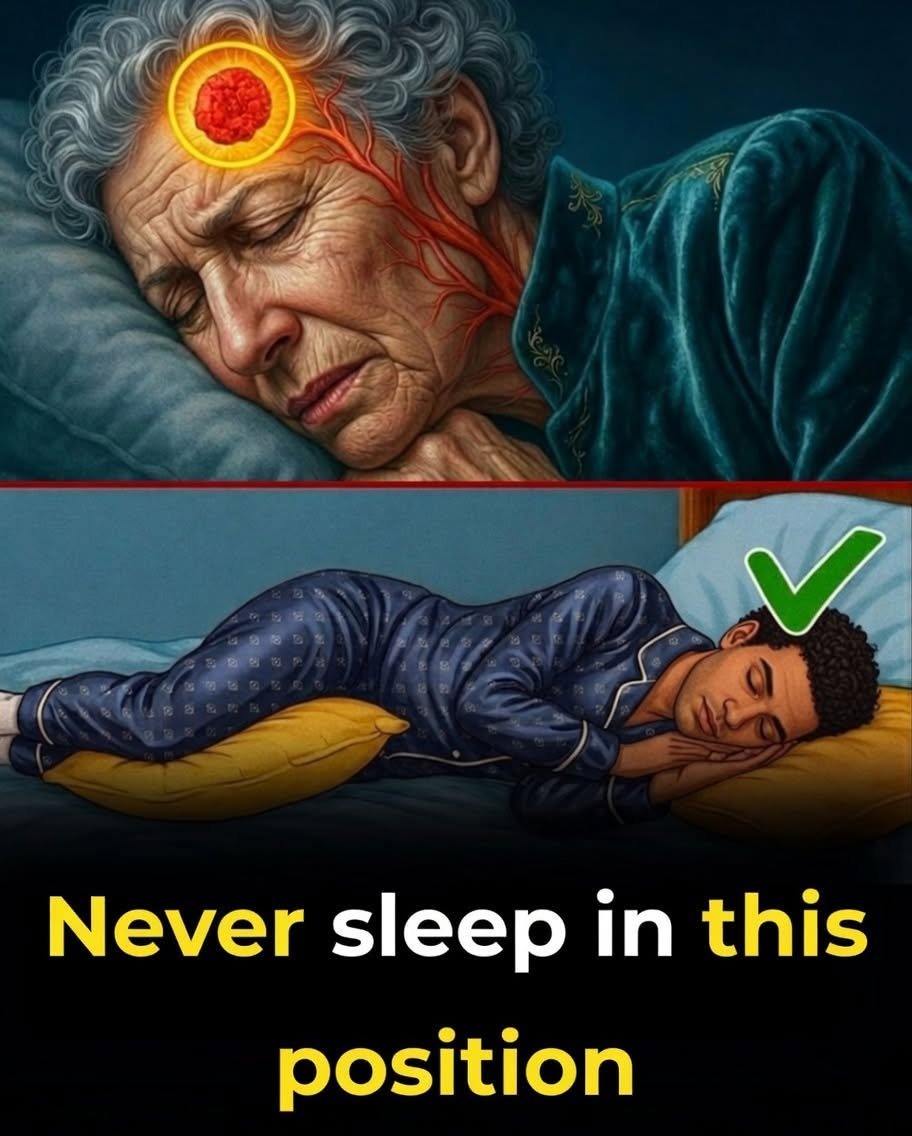
    One Sleeping Position Could Potentially Increase Stroke Risk Among Seniors

    The sleeping position most often discussed in relation to stroke risk is lying flat on your back, or the supine position. However, it would be misleading to say that sleeping on your back directly causes a stroke. Research suggests that this position can worsen obstructive sleep apnea in some people, particularly when the airway becomes more likely to collapse during sleep. Sleep apnea repeatedly interrupts breathing and can contribute to oxygen fluctuations, blood-pressure changes, and cardiovascular stress. The American Heart Association notes that sleep apnea is a recognized stroke risk factor and that many people experience worse apnea when sleeping on their backs compared with their sides.

    For seniors, this becomes particularly relevant when loud snoring, gasping, choking during sleep, morning headaches, excessive daytime sleepiness, or repeated nighttime awakenings are present. Studies involving people who have already experienced a stroke have found that obstructive sleep apnea can be strongly position-dependent, with breathing abnormalities often becoming more severe while lying on the back. Sleeping on the side may reduce airway obstruction for many people with positional sleep apnea, but that does not mean every older adult should force themselves into one specific sleeping position. Medical guidance emphasizes individual circumstances, comfort, mobility, respiratory conditions, and other health factors when determining appropriate positioning.

    The most important message is therefore not to fear a particular sleeping posture, but to recognize possible sleep apnea and other stroke risk factors. If an older adult regularly snores loudly, stops breathing during sleep, wakes choking or gasping, or remains unusually tired during the day, discussing these symptoms with a healthcare professional may be worthwhile. Managing established risk factors such as high blood pressure, diabetes, smoking, and sleep apnea can be far more important than simply changing sleep position. Disclaimer: This article is for general educational and informational purposes only and does not constitute medical diagnosis, treatment, or personalized health advice. Sleeping on your back does not automatically cause a stroke, and evidence linking sleep position to stroke risk is largely connected to sleep apnea rather than the position itself. Online health claims may be exaggerated, misleading, or unauthenticated, so always verify important information through reliable medical sources and consult a qualified healthcare professional about persistent sleep or breathing problems.

  • 25-Year-Old Woman Dies After Misusing a Thermos Cup — What You Should Know

    25-Year-Old Woman Dies After Misusing a Thermos Cup — What You Should Know

    A dramatic claim that a 25-year-old woman died after “misusing a thermos cup” should be treated with caution because the specific story could not be independently verified from reliable medical or news sources. A thermos or insulated cup itself is not inherently dangerous when it is manufactured for food and beverage use and handled according to the manufacturer’s instructions. However, improper use of any reusable drink container can create hygiene or injury concerns. For example, repeatedly storing beverages without thoroughly cleaning the lid, gasket, straw, or other hard-to-reach components can allow microorganisms to accumulate. Using a container for liquids or substances it was not designed to hold can also create avoidable safety risks. The dramatic headline should therefore not be interpreted as proof that ordinary thermos cups cause fatal illness.

    One genuine concern with reusable cups is cleanliness and temperature control. Warm, moist environments can support microbial growth when residues are left inside a bottle or around seals and drinking mechanisms. Regular washing with appropriate detergent, careful cleaning of removable parts, and complete drying can reduce this risk. It is also important to follow the product’s instructions regarding hot liquids, because pressure can potentially build up in sealed containers depending on the design and contents. A thermos should never be treated as a substitute for safe food and beverage handling. If a cup develops cracks, damaged seals, persistent odors, mold, or other contamination that cannot be removed, replacing it is a sensible precaution. The available evidence found during research does not establish that a particular misuse of a thermos caused the death described in the headline, so repeating an unverified cause as fact would be misleading.

    The most useful takeaway is simple: use reusable drinkware as intended, keep it clean, and don’t believe frightening social-media claims without verification. Choose food-safe containers, avoid storing beverages for unnecessarily long periods, clean the lid and seals thoroughly, and follow the manufacturer’s instructions for hot or carbonated drinks. If someone develops severe vomiting, breathing difficulty, confusion, loss of consciousness, or another serious symptom after consuming something from any container, seek urgent medical care rather than assuming the container itself is responsible. Disclaimer: This article is for general educational and consumer-safety information only and does not constitute medical advice. The specific claim involving a 25-year-old woman could not be authenticated through reliable sources, so the alleged cause of death should not be presented as established fact. Online health stories may be exaggerated, misleading, or unauthenticated; always verify important claims through reliable medical, public-health, or manufacturer sources.

  • She Thought It Was Just a Sore Throat. Five Days Later, She Was Dead

    She Thought It Was Just a Sore Throat. Five Days Later, She Was Dead

    A sore throat is extremely common and is usually caused by a viral infection such as a cold or flu, with most cases improving within about a week. However, in rare situations, a seemingly ordinary throat complaint can be the first sign of a serious infection or rapidly developing complication. Epiglottitis, for example, involves dangerous swelling of the epiglottis—the structure that helps protect the airway. In adults, symptoms can develop over several days and may include severe sore throat, fever, muffled or hoarse voice, painful or difficult swallowing, drooling, and difficulty breathing. Because swelling can eventually obstruct the airway, epiglottitis is considered a medical emergency.

    Another serious possibility is sepsis, which occurs when the body’s extreme response to an infection causes potentially life-threatening organ dysfunction. Almost any infection can lead to sepsis, and it can progress rapidly without treatment. Warning signs can include confusion, extreme pain or discomfort, fever or chills, clammy skin, very rapid breathing, or a dramatic deterioration in a person’s condition. This does not mean that an ordinary sore throat is likely to become fatal—most are not—but it explains why rapidly worsening symptoms should never be dismissed simply because they started with throat discomfort. A particularly severe sore throat accompanied by difficulty swallowing or breathing, drooling, a high-pitched breathing sound, or rapidly worsening illness requires urgent medical assessment.

    The most important lesson is not to panic over every sore throat, but to recognize emergency warning signs. If someone suddenly struggles to breathe, cannot swallow saliva, begins drooling, develops noisy or high-pitched breathing, becomes confused, or deteriorates rapidly, emergency medical care is needed rather than waiting for a home remedy to work. Early professional assessment can make a critical difference when a serious infection or airway problem is developing. Disclaimer: This article is for general educational and informational purposes only and does not constitute medical diagnosis, treatment, or personalized health advice. The specific story suggested by this headline has not been independently established here, and a sore throat alone does not mean a life-threatening condition is present. Health stories shared online may be exaggerated, incomplete, or unauthenticated, so always verify important claims through reliable medical sources and consult a qualified healthcare professional. If breathing or swallowing becomes difficult, seek emergency medical care immediately.