Blog

  • These 5 Changes Around the Head and Face May Suggest Liver Fibrosis

    These 5 Changes Around the Head and Face May Suggest Liver Fibrosis

    Liver fibrosis can be difficult to detect because early fibrosis often causes no noticeable symptoms at all. It occurs when repeated liver injury leads to scar tissue building up in the liver, and many people only discover it through blood tests, imaging, or evaluation for another condition. However, as liver damage becomes more advanced, certain visible changes may appear. One is yellowing of the whites of the eyes or skin, known as jaundice. Another is the development of small spider-like blood vessels on the skin, called spider angiomas. These can sometimes be noticeable around the face, neck, chest, or upper body, although they can also occur for reasons unrelated to liver disease.

    Other changes worth discussing with a healthcare professional include persistent facial or skin itching, unusual easy bruising, and noticeable changes in skin color or appearance. Severe liver disease can interfere with normal blood clotting and the body’s ability to process substances, contributing to easy bruising and intense itching. In advanced disease, a person may also develop swelling elsewhere in the body, particularly the legs or abdomen, along with fatigue, weight loss, confusion, or changes in alertness. Importantly, these signs do not prove liver fibrosis. Many skin and facial changes have completely different causes, and fibrosis itself may remain silent for years.

    If you notice persistent yellow eyes, unexplained spider-like blood vessels, unusual itching, easy bruising, or other unexplained changes, it is worth discussing them with a qualified healthcare professional—especially if you have risk factors such as metabolic liver disease, viral hepatitis, obesity, diabetes, or a history of liver injury. Doctors can use blood tests, imaging, and sometimes other assessments to determine whether liver damage or fibrosis is present. Do not rely on facial appearance alone or attempt a “liver detox” based on social-media advice. Disclaimer: This article is for general educational and informational purposes only and does not constitute medical diagnosis, treatment, or personalized medical advice. Facial or skin changes cannot diagnose liver fibrosis, and many people with early fibrosis have no visible symptoms. Health claims online may be exaggerated, misleading, or unauthenticated, so always verify important information through reliable medical sources and consult a qualified healthcare professional for appropriate testing.


  • These Changes in Your Hands Could Be Early Signs of an Underlying Health Issue

    These Changes in Your Hands Could Be Early Signs of an Underlying Health Issue

    Your hands can sometimes reveal changes that deserve medical attention, although most unusual hand symptoms have many possible causes and do not automatically indicate a serious disease. One important change is persistent numbness or tingling, particularly when it keeps returning or gradually becomes worse. Nerve compression, carpal tunnel syndrome, diabetes, vitamin deficiencies, and other conditions can cause these sensations. Mayo Clinic notes that diabetes-related nerve damage can produce numbness, while problems involving nerves in the wrist or arm can also affect the hands. (mayoclinic.org) Another change to notice is unusual weakness or clumsiness, such as repeatedly dropping objects or struggling with tasks that were previously easy. Persistent symptoms should be evaluated rather than automatically blamed on aging or overuse.

    A second group of changes involves color, temperature, and swelling. Fingers that repeatedly become unusually white, blue, gray, or red—especially after exposure to cold or during stress—can occur with circulation-related conditions such as Raynaud’s phenomenon. (mayoclinic.org) Persistent swelling of the fingers or hands can also have numerous causes, including inflammation, vascular problems, injury, or certain systemic conditions. In some cases, swelling may occur together with numbness, skin-color changes, or pain. These combinations are particularly worth discussing with a healthcare professional because they may provide more information than any single symptom alone. (mayoclinic.org)

    The key is to pay attention to new, persistent, worsening, or unexplained changes. If numbness continues, spreads, affects both hands, or is accompanied by weakness, medical evaluation can help identify the underlying cause. (mayoclinic.org) However, sudden numbness or weakness in one hand or arm—especially with facial drooping, confusion, difficulty speaking, severe dizziness, or a sudden severe headache—can be a sign of stroke and requires emergency medical attention. Disclaimer: This article is for general educational and informational purposes only and does not constitute medical diagnosis, treatment, or personalized health advice. Changes in the hands can result from many harmless or treatable conditions, and these symptoms alone cannot diagnose an underlying disease. Online health claims may be exaggerated, misleading, or unauthenticated, so always verify important information through reliable medical sources and consult a qualified healthcare professional about persistent or concerning symptoms.

  • Your Body May Show These Warning Signs of Bladder Cancer Earlier Than You Think

    Your Body May Show These Warning Signs of Bladder Cancer Earlier Than You Think

    Bladder cancer can sometimes produce noticeable warning signs relatively early, and the most common is blood in the urine, medically known as hematuria. The urine may appear pink, red, rusty, or dark brown, although sometimes the amount of blood is so small that it can only be detected through a urine test. Importantly, blood may appear once and then disappear before returning later. (cancer.gov) Other possible changes include needing to urinate more frequently, feeling a sudden or urgent need to urinate, waking repeatedly during the night to use the bathroom, experiencing burning or pain while urinating, or having difficulty starting the urine stream. These symptoms are not proof of cancer and are frequently caused by conditions such as urinary tract infections, bladder stones, or other urinary problems. (cancer.org)

    As bladder cancer progresses, some people may experience lower back or abdominal pain, difficulty urinating, unexplained weight loss, reduced appetite, persistent tiredness, or swelling in the feet. (cancer.gov) However, these symptoms can also occur with many other medical conditions, which is why self-diagnosis based on an online checklist is unreliable. If urinary changes persist, recur, or cannot be explained, a healthcare professional may recommend urine testing and other investigations. Depending on the circumstances, evaluation can include urinalysis, urine cytology, imaging, and cystoscopy, in which a specialist examines the inside of the bladder. (cancer.gov) There is currently no standard routine screening test recommended for people at average risk who have no symptoms, so paying attention to unexplained changes remains important. (cancer.gov)

    The most important warning sign not to dismiss is blood in your urine—even if it happens only once, there is very little of it, or you have no pain. Medical organizations recommend getting unexplained blood in the urine evaluated because, although it is often caused by non-cancerous conditions, it can sometimes be an early sign of bladder cancer. (nhs.uk) Early evaluation can help identify the actual cause and, if cancer is present, may allow treatment to begin sooner. Disclaimer: This article is for general educational and informational purposes only and does not constitute medical diagnosis, treatment, or personalized medical advice. The symptoms described above can have many causes and do not mean that someone has bladder cancer. Online health claims may be exaggerated, misleading, or unauthenticated, so always verify important information through reliable medical sources and consult a qualified healthcare professional about persistent, unusual, or concerning urinary changes.

  • Can You Spot the Hidden Mistake in This Hospital Picture? Find Out the Answer

    Can You Spot the Hidden Mistake in This Hospital Picture? Find Out the Answer

    Hospital “spot the mistake” pictures are often designed to test whether you notice details that relate to patient safety, infection prevention, or medical procedures. Without seeing the specific picture referenced by the headline, it would be impossible to identify the exact hidden mistake with certainty. However, common errors depicted in these puzzles include a healthcare worker touching equipment with contaminated gloves, failing to perform hand hygiene, using protective equipment incorrectly, or placing medical supplies in an unsafe location. These are not merely visual details: infection-control practices are an important part of safe healthcare. The CDC recommends appropriate hand hygiene and correct use of personal protective equipment based on the situation and potential exposure. (cdc.gov)

    One particularly important mistake to look for is cross-contamination. A person wearing gloves may appear protected, but gloves can transfer microorganisms from one surface to another if they are not changed appropriately or if hand hygiene is neglected. Research observing hospital staff found numerous failures involving PPE use, including entering precaution rooms without required protection and touching clean areas with contaminated gloves or gowns. (jamanetwork.com) Other possible clues include an incorrectly positioned sharps container, an unsecured patient bed, medical equipment placed where it could fall, or an IV line that appears improperly positioned. Patient safety is broader than avoiding infections; the WHO identifies medication errors, patient falls, diagnostic errors, unsafe injections, and patient misidentification among important sources of preventable harm in healthcare. (who.int)

    The safest conclusion is that the exact answer depends on the picture itself. If you upload the hospital image, I can examine the visible details and identify the most likely mistake rather than guessing. Until then, remember that many “hidden mistake” social-media puzzles use exaggerated or fictional scenarios and should not be treated as real medical guidance. In an actual hospital, patients and visitors can help support safety by asking healthcare workers to clean their hands before examinations or procedures and by speaking up when something appears unusual. (cdc.gov) Disclaimer: This article is for general educational and patient-safety information only. The specific mistake in the referenced picture cannot be confirmed without seeing the image, and social-media puzzles may contain fictional or inaccurate details. Always verify medical and safety information through reliable healthcare authorities and qualified professionals.

  • Your Kidneys Could Be Silently Struggling — Signs to Watch for and Habits That May Help Protect Them

    Your Kidneys Could Be Silently Struggling — Signs to Watch for and Habits That May Help Protect Them

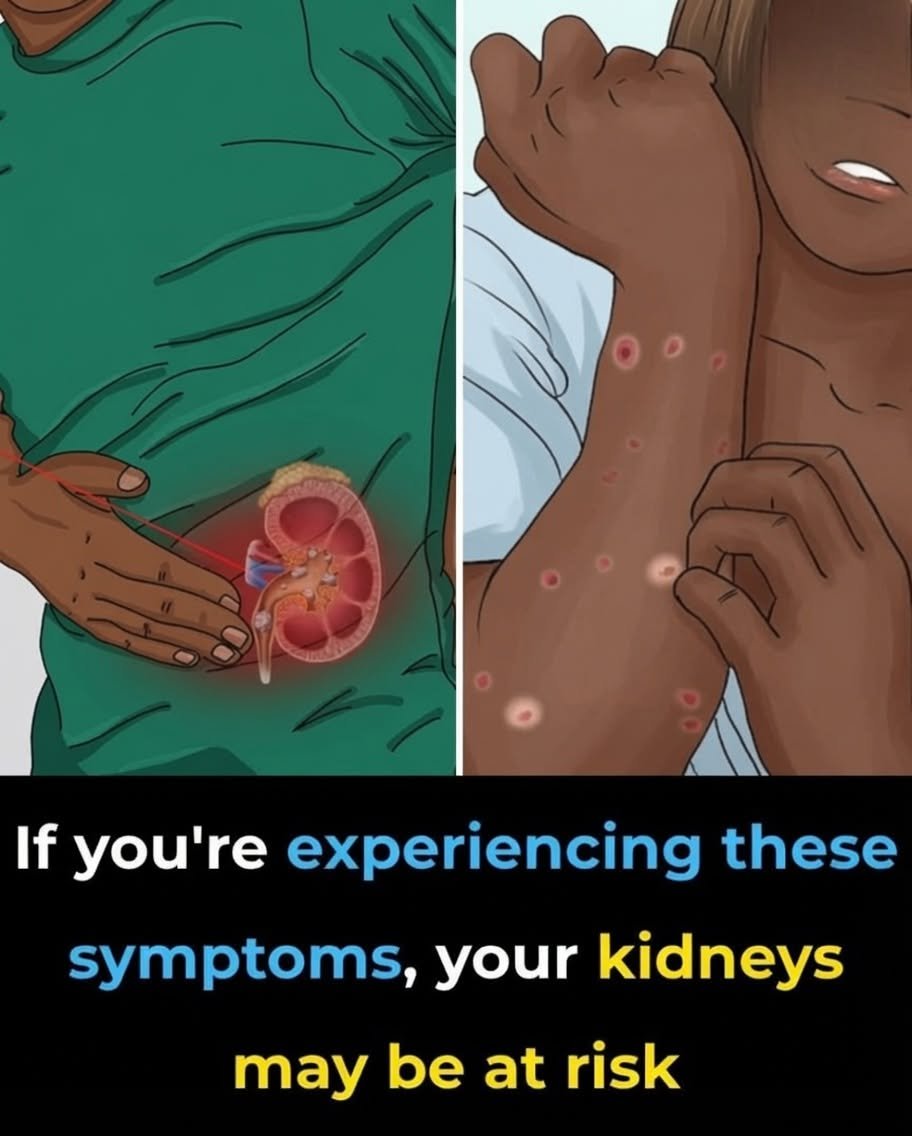
    Kidney disease can be difficult to recognize because early chronic kidney disease often causes few or no noticeable symptoms. Many people may not realize their kidneys are under stress until the condition becomes more advanced. When symptoms do appear, they can include swelling in the legs, feet, ankles, hands, or face; changes in how often you urinate; foamy urine; persistent tiredness; difficulty concentrating; muscle cramps; itching; nausea; or shortness of breath. (niddk.nih.gov) Importantly, these symptoms are not specific to kidney disease, so they should not be used for self-diagnosis. People with diabetes, high blood pressure, heart disease, or a family history of kidney failure have a higher risk and may benefit from routine kidney testing. Blood and urine tests can detect kidney problems even when a person feels completely healthy. (niddk.nih.gov)

    Protecting your kidneys starts with controlling the conditions that can damage them. High blood pressure and diabetes are among the most common causes of chronic kidney disease, so keeping blood pressure and blood glucose within the targets recommended by your healthcare professional is important. (niddk.nih.gov) A heart-healthy eating pattern with plenty of vegetables, fruits, whole grains, and appropriately chosen protein foods can support overall health, while limiting excessive sodium, added sugars, and highly processed foods may help manage blood pressure and metabolic health. Regular physical activity, maintaining a healthy weight, getting adequate sleep, and avoiding tobacco are also valuable habits. Another commonly overlooked issue is frequent use of nonsteroidal anti-inflammatory drugs (NSAIDs) such as ibuprofen and naproxen. NIDDK warns that prolonged use can damage the kidneys, while taking these medicines during dehydration can increase the risk of acute kidney injury. (niddk.nih.gov)

    The most important lesson is not to wait for obvious symptoms before thinking about kidney health. If you have risk factors, ask your healthcare professional whether you should have your kidney function and urine albumin checked. Taking prescribed medicines correctly, managing blood pressure and blood sugar, staying physically active, choosing nutritious foods, avoiding smoking, and discussing pain medicines or supplements with a pharmacist or doctor can all help reduce avoidable kidney stress. (niddk.nih.gov) If you develop significant swelling, a major change in urination, persistent vomiting, severe weakness, chest pain, or breathing difficulty, seek medical evaluation rather than assuming the problem is temporary. Disclaimer: This article is for general educational and health information only and does not constitute medical diagnosis, treatment, or personalized medical advice. Kidney symptoms can have many different causes, and early kidney disease may have no symptoms at all. Online health claims may be exaggerated, misleading, or unauthenticated, so always verify important information through reliable medical sources and consult a qualified healthcare professional for appropriate testing and individualized guidance.

  • Sweet Potato Lovers, Don’t Skip This — Here’s What It May Do to Your Body

    Sweet Potato Lovers, Don’t Skip This — Here’s What It May Do to Your Body

    Sweet potatoes are more than a comforting side dish—they are a nutrient-dense root vegetable that can provide fiber, potassium, vitamin C, and beta-carotene, particularly in orange-fleshed varieties. A medium-sized sweet potato contains roughly 112 calories and 4 grams of fiber, according to USDA nutrition information. Beta-carotene is converted by the body into vitamin A, a nutrient important for normal vision, immune function, and other biological processes. Their fiber content can also contribute to digestive health and help make meals more filling. For most people, baked, steamed, or boiled sweet potatoes can comfortably fit into a balanced diet.

    Another benefit is their naturally occurring plant compounds and relatively low fat content. Sweet potatoes contain polyphenols and carotenoids with antioxidant properties, while their naturally sweet flavor can make them a useful alternative to desserts or highly processed snacks. The preparation method matters, however. Turning sweet potatoes into heavily fried foods or loading them with large amounts of butter, sugar, syrup, or salty toppings can substantially change the nutritional profile. A simple baked or boiled sweet potato paired with vegetables, beans, fish, eggs, or another protein source can be a more balanced choice. Eating a variety of colorful vegetables is generally more beneficial than relying on any single “superfood.”

    There is one important consideration for people with certain kidney conditions. Sweet potatoes are relatively high in potassium, and people with chronic kidney disease or elevated blood potassium may need to limit high-potassium foods depending on their laboratory results and treatment plan. This does not mean healthy people should avoid sweet potatoes; rather, it highlights why nutrition advice should be individualized. For most people, enjoying an appropriately sized portion as part of a varied diet is a nutritious option. Disclaimer: This article is for general educational and nutritional information only and does not constitute medical diagnosis, treatment, or personalized dietary advice. Sweet potatoes do not cure or prevent specific diseases, and individual nutritional needs vary. Health claims online may be exaggerated, misleading, or unauthenticated, so always verify important information through reliable medical sources and consult a qualified healthcare professional, particularly if you have kidney disease or another condition requiring dietary restrictions.

  • Baggage Handlers Say Travelers Should Stop Doing This Immediately

    Baggage Handlers Say Travelers Should Stop Doing This Immediately

    One habit travelers should stop is putting valuables, important documents, medication, or irreplaceable items inside checked luggage. Checked bags can be delayed, damaged, or misplaced, so essential belongings are much safer in your carry-on. The TSA also records complaints involving damaged or missing checked baggage, showing that mishandled luggage is a genuine travel concern. Keep your passport, identification, cash, electronics, prescription medicines, and other essentials with you whenever possible. It is also wise to remove old airline tags and stickers from previous journeys because they can create confusion during baggage handling and scanning.

    Another mistake is overpacking or leaving your suitcase poorly secured. An overloaded bag can be more difficult to handle and may place additional stress on zippers, handles, wheels, and seams. Travelers should stay within their airline’s weight and size limits and avoid packing fragile belongings in checked bags unless they are properly protected. Do not place loose items such as jewelry, small electronics, or important paperwork into exterior pockets where they can potentially fall out or be damaged. A sturdy luggage tag containing your contact information can also help identify a bag if it becomes separated from you. Most importantly, follow your airline’s instructions regarding restricted or prohibited items rather than assuming that something is acceptable simply because it fits inside a suitcase.

    Before checking your bag, take a quick photograph of its exterior and contents, particularly if it contains expensive or important belongings. Keep your baggage receipt or tracking information until you have collected the suitcase at your destination and inspected it. If your luggage arrives damaged, delayed, or missing, report the problem to the airline as soon as possible and keep documentation of the report. The goal is not to become anxious about flying—it’s simply to recognize that checked luggage is handled by many people and transported through multiple systems. A few precautions can make a lost or damaged bag much less disruptive. Disclaimer: This article is for general travel and luggage-safety information only and does not constitute professional legal, airline, or security advice. Baggage procedures, liability rules, weight limits, and restricted-item policies vary by airline and airport, so always verify current requirements directly with your airline and the relevant airport or security authority before traveling.

  • Dementia Can Begin With Subtle Changes — 10 Early Signs to Know

    Dementia Can Begin With Subtle Changes — 10 Early Signs to Know

    Dementia is not a normal part of aging, and its early changes can sometimes be subtle enough that families initially dismiss them as ordinary forgetfulness. According to the CDC and Alzheimer’s Association, warning signs can include memory loss that disrupts daily life, difficulty planning or solving problems, trouble completing familiar tasks, confusion about time or place, and problems understanding visual or spatial information. These changes are different from occasionally forgetting a name or misplacing keys and later remembering where they were. When cognitive changes begin interfering with everyday independence, they deserve attention rather than being automatically attributed to getting older. Early medical evaluation can also help identify potentially treatable causes of cognitive symptoms.

    Other early warning signs may involve language, judgment, behavior, and social activities. A person may develop new difficulty finding familiar words, following conversations, or expressing thoughts. They may repeatedly misplace belongings and be unable to retrace their steps, make noticeably poorer financial or personal decisions, withdraw from hobbies or social activities they previously enjoyed, or experience changes in mood and personality such as increased suspicion, anxiety, fear, or irritability. These symptoms do not automatically mean someone has dementia—many medical conditions, medications, sleep problems, depression, and other factors can affect memory and thinking. That is why professional assessment is important instead of relying on an online checklist or attempting self-diagnosis.

    The most important message is not to ignore persistent changes that affect everyday life. If you notice several of these signs in yourself or someone you love, arranging an appointment with a healthcare professional can help determine what is actually causing them. Early and accurate diagnosis may provide opportunities to discuss treatment options, plan future care, and address conditions that may be contributing to cognitive difficulties. Families can also keep a simple record of when symptoms began, how frequently they occur, and which daily activities are becoming difficult; this information can be useful during a medical evaluation. Disclaimer: This article is for general educational and informational purposes only and does not constitute medical diagnosis, treatment, or personalized health advice. Experiencing one or more of these signs does not prove that a person has dementia. Cognitive changes can have many causes, some of which may be treatable, so important concerns should always be evaluated by a qualified healthcare professional and verified through reliable medical sources.

  • 4 Changes in Your Hands and Feet That Could Signal an Underlying Health Condition

    4 Changes in Your Hands and Feet That Could Signal an Underlying Health Condition

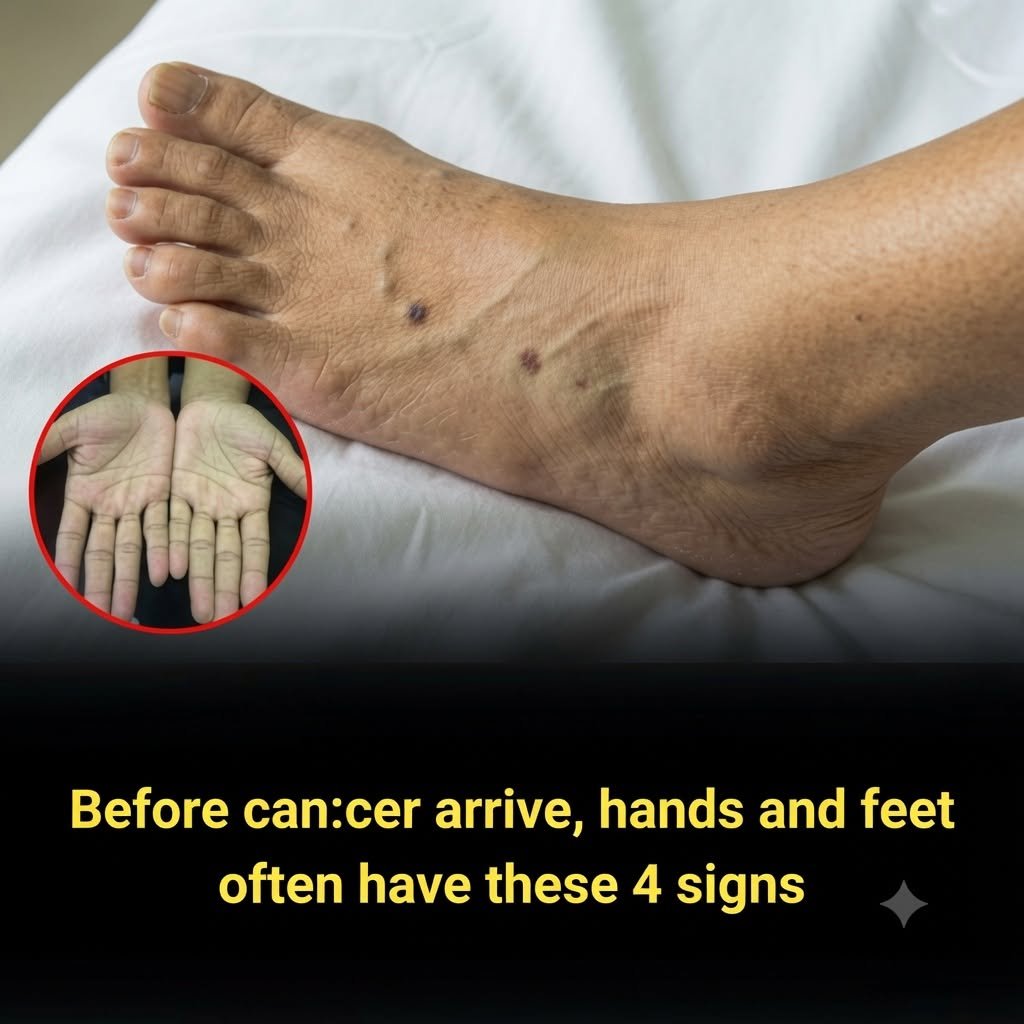
    Your hands and feet can sometimes provide clues about what is happening elsewhere in the body, although a change does not automatically mean you have a serious illness. One change worth noticing is persistent numbness or tingling. Nerve compression, injuries, vitamin deficiencies, and conditions such as diabetes can contribute to these sensations; diabetes-related peripheral neuropathy often affects the feet first. (mayoclinic.org) A second change is unusual color changes in the fingers or toes, particularly when they repeatedly turn white, blue, or unusually pale. Circulation problems and conditions such as Raynaud’s disease can cause these changes, especially in response to cold or stress. Persistent or severe color changes deserve medical attention rather than being dismissed as simply having “cold hands.” (mayoclinic.org)

    A third warning sign is unexplained swelling of the hands, ankles, feet, or legs. Mild swelling can occur after standing or sitting for long periods, eating a very salty meal, or during pregnancy, but persistent swelling can sometimes be associated with conditions affecting the heart, kidneys, liver, or veins. (mayoclinic.org) Swelling that leaves a noticeable indentation when you press the skin is known as pitting edema. A fourth change is the development of unusual sores, skin changes, or wounds that do not heal normally, particularly on the feet. Reduced sensation, poor circulation, and diabetes can make foot problems more difficult to notice and may increase the risk of complications. New weakness, persistent pain, or repeated loss of sensation should also be evaluated rather than ignored.

    The key is to look for persistent, worsening, or unexplained changes rather than becoming alarmed by a temporary difference. If numbness keeps returning, swelling does not improve, or your fingers or toes repeatedly change color, a healthcare professional can investigate the cause. Sudden one-sided weakness or numbness involving the face, arm, or leg—especially with trouble speaking, confusion, vision problems, or difficulty walking—can be a sign of stroke and requires emergency medical attention. Similarly, sudden swelling and pain in one leg can require urgent assessment because a blood clot is one possible cause. (mayoclinic.org) Disclaimer: This article is for general educational and informational purposes only and does not constitute medical diagnosis, treatment, or personalized health advice. Changes in the hands or feet can have many harmless explanations, and these symptoms alone cannot diagnose an underlying condition. Online health claims may be exaggerated, misleading, or unauthenticated, so always verify important information through reliable medical sources and consult a qualified healthcare professional about persistent or concerning symptoms.

  • This Fish Is on Dinner Tables Everywhere — But Few People Know What It Can Carry

    This Fish Is on Dinner Tables Everywhere — But Few People Know What It Can Carry

    Fish is a nutritious source of high-quality protein, omega-3 fatty acids, vitamins, and minerals, but like other animal foods, it can sometimes carry parasites, bacteria, or environmental contaminants. The risk depends heavily on the species, where the fish was caught or farmed, how it was handled, and whether it was thoroughly cooked. Raw or undercooked fish has a greater risk of containing parasites and harmful bacteria, which is why food-safety authorities recommend cooking seafood thoroughly. The FDA advises cooking most seafood to an internal temperature of 145°F (63°C). (fda.gov) Freezing can kill certain parasites, but it does not eliminate every harmful microorganism, so properly cooked fish remains the safer choice.

    Another concern is methylmercury, a contaminant found in varying amounts among fish species. Nearly all fish contain at least trace amounts, but larger, longer-lived predatory fish tend to accumulate more because they consume other fish over time. FDA guidance identifies shark, swordfish, king mackerel, marlin, orange roughy, Gulf of Mexico tilefish, and bigeye tuna among the fish with the highest mercury levels. (fda.gov) This does not mean people should stop eating fish. In fact, fish can be an important part of a healthy diet, and many commonly eaten varieties are relatively low in mercury. Choosing a variety of lower-mercury fish instead of repeatedly eating the same high-mercury species is a practical way to enjoy the nutritional benefits while reducing exposure.

    Safe handling is equally important. Buy fish from reputable sources, keep it properly refrigerated, prevent raw seafood from touching ready-to-eat foods, and cook it thoroughly. If raw fish has a sour, rancid, unusually fishy, or ammonia-like odor, the FDA advises not eating it. (fda.gov) Pregnant women, young children, older adults, and people with weakened immune systems should be especially cautious about raw or undercooked seafood because foodborne infections can be more serious for them. Disclaimer: This article is for general educational and food-safety information only and does not constitute medical diagnosis, treatment, or personalized dietary advice. The risks associated with fish vary greatly by species, source, preparation, and individual circumstances. Online health claims may be exaggerated, misleading, or unauthenticated, so always verify important information through reliable food-safety and health authorities.