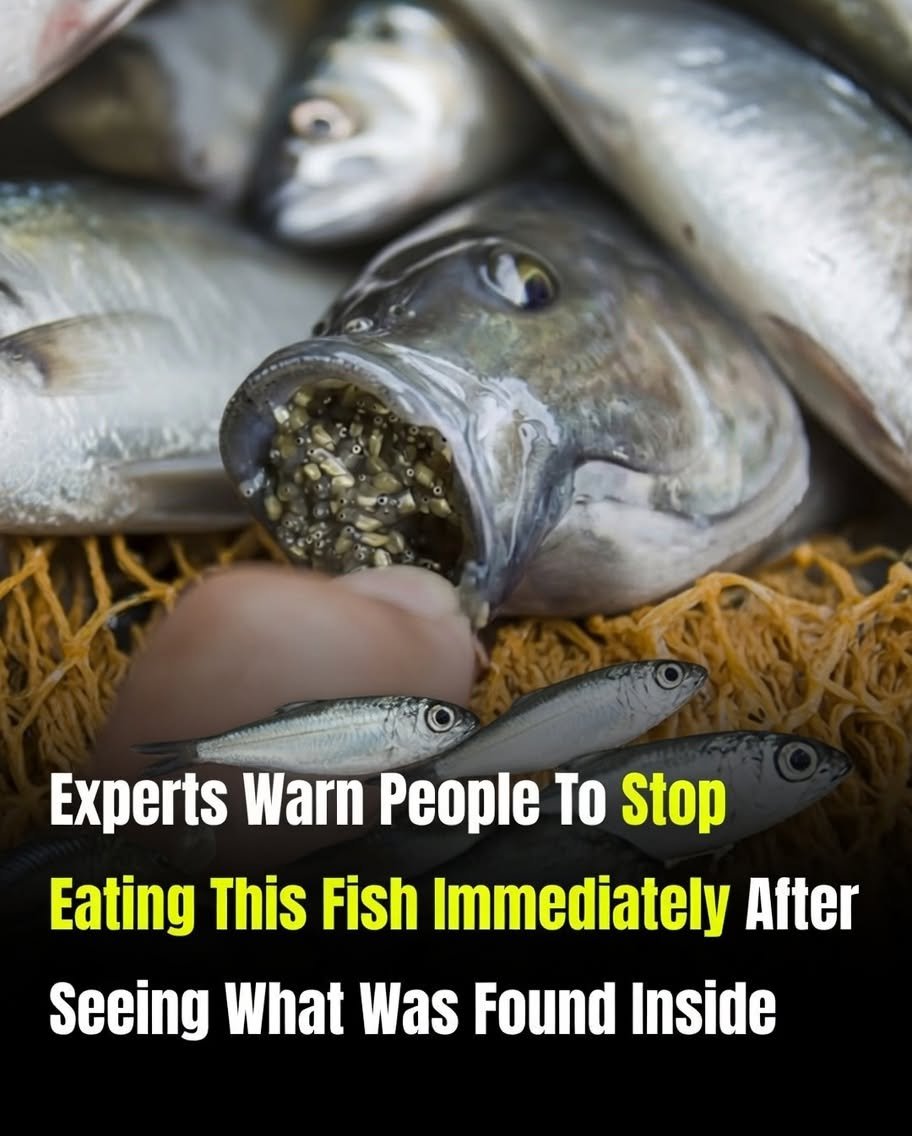
Fish is a nutritious source of high-quality protein, omega-3 fatty acids, vitamins, and minerals, but like other animal foods, it can sometimes carry parasites, bacteria, or environmental contaminants. The risk depends heavily on the species, where the fish was caught or farmed, how it was handled, and whether it was thoroughly cooked. Raw or undercooked fish has a greater risk of containing parasites and harmful bacteria, which is why food-safety authorities recommend cooking seafood thoroughly. The FDA advises cooking most seafood to an internal temperature of 145°F (63°C). (fda.gov) Freezing can kill certain parasites, but it does not eliminate every harmful microorganism, so properly cooked fish remains the safer choice.
Another concern is methylmercury, a contaminant found in varying amounts among fish species. Nearly all fish contain at least trace amounts, but larger, longer-lived predatory fish tend to accumulate more because they consume other fish over time. FDA guidance identifies shark, swordfish, king mackerel, marlin, orange roughy, Gulf of Mexico tilefish, and bigeye tuna among the fish with the highest mercury levels. (fda.gov) This does not mean people should stop eating fish. In fact, fish can be an important part of a healthy diet, and many commonly eaten varieties are relatively low in mercury. Choosing a variety of lower-mercury fish instead of repeatedly eating the same high-mercury species is a practical way to enjoy the nutritional benefits while reducing exposure.
Safe handling is equally important. Buy fish from reputable sources, keep it properly refrigerated, prevent raw seafood from touching ready-to-eat foods, and cook it thoroughly. If raw fish has a sour, rancid, unusually fishy, or ammonia-like odor, the FDA advises not eating it. (fda.gov) Pregnant women, young children, older adults, and people with weakened immune systems should be especially cautious about raw or undercooked seafood because foodborne infections can be more serious for them. Disclaimer: This article is for general educational and food-safety information only and does not constitute medical diagnosis, treatment, or personalized dietary advice. The risks associated with fish vary greatly by species, source, preparation, and individual circumstances. Online health claims may be exaggerated, misleading, or unauthenticated, so always verify important information through reliable food-safety and health authorities.
Leave a Reply