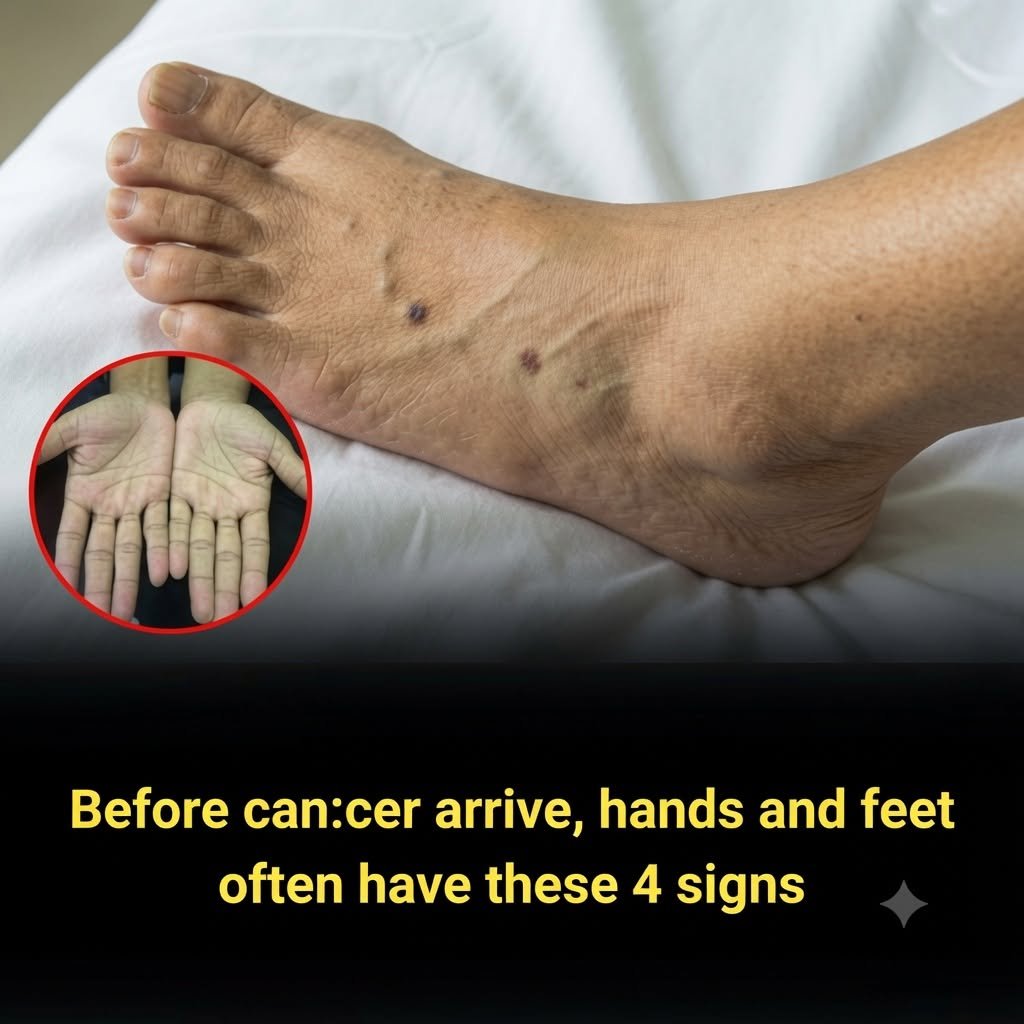
Your hands and feet can sometimes provide clues about what is happening elsewhere in the body, although a change does not automatically mean you have a serious illness. One change worth noticing is persistent numbness or tingling. Nerve compression, injuries, vitamin deficiencies, and conditions such as diabetes can contribute to these sensations; diabetes-related peripheral neuropathy often affects the feet first. (mayoclinic.org) A second change is unusual color changes in the fingers or toes, particularly when they repeatedly turn white, blue, or unusually pale. Circulation problems and conditions such as Raynaud’s disease can cause these changes, especially in response to cold or stress. Persistent or severe color changes deserve medical attention rather than being dismissed as simply having “cold hands.” (mayoclinic.org)
A third warning sign is unexplained swelling of the hands, ankles, feet, or legs. Mild swelling can occur after standing or sitting for long periods, eating a very salty meal, or during pregnancy, but persistent swelling can sometimes be associated with conditions affecting the heart, kidneys, liver, or veins. (mayoclinic.org) Swelling that leaves a noticeable indentation when you press the skin is known as pitting edema. A fourth change is the development of unusual sores, skin changes, or wounds that do not heal normally, particularly on the feet. Reduced sensation, poor circulation, and diabetes can make foot problems more difficult to notice and may increase the risk of complications. New weakness, persistent pain, or repeated loss of sensation should also be evaluated rather than ignored.
The key is to look for persistent, worsening, or unexplained changes rather than becoming alarmed by a temporary difference. If numbness keeps returning, swelling does not improve, or your fingers or toes repeatedly change color, a healthcare professional can investigate the cause. Sudden one-sided weakness or numbness involving the face, arm, or leg—especially with trouble speaking, confusion, vision problems, or difficulty walking—can be a sign of stroke and requires emergency medical attention. Similarly, sudden swelling and pain in one leg can require urgent assessment because a blood clot is one possible cause. (mayoclinic.org) Disclaimer: This article is for general educational and informational purposes only and does not constitute medical diagnosis, treatment, or personalized health advice. Changes in the hands or feet can have many harmless explanations, and these symptoms alone cannot diagnose an underlying condition. Online health claims may be exaggerated, misleading, or unauthenticated, so always verify important information through reliable medical sources and consult a qualified healthcare professional about persistent or concerning symptoms.
Leave a Reply