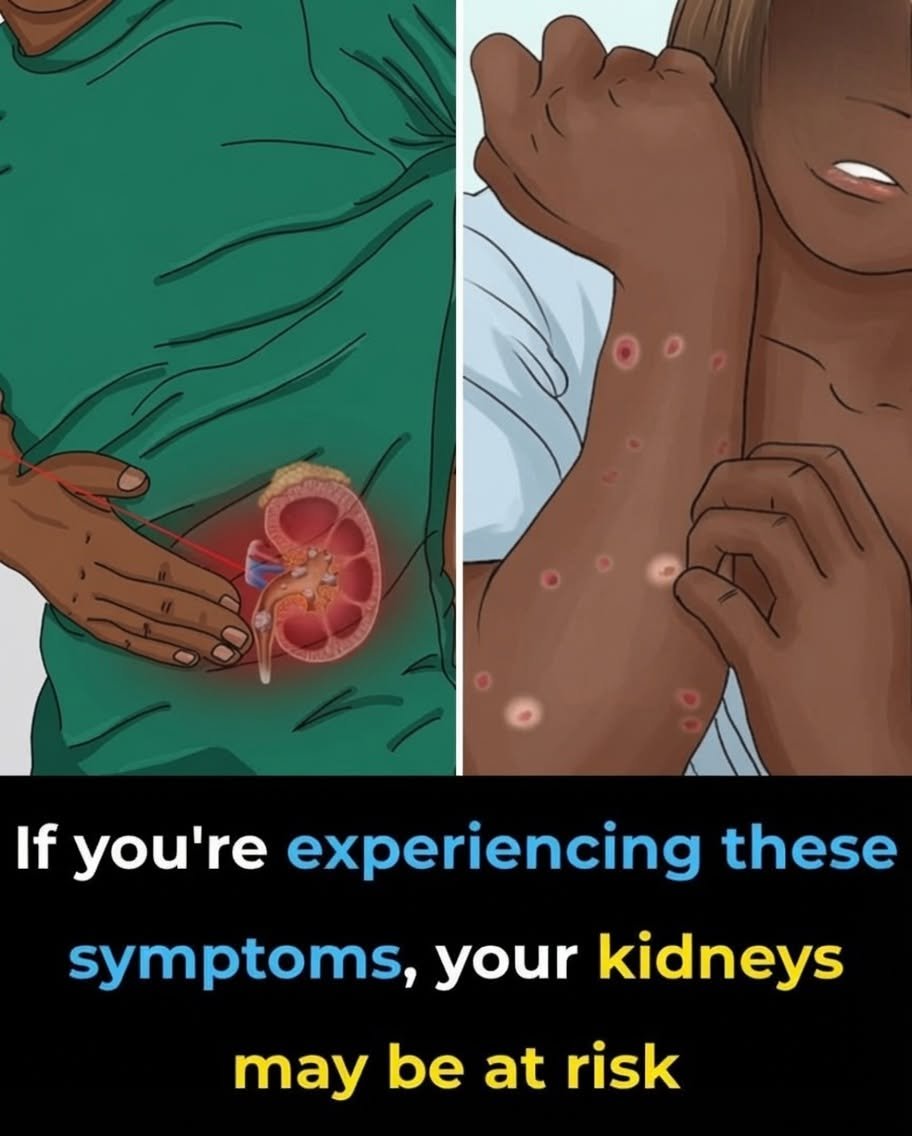
Kidney disease can be difficult to recognize because early chronic kidney disease often causes few or no noticeable symptoms. Many people may not realize their kidneys are under stress until the condition becomes more advanced. When symptoms do appear, they can include swelling in the legs, feet, ankles, hands, or face; changes in how often you urinate; foamy urine; persistent tiredness; difficulty concentrating; muscle cramps; itching; nausea; or shortness of breath. (niddk.nih.gov) Importantly, these symptoms are not specific to kidney disease, so they should not be used for self-diagnosis. People with diabetes, high blood pressure, heart disease, or a family history of kidney failure have a higher risk and may benefit from routine kidney testing. Blood and urine tests can detect kidney problems even when a person feels completely healthy. (niddk.nih.gov)
Protecting your kidneys starts with controlling the conditions that can damage them. High blood pressure and diabetes are among the most common causes of chronic kidney disease, so keeping blood pressure and blood glucose within the targets recommended by your healthcare professional is important. (niddk.nih.gov) A heart-healthy eating pattern with plenty of vegetables, fruits, whole grains, and appropriately chosen protein foods can support overall health, while limiting excessive sodium, added sugars, and highly processed foods may help manage blood pressure and metabolic health. Regular physical activity, maintaining a healthy weight, getting adequate sleep, and avoiding tobacco are also valuable habits. Another commonly overlooked issue is frequent use of nonsteroidal anti-inflammatory drugs (NSAIDs) such as ibuprofen and naproxen. NIDDK warns that prolonged use can damage the kidneys, while taking these medicines during dehydration can increase the risk of acute kidney injury. (niddk.nih.gov)
The most important lesson is not to wait for obvious symptoms before thinking about kidney health. If you have risk factors, ask your healthcare professional whether you should have your kidney function and urine albumin checked. Taking prescribed medicines correctly, managing blood pressure and blood sugar, staying physically active, choosing nutritious foods, avoiding smoking, and discussing pain medicines or supplements with a pharmacist or doctor can all help reduce avoidable kidney stress. (niddk.nih.gov) If you develop significant swelling, a major change in urination, persistent vomiting, severe weakness, chest pain, or breathing difficulty, seek medical evaluation rather than assuming the problem is temporary. Disclaimer: This article is for general educational and health information only and does not constitute medical diagnosis, treatment, or personalized medical advice. Kidney symptoms can have many different causes, and early kidney disease may have no symptoms at all. Online health claims may be exaggerated, misleading, or unauthenticated, so always verify important information through reliable medical sources and consult a qualified healthcare professional for appropriate testing and individualized guidance.
Leave a Reply