Blog

  • Not Every Part of a Chicken Is Equally Nutritious — Here Are 4 You May Want to Limit

    Not Every Part of a Chicken Is Equally Nutritious — Here Are 4 You May Want to Limit

    Chicken can be an excellent source of high-quality protein, but different parts and preparations have very different nutritional profiles. One part you may want to limit is the skin, particularly if you are trying to reduce calories or saturated fat. USDA research found that chicken skin contains substantially more total fat than breast meat, and a review using USDA FoodData Central data shows that skin-on chicken wings contain considerably more calories and fat than skinless breast. (ars.usda.gov) A second area to moderate is dark meat with the skin, such as thighs and drumsticks. Dark meat is nutritious and provides protein, iron, zinc, and other nutrients, so it is not “bad,” but adding the skin increases its fat and calorie content. The healthier choice for many people is simply to remove the skin and choose cooking methods that do not add large amounts of saturated fat.

    A third category to watch is processed chicken, including heavily breaded nuggets, fried chicken products, luncheon meats, and other highly processed poultry foods. These products can contain more sodium, refined starch, and added fats than plain roasted or grilled chicken. A review of poultry nutrition found that processed chicken products such as nuggets and breaded tenders can have substantially different calorie and fat profiles from unprocessed chicken. (pmc.ncbi.nlm.nih.gov) The fourth is heavily salted or “enhanced” chicken, where solutions containing water and salts may be added to improve tenderness and flavor. USDA research has found that some enhanced poultry products can contain considerably more sodium than non-enhanced versions. (ars.usda.gov) Checking the package label for sodium and added ingredients can therefore be useful, especially for people managing blood pressure.

    The important message is that you do not need to avoid these chicken parts completely. Chicken thighs, wings, skin, and even organ meats can provide valuable nutrients; the concern is mainly portion size, preparation method, sodium, and your individual health needs. Skinless roasted or grilled chicken, particularly breast meat, is generally a leaner option, while vegetables, whole grains, beans, and other nutrient-rich foods can round out the meal. Rather than focusing on one “dangerous” part of a chicken, consider your overall dietary pattern and how frequently you eat high-fat, fried, or highly processed foods. Disclaimer: This article is for general educational and nutritional information only and does not constitute medical diagnosis, treatment, or personalized dietary advice. No chicken part is universally unhealthy, and individual dietary needs vary. Online nutrition claims may be exaggerated, misleading, or unauthenticated, so always verify important information through reliable nutritional sources and consult a qualified healthcare professional if you have specific dietary or medical concerns.

  • Doctors Say Eating Avocados May Have These Unexpected Effects on Your Health…

    Doctors Say Eating Avocados May Have These Unexpected Effects on Your Health…

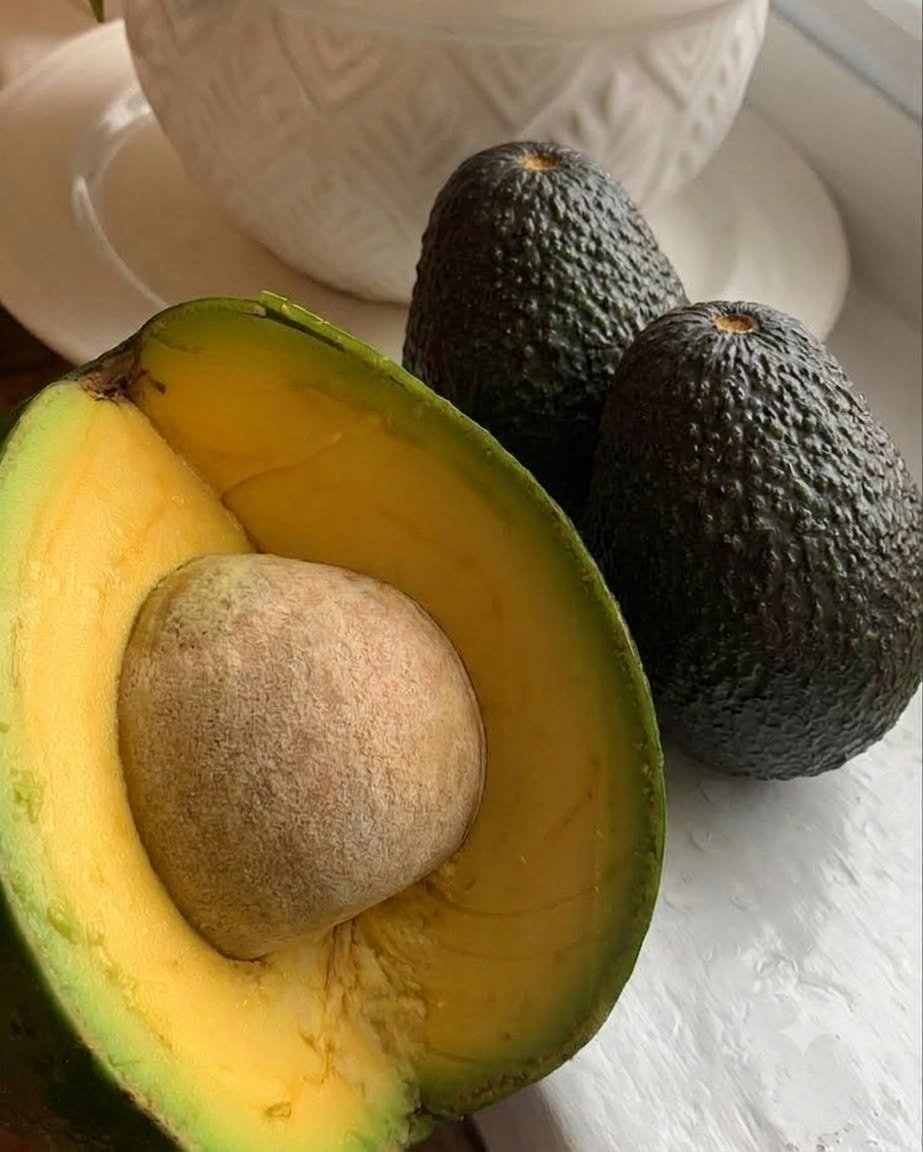
    Avocados are often praised for their creamy texture, but their nutritional profile may be the more interesting part. They provide fiber, potassium, magnesium, folate, vitamin C, vitamin K, and predominantly unsaturated fats, including monounsaturated fat. These nutrients can support a balanced eating pattern and cardiovascular health. The American Heart Association notes that avocado can be a useful replacement for foods higher in saturated fat, such as butter, cheese, and processed meats. In a large observational study following more than 110,000 health professionals for decades, people who reported eating at least two servings of avocado per week had a lower risk of cardiovascular disease than those who rarely ate it. However, because the study was observational, it cannot prove that avocados themselves caused the lower risk.

    One unexpected effect may be on digestion and fullness. Avocado contains both soluble and insoluble fiber, which can support normal bowel function and contribute to feeling satisfied after eating. Its healthy fats can also make meals more filling, potentially making avocado a useful alternative to foods rich in saturated fat. However, avocado is still relatively calorie-dense because it contains a significant amount of fat—even though much of that fat is considered healthier unsaturated fat. Harvard Health’s current dietary guidance emphasizes choosing healthier unsaturated fats while still paying attention to total calorie intake. So adding large portions of avocado on top of an already calorie-rich diet may not produce the same benefits as using it to replace less nutritious foods.

    There are also situations where portion size and individual health conditions matter. People with certain kidney conditions may need individualized guidance about potassium-rich foods, while anyone monitoring calorie intake should remember that nutritious foods can still contribute substantial calories. The best approach is to enjoy avocado as part of a varied diet that includes vegetables, fruits, whole grains, healthy protein sources, and other minimally processed foods. The American Heart Association’s 2026 dietary guidance specifically emphasizes overall dietary quality rather than relying on a single “superfood.” Disclaimer: This article is for general educational and nutritional information only and does not constitute medical diagnosis, treatment, or personalized dietary advice. Avocados may offer nutritional benefits, but eating them does not guarantee protection against disease or produce the same effects in everyone. Online health claims may be exaggerated, misleading, or unauthenticated, so always verify important information through reliable medical sources and consult a qualified healthcare professional about individual dietary needs.

  • If You Keep Putting Off Washing the Dishes, Here’s What You Should Know

    If You Keep Putting Off Washing the Dishes, Here’s What You Should Know

    If you regularly leave dirty dishes sitting in the sink until later, the problem is not simply that your kitchen looks messy. Food residue left on plates, bowls, utensils, and cooking surfaces can provide an environment where microorganisms may multiply, particularly when dishes remain wet or contain leftover meat, eggs, dairy, or other perishable foods. The CDC recommends washing dishes, utensils, cutting boards, and countertops with hot, soapy water after food preparation, especially after contact with raw meat, poultry, seafood, or eggs. Harmful germs can spread around the kitchen through contaminated surfaces and hands, potentially reaching foods that are ready to eat.

    Another issue is cross-contamination. A dirty plate or utensil can come into contact with clean dishes, countertops, refrigerator handles, or other frequently touched surfaces. This matters particularly when raw food has been involved. Bacteria such as Salmonella and Campylobacter can survive on kitchen surfaces for extended periods, making regular cleaning an important part of food safety. (fsis.usda.gov) Dishcloths and sponges can also become contaminated, so they should be cleaned or replaced regularly. The safest routine is simple: scrape food from dishes, wash them thoroughly with hot, soapy water, rinse, and allow them to dry properly. Clean countertops and utensils after preparing each food item rather than allowing residue to remain for hours.

    This does not mean that leaving a few dishes overnight will automatically make your family sick. The actual risk depends on what was on the dishes, temperature, moisture, cleanliness, and whether harmful microorganisms were present in the first place. Still, making dishwashing part of your regular routine is a practical way to maintain a cleaner kitchen and reduce opportunities for germs to spread. If children are eating in the home, extra attention to clean plates, utensils, and food-preparation surfaces is worthwhile. Disclaimer: This article is for general educational and household food-safety information only and does not constitute medical advice. Dirty dishes do not automatically cause illness, and the level of risk varies depending on circumstances. Health and hygiene claims online may be exaggerated, misleading, or unauthenticated, so always verify important information through reliable public-health and food-safety sources.

  • I Found This Inside an Avocado — What Is It?

    I Found This Inside an Avocado — What Is It?

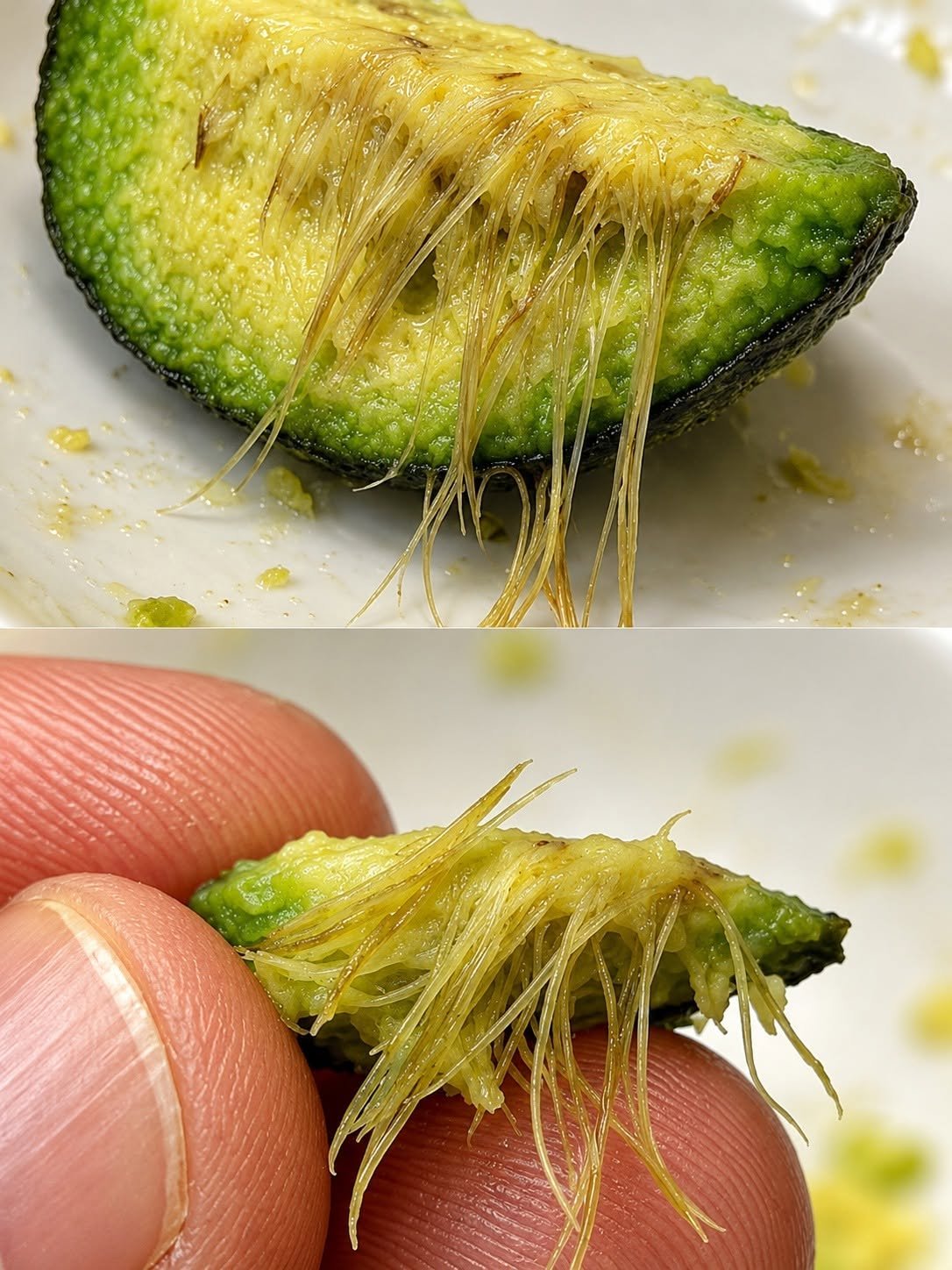
    If you cut open an avocado and discover something unusual inside, there is usually no reason to panic. If what you found looks like thin strings or fibers running through the flesh, they are most likely vascular bundles—the avocado’s natural internal transport system. These structures carry water and nutrients through the developing fruit and can become more noticeable depending on the variety, growing conditions, and maturity of the avocado. They may look strange, but they are a normal part of the fruit’s anatomy. Scientific descriptions of avocado anatomy identify these veins as the stringy or sometimes dark fibrous material that remains as the fruit softens.

    If the unusual object looks more like a small root, shoot, or sprout emerging from the avocado seed, that can also happen naturally. Avocado seeds contain an embryo capable of germinating, and occasionally the seed begins growing while it is still inside the fruit. Research on avocado seed development has documented cases where late-harvested fruit can germinate internally, with the developing root extending into the surrounding flesh. In that situation, what looks like a worm or strange growth may actually be the beginning of an avocado plant. If the surrounding flesh is fresh-looking, smells normal, and shows no signs of mold or spoilage, the unusual appearance alone does not prove that the fruit is contaminated.

    Before serving avocado to children, however, it is sensible to inspect the entire fruit rather than focusing only on the unusual structure. Discard it if there is visible mold, a strong unpleasant or fermented smell, extensive dark or slimy decomposition, or other obvious signs of spoilage. If you are uncertain about what you found—especially if it genuinely looks like an insect, larvae, or contamination—take a clear photograph and have the fruit inspected rather than guessing. In most cases, unusual avocado fibers or a naturally sprouted seed are not signs of something dangerous. Disclaimer: This article is for general educational and food-safety information only and does not constitute medical advice. Without seeing the specific object, its identity cannot be confirmed with certainty. Always inspect produce carefully and verify unusual food-safety concerns through reliable sources or a qualified food-safety professional.

  • Guava Is Packed With Nutrients — But Here’s What You Should Know Before Eating More

    Guava Is Packed With Nutrients — But Here’s What You Should Know Before Eating More

    Guava is one of those fruits that deserves more attention because it delivers an impressive combination of fiber, vitamin C, potassium, folate, and plant compounds. One cup of raw guava contains about 9 grams of fiber and is particularly rich in vitamin C, while also providing potassium and other essential nutrients. This makes whole guava a nutritious choice for people looking to increase their fruit and fiber intake. Fiber can support regular bowel movements and digestive health, while vitamin C contributes to normal immune function and antioxidant protection. Guava also contains naturally occurring carotenoids and polyphenols that researchers continue to investigate for their potential health effects. However, it is important to remember that eating guava is part of a healthy diet—it is not a substitute for medical treatment or a guaranteed way to prevent disease.

    Before dramatically increasing your intake, there are a few things worth knowing. Because guava is relatively high in dietary fiber, suddenly eating large amounts may cause bloating, stomach discomfort, constipation, or diarrhea in some people. Increasing fiber gradually and drinking enough fluids can make the transition more comfortable. Another consideration is potassium: guava provides a meaningful amount of this mineral, which is beneficial for many healthy people but may require dietary management in people with certain kidney conditions. Individual needs depend on kidney function, blood potassium levels, medications, and overall diet. It is also better to choose whole fresh guava rather than sweetened guava drinks, jams, or processed products, because whole fruit retains its fiber and generally avoids the added sugars found in many processed versions.

    The best way to enjoy guava is to treat it as part of a varied, nutrient-rich eating pattern rather than a miracle food. You can eat it fresh, add sliced guava to yogurt or oatmeal, or combine it with other fruits for a colorful snack. Research into guava’s potential effects on blood sugar, blood pressure, inflammation, and other areas is promising, but recent scientific reviews emphasize that more high-quality human trials are needed before strong therapeutic claims can be made. If you have kidney disease, digestive problems, a known food allergy, or another condition requiring dietary restrictions, speak with a qualified healthcare professional before making major changes to your diet. Disclaimer: This article is for general educational and nutritional information only and does not constitute medical diagnosis, treatment, or personalized dietary advice. Guava can be a healthy fruit for many people, but individual needs vary, and claims that it can cure or prevent serious diseases may be exaggerated or unsupported. Always verify important health information through reliable medical sources and consult a qualified healthcare professional for personalized guidance.

  • Every Woman Should Know What Clove May Actually Do

    Every Woman Should Know What Clove May Actually Do

    Cloves are more than a strongly flavored kitchen spice. They contain eugenol, a natural compound that has antioxidant, antimicrobial, and anti-inflammatory properties that researchers have studied for years. Adding small amounts of whole or ground cloves to meals can be a flavorful way to include these plant compounds in your diet. Some laboratory and preliminary research has investigated cloves for possible effects involving blood sugar, inflammation, and oral health, but there is not enough high-quality human evidence to say that cloves can treat or prevent specific diseases. Cleveland Clinic notes that culinary amounts of cloves are generally considered safe, while many of the stronger health claims surrounding concentrated clove products remain unproven.

    One area where clove has a particularly interesting history is oral care. Eugenol has been used in dentistry because of its local numbing and antiseptic properties, which may help explain why cloves are traditionally associated with temporary toothache relief. However, placing concentrated clove oil directly on the gums can cause irritation or tissue damage, so it should not replace professional dental treatment. Clove supplements and concentrated preparations also deserve more caution than ordinary culinary use. Eugenol may affect blood clotting and blood sugar, potentially creating concerns for people taking blood-thinning medicines or diabetes medication.

    The safest takeaway is simple: enjoy cloves as a spice rather than treating them as a miracle medicine. Adding a small amount to foods can provide flavor without relying heavily on sugar or salt, but drinking concentrated “clove water” or swallowing clove oil is not automatically safer or more effective. High amounts of clove oil can be toxic and have been associated with serious liver injury, seizures, and other dangerous effects. Disclaimer: This article is for general educational and informational purposes only and does not constitute medical diagnosis, treatment, or personalized health advice. Cloves should not replace prescribed treatment, and many online claims about their benefits remain insufficiently proven. Always verify health information through reliable medical sources and consult a qualified healthcare professional before using concentrated clove products or supplements.

  • A Sour Vaginal Odor? Here Are 4 Possible Reasons and When to Pay Attention

    A Sour Vaginal Odor? Here Are 4 Possible Reasons and When to Pay Attention

    A mild, slightly sour or tangy vaginal scent can sometimes be completely normal. The vagina naturally contains beneficial bacteria, particularly Lactobacillus species, that help maintain its acidic environment. Hormonal changes, menstruation, sweating, exercise, and changes in vaginal discharge can temporarily alter the way the area smells. However, a new, strong, persistent, or unpleasant odor deserves attention. One common possibility is bacterial vaginosis (BV), which occurs when the normal balance of vaginal bacteria changes. BV can produce a noticeable fish-like odor, particularly after sex, and may also cause thin white or gray discharge, itching, burning, or discomfort.

    Three other possibilities include trichomoniasis, a yeast infection, or irritation from hygiene products. Trichomoniasis is a sexually transmitted infection that can cause unusual-smelling discharge along with irritation, burning, redness, or discomfort when urinating, although many infected people have no symptoms. Yeast infections more commonly cause intense itching, irritation, and thick discharge rather than a strong odor, while scented soaps, sprays, douches, wipes, and other products can irritate sensitive external skin and disturb the normal vaginal environment. Importantly, odor alone cannot reliably identify the cause. Medical professionals may use an examination, vaginal-fluid testing, pH testing, or other laboratory methods to distinguish between different conditions.

    The safest approach is to avoid trying to mask an unusual odor with perfumes, douching, or home remedies. These methods may irritate the area or make the underlying problem harder to recognize. If the odor is persistent, unusually strong, or accompanied by abnormal discharge, itching, burning, pelvic pain, pain during urination, sores, bleeding, or other changes, arrange an evaluation with a qualified healthcare professional. This is particularly important during pregnancy, when certain vaginal infections can have additional health implications. A normal mild scent is not something that needs to be eliminated, but a sudden or persistent change is worth investigating rather than ignoring. Disclaimer: This article is for general educational and informational purposes only and does not constitute medical diagnosis, treatment, or personalized health advice. Vaginal odor can have many causes, and odor alone cannot diagnose an infection. Online health claims may be exaggerated, misleading, or unauthenticated, so always verify important information through reliable medical sources and consult a qualified healthcare professional for persistent or concerning symptoms.

  • The Surprising Truth About Eating Eggs Every Day…

    The Surprising Truth About Eating Eggs Every Day…

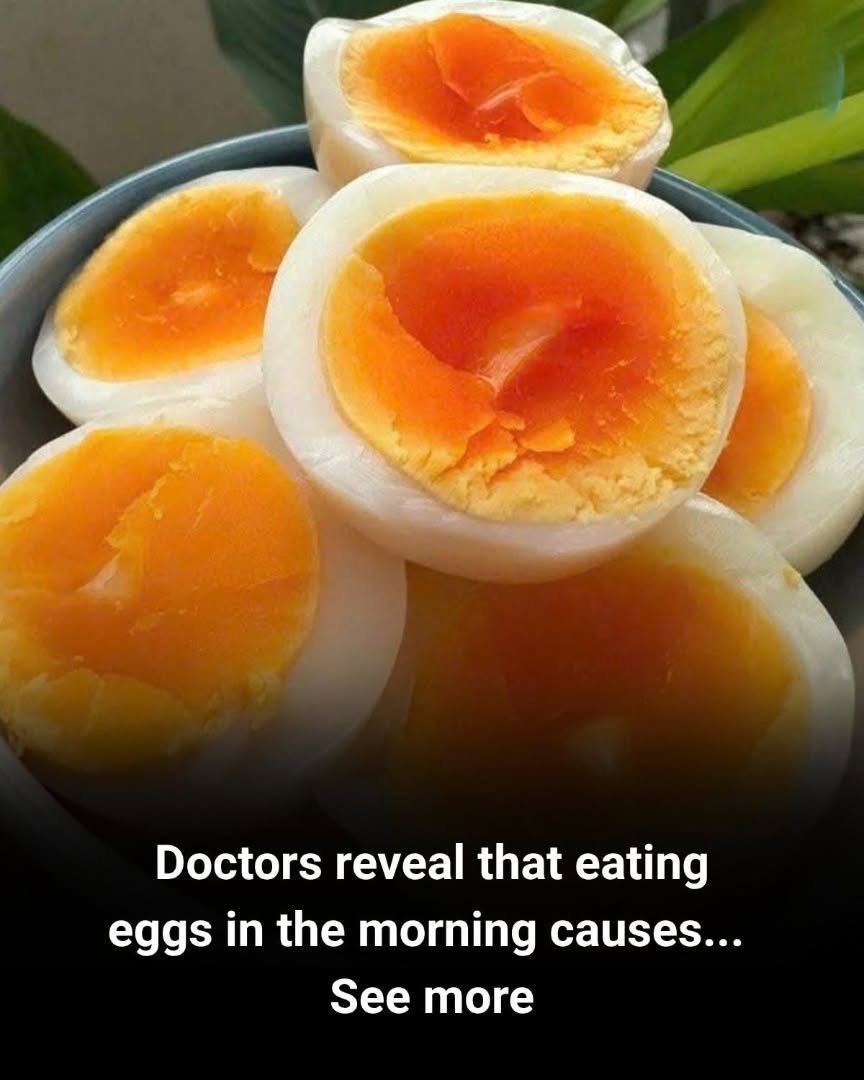
    For years, eggs were treated with suspicion because the yolk contains dietary cholesterol, but modern nutrition research presents a more nuanced picture. A large egg provides about 6 grams of high-quality protein along with nutrients such as choline, vitamin B12, vitamin D, selenium, lutein, and zeaxanthin. For most healthy people, eating around one egg a day can fit comfortably into a balanced, heart-conscious diet. Harvard Health notes that dietary cholesterol generally has a smaller effect on blood cholesterol than saturated and trans fats, while the American Heart Association’s 2026 dietary guidance says dietary cholesterol is no longer a primary target for cardiovascular-risk reduction for most people.

    The bigger surprise is that what you eat with your eggs may matter more than the egg itself. Eggs cooked with large amounts of butter and served alongside bacon, sausage, processed meats, or heavily salted foods can create a meal much higher in saturated fat and sodium. By contrast, pairing eggs with vegetables, whole grains, beans, or fruit can create a more nutrient-dense breakfast. A 2025 clinical trial summarized by Harvard Health found that a diet containing two eggs per day did not raise LDL cholesterol compared with a higher-saturated-fat diet, reinforcing the importance of considering the entire dietary pattern rather than focusing on cholesterol in one food. This does not mean everyone should eat multiple eggs every day; people with certain cholesterol disorders, diabetes, cardiovascular conditions, or other medical considerations may need individualized guidance.

    So, for many people, an egg every day can be part of a healthy eating pattern—but it is not a magic food or a guaranteed protection against disease. Preparation, portion size, overall calorie intake, and the rest of the diet all matter. Choosing boiled, poached, or lightly cooked eggs and combining them with vegetables and other minimally processed foods can be a practical approach. If you have been diagnosed with high cholesterol or another condition that affects your dietary needs, ask your healthcare professional how many whole eggs are appropriate for you rather than following a universal rule. Disclaimer: This article is for general educational and nutritional information only and does not constitute medical diagnosis, treatment, or personalized dietary advice. Research on eggs and cardiovascular health continues to evolve, and individual responses can differ. Online health claims may be exaggerated, misleading, or unauthenticated, so always verify important information through reliable medical sources and consult a qualified healthcare professional for personalized guidance.

  • Support Your Liver Health by Adding These 4 Vegetables and 2 Fruits to Your Daily Diet

    Support Your Liver Health by Adding These 4 Vegetables and 2 Fruits to Your Daily Diet

    Your liver performs hundreds of important functions, including processing nutrients and helping remove waste from the body, so maintaining a balanced diet is an important part of overall liver health. Rather than relying on a single “detox” food, experts generally recommend a dietary pattern rich in vegetables, fruits, whole grains, lean proteins, and healthy fats. For people concerned about fatty liver disease, the NIDDK recommends eating more low-glycemic foods such as most fruits and vegetables while limiting foods and drinks containing large amounts of simple sugars, particularly sweetened beverages. Four vegetables that can fit especially well into a liver-friendly eating pattern are broccoli, spinach, carrots, and tomatoes. These foods provide fiber, vitamins, minerals, and various plant compounds while generally being relatively low in calories. Recent research has also investigated tomatoes specifically for possible effects on liver fat, although more research is needed before tomatoes can be considered a treatment for liver disease.

    For fruit, berries and apples are two practical choices. Berries such as strawberries, blueberries, and raspberries provide fiber and naturally occurring plant compounds, while apples provide fiber and can be a convenient alternative to highly processed sweet snacks. Importantly, whole fruit is generally preferable to fruit juice because whole fruit contains fiber and is more filling. Current dietary guidance for metabolic liver disease favors whole fruits and vegetables as part of a Mediterranean-style eating pattern. Mayo Clinic guidance recommends plenty of non-starchy vegetables and at least two servings of fruit daily, while emphasizing that overall dietary quality matters more than any individual food. These foods may support a healthier eating pattern, but they should not be promoted as a cure for fatty liver, hepatitis, cirrhosis, or other liver conditions.

    The bigger picture is consistency and balance. Adding vegetables and whole fruits is helpful, but reducing excess calories, sugary drinks, highly processed foods, and unhealthy fats can be equally important. Maintaining a healthy weight and regular physical activity can also improve liver health, particularly for people with metabolic dysfunction-associated steatotic liver disease (MASLD). If you already have liver disease, your nutritional requirements may be different, especially with advanced disease or cirrhosis, so individualized advice from a doctor or registered dietitian is important. Disclaimer: This article is for general educational and nutritional information only and does not constitute medical diagnosis, treatment, or personalized dietary advice. No single vegetable or fruit can “cleanse” or cure the liver, and individual dietary needs vary. Health claims online may be exaggerated, misleading, or unauthenticated, so always verify important information through reliable medical sources and consult a qualified healthcare professional for liver-related concerns.

  • If You Experience Leg Cramps at Night Frequently, Pay Attention to These Warning Signs

    If You Experience Leg Cramps at Night Frequently, Pay Attention to These Warning Signs

    Nighttime leg cramps are common and, in most cases, harmless. They typically involve a sudden, painful tightening of the calf, foot, or thigh muscles that can last from a few seconds to around 10 minutes. However, frequent cramps deserve attention, particularly when they repeatedly disturb your sleep or are accompanied by other symptoms. Dehydration, muscle overuse, prolonged sitting, aging, pregnancy, and certain medications can contribute to cramps, while some cases may be associated with underlying health conditions. One important warning sign is persistent numbness, swelling, or weakness in the legs. These symptoms are not typical of an occasional harmless cramp and may warrant evaluation by a healthcare professional.

    Pay particular attention if your cramps occur alongside leg swelling, redness or skin changes, significant weakness, or pain that continues after the cramp ends. Frequent episodes can sometimes be associated with medication effects, nerve problems, reduced blood flow, electrolyte abnormalities, diabetes, or kidney-related conditions, although having cramps does not automatically mean you have one of these problems. If cramps repeatedly wake you at night or interfere with normal daily activities, medical advice can help determine whether an underlying cause needs to be investigated. A clinician may review your medications and medical history and, when appropriate, perform additional testing rather than assuming the problem is simply a vitamin or mineral deficiency.

    There are also simple measures that may help. Gentle calf stretching before bedtime, staying adequately hydrated, and light activity can reduce the frequency of cramps for some people. When a cramp happens, gently stretching the affected muscle, flexing the foot upward, walking carefully, or massaging the muscle may provide relief. Do not automatically begin high-dose potassium, magnesium, or other supplements without professional advice, because excessive supplementation can be harmful in some circumstances. Seek prompt medical attention if severe cramping continues, or if significant leg swelling, redness, warmth, weakness, or other concerning symptoms develop. Disclaimer: This article is for general educational and informational purposes only and does not constitute medical diagnosis, treatment, or personalized health advice. Frequent nighttime cramps have many possible causes, and cramps alone cannot diagnose an underlying disease. Online health claims may be exaggerated, misleading, or unauthenticated, so always verify important information through reliable medical sources and consult a qualified healthcare professional about persistent or concerning symptoms.