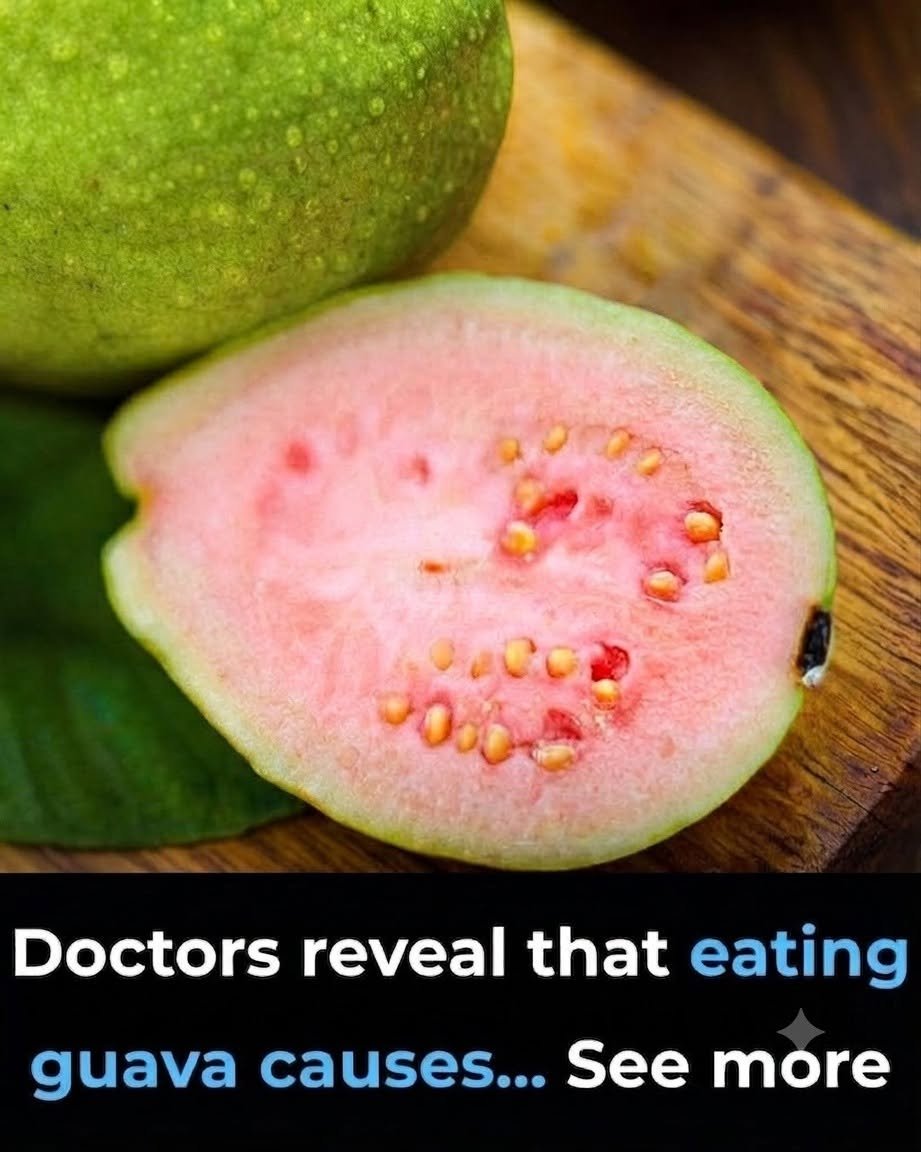
Guava is one of those fruits that deserves more attention because it delivers an impressive combination of fiber, vitamin C, potassium, folate, and plant compounds. One cup of raw guava contains about 9 grams of fiber and is particularly rich in vitamin C, while also providing potassium and other essential nutrients. This makes whole guava a nutritious choice for people looking to increase their fruit and fiber intake. Fiber can support regular bowel movements and digestive health, while vitamin C contributes to normal immune function and antioxidant protection. Guava also contains naturally occurring carotenoids and polyphenols that researchers continue to investigate for their potential health effects. However, it is important to remember that eating guava is part of a healthy diet—it is not a substitute for medical treatment or a guaranteed way to prevent disease.
Before dramatically increasing your intake, there are a few things worth knowing. Because guava is relatively high in dietary fiber, suddenly eating large amounts may cause bloating, stomach discomfort, constipation, or diarrhea in some people. Increasing fiber gradually and drinking enough fluids can make the transition more comfortable. Another consideration is potassium: guava provides a meaningful amount of this mineral, which is beneficial for many healthy people but may require dietary management in people with certain kidney conditions. Individual needs depend on kidney function, blood potassium levels, medications, and overall diet. It is also better to choose whole fresh guava rather than sweetened guava drinks, jams, or processed products, because whole fruit retains its fiber and generally avoids the added sugars found in many processed versions.
The best way to enjoy guava is to treat it as part of a varied, nutrient-rich eating pattern rather than a miracle food. You can eat it fresh, add sliced guava to yogurt or oatmeal, or combine it with other fruits for a colorful snack. Research into guava’s potential effects on blood sugar, blood pressure, inflammation, and other areas is promising, but recent scientific reviews emphasize that more high-quality human trials are needed before strong therapeutic claims can be made. If you have kidney disease, digestive problems, a known food allergy, or another condition requiring dietary restrictions, speak with a qualified healthcare professional before making major changes to your diet. Disclaimer: This article is for general educational and nutritional information only and does not constitute medical diagnosis, treatment, or personalized dietary advice. Guava can be a healthy fruit for many people, but individual needs vary, and claims that it can cure or prevent serious diseases may be exaggerated or unsupported. Always verify important health information through reliable medical sources and consult a qualified healthcare professional for personalized guidance.
Leave a Reply